
Ipe vs Trex: Which Is Best for Your Deck?
If you want unmatched hardness and a lifespan up to 75 years, Ipe’s dense tropical hardwood is ideal. It offers rich grain and superior durability under heavy use.
Trex, a lighter composite of recycled plastic and wood fibers, provides consistent color, low maintenance, and resistance to rot without sealing. Its lifespan is shorter, typically 15–30 years.
Your choice hinges on balancing premium natural beauty and longevity against ease of upkeep and budget. A deeper comparison will clarify what suits your project best.
Key Takeaways
- Ipe is a dense, natural hardwood with exceptional hardness and durability, lasting 40–75 years, while Trex is a composite decking lasting 15–30 years.
- Trex requires minimal maintenance with no staining or sealing, whereas Ipe demands regular cleaning and periodic oiling to preserve its color.
- Ipe offers a rich, authentic wood appearance with natural grain, while Trex provides consistent color and mimics wood with lower upkeep.
- Ipe costs $15–$22 per square foot upfront, higher than Trex’s $5–$17, but Ipe’s longevity can reduce lifecycle replacement costs.
- Choose Ipe for extreme hardness and long lifespan, and Trex for budget-friendly, low-maintenance decking with environmental sustainability.
Ipe vs Trex Decking Comparison: Key Differences
| Feature | Ipe Decking | Trex Decking |
|---|---|---|
| Material | 100% solid tropical hardwood with natural grain | Composite made from recycled plastic and wood fibers |
| Typical Lifespan | Around 40–75 years with suitable care | Typically around 15–30 years |
| Durability | Exceptionally dense, hard, and impact-resistant | Durable for residential use with good resistance to rot and splintering |
| Maintenance | Requires cleaning and optional periodic oiling to preserve its rich colour | Mainly needs routine cleaning; no staining or sealing required |
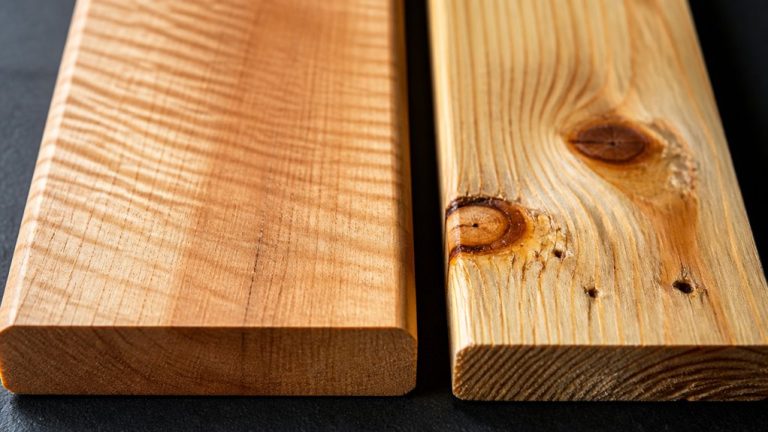
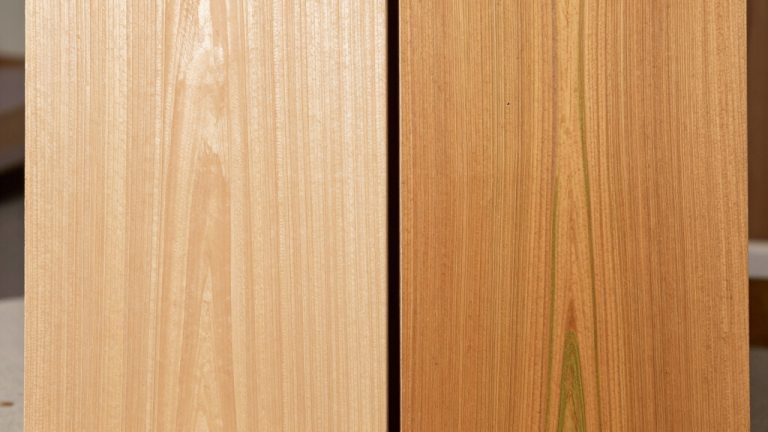
| Appearance | Offers an authentic natural wood grain and rich colour variations | Provides a consistent wood-like appearance and uniform colour |
| Colour Over Time | Can develop a silver-grey patina when left untreated | Designed for greater colour consistency and fade resistance |
| Strength | Very high density and strong load-bearing performance | Suitable for typical residential decking but less dense than Ipe |
| Initial Cost | Generally has a higher upfront cost | Usually offers a lower initial investment |
| Long-Term Replacement | Longer lifespan can mean fewer replacements | Shorter service life can mean earlier board replacement |
| Sustainability | Responsible sourcing is important for tropical hardwood | Uses recycled plastic and wood fibres in its composite construction |
| Best Fit | Projects prioritising natural beauty, hardness, and longevity | Projects prioritising low maintenance and practical upkeep |
Understanding Ipe and Trex Decking Materials

Both Ipe and Trex offer distinct material compositions that influence their performance and aesthetics in decking applications.
Ipe is a 100% solid tropical hardwood, harvested from Central and South America, renowned for its natural density and rich grain. It provides a luxurious, authentic wood appearance that’s inherently durable.
Ipe offers a dense, richly grained tropical hardwood with natural durability and an authentic, luxurious wood look.
In contrast, Trex is a composite decking board made by combining recycled plastic with wood fibers. It’s engineered to mimic wood’s look while reducing upkeep.
This manufactured nature gives Trex lighter weight and consistent coloration but less wood authenticity.
When choosing, consider how Ipe’s natural hardwood structure enhances strength and texture. Trex’s composite formula prioritizes ease of maintenance and environmental sustainability.
Your material choice directly affects workability, visual appeal, and the long-term deck experience. Proper installation and maintenance practices significantly influence the longevity and durability of any decking material.
Ipe vs Trex: Durability and Lifespan Compared
Understanding the fundamental differences in material composition between Ipe and Trex sets the stage for evaluating their durability and lifespan. Ipe, a dense tropical hardwood, offers exceptional longevity. Trex, a composite of recycled plastic and wood fibers, prioritizes ease of upkeep over extreme durability.
When comparing these materials, consider:
- Lifespan: Ipe commonly lasts 40–75 years, sometimes more. Trex typically endures 15–30 years, with select lines lasting up to 50 years.
- Wear Resistance: Ipe’s natural density grants superior resistance to wear and impact. Trex performs adequately under residential use but lacks hardwood’s robustness.
- Replacement Frequency: Ipe’s extended service life usually means fewer replacements. Trex may require earlier board changes.
Your choice hinges on balancing longevity against maintenance and upfront cost. Additionally, understanding the environmental impact of these materials can help guide a sustainable decision.
Why Hardness and Strength Matter for Ipe Decks?
When you choose Ipe for your deck, you’re not just picking a beautiful wood; you’re opting for something incredibly durable. Its exceptional hardness really enhances impact resistance, meaning it stands up to dents and scratches much better over time.
Plus, this strength boosts the load-bearing capacity of your deck. So, whether you’re hosting a big barbecue or just lounging with friends, you can trust that Ipe can support heavier weights without compromising its structural integrity.
Understanding these properties is key! It really highlights why Ipe excels in demanding, high-traffic environments. You get the beauty and the brawn all in one package.
For outdoor applications like decking, choosing wood with a high density and strength ensures longevity and resistance to weather-related wear.
Impact Resistance Benefits
Choose Ipe for your deck if impact resistance is a priority, as its exceptional hardness and strength provide superior durability under heavy use.
Thanks to its dense tropical hardwood composition, Ipe resists dents and scratches that commonly affect decking materials. When evaluating impact resistance benefits, consider these points:
- Superior Hardness: Ipe’s Janka hardness rating around 3,680 lbf means it withstands heavy impacts without deformation.
- Enhanced Structural Integrity: Its high bending and crushing strength reduces surface damage from dropped objects or foot traffic.
- Long-Term Aesthetic Retention: Ipe’s resistance to surface wear preserves your deck’s refined appearance even in demanding environments.
Additionally, its dense structure enhances longevity in outdoor and marine applications, making it a top choice for durability.
With Ipe, you invest in a deck that maintains structural and visual integrity far beyond what composites like Trex can offer under similar impact stresses.
Load-Bearing Capacity
Load-bearing capacity defines how well your deck supports weight and stress without compromising safety or performance.
Ipe’s exceptional hardness, boasting a Janka rating near 3,680 lbf, and high density at around 69 lbs/ft³ translate into superior bending and crushing strength.
This makes Ipe decks ideally suited for heavy-use or high-traffic areas where structural demands are significant.
In contrast, Trex, as a composite material, lacks a comparable hardness metric and generally exhibits lower density and strength.
While Trex performs adequately for typical residential loads, it doesn’t match Ipe’s capacity to resist deformation under concentrated or dynamic stresses.
Choosing Ipe means prioritizing a deck that maintains structural integrity over decades.
This ensures your outdoor space handles substantial loads gracefully without sagging or damage, thanks to its natural solid hardwood composition.
Its dense cellular structure also enhances stiffness and resistance to deformation, further boosting load-bearing performance and dimensional stability.
Maintenance Needs: Ipe vs Trex Decking
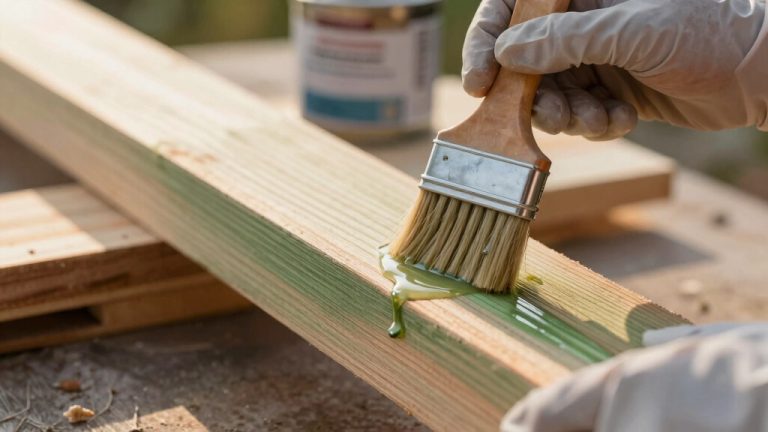
When it comes to maintenance, you’ll find that both Ipe and Trex require regular cleaning. But here’s the scoop: Ipe needs some optional oiling if you want to keep that rich, warm color. On the flip side, Trex retains its hue without the need for any staining or sealing.
Now, if you go the Ipe route and decide not to treat it, be prepared for it to naturally weather into a lovely silver-gray patina over time. It’s a beautiful look, but keep in mind that Trex is designed to resist rot and splintering with minimal upkeep.
Regular cleaning and maintenance can greatly extend the lifespan of wood decking materials like Ipe.
Cleaning Requirements
Regular cleaning plays an essential role in maintaining both Ipe and Trex decking, though their requirements differ markedly due to their material compositions.
With Ipe’s dense hardwood surface, you’ll need to:
- Sweep debris regularly to prevent organic buildup.
- Use a gentle cleanser and soft brush for annual deep cleaning.
- Optionally apply oil to preserve the rich tone and inhibit graying.
For Trex, you can simplify maintenance by:
- Removing dirt and leaves with routine sweeping.
- Washing with soap and water or a composite deck cleaner as needed.
- Avoiding staining or sealing since its composite material resists moisture and rot naturally.
Understanding these distinctions helps you tailor your cleaning approach, extending your deck’s performance and visual appeal. Compared to composite decking, hardwood like Ipe may benefit from factory-applied finishes to improve durability and reduce maintenance frequency.
Color Retention Options
Often, maintaining vibrant color on your decking requires distinct approaches based on the material’s properties. With Ipe, you’ll notice its rich, natural hues gradually fade to a silver-gray patina if left untreated.
To preserve Ipe’s warm tone, applying penetrating oil regularly is advisable. This enhances color retention while respecting the wood’s natural grain.
Conversely, Trex’s composite formulation inherently resists fading, thanks to its UV inhibitors embedded during manufacturing. This means you won’t need staining or sealing to maintain consistent color over time.
However, dirt and surface contaminants can dull Trex’s finish, so routine cleaning remains essential. Ultimately, if you prioritize minimal color maintenance, Trex offers a stable palette.
Ipe demands proactive oiling to sustain its authentic wooden aesthetic.
For any repairs on Ipe decking, using a weather-resistant wood filler can help maintain both the appearance and durability of the wood.
Long-Term Maintenance
Maintaining your deck’s integrity over years requires understanding the distinct care demands of Ipe and Trex materials. Ipe’s dense hardwood nature means it resists wear but needs periodic cleaning and optional oiling to preserve its rich color. Otherwise, it will age to a silver-gray patina.
Trex, composed of recycled plastic and wood fibers, simplifies upkeep by requiring only routine cleaning without staining or sealing.
- Ipe demands more annual maintenance time, primarily for cleaning and optional oiling to maintain appearance.
- Trex avoids common wood issues like rot and splintering, reducing long-term maintenance efforts.
- Over decades, Ipe’s durability means less frequent replacement, while Trex might need earlier board replacement despite lower yearly upkeep.
Your choice hinges on balancing maintenance tolerance against lifespan and aesthetic priorities.
Proper cleaning techniques, such as using a pH-neutral cleaner and avoiding excessive moisture, are essential to maintain the finish and prevent damage on hardwood surfaces like Ipe, ensuring long-term durability.
Comparing Costs: Ipe vs Trex Decking
Although Ipe commands a higher upfront price, typically ranging from $15 to $22 per square foot, its exceptional durability and long lifespan can justify the initial investment.
Ipe’s higher upfront cost is offset by its outstanding durability and long-lasting value.
When you weigh the cost against Trex, which generally costs between $5 and $17 per square foot, you’ll see Trex offers lower initial expenses but may require earlier replacement.
Ipe’s dense hardwood composition supports longevity up to 75 years, reducing long-term replacement frequency.
Trex, a composite of recycled plastic and wood fibers, provides cost efficiency upfront with less maintenance but a shorter service life typically around 15 to 30 years.
Factoring lifecycle costs, Ipe’s premium price may balance out when durability and reduced replacement needs are prioritized.
Trex suits budgets favoring lower initial outlay and simpler upkeep.
Additionally, Trex decking offers resistance to moisture, rot, and insects, contributing to its maintenance ease compared to traditional wood.
Ipe vs Trex: Best Uses and Project Fit
Choose Ipe when your project demands unmatched natural beauty, extreme hardness, and a long service life that justifies a higher upfront cost. Its dense, solid hardwood structure excels in heavy-use or high-traffic applications, delivering durability that lasts decades.
Opt for Trex if you prioritize low maintenance, consistent coloration, and budget-friendly installation without sacrificing decent longevity.
Consider these points when deciding fit:
- Durability Needs: Ipe withstands wear and impact for 40–75 years. Trex offers 15–30 years with less density.
- Maintenance Tolerance: Ipe requires periodic cleaning and optional oiling. Trex demands routine cleaning only.
- Aesthetic Goals: Ipe provides premium natural wood grain and hardness. Trex mimics wood with uniform color and texture.
Match material properties to your project’s functional and aesthetic requirements for best results.
Choosing Between Ipe and Trex: Final Decision
When weighing Ipe against Trex for your decking project, focus sharply on how each material’s characteristics align with your priorities in durability, maintenance, aesthetics, and budget.
Choose Ipe if longevity and hardness are paramount. Its dense tropical hardwood endures 40–75 years, resists wear, and offers a rich, natural wood appearance that Trex’s composite can’t fully replicate.
Opt for Trex when you want lower upfront costs, simplified upkeep, and consistent color retention without sealing. Consider your tolerance for periodic oiling versus routine cleaning only.
Factor in lifecycle costs: Ipe’s higher initial investment often balances out through extended lifespan, while Trex may require earlier replacement.
Ultimately, your final decision hinges on balancing premium durability and authentic beauty against practicality and cost-effectiveness for your specific decking needs.
Frequently Asked Questions
Can Ipe Decking Be Installed Over Existing Wooden Decks?
Yes, you can install Ipe decking over existing wooden decks, but you’ll need to make sure the underlying structure is sound, level, and free of rot or damage.
Use proper sleepers or furring strips to create ventilation and prevent moisture buildup.
Fasten Ipe boards with compatible stainless steel or coated fasteners to avoid corrosion.
This approach preserves the longevity and performance of Ipe’s dense hardwood while maintaining structural integrity.
How Do Ipe and Trex Decks Perform in Extreme Weather Conditions?
You’ll appreciate that Ipe’s density near 69 lbs/ft³ grants it exceptional resistance to wear in extreme weather, lasting up to 75 years.
It handles moisture, heat, and cold with minimal warping or damage.
Trex, designed from recycled materials, performs well against rot and splintering but has a shorter lifespan, around 15–30 years.
Its composite structure resists fading and cracking better in harsh sun and freeze-thaw cycles but lacks hardwood’s sheer toughness.
Are There Environmental Concerns With Harvesting Ipe Wood?
Yes, you should be aware of environmental concerns when harvesting Ipe wood.
Ipe is a tropical hardwood sourced from Central and South America, where logging can contribute to deforestation and habitat loss if not managed sustainably.
Look for certifications like FSC to guarantee responsible harvesting.
Unsustainable Ipe sourcing negatively impacts biodiversity and carbon storage.
Choosing certified or reclaimed wood helps minimize environmental harm while maintaining the premium qualities you seek.
What Tools Are Best for Cutting and Installing Ipe Decking?
You’ll want carbide-tipped circular saw blades for cutting ipe, as its density quickly dulls standard blades.
Use a fine-toothed blade with 40–60 teeth for clean cuts.
For drilling, high-speed steel or carbide-tipped bits work best to avoid burning.
When fastening, stainless steel screws prevent corrosion and handle ipe’s hardness well.
Employ a slow, steady feed rate to reduce splintering and achieve precise, professional installation results.
Can Trex Decking Be Recycled at the End of Its Lifespan?
Imagine you’ve finished a Trex deck after decades of use. Yes, you can recycle Trex decking at its end of life since it’s made from recycled plastic and wood fibers.
Trex runs a recycling program called the ReStart® program, allowing you to return old boards for repurposing into new decking. This closed-loop process minimizes waste and supports sustainable practices, making Trex an environmentally conscious choice for your decking project.
Making the Final Ipe vs Trex Decision
When choosing between Ipe and Trex, you’re not just picking decking. You’re deciding the foundation of your outdoor sanctuary.
Ipe’s rock-solid hardness and natural elegance are like armor against time. Trex’s low-maintenance resilience keeps your space effortlessly stunning.
Your choice will either demand dedication or reward ease. But either way, you’re investing in a deck that can withstand nature’s fury for decades.
So, pick wisely. Your dream deck depends on it.