
How Long Does Cedar Last Outdoors: Key Factors
You can expect untreated cedar to last between 15 and 30 years outdoors. This longevity is due to its natural oils that resist decay and insects.
Properly maintained cedar, especially in decks or cladding, often exceeds 20 years. Some varieties can even last up to 60 years.
Its lifespan depends on species, installation, moisture control, and protective treatments applied regularly.
Following best practices in installation and upkeep markedly maximizes durability. More detailed guidance will help you optimize cedar’s performance in any outdoor setting.
Key Takeaways
- Untreated cedar typically lasts 15–30 years outdoors, depending on species and environmental conditions.
- Properly maintained cedar decks and fences can last 20–25 years with regular protective treatments.
- Western Red Cedar cladding can last 30–60 years due to its higher natural durability.
- Lifespan is extended by proper installation, moisture prevention, and regular maintenance such as sealing and cleaning.
- Natural oils in cedar resist decay and insects, reducing the need for chemical preservatives while enhancing longevity.
How Long Does Cedar Last Outdoors?
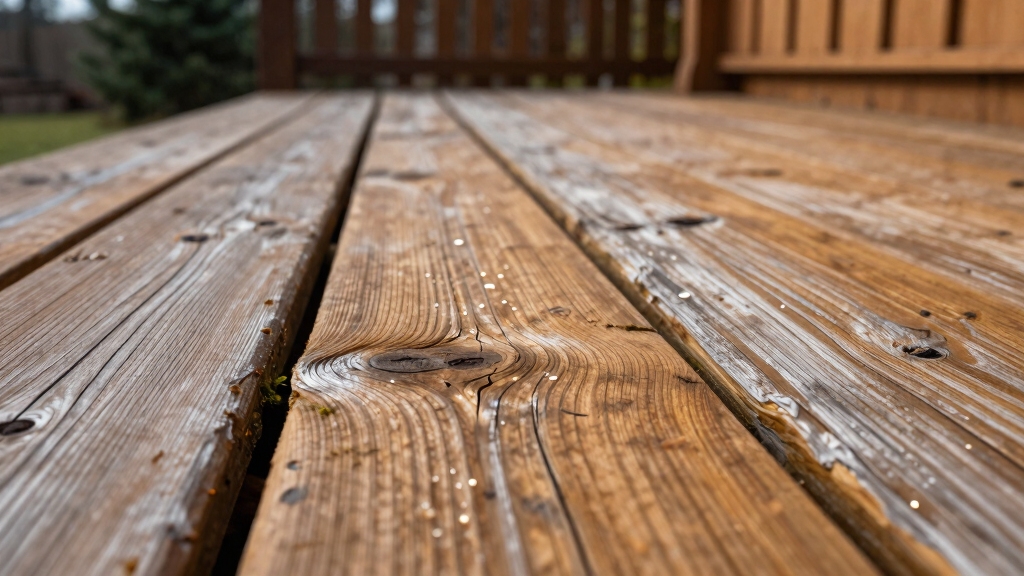
Cedar’s outdoor lifespan varies widely based on species, treatment, and environmental conditions. You can expect untreated cedar to last 15-30 years, with Western Red Cedar providing extended durability of 30-60 years, especially in cladding applications.
When properly maintained, cedar decks typically reach service lives of 20-25 years, while fences last 15-25 years without protective treatments. Environmental factors such as moisture, temperature fluctuations, and sunlight exposure markedly influence cedar’s longevity.
Installation quality also impacts durability. Correct installation methods help maximize lifespan. To achieve peak performance, regular maintenance like cleaning and inspections is necessary.
While untreated cedar has inherent durability, understanding its lifespan requires considering species-specific traits, exposure levels, and upkeep to guarantee the wood performs effectively throughout its expected service duration. Cedar’s high lignin content and natural oils contribute to its slow decay and durability in outdoor settings.
Cedar’s Natural Resistance to Rot and Insects
Because it contains natural oils and phenols, cedar repels insects and resists decay more effectively than many other woods. These compounds act as natural preservatives, reducing the need for chemical treatments.
Cedar’s natural oils and phenols repel insects and decay, minimizing the need for chemical preservatives.
When you choose cedar for outdoor use, consider these key factors:
- Natural resins provide built-in protection against termites and fungal rot, enhancing durability.
- Moisture resistance stems from cedar’s chemical composition, which inhibits water absorption and decay.
- Low density and shrinkage help maintain structural stability and reduce vulnerability to insect infestation.
Additionally, applying protective coatings can extend cedar’s outdoor lifespan by enhancing its natural resistance to moisture and UV damage.
How Weather and Environment Affect Cedar’s Lifespan?
The natural resistance of cedar to rot and insects provides a solid foundation for outdoor durability.
However, environmental factors play a significant role in determining its actual lifespan. You’ll find that moisture buildup from debris and poor drainage accelerates decay. Constant sunlight can cause surface cracking.
Temperature fluctuations induce wood movement, increasing wear over time.
Choosing the right penetrating oil-based sealers with UV resistance and water-repellent properties can significantly extend cedar’s outdoor lifespan by protecting against moisture and sun damage.
| Environmental Factor | Effect on Cedar Lifespan |
|---|---|
| Moisture | Promotes rot and fungal growth |
| Sunlight | Causes surface drying and cracking |
| Temperature Changes | Leads to expansion and contraction stress |
| Wind and Dirt | Abrades surface, traps moisture |
| Vegetation | Encourages moisture retention and decay |
Cedar’s Durability by Application: Decks, Fences, and Cladding
When you choose cedar for decks, fences, or cladding, you benefit from its inherent durability tailored to each application.
Cedar’s natural oils and phenols provide excellent resistance to rot and insects, but lifespan varies by use:
- Decks: Properly maintained Western Red Cedar decks last 20-25 years. They outperform many other woods due to cedar’s moisture resistance and dimensional stability.
- Fences: Cedar fences endure 15-25 years without staining or sealing. Natural resins repel decay and pests effectively even with ground-level exposure.
- Cladding: Western Red Cedar cladding can maintain structural integrity for 30-60 years when installed with moisture management. This leverages cedar’s low shrinkage and weather resilience.
Each application demands understanding cedar’s properties to maximize longevity in outdoor environments. Compared to untreated pine, cedar’s natural oils and rot resistance enable it to exceed 20 years outdoors with less maintenance.
Installation Tips for Long-Lasting Cedar Outdoors
To get the most out of your cedar outdoors, it’s all about the installation techniques. You really want to make sure there’s good drainage and airflow around the wood. This helps keep moisture at bay, which is key to preventing rot and decay.
One simple tip is to regularly clear away any debris that might accumulate. Also, maintaining some space around your cedar, so there’s enough vegetation clearance, goes a long way in extending its lifespan.
Don’t forget, regular maintenance is crucial! A quick inspection and some cleaning every now and then can help your cedar keep its natural resistance and structural integrity for years to come. It’s all about giving it the care it needs to thrive outdoors!
Cedar’s natural oils provide some moisture and rot resistance, which contributes significantly to its durability in outdoor environments.
Proper Installation Techniques
Although cedar naturally resists decay, you’ll need to follow specific installation techniques to maximize its outdoor lifespan. Proper installation minimizes moisture retention and structural stress, extending durability markedly.
- Ensure adequate spacing: Leave consistent gaps between cedar boards to promote airflow and prevent trapping moisture. This helps to avoid accelerated deterioration.
- Use corrosion-resistant fasteners: Opt for stainless steel or galvanized nails and screws. This choice helps avoid rust stains and maintains structural integrity over decades.
- Elevate cedar components: Keep wood at least 6 inches above ground or concrete. This reduces direct contact with moisture and soil-borne organisms that cause decay.
- Applying a water-repellent preservative after installation can further protect cedar from moisture infiltration and UV damage, extending its outdoor life.
Moisture Prevention Strategies
In managing cedar’s longevity outdoors, controlling moisture infiltration plays a critical role in preventing decay and structural damage.
To do this, you should install cedar with adequate clearance from the ground, at least six inches, to reduce direct contact with soil moisture.
Use flashing and drip edges to divert water away from vulnerable joints and surfaces.
Make certain proper ventilation behind siding or decking promotes airflow, which helps evaporate trapped moisture.
When fastening, choose corrosion-resistant galvanized or stainless steel nails to avoid rust stains and wood degradation.
Avoid installing cedar in locations prone to standing water or poor drainage.
Applying a water-repellent preservative can provide an additional safeguard against moisture damage.
Regular Maintenance Practices
Maintaining cedar’s durability outdoors requires consistent care beyond proper installation and moisture control. You need to adopt regular maintenance practices to extend cedar’s lifespan effectively.
Start by:
- Cleaning the surface annually with mild soap and a soft cloth to remove dirt and mildew without damaging wood fibers.
- Inspecting the wood each year for signs of rot, mold, or insect damage to address issues before they worsen.
- Clearing debris and trimming vegetation at least six inches away from cedar to prevent moisture buildup and decay.
These actions preserve the wood’s structural integrity and natural resistance. Combining regular maintenance with proper installation and moisture prevention guarantees cedar lasts its maximum potential, often exceeding 20 years in outdoor applications. Applying penetrating oil-based sealers can complement cedar’s natural oils to enhance UV resistance and water repellency.
Maintenance Practices to Extend Cedar’s Life
To get the most out of your cedar outdoors, you need to stick to a consistent maintenance routine that addresses moisture, debris, and potential damage early.
Consistent maintenance tackling moisture, debris, and early damage is key to preserving your outdoor cedar.
Regularly clear leaves, dirt, and organic matter from surfaces to prevent moisture retention, which accelerates decay.
Inspect your cedar annually for signs of rot, mold, or insect activity, focusing on vulnerable areas like ground-level posts and joints.
Trim nearby vegetation to maintain at least a six-inch clearance, reducing humidity and airflow obstruction.
Use gentle cleaning methods with mild soap and soft brushes to remove mildew without damaging the wood fibers.
Promptly repair any cracks or splits to minimize water infiltration.
Applying protective stains every 2–3 years can greatly extend the lifespan of cedar by shielding it from moisture and UV damage.
When and How to Apply Protective Treatments on Cedar?
You should think about applying protective treatments to your cedar when its moisture content is below 15%. This ensures that the wood can absorb the treatment properly and get the best results.
Before you dive into applying sealants or stains, give the surface a good clean with low-pressure washing. It helps prep the wood for the treatment.
When you’re ready to apply, use a brush or sprayer to spread the product evenly. This way, you’ll get nice, consistent coverage.
Don’t forget to reapply those treatments every 3-5 years! This will help keep your cedar looking great and protect it from accelerated weathering.
For optimal protection, ensure proper handling and use of personal protective equipment to minimize exposure to any chemical treatments during application, as recommended in chemical treatments and safety.
Optimal Treatment Timing
Although cedar naturally resists decay and insects, applying protective treatments at the right time markedly extends its outdoor lifespan.
You should focus on timing treatments to maximize penetration and effectiveness while minimizing moisture-related damage.
Follow these guidelines:
- Treat cedar when its moisture content is below 15%. This guarantees the wood absorbs sealants or stains efficiently without trapping moisture inside.
- Apply treatments during dry weather with temperatures between 50°F and 80°F to promote proper curing and prevent water interference.
- Reapply protective coatings every 3 to 5 years, or sooner in harsh climates, to maintain a durable barrier against UV rays, moisture, and biological agents.
Application Techniques and Tips
When applying protective treatments on cedar, ensuring the wood’s surface is clean and dry is critical for ideal absorption and longevity.
Begin by removing dirt, mildew, and old finishes using a low-pressure wash or mild detergent with a soft brush.
Verify the moisture content is below 15% before treatment to prevent trapping moisture.
Apply sealants or stains evenly with a high-quality brush or sprayer, following the wood grain to enhance penetration.
Avoid application in direct sunlight or when rain is forecasted within 24 hours, as this can impair curing.
For best results, apply two coats, allowing adequate drying time between layers.
Regularly inspect treated cedar every 3-5 years and reapply protective coatings as needed to sustain durability and preserve appearance outdoors.
Frequently Asked Questions
Can Cedar Be Recycled or Repurposed After Outdoor Use?
Yes, you can recycle or repurpose cedar after outdoor use. Its natural resistance to rot and insects means the wood often remains structurally sound for reuse.
You can convert old cedar into mulch, garden beds, or indoor furniture. Just make sure you avoid chemically treated cedar to prevent contamination.
Properly cleaned and dried cedar retains value, allowing you to extend its lifecycle sustainably and economically in various projects.
What Are the Best Cedar Species for Indoor Air Quality?
You’ll find Western Red Cedar is one of the best species for indoor air quality, thanks to its high content of natural oils and phenols that actively repel mold and bacteria.
Studies show its volatile organic compounds (VOCs) can reduce airborne pathogens by up to 30%.
Using this cedar indoors not only improves air purity but also adds a subtle, natural fragrance without harmful chemical emissions, making it a smart, health-conscious choice.
How Does Cedar Compare to Other Woods in Fire Resistance?
You’ll find cedar offers moderate fire resistance compared to other woods.
Its natural oils provide some retardant properties, but cedar still ignites faster than hardwoods like oak or treated lumber.
Western Red Cedar, common outdoors, chars slowly, forming a protective layer that slows burning.
However, it doesn’t match fire-resistant treated wood or naturally dense species.
If fire resistance is critical, consider additional treatments or alternative materials designed specifically for fire safety.
Are There Eco-Friendly Alternatives to Cedar for Outdoor Projects?
Yes, you can choose eco-friendly alternatives like bamboo, which grows rapidly and offers durability outdoors.
Thermally modified wood is another option, treated without chemicals for enhanced resistance.
Reclaimed hardwoods reduce deforestation impact, providing unique aesthetics.
Composite decking combines recycled plastics and wood fibers, minimizing waste while resisting decay.
Each alternative requires proper maintenance to maximize lifespan. Consider your project’s environmental goals and performance needs when selecting materials.
Does Cedar Emit Any Allergens or Odors That Affect Sensitive Individuals?
Cedar’s characteristic crisp, clean scent can cause sensitivity symptoms for some. You might notice mild respiratory irritation, sneezing, or skin reactions due to natural oils and aromatic compounds.
While cedar doesn’t emit harmful allergens broadly, its volatile organic compounds (VOCs) can affect sensitive individuals. If you’re prone to allergies, consider adequate ventilation and sealed finishes to minimize exposure.
Testing small samples before extensive use helps confirm comfort and safety.
Keep Outdoor Cedar Strong With Regular Care
You can expect cedar to last 15 to 30 years outdoors when properly maintained, thanks to its natural resistance to rot and insects.
However, factors like weather exposure and installation quality play a vital role.
By applying protective treatments every 3-5 years and following good maintenance practices, you’ll greatly extend cedar’s lifespan.
With the right care, cedar remains a durable, reliable choice for decks, fences, and cladding.
This makes your investment truly worthwhile.