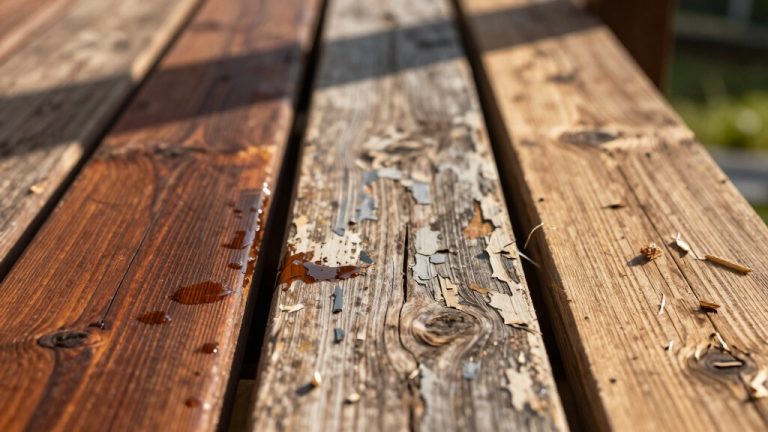

How Long Will a Cedar Deck Last: Full Guide?
You can expect your cedar deck to last 15 to 20 years with regular care, and up to 30 years if you maintain it consistently. Without upkeep or in harsh conditions, its lifespan may drop to 8–12 years.
Proper installation, drainage, and climate exposure impact longevity more than wood type alone. Cedar resists rot and insects above ground but requires routine sealing and cleaning.
Understanding installation, weather effects, and maintenance will help you maximize your deck’s durability.
Key Takeaways
- A cedar deck typically lasts 15–20 years with regular maintenance and proper care.
- Lifespan can extend to 20–30 years with consistent upkeep and ideal environmental conditions.
- Without maintenance or in harsh, damp climates, cedar decks may only last 8–12 years.
- Installation quality, drainage, and climate exposure impact cedar deck longevity more than wood type alone.
- Regular cleaning, sealing every 2–3 years, and prompt repairs significantly extend a cedar deck’s lifespan.
Typical Cedar Deck Lifespan: What To Expect

While cedar decks naturally resist rot and insects better than many woods, you can typically expect them to last between 15 to 20 years under normal conditions.
Cedar decks offer natural resistance to rot and insects, lasting 15 to 20 years under typical conditions.
With consistent maintenance, such as annual cleaning and sealing every 2 to 3 years, and proper site conditions like good drainage and ventilation, a cedar deck’s lifespan can extend to 20 or even 30 years.
Some exceptional cases last up to 40 years when rigorous upkeep and ideal environmental factors align.
Conversely, neglecting maintenance or situating the deck in damp or harsh climates may reduce longevity to 8 to 12 years.
Understanding these typical ranges helps you set realistic expectations and prioritize care.
This ensures your cedar deck performs at its best throughout its service life.
Routine cleaning and sealing play a crucial role in preserving the deck’s durability, similar to how maintaining a strong sealant layer extends the lifespan of cork flooring.
How Installation Choices Affect Cedar Deck Durability?
Choosing the right installation method materially impacts your cedar deck’s durability and lifespan. Proper installation minimizes moisture retention and structural stress, both critical for cedar’s longevity. Here’s what you need to focus on:
- Elevation and Drainage: Install the deck elevated above ground to prevent constant moisture exposure. This accelerates decay. Make certain sloped joists and gaps between boards promote water runoff and airflow.
- Fastening Techniques: Use corrosion-resistant fasteners to avoid rust stains and structural weakening. Avoid over-tightening screws that can crack cedar boards.
- Ventilation and Spacing: Maintain at least 1/8-inch spacing between boards and allow airflow beneath the deck. This reduces moisture accumulation that leads to rot and insect infestation.
Following these precise installation practices greatly extends your cedar deck’s service life while preserving its natural resistance to decay. Additionally, using corrosion-resistant fasteners like stainless steel or galvanized nails helps maintain both structural integrity and appearance over time.
Weather and Environmental Factors That Impact Cedar Deck Lifespan
Proper installation sets the foundation for your cedar deck’s durability. However, weather and environmental conditions play a significant role in determining its lifespan.
Constant exposure to moisture from rain or humidity accelerates wood decay and promotes fungal growth, reducing longevity. Prolonged sunlight and UV radiation cause surface drying, fading, and micro-cracking, weakening the wood fibers over time.
Areas with poor drainage or limited airflow trap moisture, increasing rot risk. Additionally, temperature fluctuations induce wood expansion and contraction, potentially causing warping or splitting.
You should also consider local pest activity, as insects can expedite deterioration despite cedar’s natural resistance. Understanding these environmental factors helps you anticipate maintenance needs and adjust care strategies to optimize your deck’s service life in your specific climate conditions.
Regular sealing and UV-protective coatings can significantly extend the lifespan and maintain the appearance of your deck by protecting against moisture and sun damage, making UV-protective coatings an essential part of cedar deck care.
Common Problems That Shorten Cedar Deck Lifespan
Neglecting key maintenance tasks can drastically shorten your cedar deck’s lifespan. Several common problems accelerate deterioration, leading to costly repairs or premature replacement. You need to be aware of these critical issues:
Ignoring essential maintenance speeds up cedar deck damage, causing costly repairs and early replacement.
- Moisture Accumulation: Poor drainage or constant wetness promotes wood rot and fungal growth. This weakens the structure over time.
- UV Damage: Prolonged sun exposure breaks down wood fibers, causing surface cracking, fading, and splintering. This reduces durability.
- Insect Infestation: Without protective measures, pests like termites and carpenter ants can compromise cedar’s natural resistance. This accelerates decay.
Addressing these problems early is essential to prevent structural failures. Each factor intensifies wear, reducing your deck’s service life well below the typical 15 to 20 years expected under normal conditions. Applying a penetrating oil-based sealer can significantly enhance moisture resistance and UV protection, extending the life of your cedar deck.
Maintenance Tips To Extend Your Cedar Deck’s Life
To extend the life of your cedar deck, it’s a good idea to set up an annual cleaning routine.
This helps remove dirt, mildew, and debris, which can trap moisture and lead to damage. Plus, who doesn’t love a clean deck?
Every 2 to 3 years, make sure to apply a high-quality sealant or stain.
This not only protects the wood but also keeps it looking fresh and appealing. Trust me, a little upkeep goes a long way!
By sticking to these simple practices, you’ll significantly reduce the chances of decay and surface wear over time.
Your deck will thank you for it!
Additionally, cedar’s high lignin content helps it resist decay longer, making maintenance even more effective.
Annual Cleaning Routine
Regularly cleaning your cedar deck each year is essential to preserving its structural integrity and appearance. Dirt, mildew, and debris trap moisture, accelerating wood decay and surface deterioration.
You should focus on these key steps:
- Remove debris: Use a broom or blower to clear leaves and dirt, preventing moisture retention.
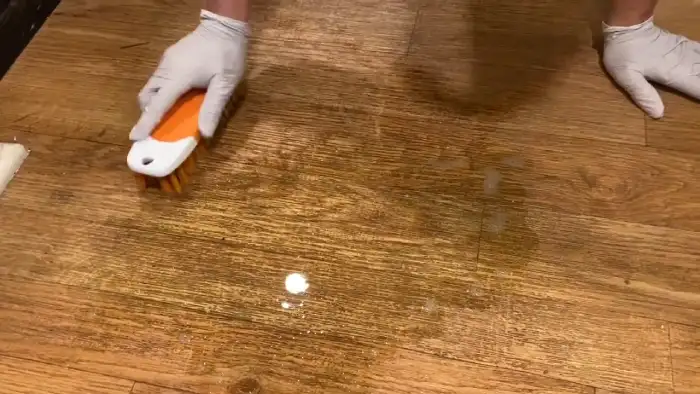
- Scrub surfaces: Apply a mild wood cleaner with a soft brush to eliminate mildew and stains without damaging the wood fibers.
- Rinse thoroughly: Use a garden hose with moderate pressure to wash away cleaning agents and loosened debris, ensuring complete removal.
Avoid harsh chemicals or high-pressure washing, which can erode the cedar’s natural protective layer.
This annual cleaning routine reduces moisture buildup and helps maintain the wood’s natural defenses. Additionally, inspecting for signs of wear and applying a water-repellent preservative can further extend the deck’s lifespan.
Ultimately, it extends your deck’s lifespan and preserves its aesthetic appeal.
Regular Sealing Schedule
Applying a quality sealant every 2 to 3 years markedly enhances your cedar deck’s resistance to moisture, UV damage, and wear.
This regular sealing schedule helps maintain the wood’s structural integrity and natural appearance by forming a protective barrier that minimizes water absorption and sun-induced degradation.
Before sealing, make sure the deck is clean and dry to maximize adhesion and effectiveness.
Use a penetrating, breathable sealant designed specifically for cedar to allow moisture vapor to escape, preventing internal decay.
Monitor the deck’s surface annually for signs of fading or water beading loss, which indicate the need for resealing.
Consistent sealing, combined with routine cleaning and inspections, greatly extends your cedar deck’s lifespan, promoting durability and reducing the risk of costly repairs.
Since cedar contains volatile oils that can affect its flammability, proper sealing also helps reduce the risk associated with cedar’s flammable properties.
Cedar vs Pressure-Treated Decks: Lifespan and Care Compared
When you’re looking at cedar versus pressure-treated decks, there’s a lot to consider.
Cedar usually lasts about 15 to 20 years if you take care of it, while pressure-treated wood tends to hold up better, especially in situations where it’s in contact with the ground.
Now, cedar is great because it typically requires less frequent maintenance, which is a big plus if you’re looking for something easier to care for.
But don’t forget—both types of decks need regular attention. You’ll want to seal them, clean them, and inspect them regularly if you want them to last as long as possible.
Understanding these differences can really help you plan out a care routine.
Just think about where your deck will be and how it will be used, and you’ll be able to maximize its durability!
Also, using proper techniques and tools for surface preparation before sealing can significantly extend the life of your deck materials.
Lifespan Differences Overview
Choosing between cedar and pressure-treated wood for your deck often hinges on understanding their lifespan differences and maintenance demands.
Cedar typically lasts 15 to 20 years under normal conditions, extending up to 30 years with consistent care and favorable climate.
Pressure-treated wood usually offers longer ground-contact durability due to chemical preservatives but may require more frequent upkeep above ground.
Consider these key lifespan distinctions:
- Cedar excels above ground with natural rot and insect resistance, lasting 20+ years when maintained.
- Pressure-treated decks resist ground moisture better, enabling lifespans beyond 30 years in direct soil contact.
- Both materials’ longevity depends heavily on quality installation, drainage, and climate exposure rather than wood type alone.
Additionally, proper maintenance and avoidance of chemical contamination during treatment are essential to preserve wood integrity and prevent soil and plant health issues related to chemical treatments.
Understanding these factors helps you choose a deck material aligned with your environmental conditions and long-term goals.
Maintenance Requirements Compared
Understanding the lifespan differences between cedar and pressure-treated wood naturally leads to examining their maintenance demands, which directly affect durability and appearance.
Cedar requires annual cleaning and sealing every 2-3 years to maintain its natural resistance and prevent moisture damage.
Pressure-treated decks need more frequent inspections for fastener corrosion and may require additional treatments to combat surface wear.
Proper upkeep extends lifespan for both.
| Maintenance Aspect | Cedar Decks | Pressure-Treated Decks |
|---|---|---|
| Cleaning Frequency | Annually | Annually |
| Sealing/Staining | Every 2-3 years | Optional, depends on exposure |
| Fastener Inspection | Routine | More frequent, corrosion risk |
| Insect & Rot Resistance | Naturally moderate | High due to preservatives |
Both need consistent care, but cedar often demands less chemical treatment. Pressure-treated wood’s enhanced decay and insect resistance typically allows it to withstand harsher outdoor conditions with less frequent replacement.
Signs Your Cedar Deck Needs Repair or Replacement
Although cedar decks are known for their durability, certain signs clearly indicate when repair or replacement becomes necessary. Identifying these signs early helps prevent structural failure and costly replacements.
- Visible Rot and Soft Spots: When boards feel spongy or show significant rot, the wood’s integrity is compromised. This signals immediate repair or replacement needs.
- Warping and Cracking: Excessive warping or deep cracks reduce load-bearing capacity. These pose safety hazards, necessitating prompt action.
- Loose Fasteners and Structural Movement: Nails or screws pulling out, combined with noticeable deck movement underfoot, indicate weakened connections. These require repair.
Monitoring these indicators guarantees you maintain your deck’s safety and longevity. This keeps it functional and attractive while avoiding advanced deterioration.
Cedar Deck Lifespan By Maintenance Level: Realistic Expectations
Extending your cedar deck’s lifespan hinges largely on the level of maintenance you provide. Without upkeep, expect 8 to 12 years due to accelerated decay from moisture and wear.
With basic care, such as annual cleaning and sealing every 2 to 3 years, you can realistically achieve 15 to 20 years. Consistent, thorough maintenance, including inspections, prompt repairs, and ensuring proper ventilation, can extend your deck’s life to 20 to 30 years.
In exceptional cases with meticulous annual maintenance, high-quality finishes, and favorable environmental conditions, cedar decks may last up to 40 years. Remember, neglect shortens durability while regular protective measures preserve cedar’s natural rot and insect resistance.
This maintenance helps maintain structural integrity and appearance over time. Your commitment to maintenance directly determines your deck’s practical longevity.
Frequently Asked Questions
Can Cedar Deck Boards Be Recycled or Repurposed After Removal?
Yes, you can recycle or repurpose cedar deck boards after removal.
Cedar’s natural durability and resistance to rot make it ideal for reuse in outdoor furniture, garden beds, or smaller construction projects.
Before repurposing, inspect boards for damage, remove nails, and clean off old finishes.
If recycling, check local facilities for wood acceptance policies, as untreated cedar is often recyclable.
Repurposing extends the wood’s life and reduces waste effectively.
What Types of Finishes Work Best on Cedar Decks?
You’ll find that penetrating oil-based stains work best on cedar decks, preserving natural rot resistance while sealing moisture.
Studies show decks sealed every 2 to 3 years can extend lifespan by up to 30%.
Transparent or semi-transparent stains maintain cedar’s aesthetic and allow wood breathing, preventing peeling.
Avoid thick film-forming finishes, which trap moisture.
Regular application secures UV protection and reduces surface breakdown, keeping your cedar deck durable and visually appealing.
How Does Cedar Deck Cost Compare to Other Wood Types?
Cedar decks typically cost more upfront than pressure-treated wood but less than exotic hardwoods like ipe or mahogany.
You’ll pay a premium for cedar’s natural aesthetics and rot resistance. However, its lower maintenance requirements can save you money over time compared to some woods needing frequent treatments.
When budgeting, consider cedar’s balance of moderate initial cost and durability. This often makes it a cost-effective choice for above-ground decking projects.
Are There Eco-Friendly Treatments for Cedar Decks?
Yes, you can use eco-friendly treatments for cedar decks.
Look for water-based sealers and stains with low VOCs to minimize environmental impact.
Natural oils like tung or linseed oil provide protection while being biodegradable.
These treatments maintain cedar’s natural resistance without harmful chemicals.
Just remember, eco-friendly options might require more frequent application to keep your deck protected and looking great over time.
Can Cedar Decks Be Safely Pressure Washed Without Damage?
Yes, you can safely pressure wash cedar decks if you keep the pressure below 1200 psi to avoid damaging the softwood fibers.
Use a fan tip nozzle, hold the wand 12-18 inches away, and spray along the grain to prevent splintering.
Over 40% of surface damage on cedar decks results from improper pressure washing.
Always test a small area first and avoid repeated passes to preserve the wood’s integrity and appearance.
Protect Your Cedar Deck With Regular Maintenance
To truly treasure your cedar deck’s timelessness, tackle timely tasks and trust thoughtful treatments.
Weather wear, wood warping, and waning finishes won’t win when you wisely work with maintenance.
Whether you choose cedar’s natural charm or compare it cautiously to pressure-treated options, consistent care and careful consideration will considerably extend your deck’s durability.
Stay sharp, spot signs swiftly, and sustain your structure’s strength to savor a sturdy, stunning space season after season.