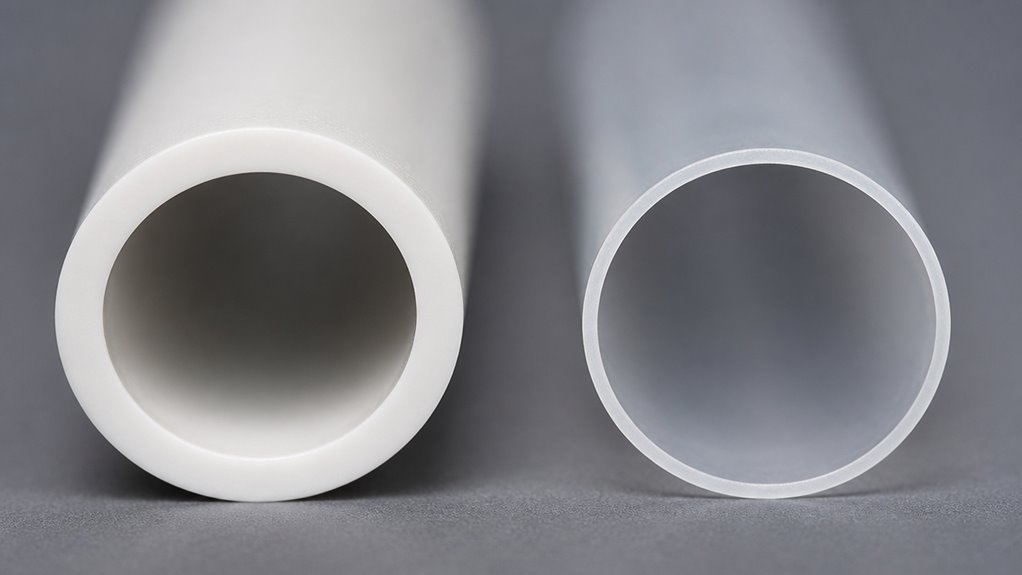
SDR 26 vs SDR 35: Which Should You Use?
When choosing between SDR 26 and SDR 35 pipes, consider your project’s load and burial depth.
SDR 26 has thicker walls and higher stiffness, making it suitable for deep burial and heavy traffic conditions.
SDR 35 offers thinner walls and greater flexibility, ideal for shallow, low-load applications like gravity sewers.
While SDR 26 costs more upfront, it delivers enhanced durability under stress.
Understanding these differences helps you match pipe performance to site demands and budget constraints, with further details clarifying most appropriate use cases.
Key Takeaways
- SDR 26 has thicker walls than SDR 35, providing greater pipe stiffness and resistance to deformation and crushing.
- SDR 26 is suitable for deeper burial and heavy traffic loads, while SDR 35 suits shallow, low-load installations.
- SDR 35 offers easier handling and flexibility, making it preferable for quick, cost-effective shallow applications.
- SDR 26’s higher material and installation costs are justified by its durability and performance in demanding conditions.
- Choosing between SDR 26 and SDR 35 depends on project load, burial depth, budget, and longevity requirements.
SDR 26 vs SDR 35 Comparison: Pipe Strength, Burial Depth, and Cost
| Comparison Point | SDR 26 Pipe | SDR 35 Pipe | Best Choice |
|---|---|---|---|
| Wall Thickness | Has thicker walls for stronger pipe structure | Has thinner walls and uses less material | SDR 26 for added strength |
| Pipe Stiffness | Offers higher stiffness, around 115 psi at 5% deflection | Lower stiffness, around 46 psi at 5% deflection | SDR 26 for load resistance |
| Burial Depth | Better for deeper burial and higher soil pressure | Better for shallow burial applications | SDR 26 for deep trenches |
| Traffic Load | Handles driveways, parking lots, and heavier external loads | Best for non-traffic or low-load areas | SDR 26 for heavy loads |
| Flexibility | More rigid and needs careful handling | More flexible and easier to align during installation | SDR 35 for easy handling |
| Installation Ease | May require more care, labor, and handling support | Easier to install because of lighter, thinner walls | SDR 35 for fast installation |
| Material Cost | Higher upfront cost due to more pipe material | Lower upfront cost because it uses less material | SDR 35 for budget savings |
| Durability | Stronger against crushing, deformation, and stress | Durable enough for light-duty drainage and sewer use | SDR 26 for long-term durability |
| Best Use Case | Deep burial, heavy soil loads, driveways, commercial areas | Gravity sewers, shallow drainage, low-load residential areas | Match to site conditions |
| Overall Value | Best when strength and lifespan matter most | Best when cost and easy installation matter most | Choose by load and depth |
Understanding SDR 26 and SDR 35 Pipe Wall Thickness

When comparing SDR 26 and SDR 35 pipes, the key factor you need to focus on is wall thickness. It directly influences the pipe’s structural integrity.
SDR, or Standard Dimension Ratio, is the ratio of pipe outside diameter to wall thickness. A lower SDR means a thicker wall. For the same nominal diameter, SDR 26 pipes have markedly thicker walls than SDR 35.
For example, a 6-inch SDR 26 pipe has a 0.241-inch wall thickness, while SDR 35’s is only 0.180 inches. This difference enhances SDR 26’s resistance to external loads.
SDR 35 pipes use less material, reducing cost but lowering durability. Understanding these thickness distinctions is imperative for selecting pipes based on load requirements and installation environments.
Comparing Pipe Stiffness: SDR 26 vs SDR 35 Pipes
Evaluating pipe stiffness is crucial for selecting the right SDR for your project, as it directly impacts how well pipes withstand external forces.
Between SDR 26 and SDR 35, stiffness differs markedly due to wall thickness variation. SDR 26 pipes have thicker walls, resulting in a minimum pipe stiffness rating of 115 psi at 5% deflection.
In contrast, SDR 35 pipes rate at 46 psi under the same conditions. This means SDR 26 pipes resist deformation and crushing more effectively, making them suitable for higher load environments.
Conversely, SDR 35 pipes offer less stiffness but use less material, providing cost and flexibility advantages.
When comparing stiffness, you must weigh the trade-offs between structural strength and material efficiency to guarantee the pipe meets your project’s load demands without unnecessary expense.
How Burial Depth and Load Affect Your SDR Pipe Choice?
Understanding how burial depth and external load influence your SDR pipe choice builds directly on the differences in stiffness between SDR 26 and SDR 35.
When you install pipe deeper underground, soil pressure and potential traffic loads increase, demanding greater pipe stiffness to prevent deformation or crushing.
SDR 26, with its thicker walls and minimum 115 psi stiffness at 5% deflection, suits these conditions better than SDR 35, which offers only 46 psi stiffness.
Conversely, for shallow burial with minimal loading, SDR 35’s thinner walls and lower cost may suffice.
You must analyze your project’s maximum anticipated load and burial depth to select the appropriate SDR rating.
Ignoring these factors risks pipe failure or unnecessary expense.
Calibrate your SDR choice carefully to maintain structural integrity and cost-effectiveness.
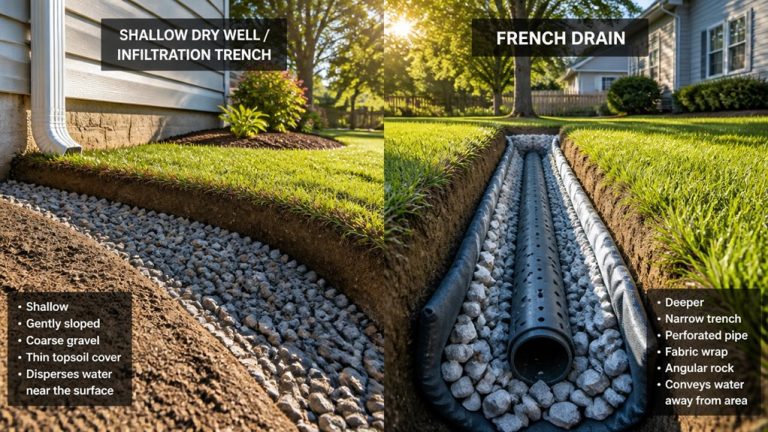
Additionally, proper installation with careful grading and slope control improves the long-term durability of drainage pipes.
Typical Applications for SDR 26 and SDR 35 Pipes
You’ll often see SDR 35 pipes used for shallow burial and low-load drainage systems, especially in gravity sewer setups. They’re great because their thinner walls make them more cost-effective.
On the other hand, SDR 26 pipes are the way to go if you need something sturdier. With thicker walls and greater stiffness, they’re perfect for deeper burial or areas that need to handle heavier loads, like driveways and commercial parking lots. Proper storage conditions for these pipes can significantly affect their long-term durability and performance.
Common Usage Scenarios
Pipes with SDR 26 and SDR 35 ratings serve distinct roles depending on site conditions and load requirements.
You’ll find SDR 35 ideal for gravity sewer and drainage systems in shallow, low-traffic areas due to its thinner wall and cost efficiency.
Conversely, SDR 26’s thicker wall provides enhanced stiffness, making it suitable for deeper burial, driveways, and commercial parking areas where external loads are higher.
When you select SDR 26, you get greater resistance to crushing and deformation, which is critical under heavy soil or traffic loads.
SDR 35 offers better flexibility and lower cost but compromises on durability.
Proper selection and maintenance according to external load resistance ensures longer pipe life and performance.
Load and Burial Considerations
When dealing with varying soil loads and burial depths, selecting between SDR 26 and SDR 35 hinges on their respective structural capabilities.
SDR 26, with its thicker walls and minimum pipe stiffness of 115 psi at 5% deflection, withstands heavier soil and traffic loads. This makes it ideal for deep burial or areas like driveways and commercial parking.
SDR 35’s thinner walls and lower stiffness rating of 46 psi suit shallow burial and low-load applications, such as gravity sewer systems in non-traffic zones.
While SDR 35 offers cost and installation flexibility advantages, it lacks the durability required for high external loads.
You’ll need to balance these factors carefully, prioritizing load resistance and burial depth for long-term performance and structural integrity in your pipe selection.
Additionally, ensuring proper moisture control around buried pipes is crucial to maintain their structural integrity and prevent premature deterioration.
Choosing Between SDR 26 and SDR 35 Pipes: Key Factors
Although both SDR 26 and SDR 35 pipes serve well in gravity-flow sewer and drainage systems, selecting the right one hinges on factors like expected external loads, burial depth, and budget constraints.
You’ll want to weigh these considerations carefully:
- Load Resistance: SDR 26’s thicker walls provide higher stiffness (115 psi) than SDR 35 (46 psi), vital for heavy traffic or deep burial.
- Material Cost: SDR 35 uses less material, lowering upfront expenses, ideal for shallow, low-load areas.
- Durability vs. Flexibility: SDR 26 offers enhanced durability but demands precise handling. SDR 35 is more flexible during installation.
- Application Environment: Choose SDR 26 for deep trenches or commercial zones. SDR 35 suits shallow, non-traffic installations.
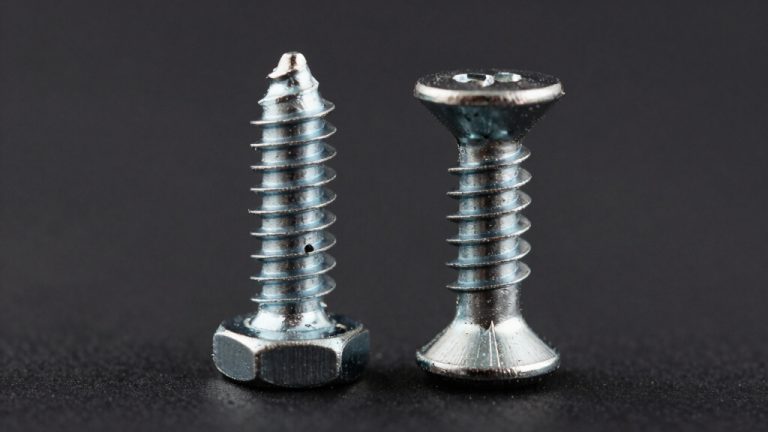
Additionally, just as selecting the right screw size and corrosion resistance is crucial for fence stability, choosing pipes with appropriate load resistance and durability ensures long-lasting infrastructure performance.
Installation Considerations for SDR 26 and SDR 35 Pipes
When you’re planning an installation, one of the key things to consider is the burial depth. SDR 26 is designed to handle deeper trenches more effectively than SDR 35, which is pretty important depending on your project needs.
Now, let’s talk about flexibility. SDR 35 really shines here—it’s easier to handle, which can save you some valuable labor time during installation. That’s definitely something to keep in mind!
Lastly, let’s not forget about costs. While SDR 35 might be cheaper upfront, don’t overlook SDR 26’s durability. In the long run, it could actually save you money on maintenance and replacements. So, balancing these factors will help you make the best choice for your project.
Burial Depth Requirements
In evaluating burial depth requirements for SDR 26 and SDR 35 pipes, you must carefully consider the structural capabilities each pipe offers under soil and traffic loads.
SDR 26’s thicker walls and higher stiffness rating (115 psi) make it suitable for deeper burial depths and heavier loading scenarios, such as driveways or commercial areas.
Conversely, SDR 35’s thinner walls and lower stiffness (46 psi) limit its use to shallow, non-traffic installations.
Keep these critical points in mind:
- SDR 26 withstands greater external pressures, allowing deeper trenches without deformation.
- SDR 35 is ideal for shallow, low-load installations due to cost-efficiency.
- Increasing burial depth demands higher pipe stiffness to prevent crushing.
- Selecting the correct SDR mitigates costly repairs from premature pipe failure.
For long-term durability and resistance to environmental stressors, consider materials with waterproof core materials that provide enhanced protection against moisture and soil conditions.
Handling and Flexibility
Because SDR 35 pipes have thinner walls, they offer greater flexibility and easier handling during installation compared to the thicker, stiffer SDR 26 pipes.
When you install SDR 35, you’ll find it bends slightly under stress, simplifying alignment in trenches.
SDR 26’s rigidity demands more effort and precautions to avoid cracking during handling.
However, SDR 26’s stiffness enhances durability post-installation.
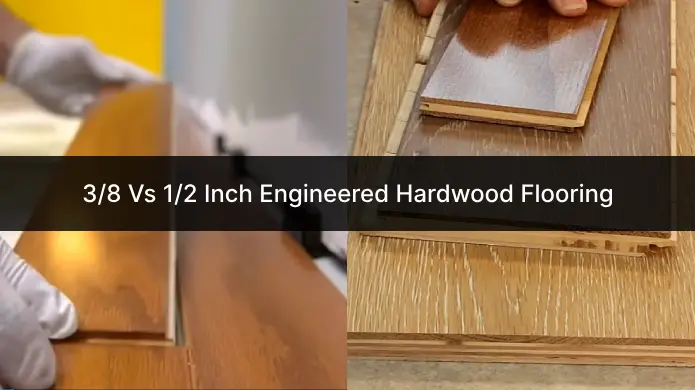
Proper material thickness selection is crucial for long-term performance and resistance to damage during use.
| Feature | SDR 26 | SDR 35 |
|---|---|---|
| Wall Thickness | Thicker (e.g., 0.404 in) | Thinner (e.g., 0.300 in) |
| Flexibility | Lower | Higher |
| Handling Effort | Higher | Lower |
| Risk of Damage | Higher during bending | Lower |
| Installation Ease | Moderate to Difficult | Easier |
Choose based on your site’s handling capacity and flexibility needs.
Installation Cost Impact
Although SDR 26 pipes require more careful handling due to their rigidity, this characteristic directly influences installation costs by increasing labor time and the need for specialized equipment.
Compared to SDR 35, which offers greater flexibility and easier manipulation, SDR 26 demands meticulous placement to avoid damage.
When evaluating installation cost impact, consider these factors:
- Increased labor hours for precise alignment and jointing.
- Necessity for heavier machinery or tools to manage stiffness.
- Potential for slower project timelines due to handling complexity.
- Higher upfront material and transportation costs due to thicker walls.
You’ll find that while SDR 26’s durability justifies these costs in demanding conditions, SDR 35’s ease of installation suits projects prioritizing speed and budget. Proper preparation and the use of appropriate tools can help mitigate some of the installation challenges associated with SDR 26.
Cost Differences Between SDR 26 and SDR 35 Pipes
Understanding the cost differences between SDR 26 and SDR 35 pipes hinges on their material usage and performance demands. SDR 26 pipes have thicker walls, requiring more raw material, which increases their price. In contrast, SDR 35 pipes have thinner walls, reducing production costs and making them more economical.
Your choice affects not only upfront cost but also long-term durability under load.
| Pipe Size (inch) | SDR 26 Wall Thickness (in) | SDR 35 Wall Thickness (in) | Cost Impact | Typical Use Case |
|---|---|---|---|---|
| 4 | 0.162 | 0.120 | SDR 26: Higher | Deep burial, heavy loads |
| 6 | 0.241 | 0.180 | SDR 35: Lower | Shallow, low load |
| 8 | 0.323 | 0.240 | SDR 26: Higher | Commercial parking |
| 10 | 0.404 | 0.300 | SDR 35: Lower | Gravity sewer |
| 12 | 0.481 | 0.360 | SDR 26: Higher | Driveway installations |
Additionally, ensuring the material is properly treated, such as kiln-dried wood, can significantly enhance durability and performance under varying environmental conditions.
When to Choose SDR 35 for Drainage and Gravity Flow?
You should consider choosing SDR 35 for drainage and gravity flow when you’re planning to install the pipe in shallow burial conditions with minimal external loads. It’s a great option because its thinner wall means it uses less material, which helps keep costs down.
Plus, it doesn’t compromise on performance in low-pressure environments. This makes SDR 35 a nice fit for projects where sticking to a budget and ensuring easy installation are top priorities, rather than having to worry about heavy load resistance.
For best results, ensure you use proper measurement tools and techniques to achieve accurate pipe lengths and clean cuts before installation.
Shallow Burial Suitability
When installing drainage or gravity flow pipes in shallow burial conditions, choosing SDR 35 often makes sense due to its thinner wall and lower cost.
You’ll benefit from its adequate stiffness for shallow depths without the excess material expense of SDR 26. SDR 35 suits applications where soil load and traffic stress are minimal.
Consider these factors when selecting SDR 35 for shallow burial:
- Soil cover is light, minimizing external pressure.
- No heavy vehicle or equipment traffic above the pipe.
- Installation depth remains within recommended shallow limits.
- Project budget prioritizes cost-efficiency without compromising performance.
Cost-Effective Material Use
Opting for SDR 35 in drainage and gravity flow systems optimizes material use by balancing adequate structural performance with cost efficiency.
Since SDR 35 pipes have thinner walls than SDR 26, they consume less material, which directly reduces procurement costs without markedly compromising performance in low-pressure, shallow burial applications.
You should choose SDR 35 when the external loads are minimal, such as in residential drainage or gravity sewer lines with shallow cover.
The lower stiffness rating (46 psi vs. 115 psi for SDR 26) is acceptable in these conditions, allowing you to save on material expenses while maintaining functional integrity.
However, avoid SDR 35 in scenarios demanding higher load resistance or deeper burial, where the thicker, stiffer SDR 26 offers necessary durability despite increased cost.
Why SDR 26 Is Best for Heavy Loads and Deep Burial?
Selecting SDR 26 guarantees superior structural integrity under heavy loads and deep burial conditions due to its thicker wall construction compared to SDR 35.
This thickness markedly enhances pipe stiffness and resistance to deformation, making SDR 26 ideal for demanding environments.
When you choose SDR 26, you benefit from:
- Higher minimum pipe stiffness (115 psi vs. 46 psi), ensuring less deflection under pressure.
- Improved durability against crushing from soil and traffic loads.
- Suitability for deep trench installations and heavy-traffic areas like driveways and parking lots.
- Enhanced long-term reliability in conditions where structural failure risks escalate.
Balancing Budget and Performance in SDR Pipe Selection
Understanding the superior strength of SDR 26 for heavy loads and deep burial helps clarify why it often commands a higher price point compared to SDR 35.
When you select between these SDRs, you must weigh material costs against structural demands. SDR 26’s thicker walls and 115 psi stiffness rating justify its premium, especially under deep soil and traffic loads.
Choosing SDR 26 means balancing higher material costs with superior strength for demanding soil and traffic conditions.
Conversely, SDR 35’s thinner walls lower material expenses and ease installation, making it ideal for shallow, low-load applications.
To balance budget and performance, assess your project’s load conditions, burial depth, and longevity requirements.
If durability under stress is critical, invest in SDR 26. If cost-efficiency and flexibility suffice, SDR 35 can meet standards without unnecessary expense.
Your choice hinges on optimizing these trade-offs efficiently.
Frequently Asked Questions
Can SDR 26 or SDR 35 Pipes Be Recycled After Use?
Yes, you can recycle both SDR 26 and SDR 35 pipes after use since they’re typically made from polyethylene, which is recyclable.
However, you’ll need to guarantee the pipes are clean and free of contaminants before recycling.
Their wall thickness differences don’t affect recyclability.
Thicker SDR 26 pipes contain more material. Proper sorting and processing at recycling facilities help you recover valuable plastic for reuse, supporting sustainability and reducing waste.
What Are the Environmental Impacts of Manufacturing SDR 26 vs SDR 35?
You’ll find manufacturing SDR 26 pipes has a higher environmental impact than SDR 35 due to increased raw material consumption and energy use from thicker walls.
This means more plastic resin and longer processing times, raising carbon emissions and resource depletion.
However, SDR 26’s durability might reduce replacement frequency, partially offsetting initial environmental costs.
Balancing upfront impacts with lifecycle benefits is key when choosing between these pipe types.
How Do SDR 26 and SDR 35 Pipes Perform in Extreme Temperatures?
You’ll find both SDR 26 and SDR 35 pipes handle extreme temperatures well, given their typical HDPE material.
SDR 26, with its thicker wall, offers slightly better resistance to thermal deformation and maintains stiffness under cold conditions.
SDR 35, being thinner, has more flexibility but may soften at very high temperatures sooner than SDR 26.
For precise performance, check manufacturer specs, but generally, SDR 26 suits harsher thermal environments better.
Are There Differences in Chemical Resistance Between SDR 26 and SDR 35?
You won’t find significant chemical resistance differences between SDR 26 and SDR 35 pipes because they’re typically made from the same base material, like HDPE.
Chemical resistance depends mainly on the polymer type rather than wall thickness.
However, since SDR 26 has a thicker wall, it may endure longer in harsh chemical environments by offering added protection against permeation or mechanical damage.
The inherent chemical resistance remains fundamentally the same.
Can SDR 26 or SDR 35 Pipes Be Used for Potable Water Systems?
Imagine clear water flowing through pipes designed for safety.
Both SDR 26 and SDR 35 pipes can be used in potable water systems if they meet relevant NSF/ANSI standards and are made from approved materials like PE or PVC.
You’ll want to confirm certification for drinking water use, as wall thickness alone doesn’t determine suitability.
Proper installation and compliance with local codes guarantee the water remains safe and uncontaminated.
Final Verdict on SDR 26 vs SDR 35
Choosing between SDR 26 and SDR 35 pipes is like selecting the right armor for your mission. SDR 26 offers reinforced protection for heavy loads and deep burial.
SDR 35 provides lighter defense suited for shallow, less demanding environments. You must weigh your project’s terrain and threats carefully, balancing cost and performance with precision.
Ultimately, your pipe choice becomes the strategic shield that guarantees long-term structural integrity under pressure.