What Is Sch 40 PVC Pipe? Uses and Benefits
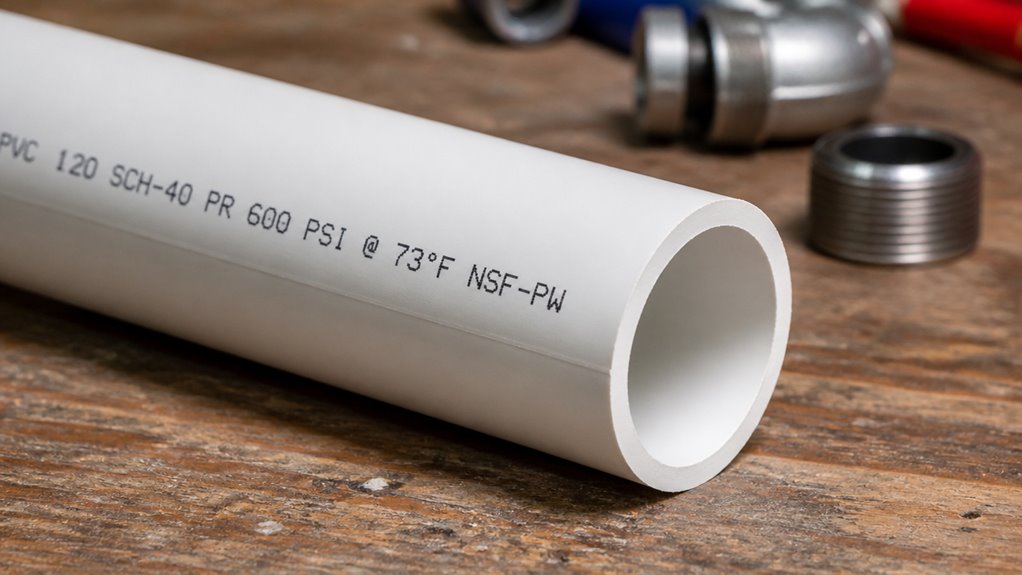
You’ll find Sch 40 PVC pipe is a standardized plastic pipe designed with specific wall thicknesses, ensuring reliable pressure and drainage performance.
Its schedule number specifies wall thickness, not diameter, so it suits various flow and space requirements.
It handles pressures up to several hundred psi, depending on size, but must stay below 140°F to prevent weakening.
Selecting the right size, fittings, and verifying compatibility is essential for durability.
Understanding these fundamentals will clarify its best applications and installation practices.
Key Takeaways
- Sch 40 PVC pipe has standardized Schedule 40 wall thickness designed for pressure and drainage applications.
- Its schedule number indicates wall thickness, not the pipe’s diameter or size.
- Pressure ratings vary by diameter, with smaller pipes handling higher pressures, e.g., 1/2″ at 600 psi and 2″ at 280 psi.
- It is commonly used for irrigation, cold water supply, underground sprinkler systems, and swimming pool plumbing.
- Operating temperature should not exceed 140°F to maintain material integrity and pressure capacity.
What Is Sch 40 PVC Pipe and Why It Matters?
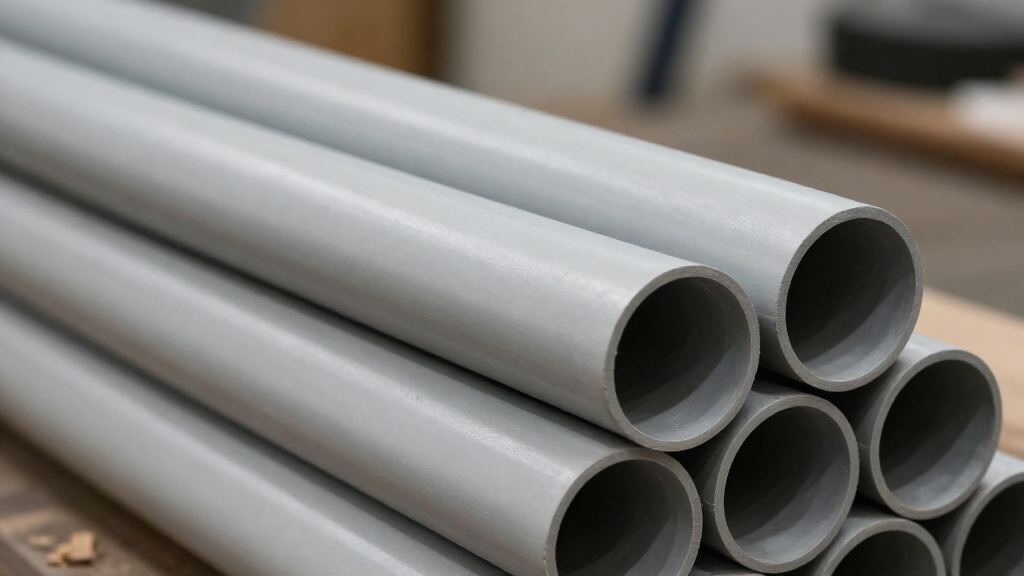
Sch 40 PVC pipe refers to polyvinyl chloride piping manufactured to Schedule 40 wall thickness standards, which define its pressure capacity and durability.
Sch 40 PVC pipe is made to Schedule 40 standards, ensuring reliable pressure capacity and durability.
When you select this pipe, you’re choosing a product engineered for reliable performance in pressure and drainage systems.
The schedule number specifically indicates wall thickness, not pipe diameter, so understanding this distinction guarantees you apply the pipe correctly.
You’ll find Sch 40 PVC commonly used in irrigation, water supply, and swimming pool plumbing due to its high impact and tensile strength.
Keep in mind, its pressure rating varies by diameter and is only suitable for temperatures up to 140°F.
Schedule 40 pipes have thicker walls than SDR 35, providing enhanced structural strength and suitability for higher pressure and load-bearing applications.
Sch 40 PVC Pipe Sizes and Dimensions Explained
When selecting PVC pipe for your project, understanding the exact sizes and dimensions is essential to guarantee proper fit and function. Sch 40 PVC pipes have standardized outside diameters (OD) and inside diameters (ID) that differ from nominal sizes. This distinction secures compatibility with fittings and system requirements.
Below is a summary of common Sch 40 PVC pipe dimensions:
| Nominal Size (in) | Outside Diameter (in) | Inside Diameter (in) |
|---|---|---|
| 1/2 | 0.840 | 0.602 |
| 1 | 1.315 | 1.049 |
| 2 | 2.375 | 2.067 |
| 3 | 3.500 | 3.068 |
Familiarizing yourself with these measurements provides accuracy in design and installation. Proper measurement tools and techniques are crucial to ensure precise cutting and fitting of PVC pipes.
Sch 40 PVC Pipe Pressure Ratings: What You Should Know
When working with Sch 40 PVC pipe, it’s really important to consider the pressure limits based on the pipe’s diameter. You might be surprised to learn that smaller pipes can actually handle significantly higher pressures compared to larger ones.
And let’s not forget about temperature! The pressure ratings can drop when you’re operating close to that 140°F maximum. So, it’s crucial to keep these factors in mind to ensure your system stays safe and intact. Additionally, understanding the impact of wall thickness on pipe strength helps optimize pressure performance and durability.
Pressure Limits by Diameter
Several factors influence the pressure limits of Schedule 40 PVC pipes, with diameter being a primary determinant. As diameter increases, the pressure rating decreases due to the reduced structural capacity to withstand internal stress.
When selecting Sch 40 PVC pipe for your project, you must consider this relationship to ensure safety and performance. Proper surface preparation can help maintain the integrity of pipe installations under pressure.
| Nominal Diameter | Pressure Limit (psi) |
|---|---|
| 1/2 inch | 600 |
| 1 inch | 450 |
| 2 inch | 280 |
This table highlights how a smaller diameter pipe withstands higher pressures. Always verify the pressure limits corresponding to the specific pipe diameter you plan to use, as exceeding these limits can compromise system integrity.
Temperature Impact on Pressure
Although Sch 40 PVC pipe offers robust pressure resistance, its pressure rating substantially decreases as operating temperatures approach the material’s maximum limit of 140°F.
You must recognize that the pipe’s ability to withstand internal pressure diminishes markedly with temperature increases above standard room temperature (73°F).
For example, at 140°F, the pressure rating can drop to approximately 25% of its original rating at 73°F.
This reduction occurs due to the thermal softening of the PVC material, which compromises its structural integrity under pressure.
Consequently, when designing or selecting Sch 40 PVC pipe for systems exposed to elevated temperatures, you must adjust pressure ratings accordingly to maintain safety and performance.
Ignoring temperature effects can result in premature failure or hazardous conditions.
Additionally, PVC’s limited mechanical strength and temperature rating should be considered when used in demanding environments.
Where to Use Sch 40 PVC Pipe for Best Results?
When selecting Sch 40 PVC pipe for your project, focus on applications that operate within its pressure and temperature limits to guarantee peak performance.
Choose Sch 40 PVC pipe for projects within its pressure and temperature limits to ensure reliable performance.
You’ll find it ideal for cold water supply lines, irrigation systems, and underground sprinkler networks, where durability and corrosion resistance matter.
It performs well in swimming pool plumbing due to its strength and impact resistance.
Use Sch 40 PVC in pressure applications that don’t exceed the rated psi for the pipe diameter, making sure you match pressure fittings appropriately.
For drainage, select dual-marked Sch 40 pipe and pair it with DWV fittings.
Avoid applications involving high temperatures or pressures beyond the schedule’s rating.
Regular maintenance and inspection are essential to prevent issues like corrosion or obstructions that could affect system reliability.
Sch 40 PVC Pipe Durability and Temperature Limits
Sch 40 PVC pipe offers exceptional durability, making it a reliable choice for many plumbing applications.
You’ll find its high impact and tensile strength enable it to withstand mechanical stress and resist corrosion effectively.
However, it’s imperative to take into account temperature limits: Sch 40 PVC is rated for continuous use only up to 140°F.
Exceeding this temperature compromises its structural integrity, reducing pressure capacity and increasing the risk of deformation or failure.
When selecting Sch 40 PVC pipe, make certain your system’s operating temperature doesn’t surpass this threshold.
Additionally, pressure ratings vary by pipe diameter, so you must verify that both durability and temperature constraints align with your specific project requirements to guarantee safe and long-lasting performance.
To ensure longevity, it’s also beneficial to inspect regularly for any signs of damage or wear that could compromise the pipe’s effectiveness.
Choosing the Right Fittings for Sch 40 PVC Pipe
Maintaining the integrity of your Sch 40 PVC piping system requires selecting fittings that match the pipe’s pressure and application specifications.
Make sure you use fittings rated for Schedule 40 pressure to withstand the system’s maximum operating pressure, which varies by pipe diameter.
Avoid using DWV fittings in pressure systems, as they lack adequate strength and sealing capabilities.
Verify that the fittings’ nominal sizes correspond correctly to your pipe size, considering Sch 40’s specific outside diameters.
Use solvent cement compatible with pressure-rated PVC to achieve secure, leak-free joints.
Additionally, confirm that fittings meet temperature limitations, not exceeding 140°F, to prevent material degradation.
To ensure long-term performance, it is important to test fittings on a hidden spot before full installation to avoid damage or failure.
How to Select Sch 40 PVC Pipe for Your Project?
First off, you’ll want to figure out what size pipe you need. This depends on your project’s flow and how much space you have to work with.
Once you’ve got that down, take a moment to check the pressure rating for that diameter. You want to make sure it can handle the demands of your system.
Finally, consider how the pipe will be used. It’s important to confirm that it’s compatible with your specific pressure or drainage needs. That way, you can be sure everything will work smoothly!
Also, just like adhesives have a pressure rating that affects their performance, ensuring your pipe matches the pressure requirements helps avoid system failures.
Determine Required Pipe Size
Selecting the appropriate pipe size is essential to guarantee that your system can handle the required pressure and flow rate efficiently.
To determine the correct Sch 40 PVC pipe size, assess the flow demand and match it to the pipe’s inside diameter, not the nominal size. Remember, nominal size differs from actual dimensions and affects compatibility with fittings and pressure performance.
Use the table below to visualize typical Sch 40 PVC pipe dimensions:
| Nominal Size | Inside Diameter (inches) |
|---|---|
| 1/2 | 0.602 |
| 1 | 1.049 |
| 2 | 2.067 |
Choose a pipe size that meets your system’s hydraulic requirements while aligning with these standardized dimensions for optimal performance. Proper selection and installation techniques, similar to those used for concrete fastening, ensure durability and reliability in your piping system.
Check Pressure Rating
After determining the appropriate pipe size based on flow requirements and inside diameter, the next step involves verifying the pressure rating to guarantee safe and reliable operation.
Sch 40 PVC pipe pressure ratings vary inversely with diameter; smaller pipes withstand higher pressures. You must confirm the pressure rating matches or exceeds your system’s maximum working pressure to prevent failure.
Consider these key points when checking pressure ratings:
A 1/2-inch Sch 40 pipe is rated for 600 psi, while a 2-inch pipe drops to 280 psi. Larger diameters, like 12-inch, have ratings as low as 130 psi.
Ratings assume temperatures don’t exceed 140°F. Use pressure-specific fittings to maintain system integrity.
Always consult manufacturer specifications to ensure compliance with your project’s pressure demands.
Match Pipe To Application
When matching Sch 40 PVC pipe to your project, it’s essential to take into account the specific application requirements, including pressure, temperature, and fluid type.
You should verify the pipe’s pressure rating relative to the system’s operating pressure and guarantee the temperature does not exceed 140°F.
Also, confirm compatibility with the fluid to prevent chemical degradation. Using appropriate fittings, pressure or DWV, is vital for system integrity.
| Pipe Size | Max Pressure (psi) | Common Applications |
|---|---|---|
| 1/2 inch | 600 | Cold water, irrigation |
| 2 inch | 280 | Underground sprinkler |
| 12 inch | 130 | Large diameter drainage |
Selecting the correct pipe guarantees durability, safety, and compliance with system demands.
Frequently Asked Questions
Can Sch 40 PVC Pipe Be Painted or Coated for Aesthetics?
Yes, you can paint or coat Sch 40 PVC pipe for aesthetics. Before painting, clean the surface thoroughly and use a primer designed for plastic to guarantee proper adhesion.
Select a paint compatible with PVC, such as acrylic or latex-based paints. Avoid oil-based paints, which may cause the pipe to degrade.
Proper surface preparation and suitable materials will help maintain the pipe’s durability while improving its appearance.
How Do I Properly Cut and Join Sch 40 PVC Pipe?
To properly cut Sch 40 PVC pipe, use a fine-toothed saw or PVC cutter ensuring a straight, clean cut.
Deburr and chamfer the pipe end to prevent fitting damage.
For joining, apply a primer to both the pipe and fitting surfaces.
Then use PVC solvent cement evenly.
Quickly insert the pipe into the fitting with a slight twisting motion.
Hold for 30 seconds to bond, and allow curing per manufacturer instructions before pressure testing.
Is Sch 40 PVC Pipe Safe for Potable Drinking Water?
Sure, if you enjoy the thrilling taste of mystery chemicals, go ahead!
But seriously, Sch 40 PVC pipe is generally safe for potable drinking water, provided it’s rated NSF-61 or approved for drinking water use.
You need to verify the manufacturer’s certification and make certain the pipe isn’t exposed to temperatures above 140°F.
Always check product labels carefully.
Using unapproved PVC could risk contamination or health hazards.
What Are the Common Chemicals That Can Damage Sch 40 PVC?
You should avoid exposing Sch 40 PVC pipe to strong solvents like ketones, aromatics, and chlorinated hydrocarbons, as they can degrade the material.
Also, concentrated acids and bases may cause damage over time.
While PVC resists many chemicals, prolonged contact with substances such as acetone, benzene, and tetrahydrofuran can soften or weaken the pipe.
Always consult chemical compatibility charts before use to make certain your pipe’s integrity remains intact.
How Long Does Sch 40 PVC Pipe Typically Last Underground?
Coincidentally, if you install Sch 40 PVC pipe correctly underground, it can last 50 years or more. Its durability and corrosion resistance contribute to this impressive lifespan.
However, factors like soil conditions, exposure to chemicals, and mechanical stress can affect longevity. You should guarantee proper bedding and avoid sharp rocks or contaminants.
Regular inspections help detect damage early, but with proper care, Sch 40 PVC provides reliable underground service for decades.
What Is Sch 40 PVC Pipe? Final Answer
You might think Sch 40 PVC pipe is too rigid or limited for your project, but its precise pressure ratings and standardized dimensions guarantee reliable performance in various applications.
By understanding its durability and temperature limits, you can confidently select the right pipe and fittings to meet your needs.
Don’t overlook Sch 40 PVC pipe; it offers a balance of strength and versatility that makes it an excellent choice for both residential and commercial use.