
What Is the Best Depth for an Outdoor Bench? Guide
You’ll want an outdoor bench seat depth between 16 and 20 inches, depending on style, cushion thickness, and your height for proper thigh support and comfort.
Dining benches fit best at 16-18 inches, while casual or cushioned benches lean toward 18-20 inches.
Measure from the front edge to the backrest, subtracting cushion thickness to avoid perching.
Backless or lounging benches require different sizing approaches.
Understanding these details guarantees your bench balances ergonomic support with outdoor use. Exploring this further reveals how to tailor your ideal fit.
Key Takeaways
- Outdoor bench seat depth typically ranges from 18 to 20 inches for comfortable, relaxed seating with proper thigh support.
- Cushion thickness, usually 2 to 4 inches, must be considered to maintain effective seat depth and prevent perching.
- Backless outdoor benches generally have a seat depth between 15 and 18 inches to allow easy position shifting.
- Ensure 2 to 4 inches of clearance behind the knees to promote good posture and circulation on outdoor benches.
- Use weather-resistant materials and finishes to enhance durability and maintain seat depth comfort in outdoor environments.
Understanding Outdoor Bench Seat Depth and Its Importance

When you’re designing or choosing an outdoor bench, understanding seat depth is essential because it directly affects comfort and usability.
Knowing seat depth is key to ensuring your outdoor bench is both comfortable and functional.
Seat depth measures the distance from the front edge of the seat to the backrest, determining thigh support and backrest contact.
If the depth is too shallow, you’ll lose stability and adequate thigh support. If it’s too deep, shorter users must perch forward, losing backrest support and causing discomfort.
Ideally, you want about 2 to 4 inches of clearance behind the knees to maintain proper posture.
Accurately measuring this depth—not the total frame depth—and factoring in cushions guarantees the bench fits users well.
This precision is critical to balancing ergonomic support and the bench’s intended purpose, preventing discomfort and promoting extended use.
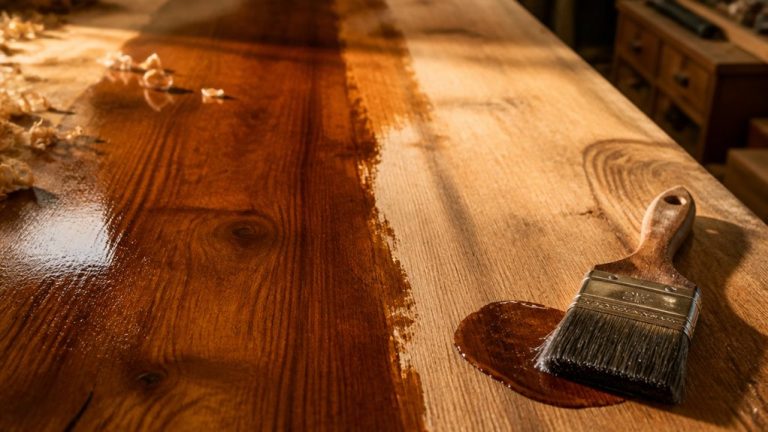
For maintaining the bench’s durability and appearance, regular cleaning and protective treatments similar to those used for wood floor maintenance, such as applying eco-friendly products, can be beneficial.
Ideal Outdoor Bench Depths for Different Uses and Styles
Knowing how seat depth impacts comfort sets the stage for selecting the right dimensions based on your bench’s intended use and style.
For dining benches, keep seat depth between 16 and 18 inches to support an upright posture at the table.
If you want a more casual patio bench, aim for 18 to 20 inches, which accommodates relaxed seating without sacrificing thigh support.
Backless benches work well with 15 to 18 inches, letting users shift position easily.
Lounging benches benefit from depths over 20 inches but require careful sizing for shorter individuals.
Always measure seat depth from the front edge to the backrest, not overall frame depth, ensuring appropriate knee clearance and back support.
Tailoring depth to style and use maximizes comfort and functionality.
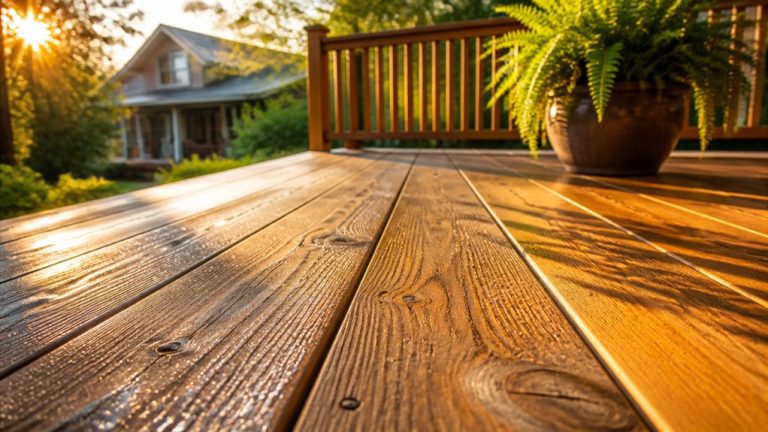
For outdoor benches, choosing materials with weather-resistant finishes can enhance durability and reduce maintenance over time.
How Cushion Thickness Changes Bench Depth Requirements?
Because cushions add thickness to the seat, you need to increase the bench’s overall depth to maintain comfortable seating dimensions.
Typically, outdoor benches range from 16 to 20 inches deep, but when you add cushions—often 2 to 4 inches thick—you should plan for a total depth of 18 to 22 inches.
This guarantees the usable seat depth, from the front edge to the backrest, remains sufficient to support your thighs without pushing your back away.
If you don’t account for cushion thickness, the effective seat depth shrinks, forcing you to perch awkwardly or lose proper support.
When working with hardwood bench materials, using blades with thin kerf designs ensures cleaner cuts and preserves the wood’s integrity for a better finish.
Choosing Bench Depth Based on Your Height and Comfort
Adjusting bench depth to accommodate your height and personal comfort can significantly improve seating ergonomics.
If you’re shorter, aim for a seat depth between 15 and 17 inches to guarantee your thighs are fully supported without forcing you to perch forward. This ensures backrest contact is maintained.
Taller users benefit from depths of 18 to 20 inches, allowing relaxed seating without excessive knee clearance loss.
Remember, the goal is to leave about 2 to 4 inches of space behind your knees for proper circulation and comfort.
Consider your typical seating posture, too: if you prefer upright sitting, choose shallower depths. For lounging, deeper benches work better.
Matching bench depth precisely to your body dimensions enhances support, reduces fatigue, and optimizes overall comfort for outdoor use.
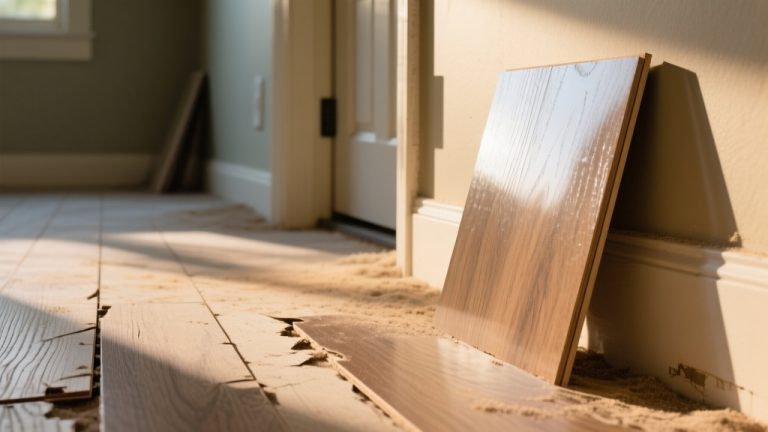
Proper measurement and fitting, similar to the dry fitting process in hardwood floor replacement, can help ensure the bench depth suits your needs perfectly.
How to Measure Outdoor Bench Depth Accurately?
Start by measuring the distance from the front edge of the bench seat directly to the inside surface of the backrest, not to the outer frame. Use a tape measure held parallel to the seat surface for accuracy.
If the bench has cushions, measure their thickness and subtract it from the total depth to determine usable seating space. For precision, record measurements at several points along the seat, as some benches may taper or curve.
Avoid including any overhangs or decorative trim in your measurement. Assure the backrest is vertical or note its angle, as this affects comfort but not seat depth.
Accurate depth measurement helps guarantee the bench supports thighs adequately while maintaining proper knee clearance and back contact, critical for ergonomic outdoor seating.
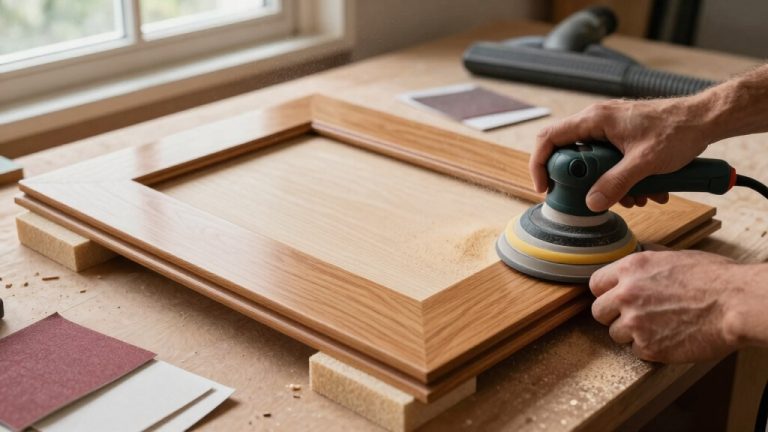
When building or modifying a bench, it is important to cut and sand all edges and surfaces thoroughly with high-grit sandpaper to ensure smoothness and prevent splinters.
Adjusting Bench Depth for Backless and Lounging Benches
When designing backless or lounging benches, you’ll need to reconsider seat depth to maintain comfort and functionality.
For backless benches, aim for a depth between 15 and 18 inches. This range allows users to shift their body position easily without losing stability or thigh support.
The absence of a backrest changes how weight distributes.
Lounging benches benefit from deeper seats, generally 20 inches or more, to support a relaxed posture and accommodate cushioned layers. Adding cushions requires extra depth to preserve usable seating space, typically increasing total depth by 2 to 4 inches.
Measuring from the front edge to where the backrest would be is less relevant for backless designs. Focus on providing enough thigh support and knee clearance for your expected users to ensure ergonomic comfort.
Consider balancing function and appearance to optimize both comfort and design aesthetics in your bench layout.
Tips for Optimizing Outdoor Bench Depth in Your Space
Considering the specific use and design of your bench is key to optimizing its depth within your outdoor space.
Start by measuring the distance from the front edge of the seat to the backrest, ensuring it falls within the 16 to 20-inch range for most comfort.
Keep in mind cushion thickness, which reduces usable seat depth, requiring a slight adjustment.
Also, account for your typical user’s height; shorter users benefit from shallower seats, while taller users tolerate deeper ones.
To visualize your ideal bench depth, imagine sitting with 2 to 4 inches of space behind your knees.
Picture upright posture for dining benches versus relaxed lounging.
Consider how easily you shift position on backless designs.
These steps help you achieve precise, functional seating depth tailored to your space.
For outdoor benches, selecting materials with high moisture resistance is essential to ensure durability in coastal or humid environments.
Frequently Asked Questions
What Materials Are Best for Outdoor Bench Durability?
You want materials that resist weather and wear for outdoor bench durability. Teak and cedar offer natural rot resistance and longevity.
Powder-coated steel or aluminum provide strong, rust-resistant frames. Synthetic options like HDPE lumber withstand moisture and UV damage without splintering.
Avoid untreated softwoods that decay quickly. Selecting materials with protective finishes or sealants helps maintain strength and appearance, ensuring your bench lasts through sun, rain, and temperature changes.
How Do Weather Conditions Affect Bench Depth Choice?
Imagine sitting on a bench after a rainstorm, your cushion soaked and compressed like a sponge. Weather affects bench depth choice markedly.
You’ll want a slightly deeper seat if cushions swell from moisture, maintaining comfort despite thickness changes. In hot, dry climates, a standard 17 to 18 inches works well.
But in humid or rainy areas, plan for 18 to 20 inches to accommodate added cushion bulk and prevent cramped seating.
Can Bench Depth Impact Outdoor Space Aesthetics?
Yes, bench depth markedly impacts outdoor space aesthetics.
Deeper benches create a more substantial, inviting look but can visually clutter smaller areas.
Shallower benches maintain a sleek, streamlined appearance, enhancing openness.
You’ll want to balance comfort with spatial harmony by choosing a depth that complements your outdoor layout and furniture scale.
Proper depth guarantees the bench fits proportionally, supporting both functional use and the overall design flow without overwhelming the space.
What Is the Best Bench Height to Pair With Seat Depth?
You should pair a bench height of about 17 to 19 inches with your chosen seat depth. This height aligns well with typical outdoor bench depths, providing ergonomic support by allowing your feet to rest flat.
Maintaining proper thigh and knee angles is crucial. Taller benches can cause discomfort unless depth increases accordingly. Always match seat height to depth for balanced posture, ensuring neither too high nor too low seating disrupts comfort or usability.
Are There Ergonomic Benefits to Adjustable Bench Depths?
You’d think adjustable bench depths would solve every seating problem instantly—and in many ways, they do.
Ergonomically, they let you tailor seat depth to perfectly support your thighs and maintain proper back contact, reducing discomfort and fatigue.
By adjusting, you avoid the extremes of too-shallow or too-deep seats, which can cause poor posture or pressure points.
Choose the Right Outdoor Bench Depth for Comfort
Think of choosing the right outdoor bench depth like tuning a guitar string. You want it just right for perfect harmony.
Studies show that a 16-18 inch seat depth suits most adults, ensuring comfort without strain. By measuring carefully and considering cushion thickness, you strike the ideal balance between support and relaxation.
Tailoring bench depth to your height and use transforms your outdoor space into a well-tuned retreat where you’ll always want to sit back and stay awhile.