
Linoleum vs Marmoleum Flooring: Which Is Better?
When choosing flooring, Marmoleum offers you a refined, eco-conscious upgrade over traditional linoleum.
Both use natural linseed oil, wood flour, and jute backing, but Marmoleum’s precise manufacturing guarantees consistent texture, durability, and vibrant colors that fit modern aesthetics.
It’s also climate-positive and easier to recycle thanks to its thoughtful construction.
While linoleum varies in quality, Marmoleum promises lasting beauty and performance.
Curious about how these differences translate to your space?
Key Takeaways
- Both linoleum and Marmoleum are made from natural materials like linseed oil, wood flour, and limestone, but Marmoleum uses a refined manufacturing process.
- Marmoleum offers superior durability, consistent density, antimicrobial properties, and better wear resistance compared to generic linoleum.
- Marmoleum features traceable recycled content and a strong circularity focus, while generic linoleum has less standardized sustainability documentation.
- Marmoleum is available in sheet and tile formats with jute or polyester backing, requiring precise installation for optimal performance.
- Marmoleum is positioned as a premium, eco-conscious, color-consistent flooring choice, whereas generic linoleum varies in quality and finish consistency.
Linoleum vs Marmoleum Flooring: Key Differences in Materials, Durability, Sustainability, and Cost
| Comparison Factors | Linoleum Flooring | Marmoleum Flooring |
|---|---|---|
| Flooring Category | Natural resilient flooring material | A specific linoleum product line from Forbo |
| Primary Composition | Linseed oil, wood flour, limestone, rosin, and other ingredients | Similar natural linoleum ingredients |
| Manufacturing Process | Varies by manufacturer and product specification | Manufactured according to Forbo’s product specifications |
| Natural Material Content | Generally high; percentage varies by product | High natural material content; varies by collection |
| Backing Material | Commonly natural jute for sheet products | Jute in sheet products; other constructions vary by format |
| Surface Texture | Smooth, marbled, or patterned finishes | Multiple textures, patterns, and design collections |
| Color Options | Depends on available manufacturer collections | Extensive coordinated color and pattern selections |
| Durability | Can provide decades of service with proper care | Designed for long-term residential and commercial use |
| Wear Resistance | Depends on product thickness, finish, and installation | Depends on selected Marmoleum product and finish |
| Moisture Resistance | Resists routine spills but is not waterproof | Resists routine spills but is not waterproof |
| Cleaning Requirements | Regular sweeping and suitable mild cleaning products | Routine care using manufacturer-approved methods |
| Installation Formats | Commonly sheets; other formats vary | Sheets, tiles, and modular formats depending on collection |
| Installation Difficulty | Sheet installation often benefits from professional expertise | Depends on whether sheet, tile, or modular flooring is selected |
| Environmental Documentation | Varies by manufacturer and product | Forbo provides product-specific environmental documentation |
| Recycling Potential | Depends on flooring construction and local facilities | Some collections may qualify for specific recovery programs |
| Cost Considerations | Varies by manufacturer, format, and installation | Varies by collection, format, and installation |
| Overall Recommendation | Compare specific products for performance and value | Consider when Forbo’s designs and documented specifications meet project needs |
What Is Linoleum Flooring Made Of
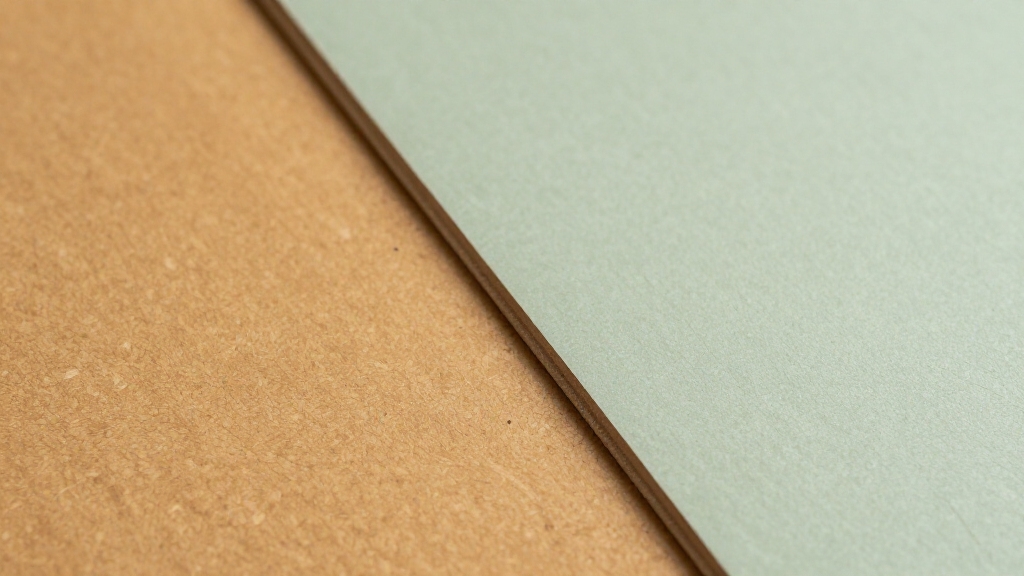
Discover the natural elegance beneath your feet with linoleum flooring, a resilient material crafted from a blend of linseed oil, wood flour, limestone, rosin, and jute.
You’ll appreciate how these organic components create a durable surface that feels warm and inviting while boasting impressive longevity.
The linseed oil oxidizes to form a tough, flexible binder, while wood flour and limestone add structure and subtle texture.
Jute backing lends a natural, breathable base that complements the floor’s bio-based essence.
This carefully balanced composition offers you a sustainable choice and aligns with current trends favoring eco-conscious design.
When you choose linoleum, you invite a timeless, natural palette into your space, one that marries functionality with understated beauty and environmental mindfulness.
Unlike laminate, linoleum’s porous and natural materials allow for surface refinishing options that can extend its life and appearance.
How Marmoleum Relates to Generic Linoleum Flooring?
When comparing Marmoleum to generic linoleum flooring, you’re fundamentally looking at a premium branded version versus a broader category of natural resilient floors.
Marmoleum, crafted by Forbo, elevates the traditional linoleum experience with refined aesthetics, precise manufacturing, and a strong sustainability narrative.
Marmoleum by Forbo enhances linoleum with elegant design, meticulous craftsmanship, and a commitment to sustainability.
While both share core natural ingredients like linseed oil and jute, Marmoleum’s production benefits from rigorous quality control and design innovation.
This results in a more consistent, climate-positive product.
Its diverse palette and textures align with today’s design trends, offering you timeless, eco-conscious flooring that complements modern interiors.
Choosing Marmoleum means embracing a trusted, documented brand that reflects durability and style.
Generic linoleum, on the other hand, offers wider variability without the same emphasis on environmental credentials or curated finishes.
Regular maintenance with gentle cleaning methods can help preserve the appearance and longevity of Marmoleum flooring.
What’s Inside Marmoleum and Linoleum? (Comparing Natural Ingredients)
When you take a closer look at Marmoleum and linoleum, you’ll find that both are made from natural ingredients like linseed oil, wood flour, and jute. These materials give each flooring type its unique texture and character.
Now, let’s talk about the binder systems and backing materials. Whether it’s natural jute or polyester, these components play a crucial role in how durable and comfortable the flooring feels underfoot. Additionally, the moisture resistance of these natural materials significantly affects their longevity and performance in different environments.
Natural Ingredient Comparison
The essence of linoleum and Marmoleum lies in their natural ingredients, blending linseed oil, wood flour, limestone, rosin, and jute into resilient flooring materials.
While both share this foundation, Marmoleum elevates the mix with up to 99% natural content, showcasing eco-conscious craftsmanship and a refined, bio-based formula.
| Ingredient | Linoleum |
|---|---|
| Linseed Oil | Primary binder |
| Wood Flour | Filler for strength |
| Limestone | Mineral filler |
| Rosin | Resin component |
| Ingredient | Marmoleum |
| Linseed Oil | Climate-positive binder |
| Wood Flour | Sustainably sourced filler |
| Limestone | Purified mineral filler |
| Rosin | Natural resin with flax seed oil |
This natural synergy creates flooring that’s both stylish and environmentally mindful. However, unlike engineered hardwood, linoleum and Marmoleum offer greater water resistance making them more suitable for high-moisture areas like bathrooms.
Binder And Backing Materials
Plunge into the heart of Marmoleum and linoleum, where binders and backing materials define their unique character and performance.
You’ll find both use flaxseed oil and natural rosin as binders, marrying wood flour and limestone to create a resilient, eco-conscious matrix. This binder blend guarantees durability and enhances the organic texture and depth you appreciate in natural flooring.
When it comes to backing, Marmoleum sheet flooring embraces traditional jute, a sustainable fiber that offers flexibility and breathability. Tile variants often incorporate polyester backing for added stability.
Linoleum typically relies on jute backing too, maintaining authenticity. Understanding these subtle differences helps you choose flooring that’s not just natural but thoughtfully constructed, marrying craftsmanship with sustainability for a timeless, environmentally aware aesthetic.
Sustainability Comparison: Marmoleum vs Linoleum
You’ll notice that Marmoleum really stands out with up to 99% natural content. It’s all about those bio-based roots and its impressive climate-positive claims.
When you compare the environmental impact, Marmoleum shines with its documented circularity and recycled layers. This definitely gives it an edge in sustainable design.
Natural Content Comparison
When comparing natural content in flooring, Marmoleum stands out by boasting up to 98–99% natural raw materials, including linseed oil, wood flour, limestone, and jute.
This premium linoleum brand by Forbo blends these ingredients with precision, resulting in a product that’s as authentic as it’s elegant.
While generic linoleum shares a similar natural base, Marmoleum’s consistent formulation and natural backing elevate its purity and tactile appeal.
You’ll appreciate how the natural jute backing not only enhances durability but also adds to its eco-chic aesthetic.
Choosing Marmoleum means embracing a refined, bio-based material with documented natural content, perfectly suited for those who prioritize both sustainability and sophisticated design in their flooring choices.
Additionally, the use of natural materials like jute backing supports sustainable forestry and reduces environmental impact, aligning with eco-friendly flooring principles.
Environmental Impact Analysis
Although both linoleum and Marmoleum share a natural foundation, Marmoleum sets itself apart through a rigorous commitment to sustainability. It positions itself as a climate-positive flooring solution crafted from up to 99% bio-based materials.
When you choose Marmoleum, you embrace a flooring option that actively reduces carbon footprint. In contrast, traditional linoleum offers natural benefits without explicit climate-positive certification.
| Aspect | Marmoleum | Linoleum |
|---|---|---|
| Bio-based Content | Up to 99% | Approx. 90-95% |
| Climate Impact | Climate-positive | Neutral |
| Synthetic Additives | Minimal | Varies |
| Backing Material | Natural jute or polyester | Often synthetic |
| Environmental Focus | Transparent certifications | Limited documentation |
Choosing environmentally friendly cleaning products, such as eco-friendly hardwood floor cleaners, can further enhance the sustainability of your flooring choice.
Your choice affects more than style; it echoes your environmental values.
Circularity and Recycling
Since circularity has become a defining factor in sustainable design, understanding how Marmoleum and traditional linoleum handle recycling is essential.
Marmoleum, Forbo’s premium linoleum, embraces circularity with up to 99% natural ingredients and incorporates recycled linoleum content in some layers. This reflects a thoughtful cradle-to-cradle approach.
Its natural jute backing and bio-based composition simplify recycling and biodegradation, aligning with climate-positive goals. Traditional linoleum, while also biodegradable and made from natural raw materials, often lacks standardized recycling protocols and traceable recycled content.
When you choose Marmoleum, you invest in a flooring solution designed for end-of-life recovery and minimal environmental footprint. This attention to circularity isn’t just sustainable; it’s a modern lifestyle statement, blending timeless aesthetics with a forward-thinking commitment to the planet’s future.
Additionally, choosing materials with natural biodegradation properties helps reduce the environmental impact at the end of the flooring’s lifecycle.
Performance and Durability: Marmoleum vs Linoleum
Explore the performance and durability differences between Marmoleum and generic linoleum, and you’ll find that Marmoleum stands out as a premium choice designed for longevity and resilience.
Its refined manufacturing process guarantees consistent density and surface integrity, giving you a floor that withstands heavy foot traffic and resists wear gracefully.
You’ll appreciate Marmoleum’s natural composition, which offers inherent antimicrobial properties and excellent stain resistance, keeping your space fresh and vibrant.
While generic linoleum can vary in quality and lifespan, Marmoleum’s standardized production and rigorous testing provide confidence in its lasting performance.
Choosing Marmoleum means investing in a floor covering that marries timeless aesthetic appeal with dependable durability, perfectly suited for contemporary interiors demanding both style and substance.
Additionally, floors with a 20–40+ mil wear layer offer superior scratch protection and durability, enhancing Marmoleum’s performance in high-traffic settings.
How Marmoleum and Linoleum Are Made Differently (Construction and Backing)?
Discover how Marmoleum’s meticulous construction sets it apart from generic linoleum, starting with its unique backing and manufacturing process.
While both use natural ingredients like linseed oil and wood flour, Marmoleum’s production involves a refined calendaring technique, ensuring a smooth, consistent surface.
Sheet versions are bonded to natural jute backing, offering flexibility and eco-friendly appeal. Tiles may feature a polyester backing for added durability.
This thoughtful layering enhances stability and longevity, making Marmoleum a premium choice.
- Feel the natural warmth of jute beneath your feet
- Experience a surface crafted with over 150 years of expertise
- Enjoy eco-conscious design without compromising style
- Revel in the subtle texture that elevates any space
This construction difference gives Marmoleum its distinctive charm and resilience. Proper cleaning and maintenance, including using mild soap solutions and gentle techniques, help preserve its quality and appearance over time.
Installing Marmoleum and Linoleum: What to Expect
Although Marmoleum and linoleum share similar natural origins, installing them brings subtle differences you’ll want to know before you start.
Marmoleum, often available in both sheet and tile formats, requires careful acclimation to your space’s temperature and humidity to prevent warping. Its jute backing demands a smooth, clean subfloor, so prepare meticulously for a flawless finish.
Linoleum’s installation is similar but may feature different backing materials, affecting flexibility and adhesive choices. Both benefit from professional-grade adhesives applied evenly to guarantee durability and prevent bubbling.
When laying Marmoleum tiles, precision in alignment enhances its seamless, natural aesthetic, elevating your design. Whether you choose sheet or tile, expect a sustainable, resilient floor that complements contemporary interiors with timeless elegance.
Proper surface preparation and ensuring the subfloor is level and clean are essential steps to achieve a durable and long-lasting installation of both Marmoleum and linoleum, as highlighted in surface preparation guidelines.
Marmoleum vs Generic Linoleum: How to Choose
When choosing between Marmoleum and generic linoleum, you’re fundamentally deciding between a premium, meticulously crafted product and a broader category of natural resilient flooring.
Marmoleum offers you a refined, sustainable choice with guaranteed natural content, color consistency, and durability.
Generic linoleum can vary widely in quality and aesthetics, so you might face surprises.
Consider these emotional touchpoints when making your choice:
The confidence of selecting a climate-positive floor that aligns with your eco-conscious lifestyle.
The joy of rich, consistent textures and colors that elevate your space.
The peace of mind from proven durability and easy maintenance.
The pleasure of investing in a timeless, artfully designed surface.
Choosing Marmoleum means embracing design integrity and environmental responsibility without compromise.
Frequently Asked Questions
Can Marmoleum and Linoleum Be Refinished or Repaired After Damage?
You can repair minor scratches or dents on Marmoleum and linoleum by carefully sanding and applying matching fillers or wax. However, refinishing like hardwood isn’t an option since these surfaces have a protective top layer.
For deeper damage, replacing affected tiles or sections is often the best move to maintain that sleek, natural aesthetic. Keep your floor’s timeless charm by acting promptly and using proper care products designed specifically for linoleum.
How Do Marmoleum and Linoleum Flooring Compare in Cost?
You’ll find Marmoleum tends to cost more than generic linoleum, thanks to its premium, eco-friendly ingredients and meticulous craftsmanship.
While linoleum offers an affordable natural flooring option, Marmoleum’s brand reputation and sustainability credentials justify the higher price.
If you’re aiming for a stylish, durable, and climate-positive floor that aligns with modern design values, investing in Marmoleum will elevate your space with lasting beauty and conscience.
Are Marmoleum and Linoleum Flooring Suitable for Radiant Heating Systems?
Yes, you can confidently install Marmoleum and linoleum flooring over radiant heating systems. Both materials conduct heat efficiently, letting warmth flow evenly through their natural, resilient surfaces.
Just make sure the subfloor temperature stays under recommended limits, usually around 27°C (80°F), to preserve durability and comfort. Their eco-friendly, breathable textures not only enhance your space’s style but also harmonize beautifully with modern, energy-smart heating solutions.
What Maintenance Products Are Recommended for Marmoleum Versus Generic Linoleum?
You’ll find that Marmoleum calls for specialized, pH-neutral cleaners designed to preserve its natural oils and vibrant colors.
In contrast, generic linoleum tolerates standard linoleum detergents.
Forbo recommends their specific maintenance kits, including neutral soap and polish, to maintain Marmoleum’s aesthetic integrity and durability.
This thoughtful upkeep enhances its timeless appeal, ensuring your floor remains a sustainable, stylish statement rather than just a surface needing routine cleaning.
Do Marmoleum and Linoleum Have Different Allergen or VOC Emission Levels?
You’ll find that Marmoleum and generic linoleum both offer impressively low VOC emissions, keeping your indoor air fresh and healthy.
Marmoleum, with its rigorously tested, bio-based composition, often surpasses generic linoleum in allergen safety and environmental certifications.
This makes it a top choice if you’re sensitive or eco-conscious. Its natural ingredients and certified climate-positive profile guarantee a cleaner, more breathable space without compromising on style or durability.
Linoleum vs Marmoleum Flooring: Final Verdict
Choosing between Marmoleum and linoleum is like picking the soul of your space.
Marmoleum’s vibrant, natural charm dances with eco-friendly grace, while generic linoleum offers reliable durability with a classic touch.
Imagine your floors as a canvas; each step a brushstroke in sustainable style or timeless resilience.
Whichever you choose, you’re not just flooring a room; you’re crafting an experience that’s both artful and alive, setting trends one perfect inch at a time.