
How Do You Get Musty Smell Out of Wood? Easy Fixes
To get musty smells out of wood, first identify and address moisture by checking damp spots with a moisture meter.
Move the wood to a dry, ventilated area.
Clean surfaces gently using a diluted vinegar solution or mild treatments without saturating the wood.
Use baking soda or activated charcoal to absorb lingering odors.
Allow wood to dry fully before sealing or finishing to prevent odor return.
Managing humidity and airflow helps avoid future issues. There’s more to explore on thorough cleaning and prevention techniques.
Key Takeaways
- Inspect and identify damp or mildew spots on wood using a moisture meter and check hidden areas like drawers and undersides.
- Dry wood thoroughly in a well-ventilated, low-humidity area, using sunlight or a dehumidifier to prevent moisture-related odors.
- Clean surfaces gently with a diluted white vinegar solution or borax mixture, avoiding harsh chemicals that damage wood finishes.
- Use baking soda or activated charcoal inside drawers and cabinets to absorb and neutralize musty odors effectively.
- Maintain humidity below 50% with a hygrometer and dehumidifier, and regularly ventilate wood storage areas to prevent odor recurrence.
Finding the Source of Musty Smells in Wood

Before you can effectively remove a musty smell from wood, you need to pinpoint its source. Start by inspecting the wood for dampness, mildew, or trapped stale air. Moisture exposure and hidden mildew often cause musty odors.
Identifying dampness, mildew, or stale air in wood is essential before tackling musty odors.
Move the wood item to a dry, well-ventilated space to prevent further moisture buildup. Remove any drawers, doors, or panels to allow air circulation and locate odor hotspots.
Pay close attention to the undersides, corners, and interior surfaces, where moisture and mildew tend to accumulate. Identifying and eliminating the moisture source is essential. Without this step, deodorizing won’t be effective, and the smell will likely return.
This focused inspection sets the groundwork for successful odor removal. Using a moisture meter can help confirm areas at risk and ensure thorough identification of damp spots.
How to Dry Wood to Remove Musty Odors?
Once you’ve identified and addressed the source of moisture, focus on drying the wood thoroughly to stop musty odors from lingering.
Move the item to a well-ventilated, low-humidity area, preferably air-conditioned. If the finish allows, place the wood in direct sunlight to accelerate moisture evaporation.
When outdoor drying isn’t feasible, run a dehumidifier in the room several hours daily over multiple days. Remove drawers or panels to expose hidden surfaces and improve airflow.
Avoid sealing the wood before it’s fully dry, as trapped moisture will worsen odors. You can also air out the wood under a covered porch if humidity is low.
Consistent, controlled drying prevents mildew growth and guarantees musty smells don’t return, setting the stage for effective odor removal.
Monitoring and maintaining relative humidity below 50% RH with a reliable hygrometer ensures optimal drying conditions and prevents moisture-related problems.
How to Clean Wood Surfaces Without Damaging the Finish?
To clean wood surfaces without damaging that beautiful finish, start by gently wiping them down with a slightly damp microfiber cloth. This helps avoid any potential damage.
When it comes to cleaning solutions, stick with safe options—like a diluted vinegar-and-water mix. Just make sure to test it out on a hidden spot first to check for compatibility.
Oh, and don’t forget this crucial step: always dry the wood right after cleaning. This prevents moisture from warping or dulling the finish, keeping your surfaces looking their best!
Regular cleaning and drying are essential to prevent mold growth that can cause musty odors and damage over time.
Gentle Cleaning Methods
Frequently, the key to removing musty odors from wood lies in gentle cleaning that preserves the finish.
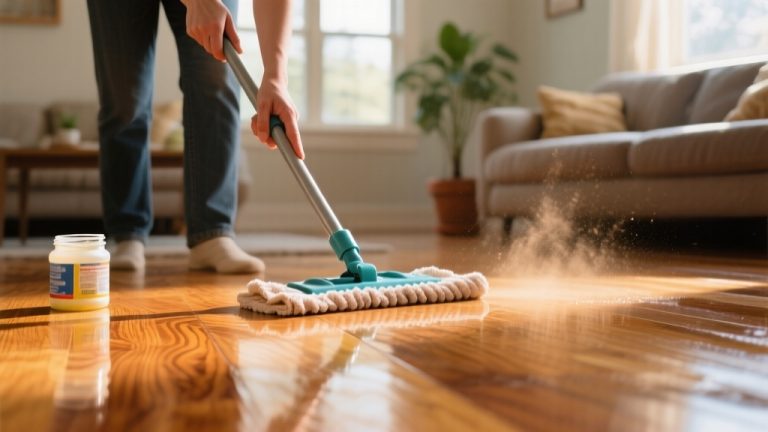
Start by wiping the surface with a lightly damp microfiber cloth to lift dust and surface mildew without saturating the wood.
Avoid harsh scrubbing, which can damage delicate finishes.
Test any cleaning method on an inconspicuous spot first.
If you choose to use a diluted white vinegar solution, apply it sparingly with a soft cloth and dry immediately to prevent warping or finish degradation.
Pay attention to hidden areas like drawer interiors, undersides, and joints, where odors often persist.
Working carefully guarantees you remove odor-causing residues without compromising the wood’s protective layer.
This approach maintains both the wood’s integrity and appearance throughout the cleaning process.
Ensure you use diluted cleaning solutions to prevent damage or discoloration during cleaning.
Safe Cleaning Solutions
Maintaining the wood’s finish during cleaning means choosing solutions that effectively remove odors without causing damage.
Start by wiping surfaces with a lightly damp microfiber cloth to remove dust and surface mildew.
Use a diluted white vinegar solution, equal parts vinegar and water, applied sparingly to prevent saturation.
Always test cleaners on a hidden spot first to confirm compatibility with the finish.
Immediately dry the wood after wiping to avoid warping or finish degradation.
Clean inside drawers, undersides, and joints where odors often persist.
Avoid harsh chemicals or soaking the wood, which can strip finishes or cause swelling.
To prevent mold and musty odors from returning, maintain indoor humidity between 30% and 50% using dehumidifiers.
Drying Without Damage
Ensuring wood dries without damage requires careful control of moisture exposure and airflow. You need to avoid trapping moisture, which can lead to warping or finish deterioration.
Instead, create an environment that promotes gradual drying by balancing humidity and temperature. Use indirect sunlight or a well-ventilated, low-humidity area to speed drying without overheating the wood or finish.
Employ a dehumidifier or air conditioner to maintain consistent moisture levels and prevent excessive drying stress. Remove movable parts like drawers and panels to allow trapped air and moisture to escape from hidden surfaces.
Always dry the wood immediately after any cleaning step using a soft, dry cloth to prevent water damage. Avoid sealing or applying finishes until the wood is fully dry to prevent locking in moisture.
Using a microfiber mop during cleaning helps control moisture application, reducing the risk of water damage during the drying process.
Using Baking Soda and Charcoal to Remove Musty Odors
If you’re dealing with musty odors, baking soda can be a real game changer!
Just sprinkle it directly onto the wood surface or pop it into open containers inside your drawers and cabinets.
Let it sit for about 24 to 48 hours; it’ll work its magic by absorbing those pesky smells.
After that, simply vacuum or wipe it away.
Another great option is activated charcoal.
It’s fantastic for trapping moisture and odors, especially in those hard-to-reach enclosed spaces.
If you have persistent smells, this is definitely the way to go.
Plus, using these absorbents targets those lingering particles without introducing any moisture or chemicals that could damage your wood finish.
Easy and safe!
To maintain your wood’s condition, make sure to avoid harsh cleaners like bleach and ammonia that can damage the finish.
Baking Soda Application
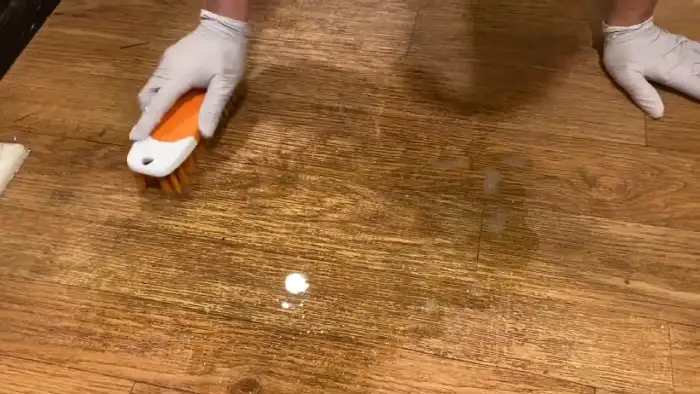
Sprinkle baking soda directly onto the wood surface or place it in open containers inside drawers and cabinets to absorb musty odors effectively.
Baking soda neutralizes acidic and basic odor molecules, making it ideal for wood’s porous surfaces. For best results, leave it for 24 to 48 hours, allowing full absorption.
Then, vacuum or wipe away residues carefully to avoid scratching.
Keep these tips in mind when applying baking soda:
Use a soft brush to spread baking soda evenly without damaging wood finish.
Avoid excessive moisture; baking soda works best dry, preventing wood warping.
Replace baking soda regularly if odors persist, as its absorption capacity saturates over time.
This method complements thorough drying and cleaning, ensuring musty smells diminish efficiently.
Since mold spores thrive on damp wood surfaces, controlling moisture is essential to prevent musty odors from returning.
Charcoal Odor Absorption
Frequently overlooked, activated charcoal offers a powerful complement to baking soda when tackling musty odors in wood.
Unlike baking soda, which neutralizes acidic odor molecules, charcoal adsorbs a broad range of volatile compounds and moisture trapped in wood pores.
To use it effectively, place activated charcoal in breathable containers such as mesh bags or open bowls.
Position these inside drawers, cabinets, or near affected surfaces.
Leave it for several days to allow continuous odor and moisture absorption.
Combine this with baking soda sprinkled lightly on surfaces or inside compartments for a synergistic effect.
Remember to eliminate moisture sources and dry the wood thoroughly beforehand; otherwise, charcoal’s effectiveness diminishes.
After treatment, discard or recharge charcoal by exposing it to sunlight or heat to restore adsorption capacity before reuse.
For enhanced odor removal, combining charcoal with other natural deodorizers like vinegar treatments can improve overall effectiveness.
Sanding and Treating Deep Mildew Odors
Address stubborn mildew and deep-set odors by carefully sanding the affected wood surfaces to remove the contaminated layer. Use fine-grit sandpaper to avoid damaging the wood grain and sand evenly to prevent uneven discoloration.
After sanding, treat the wood to neutralize mildew spores and odors effectively. Consider these steps:
Apply a borax-and-water solution to mildew spots. Borax inhibits fungal growth without harsh chemicals.
Use a mild bleach solution cautiously. Dilute it well and limit contact time to prevent wood damage.
Allow the wood to dry thoroughly after treatment. Sand lightly again if odors persist before refinishing.
This process targets deep contamination, helping you restore wood’s natural condition while minimizing the risk of odor recurrence. Maintaining indoor humidity between 30–50% after treatment is essential to prevent mold and mildew from returning.
How to Prevent Musty Odors From Returning in Wood?
To effectively prevent musty odors from returning in wood, you need to maintain consistently low humidity levels around your furniture or wooden items.
Avoid storing wood in basements or unventilated spaces. Use ventilation or desiccants inside cabinets periodically. Seal cleaned wood with appropriate finishes like shellac to block moisture ingress. Make sure the wood is completely dry before storage or use.
| Prevention Step | Description | Recommended Tools/Products |
|---|---|---|
| Control Humidity | Keep relative humidity below 60% | Dehumidifier, air conditioner |
| Proper Storage Location | Avoid damp, poorly ventilated areas | Elevated shelves, vents |
| Protective Finishing | Seal with shellac or varnish | Shellac, polyurethane |
| Regular Ventilation | Air out enclosed wood regularly | Fans, open windows |
| Use of Desiccants | Place moisture absorbers inside | Silica gel packs, baking soda |
Frequently Asked Questions
Can Essential Oils Mask Musty Odors in Wood Effectively?
You can use essential oils to mask musty odors in wood, but they don’t eliminate the underlying cause.
Oils like tea tree, lavender, or eucalyptus provide a temporary, pleasant scent that covers mustiness.
However, if moisture or mildew remains, the smell will return.
For effective odor control, you need to dry, clean, and treat the wood first.
Then, apply essential oils as a supplementary step to freshen the surface.
Is It Safe to Use Commercial Odor Removers on Antique Wood?
You should be cautious using commercial odor removers on antique wood. Many contain harsh chemicals that can damage delicate finishes or penetrate porous surfaces, worsening the problem.
Always test a small, hidden area first to check for adverse reactions. Opt for gentle, pH-neutral products or natural solutions like diluted vinegar.
When in doubt, consult a professional conservator to protect the wood’s integrity and value while effectively treating odors.
How Long Does It Take for Musty Smell Treatments to Show Results?
You’ll typically see initial improvements within 24 to 48 hours when using baking soda or activated charcoal to absorb odors.
However, full treatment results, including drying and cleaning, can take several days to a week depending on wood moisture and odor severity.
Persistent smells might require light sanding or refinishing, extending the timeline further.
Consistent ventilation and moisture control during this period are essential for lasting odor elimination.
Can Mold Inside Wood Cause Health Problems?
Yes, mold inside wood can cause health problems, especially if you’re sensitive or allergic. It releases spores and mycotoxins into the air, which can trigger respiratory issues, headaches, or skin irritation.
Prolonged exposure may worsen asthma or cause infections in immunocompromised individuals. You should address mold growth promptly by drying, cleaning, and removing contaminated wood to minimize health risks and prevent mold spores from spreading in your environment.
Are There Natural Alternatives to Vinegar for Cleaning Wood?
You might worry natural cleaners won’t work as well as vinegar, but lemon juice is a great alternative for cleaning wood.
It’s mildly acidic, helps break down grime, and leaves a fresh scent.
Mix lemon juice with water, apply gently with a microfiber cloth, and dry immediately to avoid damage.
Baking soda paste also works for stubborn spots. Just apply, let sit briefly, then wipe clean and dry thoroughly.
How Do You Get Musty Smell Out of Wood? Final Tips
You’ll transform musty, damp wood into a dry, fresh surface by combining thorough drying with careful cleaning.
Using baking soda and charcoal absorbs odors, while sanding removes deep mildew, restoring the wood’s integrity.
Preventing musty smells means controlling moisture and ensuring airflow.
With these precise steps, you’ll replace stale discomfort with lasting freshness, preserving both wood quality and your space’s atmosphere.