Will Vinegar Get Rid of Dead Animal Smell Effectively?
You can use vinegar to reduce dead animal smell because its acetic acid breaks down odor-causing molecules instead of just masking them.
Mixing equal parts vinegar and water works well for surfaces, while placing bowls of vinegar can absorb lingering odors.
However, its effect is temporary and often requires repeated applications and thorough cleaning.
If you need stronger or longer-lasting solutions, exploring complementary methods and safety tips can offer a more complete approach to odor removal.
Key Takeaways
- Vinegar’s acetic acid chemically breaks down and neutralizes odor molecules from dead animals rather than just masking the smell.
- It works best as an initial step but requires repeated applications and thorough cleaning for lasting odor control.
- Use diluted vinegar for sensitive surfaces and undiluted vinegar on non-sensitive areas to tackle strong odors effectively.
- Combining vinegar with baking soda or charcoal enhances odor absorption and improves overall effectiveness.
- For persistent smells, professional remediation or stronger agents like bleach are often necessary beyond vinegar treatments.
Best Ways to Use Vinegar for Dead Animal Odor Removal
When dealing with dead animal odors, using vinegar effectively requires understanding its application methods.
Effectively using vinegar to combat dead animal odors involves knowing the right application techniques.
You can mix equal parts of white vinegar and water in a spray bottle for general surface cleaning.
Undiluted vinegar works better for stronger odors.
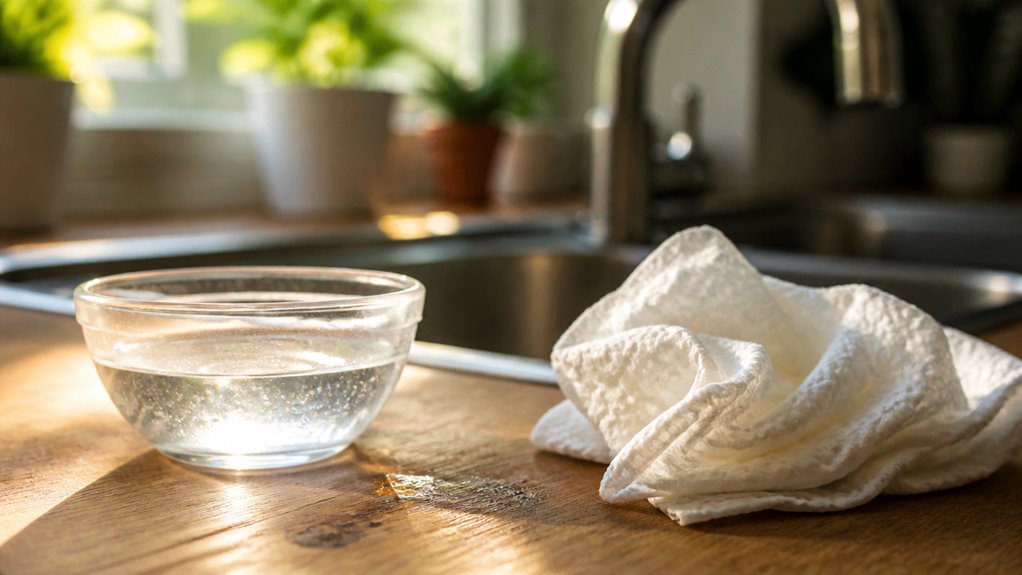
Placing small bowls filled with pure vinegar around the affected area overnight helps absorb lingering smells.
Before applying, ventilate the space by opening windows and using fans to enhance odor removal.
Spray the vinegar solution on walls, floors, carpets, or fabrics.
Then blot upholstery with a vinegar-soaked cloth.
After allowing vinegar to dry, wipe surfaces with a damp cloth to remove residue.
For added disinfection, you might add lemon juice drops to the vinegar solution.
These steps provide temporary relief but require repetition and thorough cleaning for effectiveness.
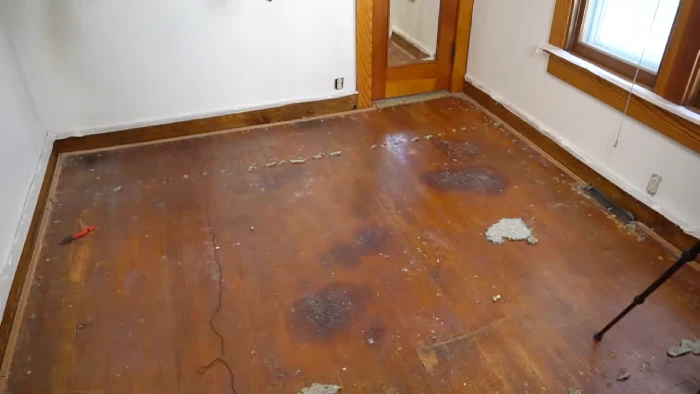
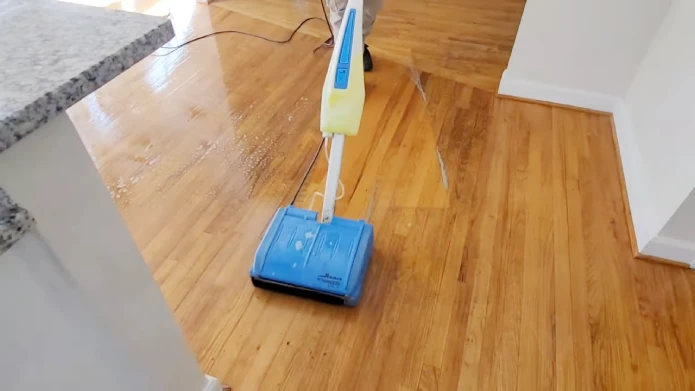
However, it is important to avoid using vinegar on hardwood floors as it is an acidic cleaner that can damage the finish.
Why Vinegar Works to Neutralize Dead Animal Smells?
Although the smell of a dead animal can be overwhelming, vinegar works effectively to neutralize it because of its acetic acid content.
Acetic acid chemically interacts with the odor-causing molecules released during decomposition. This breaks down their structure and reduces their volatility.
This process prevents these molecules from binding to your nasal receptors, diminishing the perception of odor.
When you place vinegar in bowls or spray diluted solutions on surfaces, it absorbs and neutralizes lingering smells rather than masking them.
This makes it a natural deodorizer. However, vinegar’s effect is temporary and works best combined with proper carcass removal and thorough cleaning.
Its ability to eliminate animal decomposition odors makes it a practical first step in odor management, supported by evidence of its chemical neutralization properties.
For long-lasting odor control and floor care after cleaning, using a pH-neutral cleaner designed for sealed surfaces can help maintain cleanliness and indoor air quality.
Enhancing Vinegar’s Effectiveness With Natural Remedies
Building on vinegar’s capacity to neutralize odors, combining it with natural remedies can markedly improve its effectiveness against lingering dead animal smells.
For instance, sprinkling baking soda on carpets before vacuuming helps absorb residual odors that vinegar alone might miss.
Additionally, placing charcoal briquettes or damp coffee grounds in affected rooms can enhance odor absorption through their porous structures.
Using a mixture of equal parts vinegar and water combined with a few drops of lemon juice boosts disinfection properties.
Adding essential oils like lavender can make the environment more pleasant without masking the odor.
These complementary approaches rely on scientifically supported odor absorption and neutralization mechanisms.
This increases the likelihood of reducing persistent smells when used alongside vinegar’s acetic acid.
Regular cleaning and drying of affected areas help prevent microbial growth that can worsen persistent odors.
What to Do When Vinegar Can’t Remove Dead Animal Smell?
If vinegar alone doesn’t eliminate the dead animal odor, you’ll need to adopt a more thorough approach.
First, make certain you’ve located and removed the carcass completely, as lingering decomposition remains the primary odor source.
Next, thoroughly clean and disinfect affected areas using stronger agents like bleach, which break down organic residues more effectively than vinegar.
Consider combining vinegar treatments with odor absorbers such as baking soda or activated charcoal to capture residual smells.
For fabrics or upholstery, multiple cleanings and laundering may be necessary.
If the smell persists despite these methods, professional remediation services equipped with specialized enzymatic cleaners can address deep-seated odors inaccessible to household treatments.
Additionally, using disinfectants with the correct contact time ensures maximum elimination of odor-causing bacteria and viruses.
Safety Tips for Using Vinegar Around Pets and Fabrics
When using vinegar to neutralize dead animal odors, you should take precautions to protect pets and fabrics from potential irritation or damage. Vinegar’s acetic acid can cause skin or eye irritation in pets and may discolor or weaken some fabrics if applied undiluted.
Use vinegar carefully to avoid irritating pets or damaging fabrics when neutralizing odors.
To minimize risks, follow these safety tips:
Ventilate the area well to reduce vinegar fumes that might upset your pets’ respiratory systems. Dilute vinegar with water, especially on fabrics, to prevent damage while maintaining odor-neutralizing effects.
Keep pets away from freshly treated surfaces until they’re completely dry to avoid ingestion or contact irritation. Proper ventilation and regular cleaning help maintain indoor air quality when using strong odors like vinegar.
Frequently Asked Questions
Can Vinegar Damage Hardwood Floors or Painted Walls?
Yes, vinegar can damage hardwood floors and painted walls if used improperly. Its acidity may strip finishes or cause discoloration, especially on unsealed or sensitive surfaces.
You shouldn’t apply undiluted vinegar directly; instead, dilute it with water and test a small, inconspicuous area first. Always avoid prolonged exposure and wipe surfaces dry promptly.
Taking these precautions helps you safely use vinegar without harming your floors or walls.
How Long Does Vinegar Odor Typically Last After Treatment?
You can expect the vinegar odor to last anywhere from a few hours up to 24 hours after treatment, depending on ventilation and application method.
If you spray diluted vinegar, the smell generally fades within hours. Using undiluted vinegar or leaving bowls out overnight might result in a stronger scent lasting closer to a full day.
Proper airflow and wiping surfaces after drying help speed up odor dissipation effectively.
Is Vinegar Safe to Use in HVAC Systems for Odor Control?
You shouldn’t use vinegar directly in HVAC systems for odor control.
Although vinegar neutralizes odors, its acidic nature can corrode metal components and damage filters over time.
Instead, focus on cleaning or replacing filters and ducts professionally.
To manage odors, you might place bowls of vinegar in rooms to absorb smells safely without risking your system’s integrity.
Always prioritize methods designed specifically for HVAC maintenance to avoid costly repairs.
Can Vinegar Prevent Future Animal Infestations or Odors?
Around 70% of homeowners report recurring animal odors despite cleaning efforts.
Vinegar can’t prevent future infestations or odors by itself. It primarily neutralizes existing smells through acetic acid’s odor-neutralizing properties.
To reduce infestations, you’ll need physical exclusion methods and sanitation. Vinegar helps temporarily mask odors but doesn’t deter animals from returning.
Combining vinegar with preventive measures like sealing entry points and removing attractants offers a more effective, evidence-based approach.
What Are the Environmental Impacts of Disposing Vinegar After Use?
You won’t harm the environment much if you dispose of used vinegar responsibly.
Vinegar is biodegradable and breaks down quickly, so small amounts poured down drains typically pose minimal ecological risk.
However, avoid dumping large quantities into waterways, as its acidity could disrupt aquatic ecosystems.
To minimize impact, dilute vinegar with water before disposal and use it sparingly.
Proper disposal guarantees you protect both your local environment and water quality effectively.
Next Steps for Eliminating Persistent Dead Animal Odors
Think of vinegar as a skilled gardener, pruning away the stench of decay like tangled weeds choking your space.
Its natural acidity breaks down odor molecules, clearing the air for fresh growth.
Yet, just as some weeds resist removal, stubborn smells might need more than vinegar alone.
Combining natural remedies or professional help guarantees a thorough cleanse.
By using vinegar wisely and safely, you cultivate a healthier environment, free from the shadow of dead animal odors.