
Honed Tile vs Polished: Which Is Better?
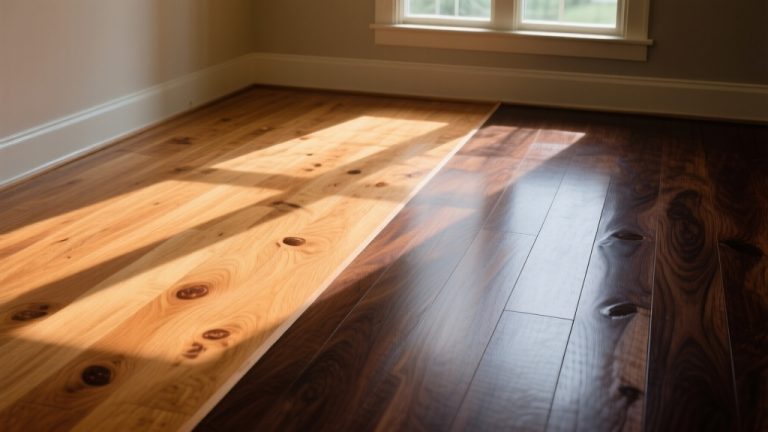
You’ll choose honed tile for its smooth, low-sheen finish that reduces glare and enhances slip resistance. This makes it ideal in wet or high-traffic areas.
Polished tile, on the other hand, offers a glossy, reflective surface that amplifies color vibrancy and light. It’s perfect for dry, low-traffic spaces where visual impact matters.
Each surface demands different maintenance and performs uniquely based on material. Exploring their functional and aesthetic traits can help you pick the right fit for your project.
Key Takeaways
- Honed tiles have a smooth, matte finish with low sheen, offering better slip resistance and reduced glare compared to polished tiles.
- Polished tiles have a glossy, mirror-like finish that enhances color vibrancy, pattern contrast, and room brightness but can show water spots and fingerprints.
- Honed finishes are ideal for high-traffic, wet areas like bathrooms and kitchens due to their safety and subtle elegance.
- Polished tiles suit low-traffic, dry areas or accent walls to create a dramatic, luxurious visual impact and to brighten rooms with limited light.
- Honed tiles require more frequent sealing and gentle cleaning to prevent staining, while polished tiles need regular wiping to maintain their shine.
Honed Tile vs Polished Comparison: Finish, Safety, Maintenance, and Best Uses
| Comparison Point | Honed Tile | Polished Tile | Best Choice |
|---|---|---|---|
| Surface Finish | Has a smooth, matte-to-satin finish with low sheen | Has a glossy, mirror-like finish | Depends on design style |
| Visual Style | Creates a softer, natural, understated look | Creates a bold, bright, luxury appearance | Polished for dramatic impact |
| Light Reflection | Reduces glare and keeps the space calmer | Reflects more light and can make rooms feel larger | Polished for brighter rooms |
| Slip Resistance | Offers better traction, especially in wet areas | Can become slippery when wet | Honed for safer flooring |
| Best Floor Areas | Bathrooms, kitchens, high-traffic zones, entry areas | Low-traffic dry spaces, feature floors, formal areas | Honed for daily-use floors |
| Best Wall Areas | Backsplashes and soft natural stone looks | Accent walls, luxury walls, statement surfaces | Polished for feature walls |
| Maintenance Needs | May need more frequent sealing, especially natural stone | Needs regular wiping to remove smudges and water spots | Depends on material type |
| Scratch Visibility | Better at hiding minor scratches and surface wear | Shows scratches, etching, and fingerprints more easily | Honed for wear concealment |
| Stain Risk | More porous, so staining can be a concern without sealing | Lower porosity, but visible spots are more noticeable | Polished for easier wiping |
| Overall Value | Best for safety, subtle elegance, and practical everyday use | Best for brightness, luxury, and high-end visual appeal | Choose by room function |
Honed Tile: Appearance and Characteristics

Honed tile offers a smooth, flat surface with a satin-like finish that sits between matte and polished in terms of sheen.
You’ll notice its low-reflectivity surface provides a softer, more subdued visual effect, reducing glare while maintaining an elegant, refined look.
This finish enhances natural patterns and veining subtly, without the high contrast typical of polished tiles.
When you handle honed tile, you’ll appreciate its slightly textured feel, which contributes to better slip resistance compared to polished surfaces.
Keep in mind that honed tiles often require more frequent sealing, especially if made from natural stone, due to their increased porosity.
Regular maintenance and timely sealing are important to preserve the tile’s appearance and prevent damage from moisture, similar to how preventive maintenance extends roof lifespan.
Polished Tile: Look and Visual Impact
Polished tile really stands out with its glossy, highly reflective surface. You’ll see how it amplifies brightness by bouncing light all around the room. It’s amazing how this finish can make spaces feel larger and more open, right?
Plus, that dramatic sheen? It really creates a bold, modern statement. It adds a touch of luxury to any interior, enhancing the overall appeal. Honestly, who wouldn’t want that in their home?
To maintain that stunning shine, it’s essential to avoid abrasive cleaners and always dry the surface thoroughly after cleaning to prevent residue and water spots.
Glossy Reflective Surface
A polished tile’s glossy reflective surface creates a striking visual impact by producing a mirror-like finish that intensifies light reflection.
This high-lustre sheen enhances the tile’s pattern and veining, making details more pronounced and vivid.
When you choose polished tile, you introduce a modern, luxurious aesthetic that commands attention.
The surface smoothness also affects maintenance and wear characteristics, requiring careful consideration in application.
Reflective finish amplifies ambient light without altering color saturation.
Surface smoothness increases susceptibility to visible scratches and etching in natural stone.
Polished tiles offer easier cleaning due to low porosity but reveal water spots and fingerprints.
The mirror-like effect contributes to a dramatic, high-impact visual statement.
Strong light reflection demands careful placement to avoid glare in certain lighting conditions.
Polished natural stone requires periodic sealing to protect against staining and etching, unlike some manufactured surfaces.
Brightness and Room Size
How does polished tile affect the brightness and perceived size of a room?
Polished tile’s highly reflective surface enhances natural and artificial light, increasing overall brightness. This reflectivity creates an optical illusion that expands the room’s spatial perception, making it appear larger than it physically is.
The mirror-like finish bounces light across walls and floors, reducing shadows and dark corners. Consequently, spaces with limited natural light benefit markedly from polished tile installations.
When choosing polished tile, consider that its brightness amplifies color vibrancy and pattern contrast, adding depth to the room. However, ensure adequate lighting sources to maximize these effects.
Unlike honed finishes, polished tiles actively manipulate light to create a more open and luminous environment, ideal for smaller rooms or areas seeking visual expansion.
Additionally, incorporating cool neutrals such as gray or greige with polished tile can enhance the sleek, modern aesthetic while maintaining a calming, versatile backdrop.
Dramatic Visual Appeal
Polished tile consistently delivers a striking visual impact thanks to its mirror-like, glossy surface that dramatically reflects light.
When you choose polished tile, you enhance brightness and impart a sense of luxury and modernity to any space.
Its high-lustre finish accentuates patterns and veining, making textures more pronounced and visually engaging.
This finish can visually expand rooms by amplifying light, creating a more open atmosphere.
However, the intense reflection can also highlight imperfections and require regular cleaning to maintain its pristine appearance.
Creates a high-impact, modern aesthetic.
Enhances veining and pattern visibility.
Amplifies natural and artificial light.
Visually enlarges interior spaces.
Demands attentive maintenance for spotless shine.
Similar to polished finishes, low-gloss finishes offer an elegant look that balances light reflection with practicality.
Comparing Honed and Polished Tile Finishes
Although both honed and polished tiles undergo grinding and buffing, they differ markedly in surface finish and visual impact.
Honed tiles present a smooth, satin-like surface with low sheen. This offers a soft, subdued look that reduces glare and creates an understated elegance.
Honed tiles provide a smooth, satin finish that minimizes glare and exudes subtle elegance.
Polished tiles, by contrast, feature a glossy, mirror-like finish that strongly reflects light. This produces a bright, dramatic effect and enhances visual brightness.
When you compare their textures, honed surfaces feel matte-to-satin, while polished surfaces are slick and highly reflective.
Polished tiles also tend to emphasize veining and patterns more sharply.
Both finishes require specific maintenance considerations and behave differently depending on tile material. Their distinct appearances make them suited for varying design goals, from calm sophistication to high-impact luxury.
Proper cleaning techniques and maintenance frequency vary between honed and polished tiles to preserve their unique finishes and longevity.
Slip Resistance: Honed vs Polished Tiles
When selecting tile for areas prone to moisture, you’ll want to take into account slip resistance carefully.
Honed tiles generally provide better traction due to their matte-like, satin surface, making them safer in wet conditions.
Polished tiles, with their glossy finish, increase the risk of slipping when wet and are less suitable for floors exposed to moisture.
Consider these factors for slip resistance:
Honed tiles offer more grip, ideal for bathrooms and kitchens.
Polished tiles perform better on walls or dry indoor surfaces.
Slip resistance varies by tile material and coating.
Maintenance impacts slip properties; worn finishes may become slick.
Even honed tiles require appropriate sealants to maintain safety.
Choose honed for safer footing; reserve polished for low-slip-risk areas.
Proper sealing and maintenance of flooring surfaces are essential to preserve slip resistance and prevent moisture damage, similar to the care needed for polyurethane sealants.
Caring for Honed and Polished Tile Finishes
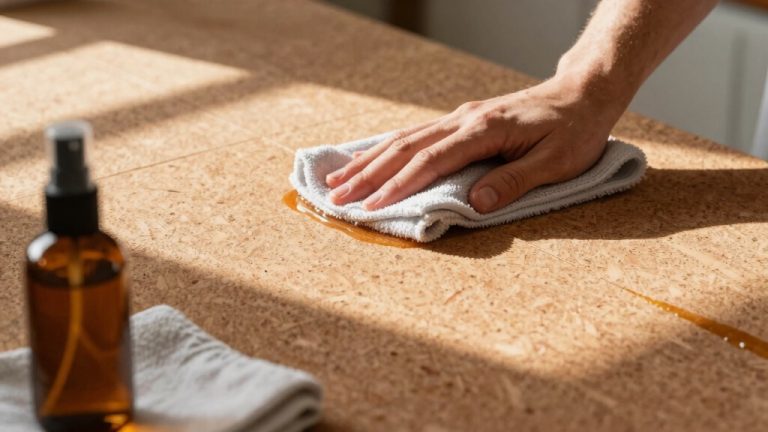
Proper care substantially extends the lifespan and appearance of both honed and polished tile finishes. You’ll want to use pH-neutral cleaners and avoid acidic or abrasive products to prevent surface damage.
Honed tiles may require more frequent sealing, especially natural stone, to protect against staining. Polished tiles are easier to clean but show water spots and fingerprints more distinctly, so regular wiping is essential.
Follow manufacturer guidelines for maintenance schedules.
Using a pH-neutral cleaner specifically formulated for sealed surfaces can help maintain the finish and prevent damage.
| Aspect | Honed Tiles | Polished Tiles |
|---|---|---|
| Cleaning | pH-neutral, avoid abrasives | pH-neutral, frequent wiping |
| Sealing | Regular, especially natural stone | Less frequent, depends on material |
| Stain Risk | Higher, due to porosity | Lower, but water spots visible |
| Surface Care | Gentle scrubbing recommended | Avoid scratching and etching |
| Maintenance | More frequent upkeep | Easier cleaning, visible smudges |
Durability of Honed vs Polished Tiles
Understanding how honed and polished tiles hold up over time helps you choose the right finish for your space and usage demands.
Honed tiles tend to resist scratches better but may stain more easily, especially in natural stone.
Polished tiles, while offering strong resistance in porcelain, can show scratches and etching more readily in stone varieties.
Both finishes’ durability largely depends on the tile material, natural stone versus porcelain, and their maintenance.
Honed tiles often require sealing, particularly natural stone, to maintain durability.
Polished porcelain tiles offer excellent resistance to scratch, stain, and etching.
Polished stone tiles may reveal wear signs sooner due to their reflective surface.
Honed surfaces mask minor abrasions better, preserving appearance longer.
Tile body composition critically influences long-term performance and wear patterns.
When selecting flooring, considering the wear resistance and maintenance needs of materials like LVP and engineered hardwood can also provide valuable insights into durability expectations.
Best Places to Use Honed Tile
You’ll often find honed tile chosen for spaces where safety and subtle elegance matter most. Its low sheen reduces glare, making it ideal for high-traffic areas and wet environments where slip resistance is vital.
You should consider honed tile in bathrooms, kitchens, and backsplashes to balance durability with understated style.
| Location | Benefit |
|---|---|
| Bathrooms | Safer footing, moisture-friendly |
| Kitchens | Scratch-resistant, subtle look |
| High-traffic floors | Durable, low glare |
Honed tile’s satin finish offers a calm, refined aesthetic, perfect if you want a natural yet sophisticated surface. It requires regular maintenance but delivers reliable performance where safety and timeless design are priorities. For deep cleaning, using a pH-neutral cleaner ensures the tile’s finish remains intact and safe over time.
Ideal Applications for Polished Tile
Polished tile really shines when it comes to feature walls and accent areas. Its high gloss adds a stunning visual impact that can completely transform a space.
If you’re aiming for a luxury vibe or just want to brighten up a room with a modern touch, polished tile is a fantastic choice.
However, it’s important to keep in mind that polished tile can be a bit slippery. So, it’s best suited for low-traffic floor zones rather than areas that see a lot of wetness or heavy use.
This way, you can enjoy its beauty without worrying too much about safety!
Feature Walls And Accents
When designing feature walls and accents, polished tile offers a striking option that maximizes visual impact through its glossy, mirror-like finish. Its high reflectivity enhances light distribution, making spaces appear more vibrant and expansive.
You’ll appreciate how polished tile accentuates patterns and veining, providing dramatic focal points that draw attention. However, polished surfaces require careful placement due to their slipperiness if used on floors, so walls and vertical surfaces are ideal.
This finish demands routine cleaning to maintain its brilliance, as fingerprints and water spots are more visible.
- Amplifies natural and artificial light for brighter ambiance
- Highlights intricate veining and textures with sharp clarity
- Creates contrast when paired with matte or honed surfaces
- Suitable for indoor vertical applications, avoiding slip hazards
- Requires gentle cleaning with pH-neutral products to preserve shine
Luxury Interiors And Spaces
Although polished tile demands more maintenance than honed finishes, its high-gloss surface transforms luxury interiors by delivering a sleek, radiant look that immediately elevates the space.
You’ll find polished tile ideal for upscale living rooms, formal dining areas, and boutique hotel lobbies where brightness and visual impact matter.
Its mirror-like finish amplifies natural and artificial light, making rooms appear larger and more luminous.
Polished tile also accentuates veining and patterns, enhancing the material’s natural beauty, perfect for statement floors, walls, or countertops.
Keep in mind it requires careful cleaning to avoid visible smudges and is best suited for low-moisture environments to mitigate slip risks.
When you want to create a modern, high-end ambiance, polished tile stands out as the preferred technical choice.
Low-Traffic Floor Areas
Polished tile often suits low-traffic floor areas due to its glossy finish and higher slip potential when wet.
When foot traffic is minimal, you can leverage polished tile’s mirror-like surface to enhance brightness and visual impact without compromising safety.
Its smooth, reflective surface is easier to clean and highlights veining and patterns vividly, making it ideal for spaces where aesthetics take precedence over durability under heavy use.
However, you should avoid wet or high-traffic zones to minimize slip hazards and wear.
Consider polished tile for:
- Powder rooms or guest bathrooms
- Feature floors in formal living areas
- Low-traffic hallways or foyers
- Display or showroom floors
- Indoor spaces prioritizing brightness and luxury
This careful placement maximizes polished tile’s visual appeal and functional suitability.
Frequently Asked Questions
Can Honed or Polished Tiles Be Used Outdoors?
You can use both honed and polished tiles outdoors, but honed tiles are generally better suited due to their lower slipperiness and matte finish.
They handle weather and foot traffic more safely.
Polished tiles, being glossy and slippery when wet, pose higher slip risks outside.
Make sure you select tiles rated for exterior use, considering material and coating.
Proper sealing and maintenance also help preserve appearance and durability outdoors.
How Do Honed and Polished Tiles Affect Room Acoustics?
Sound bounces differently off honed and polished tiles, like a whisper versus a shout.
You’ll find polished tiles reflect sound sharply, increasing echo and reverberation in a room due to their glossy, mirror-like surface.
Honed tiles, with their matte finish, absorb more sound, reducing noise and softening acoustics.
Are There Eco-Friendly Options for Honed and Polished Tiles?
Yes, you can find eco-friendly options for both honed and polished tiles. Look for tiles made from recycled materials, such as porcelain or glass, which reduce raw material demand.
Additionally, tiles produced with low VOC adhesives and water-efficient manufacturing processes minimize environmental impact. Certifications like Greenguard or LEED can guide your choice.
Which Tile Finish Is Better for Radiant Floor Heating?
You’ll find polished tile better suited for radiant floor heating because its dense, smooth surface conducts heat efficiently and warms up quickly.
Honed tiles, with their slightly more porous and matte finish, can absorb heat slower and may require more energy to maintain warmth.
However, both porcelain honed and polished tiles perform well, so consider your specific tile material and installation quality to maximize heating efficiency.
Do Honed or Polished Tiles Require Special Installation Techniques?
You don’t need special installation techniques for honed or polished tiles beyond standard protocols. Both require a level, clean substrate and proper adhesive suited to tile type.
However, polished tiles demand extra care handling to avoid surface scratches during installation. You should use non-abrasive tools and avoid dragging tiles.
Honed tiles tolerate slight surface imperfections better, but sealing may be necessary post-install. Precision in grout application is essential for both finishes.
Final Verdict on Honed Tile Vs Polished
Choosing between honed and polished tiles is like selecting your armor for battle.
Honed tiles, with their matte finish, offer stealth and grip, perfect for high-traffic or slippery zones.
Polished tiles shine like a sword’s edge, reflecting light and elevating elegance but require careful maintenance.
Understanding their distinct strengths guarantees you equip your space wisely, balancing durability, safety, and style to conquer your design challenges efficiently.