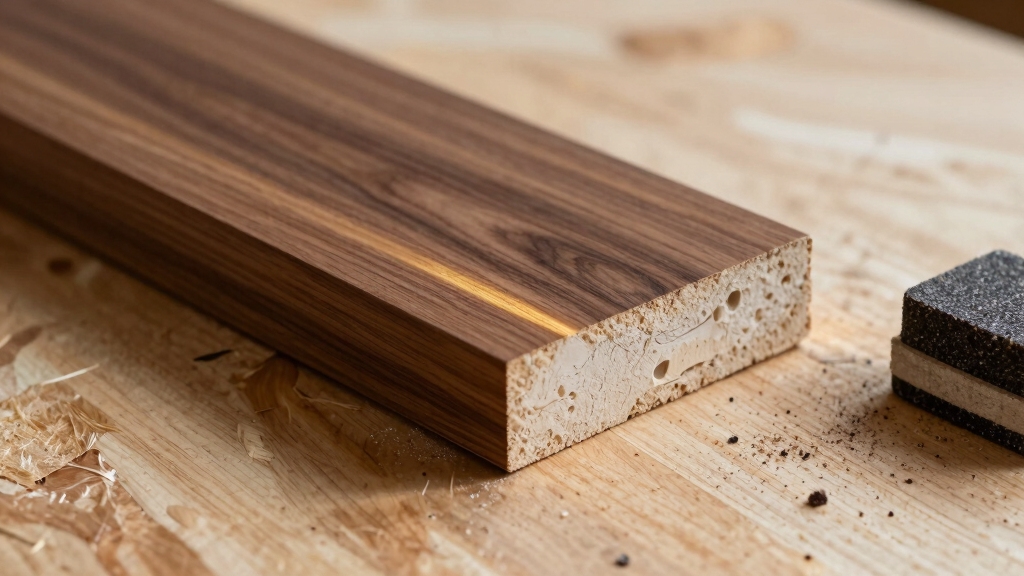
Can Wood Veneer Be Sanded: Revive Without Risk
Yes, you can sand wood veneer safely if you use the right grit and tools. Start with 120-grit for raw veneer or 220-grit for pre-sanded surfaces. Always sand gently with the grain and use a sanding block or hand sanding for control.
Avoid coarse grits and keep pressure light to prevent sanding through. Wipe dust regularly for a smooth finish. To master the process and avoid common mistakes, knowing how wood type affects sanding will also help.
Key Takeaways
- Wood veneer can be sanded safely using light pressure and proper techniques to avoid damaging the thin surface.
- Always sand with the grain using fine grits, starting around 120-220 grit depending on veneer condition.
- Use a sanding block or hand sanding for even pressure and better control, especially near edges.
- Avoid coarse grits and power sanders unless experienced, as they can easily sand through veneer.
- Frequently wipe dust with a tack cloth and stop sanding when the surface feels smooth and even.
Can You Sand Wood Veneer Safely?

Although wood veneer is thin and delicate, you can sand it safely if you use the right techniques and tools.
Start by choosing a sanding block or hand sanding to maintain even pressure and control. Always sand with the grain using light, consistent strokes to avoid scratches and sanding through the veneer.
Keep the sander moving to prevent uneven wear, especially near edges or taped areas where veneer is thinnest. Frequently wipe away dust with a tack cloth to accurately monitor your progress.
Inspect the surface for bubbles or damage before you begin. Stop sanding as soon as the surface feels smooth to the touch.
For seamless repair and finishing, consider using a stainable wood filler designed to blend well with veneer surfaces.
What Sanding Grits Are Best for Wood Veneer?
When sanding wood veneer, selecting the right grit is crucial to avoid damaging the thin surface while effectively smoothing it.
Start with 120-grit sandpaper for initial sanding on raw veneer. If your veneer is already pre-sanded, you can begin with a finer 220-grit for light smoothing.
Avoid anything coarser than 100-150 grit to prevent sanding through the delicate layer. After the initial pass, progress to 150-grit to refine the surface further.
Finish with 220-grit or even a gray scotch pad to prepare for finishing. Always sand lightly and evenly, paying close attention to edges and thinner areas.
Using the proper grit sequence makes certain you maintain the veneer’s integrity while achieving a smooth, clean surface ready for finishing. It is important to avoid over-sanding to preserve veneer integrity and prevent surface imperfections.
Best Tools and Techniques for Sanding Wood Veneer
Choose the right tools to maintain control and protect the thin veneer surface. Use a sanding block or hand sanding for the most even pressure and precise control, especially if you’re new to sanding veneer.
Opt for a sanding block or hand sanding to ensure even pressure and protect delicate veneer surfaces.
For larger surfaces, a pad sander can work but keep the pressure light to avoid sanding through. Always sand with the grain to prevent scratches, and keep your motions smooth and continuous.
Apply only light, even pressure; don’t linger in one spot. Wipe dust away frequently with a tack cloth to guarantee a clear view of your progress.
Inspect the veneer often for any signs of damage or thinning. Stopping as soon as the surface feels smooth helps you avoid over-sanding and ruining the veneer.
Since maple’s fine, even texture enhances smooth finishes, it generally requires finer grit sanding to achieve the best results without damaging the surface.
Common Sanding Mistakes and How to Avoid Them
Keeping control and applying light pressure are key to sanding wood veneer without damage.
Even experienced woodworkers can make mistakes that harm the delicate surface.
One common error is using too coarse a grit, which quickly eats through thin veneer layers.
Stick to 120-150 grit to avoid this.
Another mistake is sanding against the grain, leaving scratches visible under finish.
Always sand with the grain in light, even strokes.
Applying uneven pressure or staying too long in one spot causes blotchy areas or sand-through.
Avoid power sanders if you lack experience, as they can easily remove too much material.
Finally, neglecting to wipe dust between passes can lead to rough surfaces.
Keep your work clean and stop sanding as soon as the veneer feels smooth.
Using finishes with nanotechnology-based protection after sanding can help preserve the wood’s surface and durability.
How Wood Species Affect Veneer Sanding Success?
Since different wood species vary widely in hardness and grain structure, they affect how easily you can sand veneer without damage.
Softer woods like pine and poplar sand more quickly but demand gentler pressure to avoid sanding through.
Hardwoods like oak and walnut offer more sanding tolerance but may require extra passes to smooth grain.
Birch veneer sands fast but risks uneven blotching, so take care with even strokes.
Wenge and other dense species resist sanding, so you’ll need patience and sharp abrasives.
Always sand with the grain and use finer grits as you progress, adjusting pressure based on the wood’s softness.
Knowing your veneer’s species helps you choose the right grit and technique, preventing costly mistakes and preserving the veneer’s integrity.
For best results, consider the application environment because factors like humidity and temperature can affect drying and sanding outcomes.
Frequently Asked Questions
How Long Does It Take to Sand Wood Veneer Properly?
Sanding wood veneer properly usually takes 10 to 30 minutes, depending on the veneer’s thickness and surface condition.
You’ll start with 120 to 150-grit sandpaper, sanding lightly and evenly with the grain.
Take your time, applying gentle pressure to avoid sanding through. Frequently wipe away dust and check for smoothness.
Finish with 220-grit or finer for a clean surface. Rushing risks damage, so be patient and thorough throughout the process.
Can Sanding Wood Veneer Improve Stain Absorption?
Sanding wood veneer can improve stain absorption by up to 30%, giving you a richer, more even finish.
When you lightly sand with 220-grit paper, you open the wood fibers, allowing the stain to penetrate better.
Be careful not to over-sand; you risk sanding through the thin veneer.
Always sand with the grain, apply gentle pressure, and wipe off dust frequently to ensure the stain soaks in uniformly without blotches or damage.
Is It Necessary to Seal Wood Veneer After Sanding?
Yes, you should seal wood veneer after sanding to protect it and guarantee even finish absorption.
Sanding opens the wood fibers, making the surface more porous and vulnerable.
Applying a sealer prevents blotchiness and uneven staining while strengthening the veneer’s delicate surface.
Use a compatible sanding sealer or thin finish, apply lightly, then sand gently before your final finish coat. This step improves durability and appearance.
How Often Should Sanding Blocks Be Replaced?
You might think sanding blocks last forever, but you should replace them as soon as they no longer provide even pressure or feel worn.
If your block’s surface is uneven, cracked, or doesn’t hold sandpaper securely, it’s time for a new one.
Using a worn block can damage your veneer by causing uneven sanding.
Check your block regularly and swap it out to maintain smooth, controlled sanding results every time.
Can Sanding Wood Veneer Be Done With Electric Sanders Safely?
You can use electric sanders on wood veneer, but you need to be very careful.
Start with a fine grit (220 or higher) and use light pressure to avoid sanding through the thin veneer.
Hand sanding is safer for delicate areas.
If you use a power sander, choose a pad sander for better control.
Always keep the sander moving with the grain and inspect frequently to prevent damage or uneven surfaces.
Gentle Touch, Stunning Results: Mastering Veneer Sanding
You can sand wood veneer safely if you use the right grit and gentle technique. For example, imagine restoring a vintage oak veneer table. You’d start with fine 220-grit sandpaper and work lightly to avoid peeling.
Avoid aggressive sanding and always test on a small area first. Remember, knowing your wood species helps prevent damage. With care and the right tools, sanding veneer can refresh your piece without ruining its delicate surface.