
Aluminum vs Fiberglass Ladder: Which Lasts Longer?
When choosing between aluminum and fiberglass ladders, prioritize your job needs.
Aluminum ladders are lighter, easier to transport, and cost less upfront but conduct electricity, creating shock risks near power sources.
Fiberglass ladders offer superior electrical safety, weather resistance, and durability, though they’re heavier and pricier.
Consider work environment, load capacity, and task frequency to balance portability, safety, and longevity.
Explore how these trade-offs impact your specific projects and safety protocols ahead.

- 【4-step Light Weight Ladder】: KINGRACK Ladder adopts to aviation aluminium alloy material, this…
- 【Safety Lock & Sturdy Structure】: The step stool has a perfect triangular shape structure, and…
- 【Anti-slip Design】: The pedal surface of this 4-step ladder features a horizontal pattern, it…
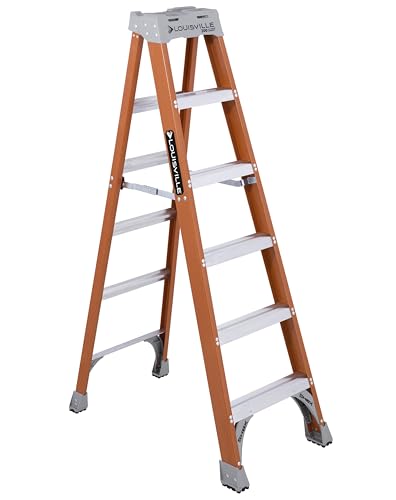
- NON-CONDUCTIVE: Crafted with fiberglass for non-conductive safety assurance, this Fiberglass…
- SUPERIOR BUILD: With its 300-Pound capacity, this 6-foot step ladder is made of superior quality…
- ULTIMATE STABILITY: Featuring slip-resistant rubber feet and angle feet with thick rubber tread on…

Key Takeaways
- Fiberglass ladders are non-conductive and safer for electrical work, while aluminum ladders conduct electricity and pose shock hazards near live sources.
- Fiberglass ladders resist weathering, corrosion, and UV damage, offering superior outdoor durability compared to aluminum.
- Aluminum ladders are lighter and more portable, ideal for tasks requiring frequent moving and transport.
- Fiberglass ladders provide greater structural strength, stability, and longevity under heavy loads and harsh conditions.
- Aluminum ladders are generally less expensive upfront, but fiberglass offers better long-term value for frequent or demanding use.
How to Choose Between Aluminum and Fiberglass Ladders?

When deciding between aluminum and fiberglass ladders, you need to carefully assess your specific job requirements, including electrical safety, weight considerations, and environmental exposure.
Prioritize electrical safety: fiberglass ladders are non-conductive, making them essential for work near live electrical sources. Aluminum conducts electricity, posing risks in such environments.
For electrical work, choose fiberglass ladders to avoid the conductivity risks posed by aluminum.
Evaluate environmental conditions. Fiberglass resists weathering and corrosion, making it suitable for prolonged outdoor use, while aluminum may degrade under harsh conditions.
Consider durability demands; fiberglass offers superior stiffness and structural strength, beneficial in rigorous applications.
Assess your work environment’s specific hazards and task nature to ensure ladder material aligns with safety protocols and operational needs.
This analytical approach helps you select a ladder that balances performance, safety, and longevity according to your job’s precise parameters.
Also, just as choosing the right ladder involves evaluating material properties for safety and durability, selecting woodworking tools like drill presses requires attention to variable speed control to ensure precision and adaptability in various tasks.
Comparing Weight: Aluminum vs Fiberglass Ladders
When it comes to comparing weights, aluminum ladders generally win the lightweight game. They’re super portable and easy to move around, making them a favorite for many. But here’s the thing: the weight can really vary depending on the model and its duty rating.
On the flip side, you’ll find that some fiberglass ladders are actually designed to be pretty competitive in terms of weight. So, it’s worth taking a closer look at your options. Additionally, considering the motor strength and durability in equipment like milling machines highlights how material choice impacts performance and longevity in tools and accessories.
Weight Differences By Material
Consider the impact of ladder weight on your workflow, especially when choosing between aluminum and fiberglass models.
Aluminum ladders typically weigh less than fiberglass counterparts of the same size, easing transport and repositioning. This lightweight nature supports faster setup during frequent moves.
However, fiberglass ladders vary in weight depending on design and manufacturer. Some modern FRP fiberglass models can weigh less than competing aluminum ladders.
It’s critical to evaluate weight relative to model specifications and duty ratings rather than material alone. By analyzing these factors, you can select a ladder that balances structural demands with manageable weight.
This ensures efficiency without compromising safety or durability in your specific work environment. Like countertops, where material choice depends on composition, care, and cost, selecting your ladder should also consider multiple factors for best performance.
Impact On Portability
Weight differences between aluminum and fiberglass ladders directly influence their portability and ease of handling on the job.
Aluminum ladders are typically lighter, which enables you to transport and reposition them more quickly, especially during tasks requiring frequent moves.
Fiberglass ladders, while generally heavier due to their denser composition, can vary in weight depending on design and manufacturer. Some modern FRP fiberglass models even weigh less than certain aluminum counterparts.
This variability means you should assess portability not by material alone but by specific model specifications.
If your work demands rapid setup and relocation, aluminum’s weight advantage enhances efficiency.
However, if you prioritize other factors like electrical safety, you may accept fiberglass’s additional weight despite a slight reduction in portability.
Additionally, choosing the right ladder should involve considering the load rating to ensure it supports the intended weight safely.
Model And Rating Influence
Although material composition plays a significant role, the specific model and duty rating critically determine the actual weight differences between aluminum and fiberglass ladders.
You’ll find that higher duty ratings require thicker components and reinforcements, which increase weight regardless of material.
For example, a Type IA fiberglass ladder rated for 300 pounds may weigh more than a comparable aluminum model. However, some lightweight fiberglass designs now challenge this norm.
When selecting a ladder, consider that weight scales with size and load capacity. A fiberglass ladder built for heavy-duty industrial use will be heavier than a lightweight aluminum ladder intended for residential tasks.
Evaluating weight by model and rating guarantees you choose a ladder that balances portability with structural requirements for your specific job.
Additionally, just as precision and proper selection of tools are essential when cutting hardwood floors, choosing the right ladder involves understanding model-specific characteristics to ensure safety and efficiency.
Electrical Safety: Why Material Choice Matters
When working near live electrical sources, selecting the right ladder material directly impacts your safety.
Aluminum ladders conduct electricity, posing a significant risk when you work close to energized equipment or power lines.
Aluminum ladders conduct electricity, increasing danger near live electrical equipment or power lines.
Fiberglass ladders, however, provide non-conductive support, making them the safer choice for electrical tasks.
Keep these points in mind:
- Fiberglass is non-conductive only when clean and dry; contamination or moisture can compromise its insulating properties.
- Aluminum’s conductivity disqualifies it for use near live electrical components, regardless of coating or finish.
- Prioritize fiberglass ladders for electrical work to minimize shock hazards and comply with safety standards.
Choosing the appropriate ladder material reduces your risk of electrical accidents and enhances workplace safety.
Additionally, just as selecting the right material thickness is crucial for durability and safety in stair treads, choosing the proper ladder material is essential for reliable performance and worker protection.
Durability and Strength of Aluminum and Fiberglass Ladders
When it comes to ladders, you’ll notice that fiberglass ones usually come out on top in terms of structural performance and load capacity. Why is that? Well, it’s all thanks to their dense glass-strand construction, which really boosts their stiffness and durability. Pretty impressive, right?
On the other hand, aluminum ladders do a decent job for everyday tasks. However, they can bend or warp if you put them through heavy use too often. So, if you’re thinking about durability, it’s important to consider both the material of the ladder and its specific load rating based on how you plan to use it. That way, you’ll choose the right ladder for your needs! Aluminum’s high strength-to-weight ratio also helps reduce stress on supporting structures during use.
Structural Performance Comparison
Since structural integrity is essential for ladder safety, understanding the durability and strength differences between aluminum and fiberglass ladders helps you select the right tool for your work environment.
Fiberglass ladders generally offer superior structural performance due to their glass-strand composition. This provides enhanced stiffness and resistance to deformation.
Aluminum ladders, while durable, may be more susceptible to bending or warping under repeated stress.
Consider these points:
- Fiberglass ladders maintain rigidity and resist applied forces better. This makes them ideal for demanding tasks.
- Aluminum ladders are lighter but can develop kinks or warps over time with heavy use.
- Your choice should factor in specific work conditions and load requirements rather than relying solely on material durability claims.
Additionally, understanding the importance of load distribution can help in selecting a ladder that ensures safety and stability during use.
This analytical approach guarantees you pick a ladder tailored to your structural needs.
Load Capacity and Durability
Although both aluminum and fiberglass ladders provide reliable load capacities, their durability under stress varies markedly due to material properties.
Fiberglass ladders exhibit superior structural strength, thanks to their tightly packed glass-strand composition. This enhances stiffness and resistance to deformation under load, making them ideal for demanding environments where durability matters.
Aluminum ladders, while durable for general use, are more susceptible to bending, warping, or kinking over time, especially under repeated heavy loads or impact.
When selecting a ladder, consider the specific load class and work conditions rather than relying solely on material claims.
Fiberglass offers greater longevity and stability under stress, whereas aluminum prioritizes portability but may compromise long-term structural integrity in rigorous applications.
For optimal performance and safety, materials that maintain flexibility and resist cracking under stress, similar to adhesives with flexible mechanical properties, are preferable in load-bearing applications.
Weather Resistance and Outdoor Ladder Longevity
When choosing a ladder for outdoor use, understanding how different materials react to environmental factors is essential for ensuring longevity and safety.
Fiberglass ladders outperform aluminum in weather resistance, making them ideal for prolonged outdoor exposure. Here’s what you need to keep in mind:
- Corrosion Resistance: Fiberglass doesn’t rust or corrode, maintaining structural integrity in wet or humid conditions. Aluminum may corrode over time depending on exposure and finish.
- Environmental Durability: Fiberglass withstands UV radiation and moisture without degrading, extending the ladder’s service life outdoors.
- Maintenance and Storage: Aluminum requires more frequent inspection for corrosion and protective coatings. Fiberglass tolerates outdoor storage better without compromising safety.
Choosing fiberglass enhances outdoor ladder longevity through superior resistance to environmental stressors.
This ensures consistent performance and reduces replacement frequency.
Proper care, including cleaning and regular inspection, supports maintenance and longevity for outdoor equipment like ladders.
Cost Differences and Value of Aluminum vs Fiberglass
Understanding the cost differences between aluminum and fiberglass ladders helps you make an informed investment that balances upfront expense with long-term value.
Aluminum ladders typically cost less, appealing to budget-conscious buyers or light use. Fiberglass ladders come at a higher price, justified by enhanced durability and safety features, especially for demanding environments.
| Feature | Aluminum | Fiberglass |
|---|---|---|
| Initial Cost | Lower upfront expense | Higher upfront expense |
| Durability | Moderate; may warp or bend | High; resists wear |
| Value Over Time | Suitable for occasional use | Better for frequent use |
Consider how usage frequency, job environment, and safety priorities affect value beyond just price.
Best Ladder Materials for Electrical and Maintenance Jobs
Choosing the right ladder material directly impacts safety and efficiency in electrical and maintenance work. You need a ladder that minimizes risk while supporting your task demands. Here’s what to take into account:
Selecting the proper ladder material is crucial for safety and effectiveness in electrical and maintenance tasks.
- Electrical Safety: Fiberglass ladders are non-conductive, making them the safest choice near live electrical sources. Aluminum conducts electricity and poses a hazard in these environments.
- Durability: Fiberglass offers superior structural strength and resists bending or warping. This makes it ideal for demanding maintenance tasks.
- Environmental Resistance: Fiberglass withstands moisture and harsh weather, preventing corrosion or degradation common with aluminum ladders.
For electrical and maintenance jobs, fiberglass ladders provide a safer, more reliable platform. Aluminum ladders suit non-electrical tasks but compromise safety near energized equipment. Choose based on job-specific electrical risks and environmental conditions.
Portability and Budget: What Fits Your Needs?
Since portability and budget directly affect your ladder selection, you need to weigh the trade-offs between weight, cost, and operational convenience.
Aluminum ladders are generally lighter, enhancing portability and ease of repositioning. Fiberglass ladders tend to be heavier but offer superior durability.
Regarding cost, aluminum models are typically more affordable, making them attractive for budget-conscious buyers.
| Feature | Aluminum | Fiberglass |
|---|---|---|
| Weight | Lighter, easier to carry | Heavier, sturdier |
| Cost | More affordable | Higher upfront cost |
| Operational Use | Quick setup, frequent moves | Longer lifespan, harsh conditions |
Evaluate your priorities: if portability and upfront cost dominate, aluminum fits best. If durability and safety justify expense, fiberglass wins.
Key Factors to Consider Before Buying Your Ladder
Before purchasing a ladder, you should analyze the specific requirements of your tasks, including weight capacity, electrical safety, environmental conditions, and frequency of use. This assessment guarantees you select a ladder optimized for safety and performance.
- Load Capacity and Durability: Verify the ladder’s duty rating matches your maximum load, considering tools and materials. Fiberglass offers superior structural strength, especially under demanding conditions.
- Electrical Safety: If you work near energized equipment, fiberglass is essential due to its non-conductive nature. Aluminum conducts electricity, posing a hazard in such environments.
- Environmental Resistance and Portability: For outdoor or humid conditions, fiberglass resists corrosion better. Aluminum is lighter, improving portability for frequent repositioning but may corrode over time.
Evaluate these factors relative to your specific tasks for a well-informed purchase.
Frequently Asked Questions
Can Aluminum or Fiberglass Ladders Be Used on Uneven Ground Safely?
You can use both aluminum and fiberglass ladders on uneven ground, but you must take precautions.
Make sure the ladder’s feet are stable and level, using adjustable leg levelers or ladder jacks if available.
Always avoid placing ladders on slippery or loose surfaces.
Fiberglass ladders may offer better stability due to their stiffness, but no ladder is inherently safe on uneven ground without proper setup and secure footing to prevent tipping or slipping.
How Do Ladder Maintenance Requirements Differ Between Aluminum and Fiberglass?
When it comes to ladder maintenance, you can’t cut corners.
Aluminum ladders need regular checks for dents, bends, and corrosion, especially if exposed to moisture.
Fiberglass ladders require cleaning to stay non-conductive. Dirt and moisture can turn them into hazards.
Both need inspections for loose rivets and damaged rungs.
You should also store them properly. Fiberglass benefits from dry storage to avoid weather-related deterioration.
Aluminum resists rust but can corrode over time.
Are There Specific Brands Known for High-Quality Fiberglass Ladders?
Yes, you’ll find brands like Little Giant, Werner, and Louisville Ladder leading in high-quality fiberglass ladders.
These manufacturers emphasize strict adherence to safety standards, robust fiberglass construction, and superior load ratings.
When choosing, evaluate model specifications, duty ratings, and user reviews to guarantee durability and electrical safety compliance.
This approach helps you select a ladder that performs reliably in demanding environments and maintains structural integrity over time.
What Ladder Types Are Best for Indoor vs. Outdoor Projects?
Think of ladders as tools tailored for their terrain.
For indoor projects, you’ll want aluminum ladders. They’re lightweight, easy to maneuver, and cost-effective, perfect for dry, low-risk environments.
Outdoors, fiberglass ladders excel. Their non-conductive, weather-resistant properties protect you from electrical hazards and harsh elements.
You should analyze your job’s specific demands, including exposure to moisture and electricity, to select the ladder material that guarantees safety and durability.
Can Ladder Accessories Affect the Choice Between Aluminum and Fiberglass?
Yes, ladder accessories can influence your choice between aluminum and fiberglass.
For instance, if you need grounding accessories or non-conductive stabilizers, fiberglass ladders are more compatible due to their electrical safety.
Conversely, aluminum ladders accommodate lightweight add-ons better because of their lower weight.
Consider accessory weight, compatibility, and safety features, especially if your work involves electrical hazards or frequent transport, to guarantee peak ladder performance and user safety.
Climb Safely With the Right Ladder Material
Choosing between aluminum and fiberglass ladders boils down to your specific needs.
Aluminum shines with lightweight portability and budget-friendliness, while fiberglass offers superior electrical insulation and weather resistance.
Think of it as picking the right tool for the job; each material has its strengths and trade-offs.
Weigh durability, safety, and cost carefully to climb confidently and safely.
Your ladder choice should support your tasks like a well-oiled machine, precise and reliable.
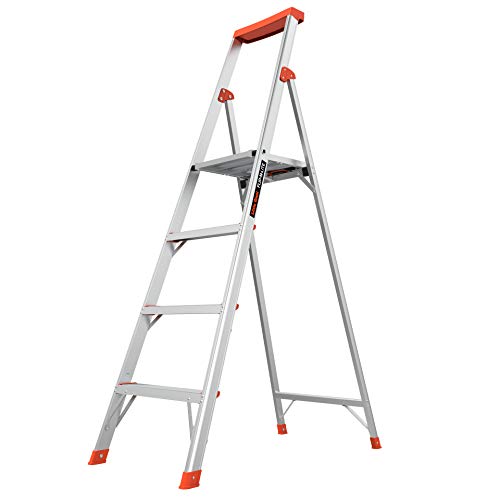
- FULL-SIZE STANDING PLATFORM: Stay locked in on long installs. This full platform gives real standing…
- EASY-RELEASE HANDLE: Open the ladder with a smooth, single motion. The built-in release handle makes…
- BUILT-IN GRIP, NO MISSTEPS: Extra-wide, 3″ steps with textured treads help prevent slips and keep…
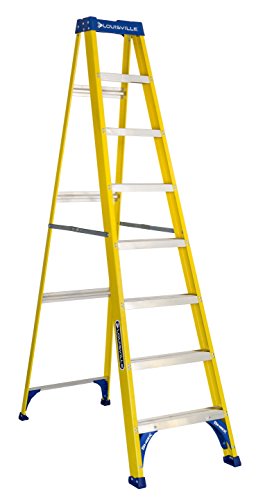
- NON-CONDUCTIVE: Crafted with fiberglass for non-conductive safety assurance, this Fiberglass…
- SUPERIOR BUILD: With its 250-Pound capacity, this 8-foot step ladder is made of superior quality…
- ULTIMATE STABILITY: Featuring slip-resistant rubber feet and angle feet with thick rubber tread on…
Last update on 2026-10-18 / Affiliate links / Images from Amazon Product Advertising API