
Gel vs Oil Stain: Which Stain Delivers the Best Results?
You’ll want gel stain for precise, drip-free application on non-porous or vertical surfaces due to its thick, gel-like consistency and extended workability.
Oil stain, with its thin, watery texture, penetrates deeply into wood fibers, providing superior moisture restoration and outdoor durability, especially on open-grain woods.
Gel stain forms a protective surface layer, while oil stain integrates with the wood internally. Understanding these distinctions helps you select the right stain for peak results in your project.

- THICK, NO-DRIP FORMULA: Less mess than traditional wood stains and applies smoothly on horizontal…
- LOW ODOR, WATER BASED GEL STAIN: Comfortably complete projects indoors including furniture, doors…
- FAST DRY TIME: Dries on wood in only 1 hour for quick project completion

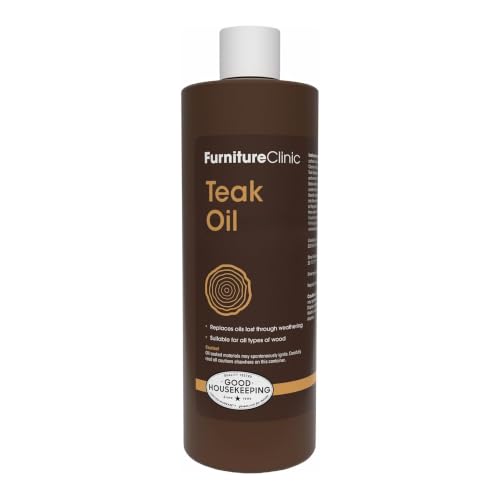
- ENHANCES THE BEAUTY OF THE WOOD: Teak Oil restores the beauty of grey, old and weathered teak…
- PROVIDES PROTECTION: Our high-quality teak oil will protect your indoor and outdoor wooden products…
- SEAL & RESTORES: Use this wood oil to seal unfinished or bare teak and maintain it on an ongoing…
Key Takeaways
- Gel stain has a thick, gel-like consistency that prevents dripping and offers precise surface application.
- Oil stain is thin and watery, penetrating deeply into wood fibers for enhanced grain visibility and moisture restoration.
- Gel stain forms a protective, non-porous surface layer ideal for indoor and vertical projects.
- Oil stain provides superior durability and weather resistance, making it better for exterior and outdoor wood projects.
- Gel stain dries faster (about 2 hours) than oil stain, which requires longer drying and careful recoat timing.
Gel vs Oil Stain Comparison Chart: Key Differences at a Glance
| Feature | Gel Stain | Oil Stain |
|---|---|---|
| Consistency | Thick, gel-like texture that stays on the surface | Thin, liquid formula that penetrates deeply |
| Wood Penetration | Primarily coats the surface | Absorbs into wood fibers |
| Best For | Vertical surfaces, cabinets, fiberglass, veneer, and dense woods | Decks, fences, furniture, hardwoods, and outdoor projects |
| Application Control | Excellent with minimal dripping and easier precision | Requires more care due to running and dripping |
| Wood Grain Appearance | Offers a more uniform color while slightly muting grain | Enhances the natural grain and wood texture |
| Durability | Strong surface protection for indoor use | Better long-term durability in exterior conditions |
| Weather Resistance | Best suited for indoor environments | Better suited for outdoor exposure and changing weather |
| Drying Time | Generally faster surface drying with longer working time | Usually requires longer curing before finishing |
| Ideal Wood Types | Non-porous, sealed, or previously finished woods | Open-grain, unfinished, and porous woods |
| Best Choice If… | You want easy application, fewer drips, and even coverage | You want deep penetration, rich grain enhancement, and outdoor durability |
Gel Stain vs Oil Stain: Differences in Consistency and Texture

Although both gel and oil stains serve to color wood, they differ markedly in consistency and texture. Gel stain exhibits a thick, pasty consistency due to its thickening agents, which limit flow and prevent dripping.
This gel-like texture enables it to remain largely on the surface, forming a protective layer upon drying. In contrast, oil stain has a thin, watery consistency with low viscosity, allowing it to penetrate deeply into wood fibers rather than sitting atop.
This penetration enhances grain visibility and integrates the stain within the wood structure. You’ll find gel stain advantageous for controlled application without runoff.
Oil stain’s fluidity facilitates deep absorption, affecting both the wood’s appearance and durability at a structural level. These fundamental differences dictate their respective performance and application techniques. Pure tung oil, for example, deepens natural wood colors by penetrating fibers and adding subtle warmth to the finish.
Choosing the Best Stain for Vertical and Hard-to-Stain Surfaces
When you’re tackling vertical surfaces, it’s important to pick a stain that won’t drip or run. That’s where gel stain really shines. Its thick, gel-like consistency makes it perfect for these kinds of projects.
Plus, if you’re working with non-porous woods that don’t soak up traditional stains well, gel stain adheres right on the surface. This means you get nice, even coverage without worrying about it soaking in too deep.
On the flip side, oil stain can be a bit tricky in these situations. Its low viscosity tends to cause uneven flow, which isn’t ideal for smooth or vertical surfaces. So, if you want a clean finish, gel stain is definitely the way to go!
Gel stain also offers better coverage of imperfections, making it especially useful for surfaces where a flawless finish is desired.
Vertical Surface Application
Tackling vertical surfaces demands a stain that resists dripping and running during application. Gel stain is the superior choice. Its thick, custard-like consistency limits flow, allowing precise control on walls or cabinetry.
Oil stain’s low viscosity causes drips and uneven coverage vertically. This reduces accuracy and increases mess.
| Property | Gel Stain | Oil Stain |
|---|---|---|
| Consistency | Thick, non-dripping | Thin, prone to running |
| Application Control | High, minimal mess | Moderate, requires care |
| Surface Interaction | Sits on surface, protective layer | Deep penetration, less surface control |
| Ideal Use on Vertical | Excellent, resists gravity effects | Challenging, prone to runs |
Choose gel stain for verticals to ensure clean, even results without drip-related issues. Proper surface preparation and treatment are essential for optimal adhesion and durability on vertical applications, similar to how surface preparation essentials improve silicone bonding on plastics.
Staining Non-Porous Woods
Since non-porous woods resist absorption, choosing the right stain is critical to achieving even color and lasting finish.
Gel stain’s thick, gel-like consistency prevents dripping and sits on the surface, providing uniform coverage on hard-to-stain woods without penetrating.
This characteristic makes gel stain ideal for vertical and non-absorbent surfaces where oil stain’s low viscosity can cause uneven coloration due to variable penetration.
Although oil stain penetrates deeply and enhances wood grain, its effectiveness diminishes on non-porous woods, resulting in blotchy finishes.
When staining non-porous woods, you benefit from gel stain’s surface-level protection and controlled application, ensuring consistent appearance and durability.
Proper surface prep, including thorough sanding, improves adhesion and performance.
Therefore, gel stain offers superior control and finish quality on vertical, non-porous woods compared to oil stain.
For optimal results during finishing, it is important to apply thin coats and allow adequate drying time between layers to prevent uneven curing and prolong durability.
How Gel and Oil Stains Penetrate and Protect Wood Differently?
You’ll notice that gel stain forms a thick surface layer. This layer is great because it really resists moisture and scratches.
On the other hand, oil stain goes a different route. It penetrates deeply into the wood fibers, providing internal protection.
This fundamental difference is pretty important. It affects how each stain safeguards wood from wear and environmental factors.
Oils with deep penetration restore moisture and prevent dryness, offering lasting care beyond surface protection.
Surface Versus Deep Penetration
Although gel and oil stains both add color and protection to wood, they interact with the surface in fundamentally different ways.
Gel stain forms a thick, non-porous layer that primarily sits on the wood’s surface, limiting penetration.
Oil stain, with its low viscosity, seeps deeply into wood fibers, integrating within the wood structure.
Understanding these distinctions matters when choosing the right stain for your project:
- Gel stain’s thick consistency restricts absorption, creating a surface barrier that resists moisture and scratches effectively.
- Oil stain penetrates deeply, enhancing durability by protecting the internal wood fibers and accentuating grain patterns.
- Gel stain’s surface-level protection remains consistent regardless of wood porosity, while oil stain’s absorption depends on wood’s openness and dryness.
This contrast influences both application and long-term wood performance.
Proper surface preparation, including sanding to about 150-grit and removing dust, is essential to maximize oil stain penetration and ensure a smooth, durable finish.
Protective Qualities Comparison
Understanding how gel and oil stains protect wood requires examining their penetration and resulting protective qualities. Gel stain forms a thick surface layer that resists moisture and scratches. Oil stain penetrates deeply, reinforcing wood fibers from within.
This difference impacts durability and suitability for various applications. You’ll find gel stain excels indoors where surface protection suffices. In contrast, oil stain is ideal outdoors, providing lasting internal defense against weather. Many oil-based sealers, such as those in the Ready Seal family, offer UV resistance and water-repellent properties that extend outdoor wood life.
| Property | Gel Stain | Oil Stain |
|---|---|---|
| Penetration | Surface-level barrier | Deep fiber absorption |
| Protection Type | Moisture and scratch resistance | Structural and element defense |
| Durability | High for indoor use | Superior for exterior longevity |
| Application Control | Precise, minimal drip | Requires thorough absorption |
Durability and Weather Resistance of Gel and Oil Stains
When evaluating durability and weather resistance, gel and oil stains offer distinctly different protective qualities tailored to their typical applications. Gel stain forms a robust surface barrier that resists moisture, scratches, and wear. This makes it ideal for indoor furniture and trim.
In contrast, oil stain penetrates deeply, enhancing structural integrity and providing superior protection against outdoor elements.
Consider these key differences:
- Gel stain creates a non-porous layer that shields wood surfaces from abrasion and minor moisture exposure. It relies on surface adhesion.
- Oil stain’s deep absorption delivers long-lasting defense by reinforcing wood fibers internally. This makes it ideal for decks and exterior wood.
- Weather resistance favors oil stain due to its ability to maintain durability despite fluctuating environmental conditions. Gel stain suits controlled indoor climates.
Choosing depends on your project’s exposure and durability needs. Proper moisture control is essential to maximize the lifespan of stained wood surfaces in varying environments.
Drying Times for Gel and Oil Stains
Durability and weather resistance influence how you manage drying times between coats of gel and oil stains. Gel stain requires a minimum two-hour drying period before applying a second coat or finish.
This extended drying time results from its thick, gel-like consistency, which allows for prolonged workability and blending but delays curing.
Oil stain dries faster than gel but slower than water-based stains, typically needing about eight hours before recoating with oil-based finishes. If you use water-based topcoats, wait 24 hours after oil stain application to ensure complete curing.
These drying intervals accommodate the stains’ physical properties. Gel forms a surface barrier while oil penetrates wood fibers, affecting adhesion and final durability. Strictly adhering to these times guarantees peak finish performance and weather resistance.
Environmental factors such as humidity levels can significantly impact the drying and curing times of both gel and oil stains.
Best Projects and Wood Types for Gel vs Oil Stains
Selecting the right stain depends heavily on your project’s environment and wood type. Gel stains suit indoor projects like furniture or trim, especially on non-porous or dense woods where absorption is limited.
Oil stains excel outdoors, penetrating open-grain woods for durability against weather.
Consider these guidelines:
- Indoor, less porous woods: Use gel stains for uniform coverage and minimal drip on vertical surfaces.
- Outdoor, open-grain woods: Choose oil stains to enhance grain texture and provide deep protection.
- Projects requiring grain visibility: Opt for oil stains to highlight natural patterns through fiber penetration.
Additionally, applying a suitable protective coating over stained wood can enhance durability and resistance to moisture and stains.
Applying Gel and Oil Stains for the Best Finish
Although gel and oil stains serve similar purposes, applying them requires distinct techniques to maximize their finish quality.
You’ll want to use a cloth, foam brush, or sponge for gel stains to control application and prevent drips. For oil stains, a brush or cloth works best to guarantee deep, even absorption.
Remember to prep your surface by sanding thoroughly for gel stains. Oil stains demand attention to wood porosity for ideal penetration.
| Aspect | Gel Stain | Oil Stain |
|---|---|---|
| Consistency | Thick, paste-like | Thin, liquid |
| Application | Controlled, minimal mess | Deep, even absorption |
| Surface | Sits on top | Penetrates wood fibers |
| Drying Time | Longer, allows blending | Moderate, wipe excess |
| Best Use | Vertical, indoor surfaces | Outdoor, grain enhancement |
Frequently Asked Questions
Can Gel or Oil Stain Be Mixed With Paint for Custom Colors?
You can mix oil-based stains with oil-based paints to create custom colors, but you must ensure compatibility to avoid finish issues.
Gel stains, due to their thick, gel-like consistency and unique formulation, don’t blend well with paint and can cause uneven results.
For best precision, test small batches first.
Are Gel and Oil Stains Safe for Use on Children’s Furniture?
You can use gel and oil stains on children’s furniture, but you must choose low-VOC, non-toxic formulations designed for indoor use.
Gel stains create a durable surface barrier, reducing chemical exposure risks.
Oil stains penetrate wood fibers but often contain stronger solvents, increasing toxicity concerns.
Always ensure proper ventilation during application and allow thorough curing before use.
For maximum safety, consider water-based alternatives specifically labeled as child-safe.
How Do Gel and Oil Stains Affect Indoor Air Quality and Fumes?
Oh, you just love breathing in toxic fumes, don’t you? Both gel and oil stains release volatile organic compounds (VOCs) that can degrade indoor air quality.
Gel stains tend to emit fewer fumes due to their thicker composition, limiting evaporation. Oil stains, being thinner and more penetrating, release more VOCs and odors, potentially irritating your respiratory system.
Always make certain proper ventilation and use low-VOC options to keep your air breathable and your sanity intact.
Can Gel or Oil Stains Be Removed Easily if Mistakes Occur?
You can remove gel stains more easily if mistakes occur because their thick consistency allows you to wipe off excess before drying.
Since gel stain forms a surface film, you can also use mineral spirits or sanding to correct errors after drying.
Oil stains penetrate deeply into wood fibers, making removal more challenging.
You’ll often need stronger solvents, sanding, or chemical strippers to fix mistakes, especially once the stain has set.
What Are the Cleanup Procedures for Tools After Using Gel or Oil Stains?
After using gel stain, clean your tools promptly with mineral spirits or paint thinner to dissolve the thick residue. Wipe excess stain off before soaking brushes or sponges.
For oil stain, soak brushes in mineral spirits immediately to prevent drying, then wash with warm soapy water. Avoid water alone, as oil stains require solvents for effective removal.
Always ventilate your workspace and dispose of solvent-soaked rags safely to prevent combustion risks.
Gel Vs Oil Stain: Pick the Right Finish with Confidence
When choosing between gel and oil stains, remember that “the right tool makes all the difference.”
Gel stains offer thicker consistency for vertical surfaces and controlled application.
Oil stains penetrate deeply, enhancing wood grain and durability.
Consider your project’s exposure, wood type, and drying time needs.
By matching stain properties to your specific task, you’ll achieve a professional finish that protects and beautifies your wood effectively.

- WOOD GEL STAIN – Minwax Gel Stain is specifically designed to give you full control over the…
- UNIQUE NON-DRIP FORMULA – The non-drip formula of this gel stain for wood makes application easy…
- DELIVERS EVEN COLOR – Minwax interior wood stain delivers color evenly on wood and non-wood…

- [FOOD GRADE PURE TUNG OIL & NO ADDITIVE] OLASIR pure tung oil is extracted from the seeds of…
- [QUICK DRYING & WATERPROOF] Boiled tung oil can dry quickly and will build a protective film on your…
- [PENETRATE & PROTECTS & BRIGHTEN] All-natural tung oil sealant matches your various types of woods…
Last update on 2026-10-18 / Affiliate links / Images from Amazon Product Advertising API