
Heart Pine vs Yellow Pine: Which Wood Is Better?
When comparing heart pine to yellow pine, you’ll find heart pine comes from dense, old-growth longleaf pine. It offers tighter growth rings, richer reddish hues, and superior hardness around 1,225 Janka.
Yellow pine, sourced from faster-growing second-growth species like loblolly, shows lighter colors, wider rings, and lower hardness near 870 Janka.
Heart pine’s rarity and durability make it pricier and prized for premium flooring. Yellow pine suits cost-effective structural uses.
Exploring their origins, properties, and verification methods reveals why your choice matters.
Key Takeaways
- Heart pine is dense, old-growth wood with tight growth rings, while yellow pine is faster-growing, plantation-sourced with wider rings and more sapwood.
- Heart pine has richer reddish-golden hues and higher hardness (Janka ~1,225 lbf) compared to lighter yellow pine with lower hardness (~870 lbf).
- Heart pine is rare, reclaimed, and costly, preferred for premium flooring and restoration, whereas yellow pine is abundant, affordable, and used for structural framing.
- Heart pine offers superior durability, wear resistance, and dimensional stability, while yellow pine provides consistent strength and easier workability at lower cost.
- Verification of species and origin is essential to confirm heart pine’s authenticity and ensure expected physical and aesthetic properties.
Heart Pine vs Yellow Pine: Key Differences in Hardness, Durability, and Uses
| Comparison Factors | Heart Pine | Yellow Pine |
|---|---|---|
| Wood Classification | Dense heartwood, often from old-growth longleaf pine | Southern pine group, including loblolly, shortleaf, slash, and longleaf |
| Typical Source | Reclaimed historic timbers or mature heartwood | Second-growth forests and managed plantations |
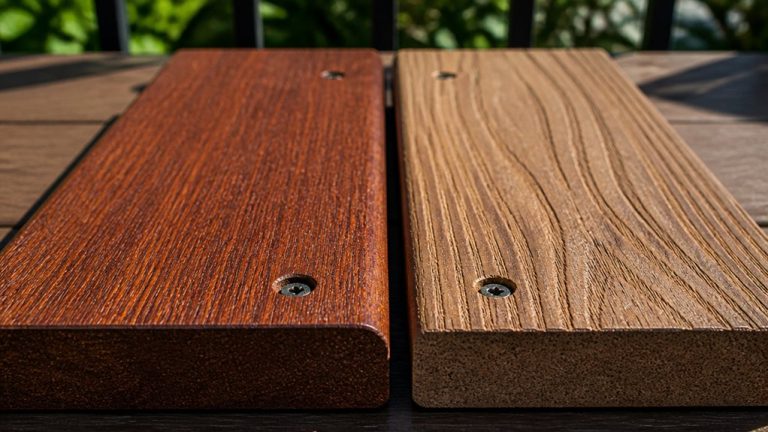
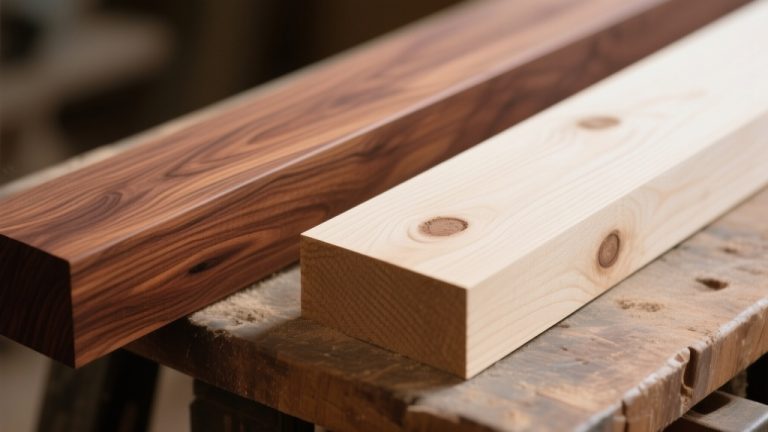
| Wood Color | Rich reddish-golden, amber, and deep orange tones | Light yellow, pale tan, or yellow-brown |
| Grain Pattern | Tight growth rings with distinctive dense grain | Often wider growth rings and more open grain |
| Janka Hardness | Approximately 1,225 lbf for the example discussed | Approximately 870 lbf for the example discussed |
| Density | Typically dense, resin-rich heartwood | Variable density, depending on species and grade |
| Durability | Often excellent wear and dent resistance | Good structural durability, depending on species and treatment |
| Dimensional Stability | Can offer good stability when properly dried | Requires proper drying and moisture control |
| Workability | Dense material may require more careful cutting and machining | Often easier to machine, depending on lumber grade |
| Availability | Limited, particularly authentic reclaimed material | Widely available through lumber suppliers |
| Best Applications | Premium flooring, historic restoration, decorative millwork | Structural framing, general construction, flooring |
| Overall Recommendation | Best for historic character and distinctive interior finishes | Best for accessible construction lumber and versatile projects |
What Is Heart Pine and How Does It Differ From Yellow Pine?

Understanding the distinction between heart pine and yellow pine hinges on their origins and wood characteristics. Heart pine refers specifically to the dense heartwood of longleaf pine or, more broadly, any Southern Pine heartwood, typically from old-growth or reclaimed sources.
Heart pine is the dense, rich heartwood from old-growth or reclaimed Southern Pine sources.
Yellow pine, however, broadly denotes southern yellow pine species like loblolly, shortleaf, slash, and longleaf pine, often from newer growth. You’ll notice heart pine’s tighter grain and richer reddish-golden hues, contrasting with yellow pine’s lighter, yellower appearance and more open grain.
Heart pine’s density and hardness surpass yellow pine’s, making it more durable and stable. Because terminology varies commercially, verifying species and growth origin guarantees accurate comparison.
Fundamentally, heart pine is older, denser, and visually richer, while yellow pine is a broader, more abundant category of southern pines with lighter wood. The difference in density also affects mechanical properties such as strength and stiffness, which are crucial for selecting the right wood for structural or finish applications.
Where Do Heart Pine and Yellow Pine Come From?
You’ll find heart pine mainly in the dense heartwood of old-growth longleaf pines. It’s often reclaimed from historic sources, which gives it a unique character.
On the other hand, yellow pine usually comes from second-growth or plantation-grown southern pines, like loblolly and shortleaf.
Understanding where these two types of pine come from is pretty important. Old-growth heart pine has a distinct density and durability that sets it apart from the more readily available plantation stock of yellow pine.
The difference in growth rings and grain texture between heart pine and yellow pine also influences their durability and aesthetic qualities.
Tree Species Origins
While both heart pine and yellow pine come from Southern Pine species, their origins differ markedly in terms of the tree’s age, growth conditions, and species type.
Heart pine primarily derives from old-growth longleaf pine, known for dense, slow-grown heartwood.
Yellow pine encompasses loblolly, shortleaf, slash, and sometimes young longleaf pines, typically from faster-growing, second-growth or plantation sources.
This difference impacts wood density, color, and grain.
Oak’s dense cellular structure has been shown to increase resistance to deformation, stiffness, and load-bearing capacity, highlighting the importance of growth conditions on wood properties.
| Characteristic | Heart Pine | Yellow Pine |
|---|---|---|
| Species | Old-growth Longleaf Pine | Loblolly, Shortleaf, Slash Pines |
| Growth Age | Mature, slow-grown | Younger, fast-growing |
| Wood Type | Dense heartwood | Mostly sapwood, some heartwood |
| Availability | Rare, reclaimed or old-growth | Widely available, plantation-grown |
Growth and Harvest Sources
Because heart pine comes chiefly from old-growth longleaf pines that grew slowly over centuries, its wood exhibits exceptional density and tight grain not found in younger trees.
You’ll find that true heart pine is primarily sourced from historic, reclaimed timbers or rare old-growth stands, making it limited and often more costly.
In contrast, yellow pine typically originates from faster-growing southern yellow pine species like loblolly, shortleaf, and slash pine, harvested mainly from second-growth forests or plantations.
These younger trees have a higher proportion of sapwood, resulting in lighter, less dense lumber.
When sourcing, you must verify species and growth origin, as “heart pine” and “yellow pine” labels sometimes overlap commercially.
Accurate identification guarantees you get the distinct structural and aesthetic qualities tied to each pine’s growth and harvest background.
Additionally, understanding the density and strength differences between old-growth heart pine and younger yellow pine is crucial for selecting the appropriate wood for your project.
Old-Growth vs Plantation
Old-growth forests produce heart pine characterized by dense, slow-grown heartwood, primarily from longleaf pine trees that matured over centuries. This wood exhibits tight growth rings, deep amber hues, and superior hardness.
Making true heart pine rare, it’s often reclaimed from historic structures or river bottoms. In contrast, plantation sources yield yellow pine, primarily from loblolly, shortleaf, and slash pines grown on managed lands.
Plantation yellow pine typically contains more sapwood, lighter color, and less density due to faster growth cycles. While yellow pine is widely available and economical, it lacks the durability and character inherent in old-growth heart pine.
When sourcing, verify species and growth origin since “heart pine” often implies old-growth or reclaimed material. Conversely, “yellow pine” generally denotes plantation-grown lumber with different physical and aesthetic properties.
Because of its lower density, yellow pine is easier to handle and more cost-effective for large-scale projects compared to heart pine.
Key Differences: Heart Pine vs Yellow Pine at a Glance
Understanding the key differences between heart pine and yellow pine helps you make informed decisions for your woodworking or construction projects.
Heart pine typically refers to dense, old-growth heartwood, often reclaimed, with superior hardness and durability. Yellow pine is a broader term for southern yellow pines, generally younger plantation-grown lumber with more sapwood and less density.
Your choice impacts strength, cost, and longevity. Proper drying and moisture content management also play crucial roles in maintaining the hardness and lifespan of both types of pine.
| Feature | Heart Pine | Yellow Pine |
|---|---|---|
| Source | Old-growth, reclaimed | Plantation-grown, newer stock |
| Hardness (Janka) | ~1,225 | ~870 |
| Density | High, dense heartwood | Lower, more sapwood content |
| Cost | Premium, limited availability | Affordable, widely available |
Appearance and Grain: How Heart Pine and Yellow Pine Compare
Beyond hardness and source, the visual characteristics of heart pine and yellow pine set them apart markedly.
Heart pine and yellow pine differ significantly in their visual appeal beyond just hardness and origin.
When you examine heart pine, you’ll notice its rich red, pinkish-tan, or deep golden hues, derived from dense heartwood, particularly in old-growth or reclaimed specimens.
Its growth rings are tighter and more compact, giving the grain a dense, fine texture.
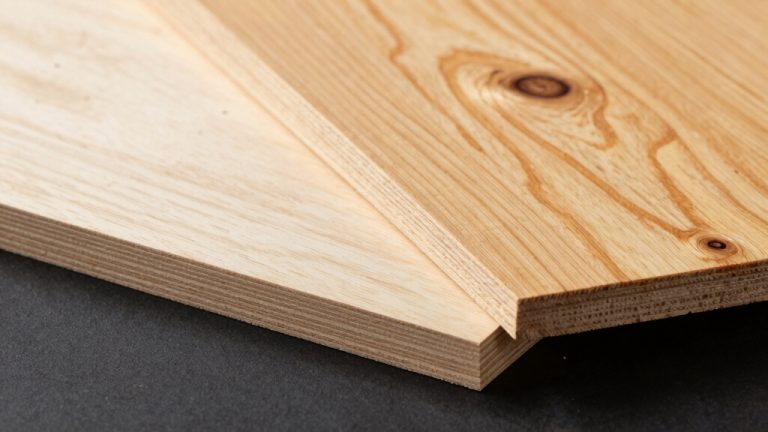
Yellow pine, by contrast, displays lighter colors ranging from yellowish-white to tan or yellow-brown, with a more open, straighter grain pattern.
The contrast between sapwood and heartwood is often more distinct in yellow pine boards, while heart pine’s color tends to be more uniform.
These differences influence not just aesthetics but also how each wood responds to finishing and wear in practical applications.
Both woods require proper sealing and maintenance to ensure longevity, especially when used in outdoor or load-bearing projects, similar to considerations when selecting pressure-treated wood.
Hardness and Durability: Why Heart Pine Is Stronger
While both heart pine and yellow pine offer notable strength, heart pine consistently outperforms yellow pine in hardness and durability due to its dense, tightly grained heartwood.
Heart pine’s Janka hardness typically measures around 1,225 lbf, markedly higher than yellow pine’s approximate 870 lbf rating.
This difference stems from heart pine’s old-growth origin, which produces tighter growth rings and greater wood density.
Consequently, heart pine exhibits superior wear resistance, dimensional stability, and decay resistance.
Yellow pine, often sourced from faster-growing, plantation-raised trees, contains more sapwood, reducing its overall hardness and durability.
When you select heart pine, you’re choosing a material that withstands heavy foot traffic and environmental stress better.
This makes it ideal for high-performance flooring or millwork requiring longevity and structural integrity.
Its natural resistance to moisture and decay is comparable to that of black walnut, known for its durable heartwood and protective compounds.
Cost and Availability: Why Heart Pine Costs More Than Yellow Pine
Because true old-growth heart pine is scarce and often reclaimed from historic sources, its availability is limited compared to widely harvested plantation-grown yellow pine.
You’ll find heart pine primarily through specialized suppliers dealing in reclaimed lumber or limited old-growth stock, which drives its price up due to rarity and the labor-intensive milling process.
Yellow pine, sourced mainly from fast-growing plantations, floods the market, allowing for lower costs and consistent supply.
When you choose heart pine, you’re paying for dense, stable heartwood with rich coloration and historic value, not just raw material.
Conversely, yellow pine’s widespread availability and faster growth cycle make it more economical for large-scale projects.
Bella Cera hardwood flooring, known for its artisan craftsmanship and durable construction, exemplifies the premium qualities found in dense, high-quality wood species like heart pine.
When to Choose Heart Pine for Flooring and Millwork?
You should definitely consider heart pine for your flooring and millwork when you need something that’s exceptionally durable and wear-resistant. Its dense old-growth heartwood really stands out in terms of strength and longevity.
Plus, let’s talk about the aesthetics! The rich color and tight grain of heart pine offer a depth that modern yellow pine just can’t match. It brings a unique character to any space, making it a favorite among designers and homeowners alike.
And if you’re into historic or architectural value, heart pine is a fantastic choice. It’s perfect for restoration projects or any premium interior design work, adding that special touch that elevates the whole look and feel of your home.
Additionally, proper maintenance and refinishing are key to preserving the beauty and durability of hardwoods like heart pine, similar to how maple and oak require care to last decades.
Durability And Wear Resistance
Choose heart pine for flooring and millwork when durability and wear resistance are top priorities. Heart pine’s old-growth heartwood exhibits a Janka hardness around 1,225 lbf, substantially surpassing yellow pine’s approximate 870 lbf.
This density translates into superior resistance to dents, scratches, and everyday wear. Its tighter growth rings and lower sapwood content contribute to dimensional stability, reducing warping and cupping over time.
Additionally, heart pine’s natural resin content enhances decay resistance, making it ideal for high-traffic areas or architectural millwork subject to frequent handling. While yellow pine remains durable for general use, heart pine’s premium hardness and stability justify its selection when longevity and structural integrity under stress are critical.
You’ll invest in flooring and millwork that maintains performance and appearance with minimal maintenance over decades.
Rich Color And Grain
A key factor elevating heart pine in flooring and millwork is its rich, distinctive color and grain patterns, which set it apart from standard yellow pine.
Heart pine features deep golden, reddish, or pinkish-tan hues derived from dense heartwood, producing a warm, saturated appearance.
Its growth rings are tighter and more pronounced, especially in old-growth or reclaimed material, providing a visually complex, textured grain.
By contrast, yellow pine typically displays lighter yellowish-white to tan colors with a more open, straighter grain and pronounced sapwood-heartwood contrast.
When you want flooring or millwork that offers both visual depth and character, heart pine’s rich coloration and dense grain provide an unmistakable premium aesthetic.
This makes it ideal for spaces where enduring beauty and detailed wood texture are critical design elements.
Historic And Aesthetic Value
When preserving historic character or replicating period architecture, heart pine stands out as the superior flooring and millwork option due to its authentic origin and distinctive aged appearance.
Its dense, old-growth heartwood exhibits tight growth rings and deep golden to reddish hues that modern yellow pine can’t replicate.
You’ll appreciate heart pine’s inherent patina, a result of decades of natural aging, which adds unique texture and warmth to interiors.
Unlike yellow pine, often plantation-grown with lighter sapwood, heart pine’s reclaimed material carries documented provenance, enhancing historical integrity.
Choosing heart pine guarantees you maintain architectural fidelity while benefiting from its superior hardness and durability.
For restoration or high-end projects, heart pine’s aesthetic and historic value justify its premium cost.
This makes it the ideal choice when authenticity and long-term performance matter most.
When Yellow Pine Is Better for Construction and Budget Projects?
Opting for yellow pine often makes sense in construction and budget-conscious projects due to its widespread availability and cost efficiency.
Choosing yellow pine is a smart, cost-effective option thanks to its broad availability and affordability.
Yellow pine, typically plantation-grown loblolly or shortleaf, offers consistent structural strength with a Janka hardness around 870.
It is suitable for framing, flooring, and general construction. Its lighter color and more open grain provide easier workability and faster installation, reducing labor costs.
Unlike reclaimed heart pine, yellow pine is abundant, ensuring steady supply and predictable pricing, which benefits large-scale projects.
While it lacks the density and historic character of heart pine, its durability meets most modern building codes and load requirements.
When balancing performance and budget, yellow pine delivers reliable strength and accessibility. This makes it a practical choice for new builds and cost-sensitive renovations.
How to Verify True Heart Pine and Yellow Pine Species?
Start by examining the source documentation and species identification when verifying true heart pine and yellow pine. Confirm that heart pine originates from old-growth longleaf pine, typically reclaimed. Yellow pine usually comes from second-growth southern pines like loblolly or shortleaf.
Inspect growth rings and color: heart pine exhibits dense rings and rich reddish hues. In contrast, yellow pine displays lighter, more varied grain patterns. Use this table to verify key traits:
| Attribute | Heart Pine | Yellow Pine |
|---|---|---|
| Source | Old-growth longleaf (reclaimed) | Second-growth loblolly/shortleaf |
| Color | Deep red, golden tones | Yellow-white to light tan |
| Growth Rings | Tight, dense | Wider, more open |
| Hardness (Janka) | ~1,225 | ~870 |
| Availability | Rare, reclaimed only | Abundant, plantation-grown |
Check documentation and physical traits carefully to ensure authenticity.
Frequently Asked Questions
Can Heart Pine Be Treated for Outdoor Use Like Yellow Pine?
Yes, you can treat heart pine for outdoor use, but it requires careful preparation due to its dense heartwood.
Its natural resin content can resist some decay, but pressure-treating or applying preservatives improves durability against moisture and insects.
Compared to yellow pine, heart pine may absorb preservatives less readily. You might need longer treatment times or specialized methods to guarantee deep penetration and lasting protection in exterior applications.
How Does the Environmental Impact of Harvesting Heart Pine Compare?
Imagine peeling back centuries of growth rings to uncover timber’s history.
Harvesting heart pine, especially old-growth, impacts ecosystems deeply due to its rarity and slow regeneration. This leads to greater environmental strain.
In contrast, yellow pine typically comes from faster-growing plantations. This makes its harvest more sustainable and less disruptive.
You’ll find that sourcing reclaimed heart pine reduces ecological damage. However, fresh heart pine extraction remains more environmentally taxing than yellow pine’s plantation-based supply.
Are There Differences in Maintenance Between Heart Pine and Yellow Pine Floors?
Yes, you’ll find maintenance differs between heart pine and yellow pine floors.
Heart pine, being denser and harder, resists dents and scratches better. This means you won’t need to refinish it as often.
Yellow pine is softer and more prone to wear, requiring more frequent refinishing and care to avoid damage.
Both need regular cleaning with gentle products, but you’ll want to be especially cautious with yellow pine to preserve its surface.
What Finishes Work Best on Heart Pine Versus Yellow Pine Wood?
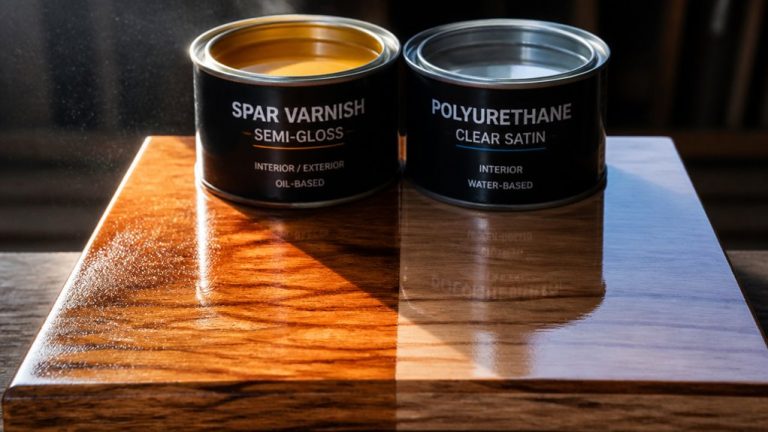
You’ll want to use penetrating finishes like oil-based polyurethane or tung oil on heart pine to enhance its dense, resinous heartwood and rich color.
For yellow pine, water-based polyurethane works well, offering good protection without yellowing its lighter sapwood tones.
Both woods benefit from multiple thin coats with light sanding between applications to guarantee durability and even finish.
Avoid heavy film finishes that may obscure heart pine’s grain depth.
Can Yellow Pine Mimic the Look of Reclaimed Heart Pine With Staining?
Yes, you can stain yellow pine to mimic reclaimed heart pine’s look, but it’s challenging.
Yellow pine’s lighter, softer sapwood absorbs stain unevenly, often producing blotchy results. To get closer, you’ll need a wood conditioner, layered staining, and careful grain enhancement techniques.
However, replicating heart pine’s dense, tight grain and rich reddish-golden tones perfectly is difficult. Yellow pine lacks the same heartwood density and natural color depth.
Final Thoughts on Heart Pine and Yellow Pine Differences
When deciding between heart pine and yellow pine, you’re balancing heritage against practicality.
Heart pine, with its dense grain and superior hardness, commands a premium for lasting beauty and strength.
Yellow pine, lighter and more abundant, fits your budget and structural needs without sacrificing reliability.
Understanding these contrasts guarantees you pick the right wood for your project, whether it’s the refined elegance of heart pine or the cost-effective resilience of yellow pine.
Choose wisely, build confidently.