What Color Floors Go With Dark Cabinets? Expert Design Tips
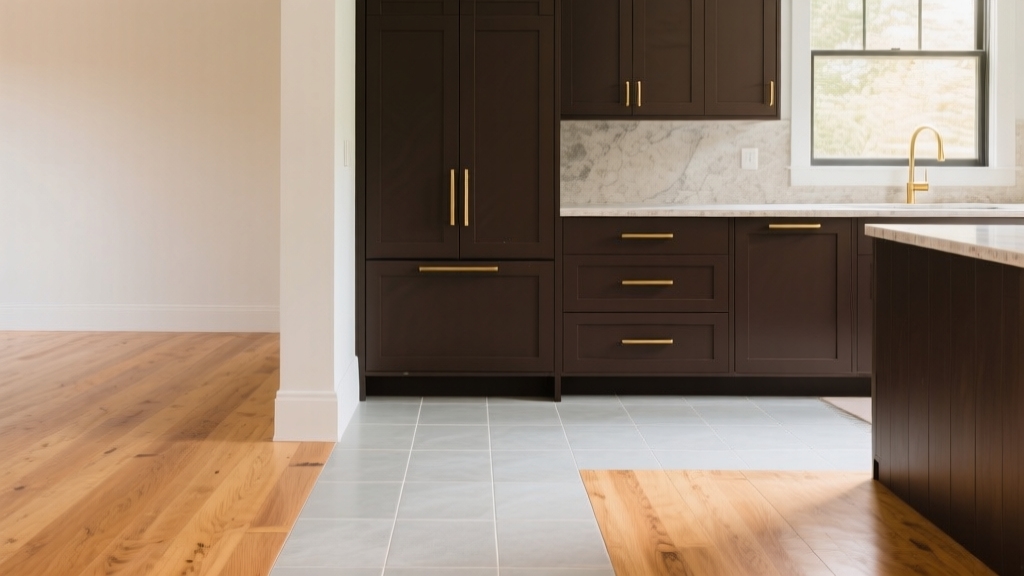
You’ll want floors that brighten and balance your dark cabinets while adding style and warmth. Light oak or maple offer timeless contrast that opens up the space.
Gray tones provide a sleek, versatile base that pairs well with many hues. White or weathered wood floors create fresh, airy vibes, and warm brown woods bring cozy richness.
Each option enhances your kitchen’s elegance and depth. Explore these choices to find the perfect harmony for your design.
Key Takeaways
- Light oak, maple, or blonde floors create timeless contrast and brighten spaces with dark cabinets.
- Gray flooring offers versatile, neutral tones that complement black, espresso, and dark brown cabinetry.
- White or weathered wood floors provide crisp contrast, enhancing brightness and making kitchens feel spacious.
- Warm brown wood floors add inviting warmth and depth, harmonizing well with dark cabinetry’s rich tones.
- Effective contrast between floor and cabinet colors balances visual interest and prevents the space from feeling heavy.
Light Oak and Maple Floors for Dark Cabinets
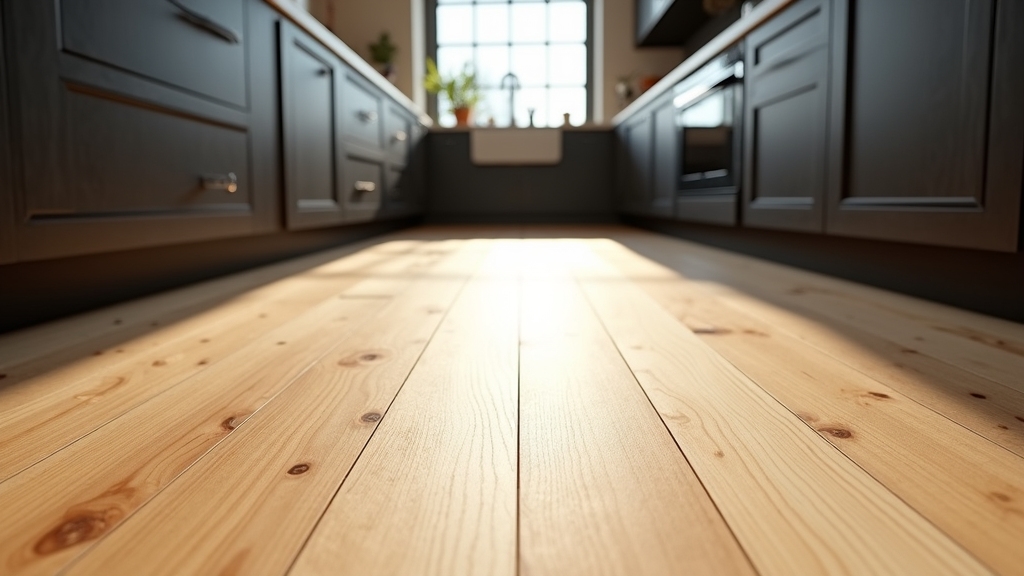
Why choose light oak or maple floors to pair with dark cabinets? They create a timeless contrast that brightens your kitchen and highlights cabinetry’s rich tones.
Both wood types offer neutral to warm undertones that complement espresso, black, mahogany, or cherry finishes, ensuring a cohesive, intentional design. When installing, consider using a T-Strip transition to smoothly bridge the floor surfaces and maintain a polished look.
Neutral to warm undertones in light oak and maple beautifully complement dark finishes for a unified, intentional look.
Light oak’s golden hues and maple’s subtle violet or brown shades add depth without overwhelming the space. Their durability suits high-traffic areas, while their lighter color reflects light to make your kitchen feel more open and welcoming. Layered lighting can further enhance the color harmony between floors and cabinets.
Exploring Gray Flooring Options
While light oak and maple floors bring warmth and brightness to dark cabinets, gray flooring offers a versatile, neutral foundation that adapts to various design styles and colors. Proper care and routine maintenance will keep your floors looking their best for years to come.
You’ll find gray tones effortlessly complement black, espresso, dark brown, and muted green cabinetry, providing a flexible backdrop that supports future updates in walls, countertops, or cabinet styles.
Lighter grays add sophisticated contrast, while darker shades create smooth visual progressions, preventing heaviness.
Choose from gray vinyl, wood-look tile, or hardwood with finishes ranging from cool and crisp to warm and weathered, each adding subtle texture and character.
Gray floors pair beautifully with stainless steel appliances and soft, natural accents, balancing coolness and warmth.
This adaptability makes gray flooring an ideal, timeless choice for your kitchen with dark cabinets. Additionally, gray floors offer versatility and long-term compatibility that accommodate various design shifts over time.
Impact of White and Weathered Wood Floors
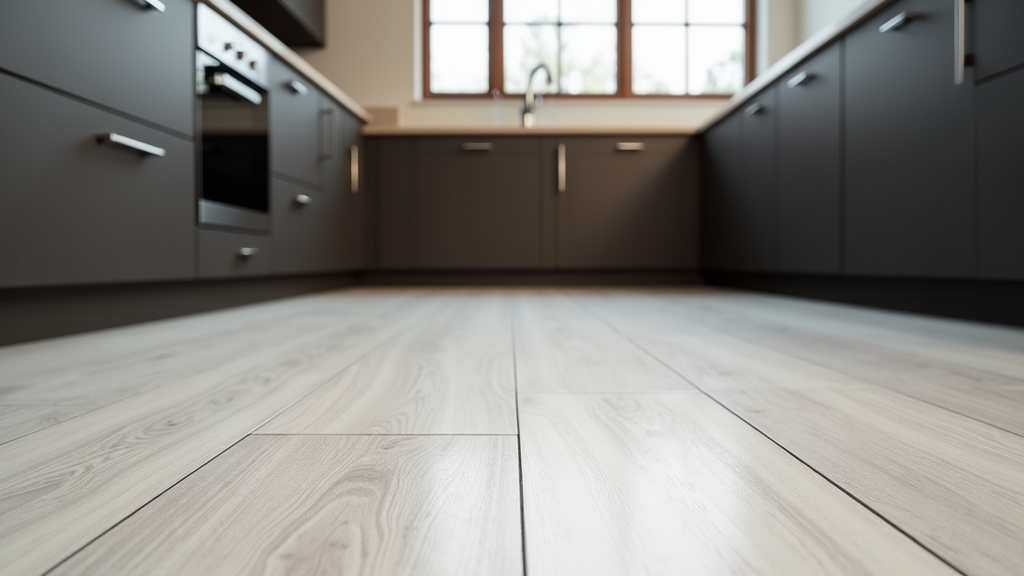
How can white and weathered wood floors transform your kitchen with dark cabinets? They create a crisp, striking contrast that visually separates and highlights both elements.
White and weathered wood floors create a striking contrast that highlights dark cabinets beautifully.
This contrast opens up your kitchen, preventing the space from feeling heavy or enclosed. Especially in smaller or light-limited kitchens, these floors reflect natural light, making the area appear brighter and more spacious.
Choosing floors that are compatible with eco-friendly cleaning practices can help maintain their beauty over time. Distressed Wood features signs of age and wear, drawing focus while white cabinets prevent overwhelm, which works similarly well with dark cabinetry.
The distressed finishes add character while complementing various styles, from farmhouse to contemporary. They also pair well with diverse countertops and backsplashes.
However, keep in mind that lighter floors show wear and dust more readily, requiring regular cleaning. To balance bold contrasts, incorporate natural wood accents, soft textiles, and reflective lighting.
Warmth of Brown Wood Flooring
You know, warm brown wood flooring can really elevate the look of your space. It beautifully enhances the richness of dark cabinets and adds those inviting tones we all love. This combo? It creates a cozy vibe that makes any room feel elegant yet welcoming.
Additionally, choosing medium natural browns can highlight the wood’s natural grain and warmth, perfectly balancing the dark cabinetry. And here’s the thing—when you pick the right shade of brown, you can effortlessly strike that balance between sophistication and comfort.
It’s like giving your home a warm hug! Choosing a shade with the right texture and finish can further enhance the wood’s natural beauty and complement your cabinetry perfectly.
Enhancing Cabinet Richness
When you pair dark cabinets with brown wood flooring, you enhance the richness of both elements through a warm, natural contrast. This combination creates visual depth, balancing the heaviness of dark cabinetry while grounding the space.
The pairing enhances visual appeal and sensory comfort in the space, making it feel more inviting and cozy with depth and richness. Proper maintenance such as seasonal humidity regulation can help preserve the beauty and durability of brown wood flooring in these settings.
Choosing brown floors with undertones that complement your cabinets warm with warm, cool with cool—ensures seamless harmony. The variety of brown shades, from honey to espresso, lets you tailor contrast for traditional or modern designs.
| Aspect | Recommendation |
|---|---|
| Contrast | Floor 2+ tones lighter than cabinets |
| Undertone Harmony | Match warm or cool undertones |
| Style Compatibility | Rustic, farmhouse, contemporary |
| Material Choices | Oak, maple, walnut, hickory |
This pairing enhances cabinet richness elegantly and timelessly.
Creating Cozy Ambiance
Although dark cabinets provide a bold statement, pairing them with warm brown wood flooring transforms your space into a cozy retreat. The rich hues of dark or medium brown floors add psychological warmth, inviting comfort and relaxation into your home. These tones evoke intimacy and belonging, perfect for creating an inviting ambiance in living and dining areas.
Choose floors with golden or honey undertones to soften the room and enrich its natural appeal, balancing the cabinetry’s depth without overwhelming the space. Warm wood floors are celebrated for their aesthetic warmth and character, enhancing the overall atmosphere of any room wood finish.
Incorporate soft textiles and natural materials like wood and leather to amplify warmth and texture. This thoughtful combination anchors your design, offering both luxury and a snug atmosphere that welcomes you and your guests with enduring style and harmony. To maintain this inviting look, consider protecting baseboards during any floor refinishing to achieve a seamless, professional finish.
Matching Floors With Specific Cabinet Colors
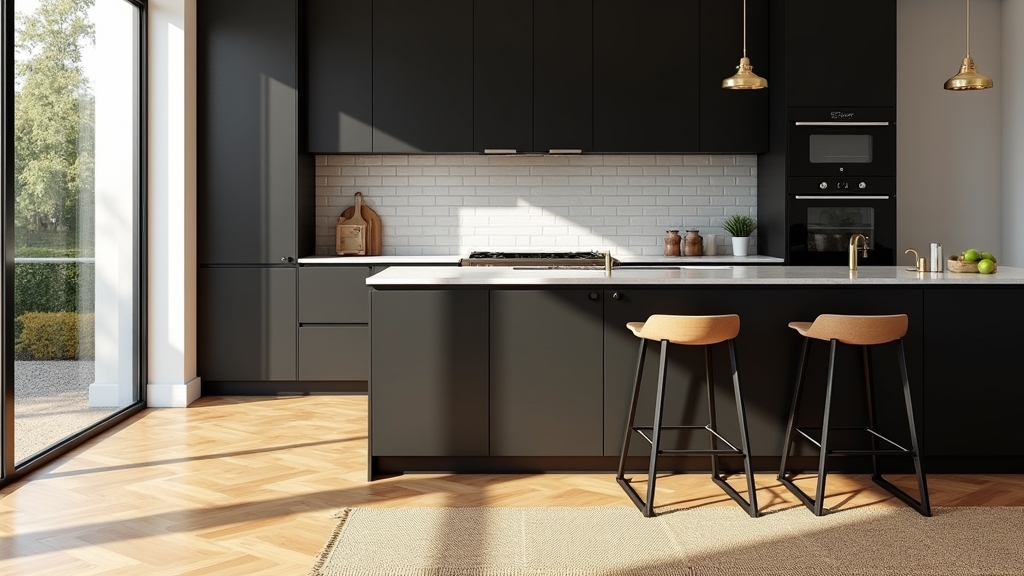
How do you choose the perfect floor to complement your dark cabinets? It starts by considering the cabinet color and the mood you want.
Choosing the perfect floor begins with understanding your cabinet color and the atmosphere you aim to create.
For dark brown cabinets, gray or natural wood floors balance warmth and sophistication. Black or espresso cabinets shine against light blonde or crisp white flooring, brightening the space. In addition, maintaining proper humidity levels helps prevent wood expansion or contraction, preserving the floor’s appearance.
Navy or bold dark cabinets pair beautifully with bleached woods or neutral greige tones, adding subtle contrast without competing.
Match warm brown cabinets with cool gray floors for versatile elegance. Contrast black cabinets with pale wood or white floors to avoid heaviness. Proper color pairing ensures a cohesive and stylish environment.
Use light or neutral-toned floors with navy cabinets for a modern, airy feel. Opt for multi-tonal or textured floors to soften bold, dark cabinetry.
Principles of Design Contrast in Kitchen Flooring
You know, contrast really is key when it comes to making your kitchen visually engaging and dynamic. Think about it—when you pair light floors with dark cabinets, not only do you highlight each element, but you also enhance the overall feel of the room. This balance can be further improved by considering acoustic treatments that complement the visual design while improving the room’s ambiance.
It can make the space feel more open or even a bit more intimate, depending on what choices you make. Using a lighter floor as a neutral canvas can really help put the focus on your cabinets, especially if they feature detailed or ornate designs.
Understanding these principles can really help you create a balanced and sophisticated kitchen design that stands out. Just imagine walking into a kitchen that feels both inviting and stylish—it’s all about those thoughtful contrasts!
Importance of Contrast
When designing kitchen flooring to complement dark cabinets, incorporating contrast becomes essential to avoid a monotonous look. This creates visual tension that draws the eye. Proper cleaning and maintenance can help preserve the contrast by keeping floors free from sticky residues and dullness caused by improper care, such as using wrong cleaning solutions.
Contrast energizes the space, making it visually striking and memorable. It balances dark cabinetry by pairing it with lighter or differently textured flooring, ensuring the room feels dynamic yet cohesive.
You want to introduce variety thoughtfully to prevent the design from feeling flat or claustrophobic. This principle applies across colors, materials, and textures, providing depth and focal interest without overwhelming the senses.
Additionally, selecting flooring shades that show the least dirt, such as lighter browns and grays, can enhance both the aesthetic and practicality of the space maintenance considerations.
- Use contrasting colors and materials to create design tension.
- Balance dark cabinets with lighter floors to enhance openness.
- Introduce texture variations to break uniformity.
- Apply contrast strategically to emphasize key kitchen features.
Light Versus Dark
Although pairing light or dark flooring with dark cabinets each offers distinct effects, your choice will shape the kitchen’s mood and spatial perception. Matte finishes are often preferred with light floors as they enhance natural wood beauty without excessive light reflection.
Light floors create striking contrast, brightening the space and emphasizing cabinetry. Dark floors paired with dark cabinets cultivate warmth and intimacy but demand balanced lighting to avoid heaviness. In spaces with abundant natural light, darker floors and lighter cabinets produce a rich, inviting atmosphere that enhances the overall design.
Consider finish, texture, and undertones carefully to guarantee harmony.
| Flooring Type | Effect with Dark Cabinets | Design Tips |
|---|---|---|
| Light Floors | Enhances brightness, adds contrast | Use matte finishes, neutral tones |
| Dark Floors | Creates cozy, grounded ambiance | Add textures, ensure ample lighting |
| Medium Tones | Balances contrast subtly | Ideal for transitional styles |
| Material Match | Complements cabinet undertones | Align wood or stone undertones |
Spatial Perception Effects
Since contrast plays a crucial role in shaping spatial perception, selecting floor colors that interact thoughtfully with dark cabinets can transform your kitchen’s flow and functionality.
By choosing floors with deliberate contrast, you define distinct zones: prep, cooking, and cleanup, enhancing spatial organization without physical barriers.
Patterns and textures add rhythm, guiding movement and increasing visual interest. Balanced contrasts influence room scale, making your kitchen feel either expansive or cozy. Incorporating visual boundaries through flooring choices can reduce territorial stress and improve comfort.
However, too much contrast may overwhelm, so aim for harmony to maintain clarity and ease. Contrasting floors establish clear visual boundaries between functional areas. Patterns and textures create depth and tactile richness.
Balanced contrasts affect perceived room size and proportion. Strategic contrast supports intuitive navigation and reduces spatial stress.
Frequently Asked Questions
Can Tile or Vinyl Floors Complement Dark Cabinets Effectively?
Yes, tile and vinyl floors can complement dark cabinets beautifully.
You’ll find light-colored tiles or vinyl create a striking contrast, brightening your space.
Neutral tones like gray add sophistication.
Patterned or textured options bring character without overpowering your cabinetry.
Vinyl’s durability and variety let you customize the look perfectly.
How Does Floor Finish (Matte vs. Glossy) Affect Dark Cabinet Pairing?
You’ll find that glossy floors make dark cabinets pop by reflecting light, brightening your space, and creating a sleek, modern vibe. However, they can highlight scratches and demand frequent cleaning.
Matte floors, on the other hand, absorb light, offering a softer, cozier feel while hiding scuffs and fingerprints better.
Choosing between them depends on your style preference and maintenance willingness: glossy for elegance, matte for warmth and practicality.
Are Patterned Floors Suitable With Dark Kitchen Cabinets?
You might be surprised to find patterned floors perfectly complement dark kitchen cabinets.
They add contrast and visual interest, preventing the space from feeling heavy or dull.
Patterned tiles also cleverly hide wear and tear, saving you frequent cleanups.
By balancing depth and introducing personality, these floors create a cohesive, timeless look.
Whether your kitchen is modern or traditional, patterned floors enhance both style and practicality beautifully.
What Flooring Options Are Best for Dark Cabinets in Open-Concept Kitchens?
You’ll find light wood flooring ideal for dark cabinets in open-concept kitchens, as it creates warm contrast and brightens the space.
Medium-tone wood offers balance without overwhelming your design, maintaining cohesion throughout.
Gray flooring suits modern styles, providing a neutral, versatile foundation.
Consider luxury vinyl or laminate for durability and easy maintenance, available in various shades to complement your cabinetry beautifully while enhancing your kitchen’s overall aesthetic.
How Do Lighting Types Influence Floor and Dark Cabinet Color Choices?
You’ll find lighting types heavily impact how floor and dark cabinet colors appear.
Warm lighting softens dark cabinets and warms floor tones, creating a cozy vibe.
Cool lighting sharpens cabinet edges and cools floor hues, lending a modern feel.
Neutral lighting offers true color representation, helping you choose confidently.
Find Your Perfect Floor–Cabinet Harmony
When pairing floors with dark cabinets, you hold the palette that can either anchor your kitchen or lift it like a gust of fresh air. Light oak or maple floors brighten the space, while gray tones add modern sophistication.
White and weathered wood introduce airy contrast, and warm browns bring cozy depth. Remember, the right floor color doesn’t just complement—it dances with your cabinets, creating harmony that turns your kitchen into a masterpiece.