
What Are the 4 Types of Lumber You Should Know?
You’ll encounter four main types of lumber: hardwood, softwood, engineered lumber, and treated or untreated wood.
Hardwood is dense and durable, perfect for furniture and flooring.
Softwood, lighter and more abundant, dominates construction framing.
Engineered lumber offers strength and stability through manufactured layers, great for beams and sheathing.
Treated lumber resists decay outdoors, while untreated suits indoor or visible-finish use.
Each type suits specific needs; exploring their details helps you pick the right material confidently.
Key Takeaways
- Hardwood is dense, durable, and ideal for furniture, flooring, and high-traffic surfaces due to its strength and tight grain pattern.
- Softwood, such as pine and fir, is lighter, grows faster, and is commonly used in construction framing and outdoor projects.
- Engineered lumber includes products like LVL, plywood, and MDF, offering enhanced strength, stability, and versatility for various structural and finish applications.
- Engineered hardwood uses high-density fiberboard cores to improve moisture resistance, dimensional stability, and reduce warping in specialized uses.
- Treated lumber resists decay and insects for outdoor use, while untreated lumber is cost-effective and requires protection when exposed to moisture.
Hardwood Lumber: Uses and Characteristics

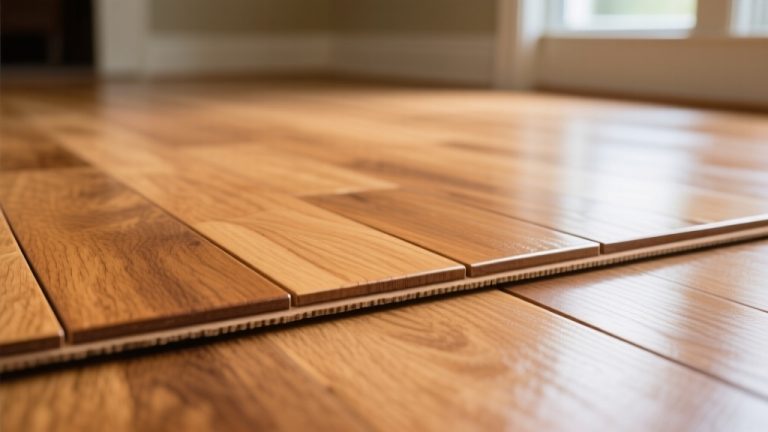
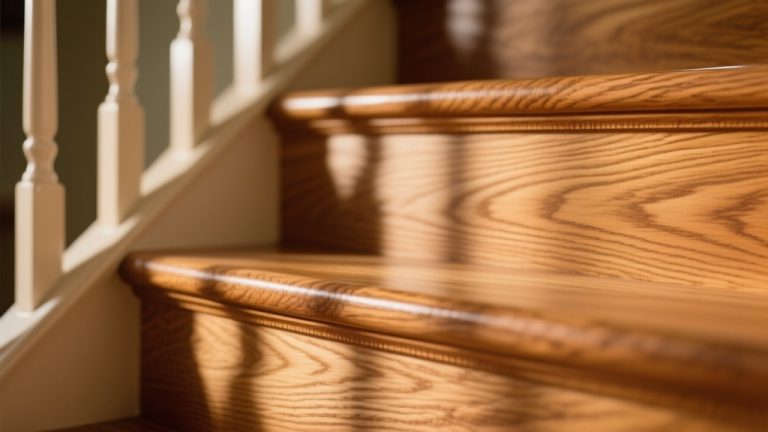
Although hardwood tends to be denser and harder than softwood, you’ll find it excels in applications requiring strength and durability, such as furniture and flooring.
Hardwood’s density and hardness make it perfect for durable, strong applications like furniture and flooring.
When you select hardwood like oak, maple, or mahogany, you’re choosing wood that resists dents and wear better, thanks to higher Janka hardness ratings.
You’ll notice hardwood’s tight grain pattern, which contributes to its strength and aesthetic appeal. It’s ideal for projects where longevity and appearance matter most.
Hardwood’s density means it can be heavier and more challenging to work with, but its stability pays off over time.
Use hardwood when you need structural integrity combined with a refined finish, perfect for heirloom-quality pieces or high-traffic surfaces that demand resilience and a polished look.
Proper installation and ongoing care, including moisture control and refinishing, are essential to maximize hardwood’s durability and lifespan.
Softwood Lumber: Why It’s Dominant in Construction?
While hardwoods offer strength and durability for fine furniture and flooring, softwoods dominate the construction industry because of their availability, workability, and cost-effectiveness.
You’ll find softwoods like pine, spruce, and fir make up about 80% of lumber supply, thanks to their fast growth and abundance.
Softwood’s lighter weight makes it easier to handle and cut on-site, speeding up framing and structural work.
Dimensional lumber, typically softwood, comes in standardized sizes like 2x4s for walls and 2x10s for joists, simplifying planning and construction.
Additionally, softwoods accept treatments well, allowing you to use pressure-treated varieties for outdoor durability.
Their moderate strength and straight grain provide reliable support without the higher cost and density of hardwoods, making softwood your practical choice for most building projects.
Softwoods’ faster growth rate compared to hardwoods also contributes to their resource renewability.
Engineered Lumber: Types, Strength, and Applications
When you need consistent strength and stability beyond what traditional lumber offers, engineered lumber provides reliable solutions tailored for modern construction.
Types include Laminated Veneer Lumber (LVL), which offers high strength in 1.75-inch thick plies ideal for beams and headers.
Oriented Strand Board (OSB), made from compressed wood strands, serves as a durable, cost-effective sheathing material.
Plywood, formed from layered veneers, balances strength and flexibility for roofing and flooring.
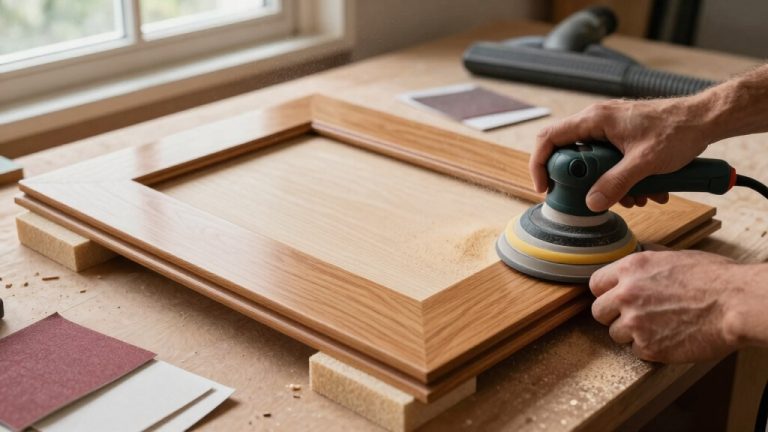
Medium-Density Fiberboard (MDF) suits smooth, precise applications like cabinetry and moldings.
Composite decking combines wood fibers with plastic for low-maintenance outdoor surfaces.
Engineered lumber’s uniformity reduces warping and enhances load-bearing capacity, making it preferable for long spans and specialized uses where traditional lumber might fail or require reinforcement.
You benefit from its strength, versatility, and dimensional stability in demanding projects.
Additionally, High-Density Fiberboard (HDF) cores in engineered hardwood provide superior moisture resistance and stability, making them ideal for high-traffic and water-prone environments.
Treated vs Untreated Lumber: Choosing What’s Right for Your Project
Engineered lumber offers predictable strength and stability, but your project still depends on choosing the right treatment for the wood.
Pressure-treated lumber resists decay, moisture, and insects, making it ideal for outdoor structures like decks and fences. It’s safe for ground or cement contact and can be painted or stained.
Pressure-treated lumber withstands decay, moisture, and insects, perfect for outdoor projects and safe for ground contact.
Kiln-dried wood has reduced moisture content, preventing warping in indoor framing and furniture projects.
Untreated lumber is lightweight and cost-effective but requires natural resistance or protection if exposed outdoors. Cypress and redwood are exceptions due to their decay resistance.
For visible finishes, untreated pine or cedar offers a clean look without chemical treatment.
Assess environmental exposure and structural needs carefully to decide between treated and untreated lumber, ensuring durability and safety for your specific application.
It is important to seal pressure-treated wood only after it has fully dried to prevent moisture damage and enhance longevity, particularly paying attention to cut-end treatment.
Frequently Asked Questions
How Is Lumber Graded for Structural Strength and Quality?
You grade lumber for structural strength by evaluating species groups like Southern Yellow Pine (SYP), Douglas Fir-Larch (DF-L), Hem-Fir, and Spruce-Pine-Fir (SPF).
Inspectors consider density, knots, and grain direction, assigning grades based on these factors. Higher grades mean stronger, more reliable wood.
Dimensions and moisture content affect quality too. Understanding these grades guarantees you pick lumber that meets load-bearing requirements and safety standards for your building projects.
What Are the Standard Dimensional Lumber Sizes for Residential Framing?
You’ll find standard dimensional lumber sizes like 2×4, 2×6, 2×10, and 2×12 commonly used in residential framing.
The 2×4 is typical for walls, while 2×6 or larger often support floors and roofs.
For posts, 4×4 is standard.
Trim ranges from 1×2 to 1×8.
These sizes are milled for uniformity, making your framing precise and reliable.
Always choose kiln-dried or treated lumber based on your project needs.
How Does Kiln-Drying Improve Lumber Stability and Usage?
Think of kiln-drying as the sun’s controlled embrace, drawing out excess moisture so your lumber doesn’t warp or twist like a sailor in rough seas.
By reducing moisture content, kiln-drying stabilizes the wood’s shape and size, making it more reliable for indoor framing and furniture.
It prevents shrinkage and cracking over time, so when you build or craft, your lumber holds steady, giving you a solid, dependable foundation every time.
Which Softwood Species Are Preferred for Pressure-Treated Outdoor Projects?
You’ll want to choose southern yellow pine (SYP), Douglas fir-larch (DF-L), or hem-fir for pressure-treated outdoor projects.
These softwood species absorb preservatives well, resist decay and insects, and provide strong structural support.
SYP is especially popular for decks and framing due to its density and durability.
Pressure treatment enhances their natural properties, making them ideal for exposure to moisture, soil contact, and outdoor conditions where longevity matters.
What Lumber Types Are Best for Flooring Substructure Versus Finished Flooring?
When building your flooring, you want sturdy lumber beneath and beautiful wood above.
For the substructure, choose softwoods like pine or fir. They’re lightweight, strong, and cost-effective for joists and beams.
But for finished flooring, go with hardwoods like oak, maple, or hickory. They resist dents and wear.
This combination guarantees your floor’s stability and lasting appeal. You can enjoy solid support and elegant surfaces every step of the way.
Better Lumber Choices Lead to Stronger Results
When you choose lumber, think of it as selecting the perfect tool from a well-organized toolbox.
Hardwood offers strength and beauty, softwood brings versatility and ease.
Engineered lumber combines innovation with reliability, and treated lumber stands tough against nature’s wear.
Knowing these four types helps you build with confidence, ensuring your project is sturdy and lasting, like planting roots that will grow strong through every season.
Choose wisely, build smart.