
Rustic Floor Ideas Using Wood, Stone, and Texture
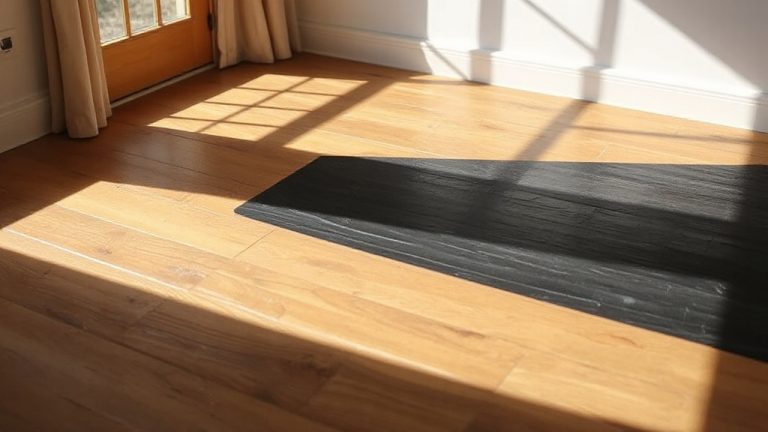
You can create a truly rustic floor by choosing wide-plank, distressed wood with visible knots, grain, and hand-scraped finishes that add character and authenticity.
Combining reclaimed wood or natural stone like slate enhances texture and visual warmth.
Opt for matte or satin finishes to highlight organic imperfections without glare.
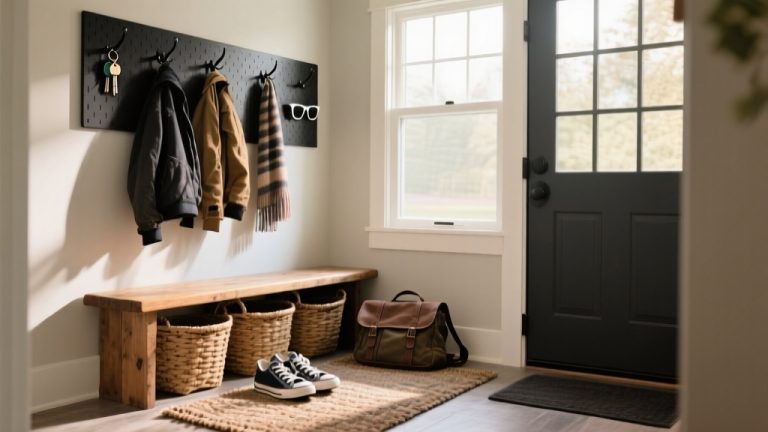
Mix light and dark tones for depth, and pair floors with natural accents like woven baskets or driftwood.
There’s plenty more to explore to perfect your rustic flooring style.
Key Takeaways
- Use wide-plank, hand-scraped wood flooring with visible knots and grain for authentic rustic texture and character.
- Incorporate distressed or reclaimed wood with natural patina and subtle color variations to enhance aged, artisan appeal.
- Choose matte or satin finishes to highlight wood or stone textures while minimizing glare and hiding imperfections.
- Combine natural stone or porcelain tiles with rugged textures for durable, water-resistant rustic flooring options in moisture-prone areas.
- Mix light and dark wood tones with varied plank widths to add depth, visual interest, and a layered rustic look.
What Makes Flooring Rustic?

Rustic flooring captures the essence of nature through its use of authentic materials like wood and stone, often showcasing visible textures and imperfections that tell a story.
When you choose rustic flooring, you’ll notice the emphasis on natural finishes and matte or satin sheens that avoid artificial glossiness.
Rustic flooring highlights natural finishes with matte or satin sheens, steering clear of artificial shine.
Earthy colors, such as browns, grays, and muted greens, anchor the look, creating warmth and depth.
You’ll find that the surfaces often feature distressing, wear marks, or subtle texture variations that enhance character without sacrificing durability.
Even engineered options mimic these traits convincingly.
The key is authenticity: you want flooring that feels lived-in and natural, highlighting organic irregularities rather than hiding them.
This approach guarantees your rustic floor complements a cozy, grounded interior seamlessly.
Proper installation and maintenance are crucial to preserving the rustic floor’s character and maximizing its durability and lifespan.
Rustic Wood Flooring: Wide-Plank, Reclaimed, and Distressed
Choosing wide-plank hardwood floors instantly adds character and depth to your space, making a bold statement with their expansive surface area.
These broader boards highlight the wood’s natural grain and knots, enhancing the rustic charm. Opt for reclaimed wood to introduce authentic history.
Each plank carries unique markings, nail holes, and weathered textures that tell a story. The natural patina and subtle color variations of reclaimed wood enrich your floor’s visual appeal.
When selecting distressed wood, focus on planks that showcase gentle wear without heavy surface damage. This preserves durability while offering an aged look.
Together, wide-plank, reclaimed, and carefully chosen distressed wood create a warm, inviting foundation. They anchor rustic interiors with timeless authenticity and depth.
For maintaining these floors’ beauty and durability, applying hardwax oil finishes can enhance their natural appeal while providing protection.
Distressed and Hand-Scraped Finishes for Rustic Flooring
Enhance your flooring’s character by opting for distressed or hand-scraped finishes, which bring texture and individuality to each plank.
These techniques emphasize natural imperfections, creating a lived-in, authentic look that’s central to rustic design.
Distressed finishes simulate years of wear, while hand-scraped surfaces showcase artisan craftsmanship through tactile grooves and ridges.
When choosing these finishes, consider how they highlight wood grain and knots for a rugged, organic feel.
They retain original markings and slight damage for genuine character.
They pair best with matte or satin topcoats to maintain an understated, natural appearance.
Choosing finishes like hardwax oils can provide a matte, natural feel that accentuates the wood’s grain direction and complements rustic textures.
Wide and Long Plank Layouts for Rustic Flooring
Wide planks really pack a punch when it comes to adding a bold, natural character to rustic floors. They highlight the wood’s grain and texture in such a striking way!
On the other hand, long planks can work wonders for your space. They help create a seamless flow that amplifies the room’s rustic charm.
When you combine wide and long planks, you get a timeless foundation that beautifully balances authenticity with design impact. It’s a winning combination for any rustic aesthetic!
Incorporating a mix of plank widths also plays with scale and rhythm, adding dynamic texture and depth to your floors for a truly unique look. scale and rhythm
Benefits of Wide Planks
When you opt for wide plank flooring, you introduce a sense of spaciousness and character that narrow boards can’t match.
Wide planks highlight the natural grain and texture of wood, enhancing the rustic aesthetic with bold visual impact.
They reduce the number of seams, giving your floor a cleaner, more unified look that feels authentic and inviting.
You’ll also find that wide planks support design versatility, complementing both traditional and modern rustic interiors.
Key benefits include:
- Enhanced natural beauty: Larger surface area showcases wood’s knots and grain patterns distinctly.
- Fewer seams: Creates a seamless, expansive appearance that amplifies room size.
- Durability: Thicker, wider boards often offer greater stability and longevity in rustic settings.
Choosing the appropriate material thickness is essential to ensure the floor’s durability and resistance to wear over time.
Impact of Long Planks
Although wide planks create a strong visual impact, incorporating long planks elevates the rustic floor’s presence by emphasizing length and continuity.
When you choose long planks, you draw the eye across the entire space, making the room feel more expansive and cohesive.
These extended lengths showcase the natural grain and texture of the wood, highlighting rustic characteristics like knots, variations, and distressed marks.
Long planks also reduce the number of seams, contributing to a cleaner, uninterrupted flow that complements rustic aesthetics.
You’ll find that combining wide and long planks enhances the floor’s handcrafted appeal, grounding your space with warmth and authenticity.
This layout suits open-plan areas and traditional settings, reinforcing the timeless charm of rustic flooring with subtle sophistication.
Additionally, selecting floors with precision milling ensures tight board fit and consistent thickness, enhancing the overall stability and appearance of rustic flooring.
Rustic Stone and Tile Flooring Alternatives
Rustic stone and tile flooring alternatives bring a rugged charm to your space while offering durability and easy maintenance. These options enhance rustic interiors by combining natural textures with practical resilience.
When selecting your flooring, consider:
- Porcelain and ceramic tiles that mimic stone’s texture and veining. They provide authentic rustic appeal with water resistance and easy upkeep.
- Luxury vinyl tile (LVT) which replicates natural stone aesthetics but offers softer underfoot comfort and straightforward cleaning.
- Natural stone options like slate or travertine, featuring inherent variations and a worn surface look. They add character and longevity to high-traffic areas.
It is important to account for environmental factors such as humidity and temperature changes to ensure long-term performance and stability of your flooring choice.
Earthy Colors and Matte Finishes for Rustic Flooring
When you’re looking for rustic flooring, earthy colors are the way to go. Think warm browns, muted greys, and soft greens. These shades really help anchor the space, giving it that natural, grounded feel.
And let’s talk about finishes—matte is definitely the way to go here. It cuts down on glare and really showcases the authentic texture of wood or stone. You want to embrace those natural imperfections and grain patterns, right? They add so much character and warmth, making the space feel inviting and lived-in.
Additionally, choosing finishes that hide scratches better is ideal for maintaining the rustic look over time.
Earthy Color Palette
When selecting flooring that embodies the true essence of rustic design, embracing an earthy color palette is essential. These natural tones bring warmth and authenticity, grounding your space in organic charm.
You’ll want to focus on colors that reflect nature’s subtle nuances rather than bold or artificial hues. Consider incorporating warm browns and deep tans that highlight wood’s grain and texture.
Soft greys and muted greens provide a weathered, natural feel. Dusty ochres and clay tones evoke raw, earthy elements.
Pair these colors with natural finishes to keep the rustic character visible. This palette complements the distressed and textured surfaces typical of rustic flooring, creating a harmonious environment that feels inviting and timeless.
Choosing the right earthy shades guarantees your rustic floor becomes a lasting centerpiece. Opting for matte or satin finishes enhances the natural look while maintaining durability in rustic spaces.
Matte Finish Benefits
Earthy colors find their fullest expression when paired with matte finishes, which subtly enhance the natural textures and tones without overpowering them.
When you choose a matte finish for your rustic flooring, you allow the wood’s grain and imperfections to stand out, maintaining that authentic, handcrafted feel.
Matte surfaces minimize glare, creating a softer, more inviting atmosphere that complements the warmth of browns, greys, and muted greens.
This finish also conceals scratches and dirt better than glossy alternatives, making it practical for high-traffic areas.
By opting for matte, you emphasize the floor’s natural beauty, drawing attention to its organic character.
It provides a durable, low-maintenance surface that supports the rustic aesthetic without appearing overly polished or artificial.
Matte finishes are especially beneficial because they hide imperfections more effectively than satin or glossy options, which helps maintain a pristine look in busy households.
Enhancing Natural Texture
Highlighting the natural texture of rustic flooring brings out the depth and character that make these spaces truly inviting.
You’ll want to focus on earthy colors like warm browns, muted greys, and soft greens, which complement the raw, organic feel of the materials.
Matte finishes are essential; they avoid shine, letting the wood or stone’s natural grain and imperfections stand front and center.
To enhance the texture effectively, consider these approaches:
Use wide-plank or hand-scraped wood to emphasize grain and variation.
Choose distressed or wire-brushed surfaces that reveal natural wear.
Opt for finishes that keep original markings visible, adding authenticity.
Using Rustic Flooring With Natural Accents in Room Design
Although rustic flooring already brings warmth and texture to a space, pairing it with natural accents like plants, driftwood, or woven baskets elevates the overall design. This reinforces an organic, grounded atmosphere.
You’ll want to choose accents that complement the wood or stone floors’ earthy tones and tactile qualities. Natural fibers and greenery introduce softness and life, contrasting the rugged flooring while maintaining harmony.
Consider how these elements interplay for a balanced, inviting room.
| Accent Type | Material | Design Tip |
|---|---|---|
| Plants | Live or dried foliage | Use varied heights for dimension |
| Driftwood | Weathered wood | Place as art or functional decor |
| Woven Baskets | Natural fibers | Use for storage or wall accents |
| Stone Objects | Pebbles, geodes | Add texture and subtle shine |
| Linen Fabrics | Curtains, cushions | Soften rustic flooring’s hardness |
Durable Rustic Flooring for Kitchens and Patios
Choose rustic flooring materials that stand up to the high traffic and moisture typical in kitchens and patios without sacrificing style. You’ll want surfaces that combine durability with natural charm, ensuring your floors remain beautiful and functional over time.
Consider these practical options:
- Rustic tile or porcelain: Offers stone-like textures and excellent water resistance, ideal for wet areas.
- Wire-brushed or distressed hardwood: Adds character while hiding wear and tear but requires proper sealing in kitchens.
- Luxury vinyl plank (LVP): Mimics wood or stone with easy maintenance and high moisture tolerance, perfect for patios.
These materials provide the rugged texture and earthy tones central to rustic design while meeting the demands of active, moisture-prone spaces.
Choose finishes with matte or satin sheens to keep the authentic rustic look.
Mixing Light and Dark Tones in Rustic Flooring
When you mix light and dark tones in rustic flooring, you create an engaging depth that brings movement and visual interest to your space.
Mixing light and dark rustic flooring tones adds dynamic depth and captivating visual flow to any room.
Combining wide-plank light woods like whitewashed oak with darker hickory or walnut planks adds contrast while maintaining an earthy palette.
This interplay highlights the grain and texture, especially when you choose distressed or hand-scraped finishes.
Alternating tones across the floor can break monotony and guide the eye naturally.
You might also consider subtle variations within each tone, like a matte whitewash paired with a deep satin walnut, to emphasize rustic authenticity without overwhelming the room.
This approach works well in open layouts where natural light accentuates the flooring’s layered character, balancing warmth and rugged charm beautifully.
Frequently Asked Questions
How Do I Maintain Rustic Flooring to Prevent Damage Over Time?
You should clean rustic floors regularly with a soft broom or vacuum to avoid dirt buildup that can scratch surfaces.
Wipe up spills quickly to prevent stains and moisture damage.
Use gentle, pH-neutral cleaners instead of harsh chemicals to preserve finishes.
Place protective pads under furniture legs and avoid high heels or heavy impacts.
Periodically inspect for wear and consider refinishing distressed or hand-scraped wood to maintain its authentic look.
What Is the Cost Difference Between Rustic Wood and Stone Flooring?
You’ll find rustic wood flooring generally costs less upfront but may need more upkeep.
Stone flooring demands a higher initial investment yet offers superior durability and longevity.
Wood’s price varies by species and finish, usually ranging from $5 to $15 per square foot.
Stone like slate or travertine can run $10 to $25 or more per square foot.
Consider your budget, style, and maintenance preferences carefully before deciding.
Can Rustic Flooring Be Installed Over Radiant Heating Systems?
Yes, you can install rustic flooring over radiant heating systems, but you’ll want to choose materials carefully.
Engineered wood and certain stone or tile options work best because they handle temperature changes and heat transfer well.
Avoid solid hardwood with high moisture content, as it may warp.
Make sure the rustic flooring has a proper finish and is installed with recommended adhesives or underlayments to maintain durability and the heating system’s efficiency.
Are Rustic Flooring Materials Environmentally Sustainable?
Yes, rustic flooring materials can be environmentally sustainable, especially when you choose reclaimed wood or responsibly sourced natural stone.
You’ll want to look for certifications like FSC for wood to make certain ethical harvesting.
Engineered options that mimic rustic textures often use recycled content, too.
How Do Rustic Floors Perform in High-Traffic Commercial Spaces?
Rustic floors can perform well in high-traffic commercial spaces if you choose durable materials like distressed hardwood, stone, or rustic tile.
You’ll want finishes that resist wear, such as matte or satin, to hide scratches and scuffs.
Wire-brushed or hand-scraped surfaces help mask daily wear.
Keep in mind, regular maintenance is key to preserving their rugged charm while ensuring longevity in busy environments.
Choose Rustic Flooring That Fits Your Home
When you choose rustic flooring, you’re inviting warmth, character, and timeless charm into your space.
Whether it’s wide-plank wood, distressed finishes, or earthy stone tiles, each option adds unique texture and depth.
Can you imagine how these natural elements, paired with thoughtful accents, transform your room into a cozy retreat?
Durable and stylish, rustic floors blend elegance with practicality. They are perfect for kitchens, patios, or living areas where life truly happens.