
Can Wet Carpet Cause Mold?Signs, Causes, and Prevention
Yes, wet carpet can definitely cause mold if left damp beyond 24 to 48 hours. Moisture trapped in carpet fibers and padding creates an ideal environment for spores to germinate and grow rapidly.
Mold thrives especially in humid, poorly ventilated spaces where drying is slow. Prompt extraction of water and controlled airflow are vital to prevent growth and protect your indoor air quality.
Understanding how moisture interacts with carpet materials can help you manage and mitigate mold risks effectively.
Key Takeaways
- Wet carpet can cause mold growth within 24 to 48 hours if moisture persists and drying is delayed.
- Carpet padding traps moisture, creating damp conditions ideal for mold colonization beneath the surface.
- High indoor humidity above 70% and poor ventilation accelerate mold development in wet carpets.
- Visible mold often appears as discoloration, fuzzy spots, or musty odors on carpet fibers or padding.
- Prompt water extraction and drying with air movers and dehumidifiers reduce mold risk in wet carpets.
How Quickly Does Mold Develop on Wet Carpet?
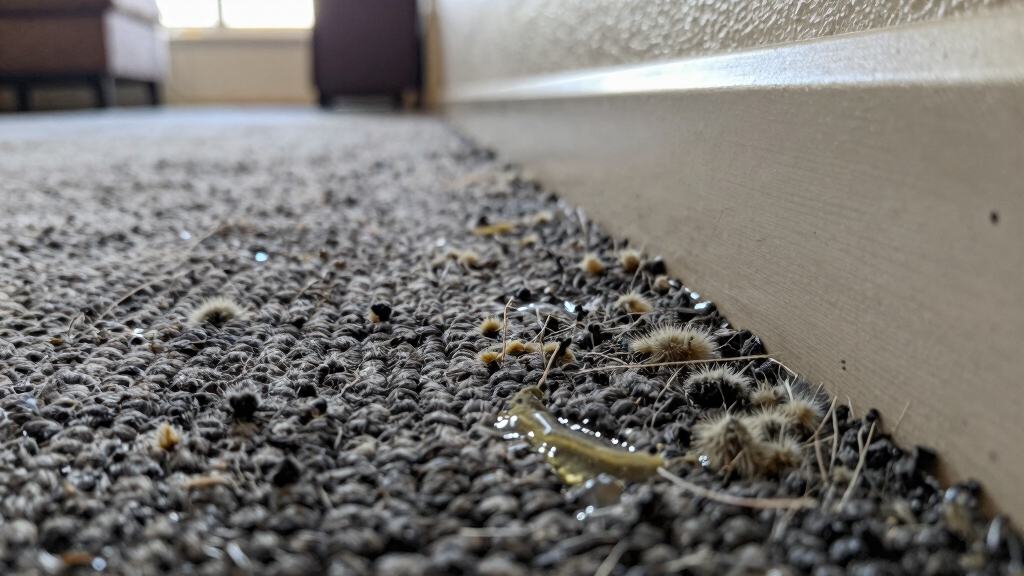
Although mold spores can start germinating on wet carpet within 24 to 48 hours after exposure, the exact timing depends on factors like humidity, temperature, and the presence of organic material in the carpet fibers and padding.
Mold spores can begin germinating on wet carpet within 24 to 48 hours, influenced by humidity and temperature.
During this initial 24–48 hour window, you may detect spore colonization microscopically, especially under warm indoor temperatures (77–86°F) and high humidity. Prompt drying using air movers and dehumidifiers during this period can significantly reduce mold growth.
If moisture persists beyond this period, visible mold colonies typically develop within 3 to 12 days, accompanied by musty odors and discoloration. Poor ventilation accelerates mold development by preventing drying and increasing moisture retention in the carpet.
Mold growth accelerates when moisture penetrates padding or subfloor layers, as surface drying alone is insufficient to halt development.
To minimize mold risk, you should begin extraction and drying within the first 24 hours, since delays beyond 48 hours markedly increase colonization chances in wet carpets.
Factors That Promote Mold Growth in Carpet
Mold growth on wet carpet depends on several environmental and material factors that create favorable conditions for spores to thrive. High relative humidity above 70%, especially near 85% or more, dramatically accelerates fungal proliferation.
Temperatures between 77°F and 86°F optimize mold metabolism, though cooler moist settings also permit growth. Dust accumulation on carpet fibers supplies essential nutrients, with wool and nylon fibers supporting different mold intensities depending on dust concentration.
Proper cleaning and maintenance routines can help reduce these nutrients and limit mold growth. Environmental location matters, as carpets in basements or areas with dark, stagnant air and persistent moisture are at elevated risk.
Poor ventilation compounds these issues by trapping humidity and restricting airflow, fostering a microclimate conducive to mold. Carpet retains moisture easily, creating ideal conditions for mold spores to latch on and multiply.
To inhibit mold, you must control humidity, temperature, dust, and airflow, targeting conditions that mold spores require for rapid colonization on wet carpets. Using appropriate cleaning solutions can effectively remove moisture and debris that promote mold development.
Why Carpet Padding Increases Mold Risk?
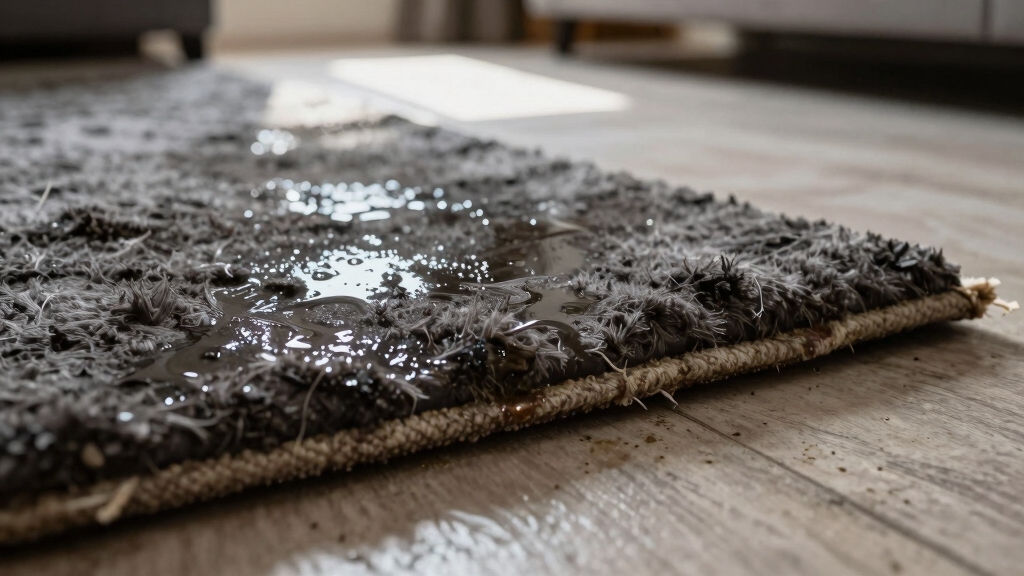
Because carpet padding retains moisture longer than the carpet surface, it markedly increases the risk of mold growth beneath your flooring.
Padding materials like open-cell foam, felt, and organic fibers absorb and trap water, creating damp microenvironments with slow evaporation.
This sustained moisture, combined with restricted airflow beneath the carpet, fosters mold colonization. Poor ventilation and warm indoor temperatures accelerate spore activation, increasing mold risk.
Additionally, padding provides nutrients and porous surfaces that promote fungal growth, often hidden from view until extensive.
Detecting mold in padding is difficult, complicating remediation and frequently necessitating pad replacement.
| Moisture Retention | Nutrient Supply |
|---|---|
| Prolonged dampness | Organic fibers |
| Trapped water | Dust and debris |
| Slow evaporation | Cellulosic matter |
| Damp microenvironment | Increased surface area |
| Hidden contamination | Fungal growth substrate |
Signs That Indicate Mold Presence in Carpet
You know, when it comes to spotting mold in your carpet, there are a few telltale signs to look out for.
First off, you might see dark, irregular spots or patches that just won’t budge, no matter how hard you try to clean them. These spots often indicate mold has begun to penetrate deeply into the carpet fibers.
And if you notice these spots starting to spread, that’s definitely a red flag.
Another big clue is that musty smell.
You know, the kind that really hits you when you walk on the carpet or when your HVAC system kicks in? If the odor seems to get stronger, that’s a sign that mold is likely making itself at home in your carpet.
Also, keep an eye on areas under furniture or along walls where hidden moisture can encourage mold growth.
Visible Mold Indicators
Frequently, the earliest sign that your carpet harbors mold is the appearance of dark spots or patches on its surface.
These can range from black or greenish-black slimy textures characteristic of black mold to gray, green, or white clusters indicating advanced growth.
You might also notice discolorations like yellow or brown blotches, which differ from typical stains.
Staining that returns after cleaning or water marks often signal subsurface mold. It is important to address wet areas promptly to prevent mold development.
Pay attention to texture changes; rough, powdery, or soft uneven spots reveal fiber degradation.
Structural deformities such as warping, bubbling, or lifting, especially near walls or under furniture, often accompany mold infestation.
Additionally, mold growth produces a musty odor and stains that are difficult to remove, which can help you detect its presence.
Recognizing these visible mold indicators promptly helps you address the problem before it severely damages your carpet and indoor air quality.
Musty Odor Detection
Visible signs like discoloration or texture changes on your carpet often indicate mold. However, mold can also reveal itself through a distinctive musty odor.
This earthy, stale smell originates from microbial volatile organic compounds (mVOCs) released by actively growing mold spores in damp fibers.
To detect it, sniff your carpet closely, especially in high-traffic or previously wet areas. Using waterproof sealant on surrounding structures can help prevent moisture buildup that contributes to mold growth.
Consider professional air sampling or mold test kits for confirmation. Persistent musty odors after water exposure signal retained moisture and ongoing mold growth, often hidden in padding or subfloors. Such odors can reveal hidden mold growth even when no visible spots are present.
If you notice unexplained allergy symptoms or respiratory issues coinciding with the odor, treat it seriously. The EPA advises that a moldy smell suggests extensive contamination requiring professional assessment and remediation to prevent health risks and structural damage.
How to Detect Hidden Mold Under Carpet?
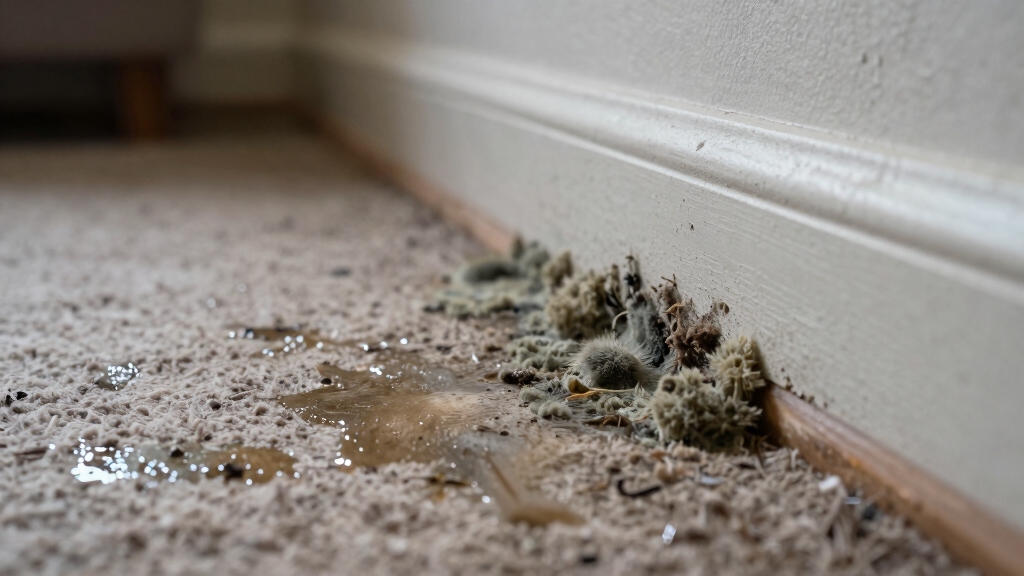
Detecting hidden mold under carpet requires a combination of careful visual inspection, olfactory assessment, and moisture measurement techniques.
Effective mold detection under carpet combines visual checks, smell tests, and moisture measurements.
Start by lifting carpet corners to check for discoloration—green, black, brown, or gray spots—on fibers, backing, or padding. Look for fuzzy or powdery growth and staining patterns like water rings or rust-colored streaks.
Keep in mind that airborne spores often settle into carpet fibers seeking moisture, warmth, and nutrients. During inspection, it is important to also consider the potential for dust accumulation, which can exacerbate mold growth if not removed promptly.
Use your nose: a persistent musty odor, especially near baseboards or closets, often signals concealed mold. Monitor for new respiratory symptoms among occupants, which may indicate elevated spore levels.
Employ moisture meters and thermal imaging to detect damp zones under the carpet. Readings above 15-20% moisture or cooler spots indicate favorable mold growth conditions.
When visual and olfactory signs align with high moisture, hidden mold presence is likely, warranting further professional sampling or remediation.
Immediate Steps to Take When Carpet Gets Wet
When your carpet gets wet, start by quickly identifying and stopping the source of water intrusion to prevent further damage.
Pinpoint leaks from pipes, appliances, or rainfall within six hours and halt the flow before extraction. Remove furniture immediately to avoid further saturation.
Next, extract standing water using a wet/dry shop vacuum or pumps, applying slow pressure to press water from fibers and padding. Avoid use of a standard household vacuum cleaner for extraction to prevent damage and ineffective water removal.
If unavailable, absorb with towels, focusing on visible water. Remove and discard heavily soaked padding promptly, as it retains moisture and fosters mold.
Separate carpet from padding and subfloor if saturation is severe. Increase ventilation by opening windows if humidity is low.
Place air movers and fans at floor level. Use dehumidifiers and slightly raise room temperature to aid evaporation.
Effective Drying Techniques to Prevent Mold
To prevent mold growth after your carpet gets wet, you need to dry it thoroughly using a combination of water extraction, air circulation, and humidity control techniques.
Start by extracting standing water with a wet-dry vacuum or shop vac, targeting both carpet and padding for up to 90% moisture removal. Use absorbent towels to blot excess water, replacing them as needed.
Because carpet padding traps moisture, it’s crucial to address not just the surface but the underlying layers. Using a wet-dry vacuum with appropriate attachments can enhance water extraction efficiency.
Next, position high-powered fans low on the carpet surface and open windows to enhance airflow and evaporation. Run a dehumidifier to maintain humidity between 30-50%, inhibiting mold spore development.
Monitor moisture levels with a meter to detect hidden dampness. Optionally, sprinkle baking soda to absorb residual moisture and odors before vacuuming.
Moderately increase room temperature to accelerate drying without damaging fibers. This integrated approach guarantees efficient drying, reducing mold risk.
Carpet Mold Remediation and Replacement Guidelines
Although mold remediation can be complex, following established guidelines guarantees effective treatment and safety.
First, assess mold extent with moisture meters and infrared cameras. Then contain the area using polyethylene sheeting and negative air pressure. It is critical to ensure that the contamination area is properly measured, as remediation involving 10 to 30 sq. ft. of mold triggers more stringent containment and protective measures.
Proper ventilation and use of protective gear are essential to safeguard health during the remediation process. Removal requires wet methods to suppress spores and discarding heavily contaminated carpet. Cleaning involves detergent wiping and HEPA filtration.
Finally, clearance demands visual inspection, air sampling, and moisture verification.
| Step | Key Actions | Standards/Tools |
|---|---|---|
| Assessment | Measure moisture; locate hidden mold | Moisture meters, IR cameras |
| Containment | Isolate area; seal air systems | 6-mil polyethylene, ANSI/IICRC S520 |
| Removal | Mist carpet; discard porous materials | Wet methods, HEPA vacuum |
| Cleaning & Clearance | Detergent wipe; air sampling | HEPA filters, post-remediation sampling |
Health Risks Associated With Carpet Mold Exposure
Since mold growth in carpets releases airborne spores and allergens, you may experience a range of health effects, especially if you’re sensitive or have preexisting respiratory conditions. Proper ventilation and humidity control can help reduce mold proliferation and improve indoor air quality by limiting mold growth conditions.
Exposure to carpet mold can lead to respiratory symptoms and worsen asthma control.
Allergic reactions like sneezing and nasal congestion are common, and repeated exposure may cause chronic inflammation.
Immunocompromised individuals face increased risks of infections from mold spores.
Key health risks include:
- Respiratory effects: Increased wheezing, coughing, asthma exacerbation, and higher asthma prevalence linked to mold exposure.
- Allergic reactions: Allergic rhinitis, fungal sinusitis, and hypersensitivity pneumonitis triggered by carpet mold allergens.
- Immune-compromised risks: Elevated chances of invasive fungal infections and worsened chronic lung diseases in vulnerable individuals.
Additionally, chronic exposure to mold spores can weaken immune system function, increasing susceptibility to other illnesses.
Recognize these risks to address mold contamination promptly.
Preventing Mold Growth Through Humidity and Ventilation Control
Controlling indoor humidity and guaranteeing proper ventilation play essential roles in preventing mold growth on carpets. Using dehumidifiers and fans in combination helps maintain optimal air circulation and moisture removal rates.
Effective humidity control and ventilation are key to stopping mold growth on carpets.
You should maintain relative humidity between 30–50% using appropriately sized dehumidifiers, especially in basements and bathrooms. Monitoring moisture levels with calibrated meters can provide early detection of dampness that contributes to mold development.
Monitor RH with hygrometers and automate dehumidifier operation when levels exceed setpoints. Consistent air turnover supported by exhaust fans can prevent moisture from settling on carpet fibers.
Combine dehumidification with air conditioning in warm climates to reduce moisture effectively. Keeping indoor temperatures between 60°F–80°F further supports efficient drying and inhibits mold growth.
Install exhaust fans vented outdoors in moisture-prone areas like kitchens and bathrooms to quickly remove humidity. Ensuring that HVAC systems have clean filters and leak-free ducts boosts overall ventilation effectiveness.
Assure HVAC systems have unobstructed vents, clean filters, and leak-free ducts to maintain continuous air turnover. Dehumidifiers integrated into containment zones can accelerate drying in severe moisture incidents.
Since mold can begin developing within 24–48 hours after moisture exposure, acting quickly to dry carpets is crucial. Using extraction mats and high-pressure air movers can help remove trapped moisture beneath carpet surfaces.
Use window ventilation only when outdoor air is drier, and employ fans to accelerate drying after spills. Avoid excessive airflow at high speeds that could cause uneven drying or carpet damage.
Promptly repair leaks and improve vapor barriers to eliminate moisture sources, minimizing carpet exposure and mold risk. Maintaining indoor humidity at 40–60% provides an ideal environment to prevent mold colonization.
Frequently Asked Questions
Can Mold on Carpet Spread to Other Areas of the Home?
Yes, mold on carpet can spread to other areas of your home. Spores become airborne when you disturb the carpet through walking or vacuuming, traveling via air currents and HVAC systems.
Moisture trapped beneath the carpet sustains spore release over time. Foot traffic and pet movement carry spores on shoes and fur.
To limit spread, you should dry wet areas quickly, replace contaminated padding, and maintain low indoor humidity and proper ventilation.
Are Certain Carpet Materials More Resistant to Mold Growth?
When it comes to mold resistance, not all carpets are cut from the same cloth.
You’ll find polypropylene (olefin) stands out as highly hydrophobic and mold-resistant, ideal for damp spots.
Nylon and triexta offer good resistance but need proper treatments and installation.
Polyester and acrylic resist moisture but can trap dirt if matted.
Natural fibers like wool absorb moisture, increasing mold risk unless well-treated and dried.
How Does Pet Urine Affect Mold Development in Carpets?
Pet urine accelerates mold development in carpets by supplying moisture, nutrients, and alkalinity that promote microbial growth.
When urine penetrates fibers and padding, it creates a damp environment where fungi like Aspergillus and Penicillium thrive.
The urea breaks down, raising pH and supporting diverse microbial communities.
Repeated urine exposure prolongs wetness, increasing mold risk.
You’ll find that even after surface drying, urine residues sustain high humidity microclimates ideal for mold proliferation.
Can Professional Carpet Cleaning Alone Remove Mold?
Professional carpet cleaning can reduce surface mold by killing spores with high-temperature steam or antimicrobial agents.
However, it often can’t fully remove mold deeply embedded in carpet backing, padding, or subfloor.
You’ll need additional remediation, material replacement, or moisture control if mold recurs, odors persist, or testing shows airborne spores remain.
Cleaning alone suffices only for light, surface-level infestations when combined with thorough inspection and drying protocols.
Does Carpet Mold Produce Visible Stains Immediately?
You won’t see carpet mold stains pop up like fireworks on the Fourth of July.
Mold doesn’t produce visible stains immediately; it takes 18-21 days under typical conditions for spots or discoloration to appear.
Early mold growth hides beneath the carpet’s surface, especially in padding or backing.
Protect Your Home by Addressing Wet Carpet Immediately
If your carpet stays wet for more than 24 to 48 hours, mold can start developing rapidly, posing health risks and structural damage.
Since carpet padding retains moisture, it increases mold growth chances markedly. You should act quickly by thoroughly drying carpets and controlling indoor humidity to prevent mold.
Remember, mold spores can become airborne, affecting indoor air quality. Prompt detection and remediation are essential to protect your health and your home’s integrity.