Best Way to Get Water Out of Basement Quickly
First, turn off electricity to the basement to guarantee safety.
Wear insulated gloves and boots before starting water removal.
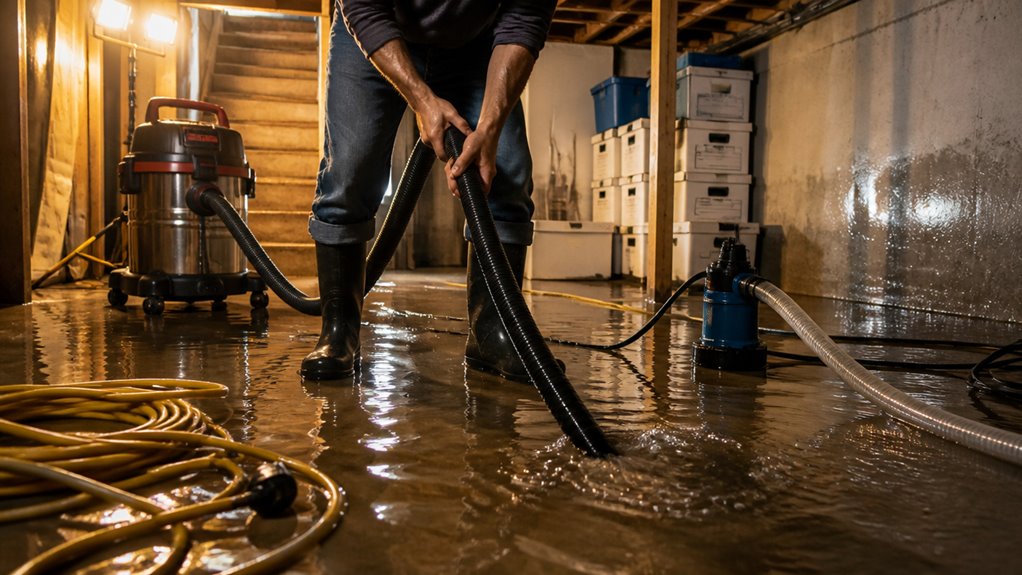
Use a wet/dry vacuum for shallow water. For deeper flooding, pump in stages, lowering 2–3 feet at a time and waiting between to avoid structural damage.
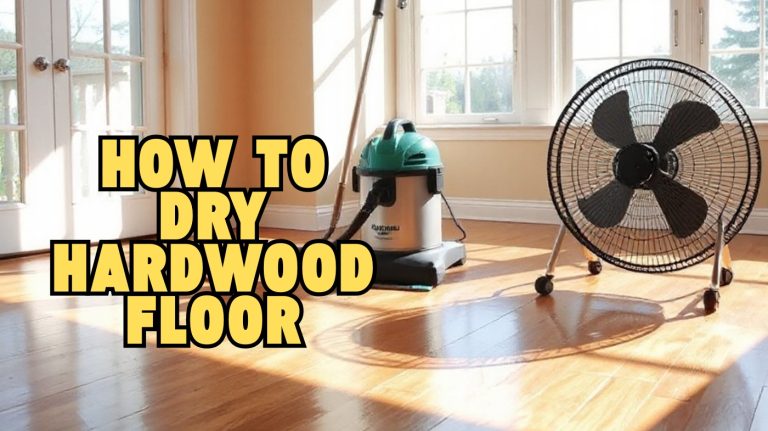
After water is removed, run fans and dehumidifiers continuously to dry the space and prevent mold growth.
Proper cleaning and sealing prevent future issues. You can find detailed guidance on every step ahead.
Key Takeaways
- Turn off electricity to the basement area and wear protective gear before starting water removal to ensure safety.
- Use a wet/dry vacuum for shallow water under one inch and a sump pump for water exceeding one inch.
- Pump water incrementally, lowering levels 2–3 feet at a time, and wait overnight to allow soil stabilization.
- Direct sump pump discharge at least 20 feet away from the foundation to prevent water from returning.
- After pumping, run fans and dehumidifiers continuously until humidity drops below 50% to thoroughly dry and prevent mold growth.
Safety Precautions Before Removing Basement Flood Water

Before you enter a flooded basement, turn off the electricity to the affected area to prevent electrocution. Make sure the main breaker or the circuit controlling basement outlets is completely off.
Wear rubber boots and insulated gloves before handling any water or electrical devices. Avoid contact with wet electrical outlets, switches, or wiring to eliminate shock risk.
Use battery-operated flood lamps to maintain visibility without sparking. Never operate gasoline-powered pumps or generators indoors; carbon monoxide buildup is deadly.
Inspect the area carefully before entry to identify hazards. Follow these safety steps methodically to protect yourself during water removal.
Ensure no electrical current is live in the flooded zone and your protective gear is secure. Safety is paramount before any water extraction begins.
For best results, use equipment with rubber footpads to maintain stability and prevent slipping on wet surfaces.
Essential Tools and Equipment for Basement Water Removal
Before you dive into removing water from your basement, it’s a good idea to grab a reliable sump pump or a wet/dry vacuum. Make sure it’s appropriate for the water depth you’re dealing with.
Oh, and don’t overlook your safety gear! Rubber boots, gloves, and some battery-operated flood lamps are must-haves. They’ll help keep you safe from any electrical hazards that might pop up.
Also, it’s crucial to perform prompt water extraction and drying within 24–48 hours to reduce mold growth and contamination.
Recommended Pumping Equipment
Selecting the right pumping equipment is essential for efficient basement water removal and minimizing damage.
For shallow water under one inch, use a wet/dry vacuum to swiftly remove it. When water stands over one inch, a sump pump or portable utility pump is your best choice.
Make certain the sump pump outlet connects to a garden hose directing water at least 20 feet from your foundation to prevent re-entry.
Start pumping water down 2-3 feet incrementally, allowing the soil to stabilize overnight before continuing.
Avoid rushing to prevent structural damage from hydrostatic pressure. Regularly monitor the water level during this process.
Combining these tools and techniques guarantees controlled, effective water removal, protecting your basement’s structural integrity and expediting the drying phase.
Persistent moisture can promote mold growth, so prompt and thorough water removal is critical to avoid health risks and structural damage.
Safety Gear Essentials
Equip yourself with the proper safety gear to minimize risks during basement water removal. Flooded basements pose electrical and contamination hazards, so don’t compromise on protective equipment.
Before entering, always make certain electricity is turned off to prevent electrocution. Use gear that keeps you insulated and visible in low-light conditions.
Essential safety gear includes:
Rubber boots and gloves to protect against contaminated water and electrical shocks.
Battery-operated flood lamps for safe, spark-free illumination.
Respirator mask to avoid inhaling mold spores or airborne pathogens.
Waterproof coveralls to shield your skin from harmful contaminants.
Always wear nitrile or heavy-duty rubber gloves to ensure puncture resistance and drip protection during cleanup.
How to Pump Basement Water Out Gradually Without Damage?
Start pumping your basement water down gradually to prevent structural damage caused by sudden changes in hydrostatic pressure.
Begin by lowering the water level 2 to 3 feet, then mark this level clearly.
Stop pumping and wait overnight to assure the water doesn’t rebound above the mark, indicating stable soil moisture.
Repeat this incremental pumping only if the water level remains steady.
Monitor the ground around your home for flooding; only proceed with full drainage once the perimeter is dry.
Always check the water level daily during this process to avoid rushing drainage, which can stress foundation walls.
Use a sump pump with an attached garden hose to direct water well away from the foundation, minimizing the risk of seepage or soil erosion.
Maintaining proper moisture levels during and after pumping helps prevent mold growth and structural weakening.
Best Ways to Dry Out Your Basement After Flooding
Running fans toward damp walls and corners for 24 to 48 hours helps accelerate moisture evaporation and prevents mold growth. You should open windows if weather permits to improve airflow.
Use a dehumidifier designed for basements, positioning it centrally and emptying its tank regularly or connecting a drain hose. Aim to reduce humidity below 50% to halt moisture accumulation. Complement fans and dehumidifiers with air conditioning to enhance drying efficiency.
Drill small holes under cabinets and use a vacuum to extract hidden moisture. Monitor humidity levels continuously to adjust drying equipment as needed. Avoid closed spaces that trap moisture; keep basement access open.
Remove wet materials promptly to stop mold and structural damage. This method guarantees thorough drying and safeguards your basement’s structural integrity.
Maintaining indoor humidity between 40–60% is crucial to promote optimal drying and prevent damage to wooden structures.
How to Clean and Disinfect Your Basement After Water Removal?
Once you’ve removed standing water from your basement, it’s critical to thoroughly clean and disinfect all surfaces to prevent mold growth and bacterial contamination.
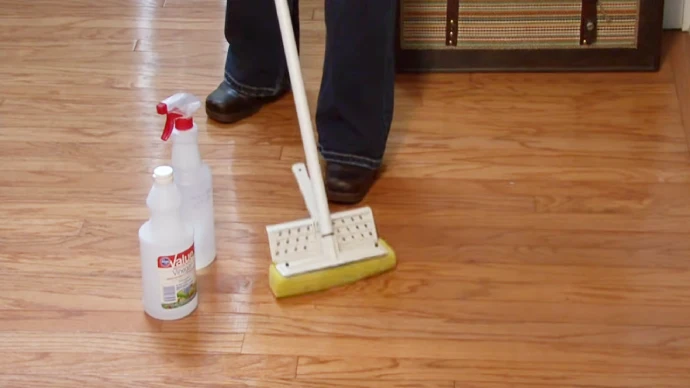
Start by hosing off walls and floors with clean water to remove debris and mud.
Begin by rinsing walls and floors thoroughly with clean water to clear away debris and mud.
Next, prepare a disinfecting solution using 1 to 1.5 cups of liquid chlorine bleach per gallon of water.
Wearing gloves and ensuring proper ventilation, scrub all hard surfaces, including walls, floors, and furniture backs, with this solution.
Promptly remove and discard any waterlogged items made of paper, fabric, wood, or leather, as they harbor bacteria and mold spores.
Shovel out residual mud swiftly to minimize contamination.
This methodical cleaning process reduces microbial hazards and prepares your basement for effective drying and restoration.
Maintaining proper moisture control is essential to preserve structural integrity and prevent long-term damage to wood or metal studs in the basement walls.
How to Prevent Mold and Damage After Basement Flooding?
So, if your basement has flooded, it’s super important to act fast to prevent mold and any structural damage.
First things first, you’ll want to dry everything out. Grab some fans and dehumidifiers to help lower the humidity to below 50%. This step is crucial!
Once you’ve done that, don’t forget to give everything a good clean. Make sure to disinfect all surfaces to get rid of any contaminants. This will really help in stopping mold from making an unwelcome appearance.
And for the long haul, think about some mold prevention strategies. For example, remove any waterlogged materials and seal up those cracks. These steps can really protect your basement in the future!
Consider installing carpet tiles with moisture-proof backing to help prevent mold growth and protect your basement flooring in damp conditions.
Effective Drying Techniques
Consistently directing fans toward damp walls and corners accelerates evaporation and reduces moisture buildup that leads to mold growth.
You should run fans continuously for 24-48 hours and position them strategically to maximize airflow.
Using a dehumidifier designed for basements is essential; aim to maintain humidity below 50% by emptying the tank regularly or connecting a drain hose.
Opening windows helps if weather permits. Air conditioning also aids moisture removal.
Key drying techniques include:
- Position dehumidifier centrally and monitor humidity levels.
- Bore holes under cabinets and use vacuum to dry hidden areas.
- Open windows for cross-ventilation when safe.
- Combine fans, dehumidifiers, and air conditioning for most effective drying.
These steps prevent mold proliferation and structural damage after flooding.
Maintaining proper ventilation systems is crucial to prevent moisture accumulation and high humidity that promote mold growth in basements.
Thorough Cleaning Methods
After thoroughly drying your basement, the next step focuses on eliminating contaminants that can cause mold growth and structural damage. Start by hosing off walls and floors with clean water. Then disinfect surfaces using a bleach solution (1 to 1.5 cups per gallon).
Remove all waterlogged materials like fabrics and papers promptly to avoid mold. Use gloves and confirm proper ventilation during cleaning.
It is crucial to stop water intrusion within six hours to prevent mold from developing on wet surfaces.
| Task | Method | Purpose |
|---|---|---|
| Surface Cleaning | Hose down, then bleach disinfect | Remove dirt and pathogens |
| Material Removal | Dispose of soaked porous items | Prevent mold and decay |
| Mud Removal | Shovel out promptly | Avoid long-term damage |
This thorough cleaning reduces microbial growth risks and preserves your basement’s integrity post-flood.
Mold Prevention Strategies
Regularly monitoring and controlling moisture levels in your basement is essential to preventing mold growth and structural damage after flooding.
After water removal and thorough cleaning, focus on drying and moisture control to inhibit mold spores from settling and multiplying. Use these targeted strategies:
Run fans and dehumidifiers continuously until humidity drops below 50%. Ensure air circulation reaches all corners and hidden spaces.
Disinfect surfaces with a bleach solution to kill residual mold spores and prevent regrowth.
Remove and discard water-damaged porous materials like drywall, carpets, and insulation to eliminate mold reservoirs.
Inspect and repair foundation cracks, gutters, and drainage systems to prevent future moisture intrusion.
Implementing these measures promptly limits mold development and preserves your basement’s structural integrity after flooding.
Long-Term Basement Waterproofing Tips and Drainage Solutions
When you want to protect your basement from future water damage, implementing long-term waterproofing and drainage solutions is essential.
Start by making sure your gutters and downspouts are clear and direct water at least 6-10 feet from your foundation.
Grade the soil around your home to slope away, preventing water accumulation near walls.
Seal all cracks in walls and floors with high-quality masonry sealant to block seepage.
Consider installing an interior drainage system paired with a reliable sump pump to manage groundwater effectively.
Upgrade window wells with covers to keep out rain and debris.
Regularly inspect and maintain your sump pump and drainage components to guarantee peak operation.
These technical measures establish a robust defense, minimizing hydrostatic pressure and long-term moisture infiltration.
Routine Basement Maintenance to Prevent Future Flooding
Consistently inspecting your basement and its drainage systems helps catch potential issues before they escalate into flooding problems. You should schedule monthly checks to identify vulnerabilities early, ensuring your home stays dry and damage-free.
Focus on these key maintenance tasks:
Clear gutters and downspouts to direct water 6-10 feet away from the foundation.
Verify soil slopes away from the house to prevent water pooling near walls.
Inspect sump pump functionality regularly and test backup power sources.
Seal any cracks in walls and floors with appropriate masonry sealant.
Frequently Asked Questions
Can Household Fans Alone Prevent Mold Growth in a Flooded Basement?
No, household fans alone can’t prevent mold growth in a flooded basement.
While fans help circulate air and speed surface drying, they don’t reduce humidity enough to stop mold spores from thriving.
You’ll need a dehumidifier designed for basements to lower moisture below 50%.
Combine fans with dehumidification and proper ventilation to effectively control dampness and inhibit mold development after flooding.
Is It Safe to Use Bleach on All Basement Surfaces?
You can use bleach safely on hard, non-porous basement surfaces like concrete, tile, and sealed wood.
You should avoid bleach on porous materials such as drywall, fabric, or unsealed wood because it can cause damage and won’t fully disinfect.
Always wear gloves and guarantee proper ventilation while applying bleach solutions.
Mix 1 cup bleach per gallon of water precisely, apply evenly, rinse thoroughly, and never combine bleach with ammonia or other cleaners.
How Long After Flooding Is It Safe to Re-Enter the Basement?
You can safely re-enter the basement once the electricity is turned off, water levels have dropped below one inch, and there’s no standing water near electrical outlets or appliances.
Wear rubber boots and gloves, and use battery-operated flood lamps for visibility.
Wait until structural integrity is confirmed and air circulation is established to reduce mold risk.
Typically, this means several hours to a day after flooding, depending on severity and drying progress.
What Are Signs of Hidden Water Damage Behind Walls?
You might notice subtle signs of trouble behind your walls, like musty odors, peeling paint, or wallpaper bubbles.
Look for soft spots, discoloration, or warping on drywall surfaces. Mold growth, even faint, signals hidden moisture.
Use a moisture meter to pinpoint damp areas. Address these signs promptly with targeted drying and professional inspection to prevent structural issues and costly repairs.
Don’t let unseen water damage stay quiet and worsen.
Can Basement Flooding Affect Home Insurance Coverage?
Yes, basement flooding can impact your home insurance coverage.
Most standard policies don’t cover flood damage caused by natural disasters or groundwater seepage.
You’ll need separate flood insurance for that protection.
If flooding results from sudden pipe bursts or accidental discharge, your policy may cover it.
Always review your policy details carefully and document all damage promptly to support claims.
Consider installing preventive measures to reduce risk and maintain coverage validity.
Take Action Before Basement Water Causes Mold
Removing water from your basement promptly is vital. Did you know that 48 hours is the critical window before mold starts to grow?
By following safety precautions, using the right tools, and pumping water out gradually, you minimize structural damage.
Drying, disinfecting, and preventing mold are key steps to restore your space effectively.
Implement long-term waterproofing and routine maintenance to protect your basement from future flooding and costly repairs.
Act swiftly and smartly for the best results.