How to Tell if Your Sewer Is Backed Up at Home?
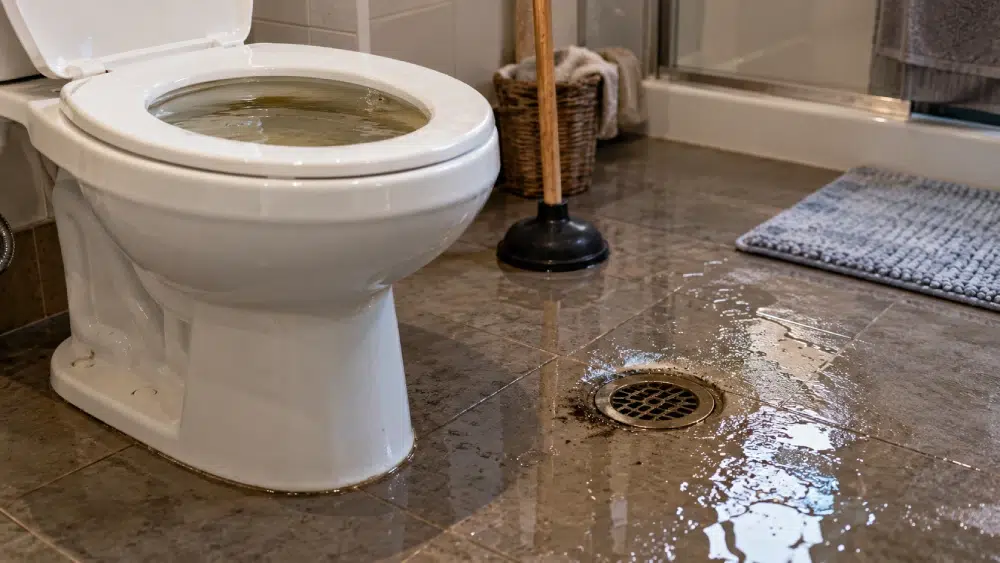
You can tell your sewer is backed up if multiple drains in your home slow down or water rises in tubs and toilets after flushing.
You may hear gurgling or bubbling noises as trapped air struggles through blockages. Foul sewage odors, especially in basements or near cleanouts, signal serious issues.
Outside, soggy ground, lush lawn patches, or unpleasant smells near sewer lines also indicate problems. Recognizing these signs early helps prevent costly damage.
Understanding the causes and next steps will fully equip you to act.
Key Takeaways
- Multiple slow or sluggish drains across sinks, tubs, and toilets often indicate a main sewer line blockage.
- Gurgling or bubbling noises from drains or toilets signal trapped air due to partial sewer blockage.
- Unexpected water rising or backing up in lower-level fixtures during heavy appliance use suggests sewer backflow.
- Persistent foul odors in basements or near cleanouts can indicate sewage gases escaping from a clogged sewer.
- Inspecting sewer cleanouts for standing water or debris helps identify downstream blockages early.
What Is a Sewer Backup and Why Early Detection Matters?

Although you mightn’t notice it immediately, a sewer backup occurs when wastewater flow is obstructed, causing sewage to reverse direction and enter your home or property.
A sewer backup happens when blocked wastewater reverses flow, leading sewage back into your home or property.
This obstruction can result from clogs, tree roots, or pipe damage.
Early detection matters because the longer you wait, the greater the risk of extensive property damage, health hazards, and costly repairs.
Recognizing signs like slow drains, gurgling sounds, or sewage odors lets you act promptly to prevent backups from worsening.
Addressing issues early helps maintain your plumbing system’s integrity and reduces exposure to harmful bacteria and contaminants.
Staying vigilant guarantees you avoid emergencies and keep your home safe, sanitary, and functional.
Detecting a backup early saves time, money, and stress.
Regular maintenance and avoiding flushing non-degradable items are key prevention measures to reduce the risk of backups.
How Heavy Water Use Can Trigger Sewer Backup Symptoms?
Heavy water use often reveals hidden weaknesses in your sewer system by increasing pressure and flow beyond normal levels.
When you run multiple appliances or fixtures simultaneously, like laundry, dishwashers, or showers, the volume of wastewater entering the sewer line spikes.
This surge can overwhelm partially blocked pipes or damaged sections, causing wastewater to back up into lower fixtures such as basement floor drains or toilets.
You might notice water rising unexpectedly or hear gurgling noises as trapped air struggles to escape.
These symptoms occur because the sewer line can’t handle the increased flow, leading to pressure buildup and potential backflow.
Monitoring heavy water use patterns helps you identify early signs of sewer trouble before full backups develop.
Acting promptly reduces costly repairs and health risks associated with sewage backups.
Water rising in the tub when the toilet is flushed is a classic sign of a main sewer line clog.
Multiple Slow Drains Indicate Sewer Backup
You’ll often notice multiple slow drains before a sewer backup becomes severe. If you see sluggish drainage in several fixtures like sinks, tubs, and toilets, it likely points to a main sewer line issue rather than a localized clog.
Slow drainage usually starts at lower-level fixtures, then spreads upward as the blockage worsens. When laundry or dishwashing runs, slow drains often become more noticeable due to increased water flow.
Monitoring multiple slow drains simultaneously is vital because repeated sluggishness across different fixtures signals a deeper blockage within your main sewer line. Addressing this early can prevent full backups and costly repairs.
If only one drain is slow, the problem is probably local, but widespread slow drainage demands prompt inspection of your moisture sources to avoid damage that could lead to floor buckling.
What Gurgling and Bubbling Noises Mean for Your Sewer Backup?
When you hear gurgling or bubbling sounds coming from your toilets, sinks, or drains, it often means trapped air is struggling to escape due to a partial sewer line blockage.
Gurgling sounds from drains usually signal trapped air from a partial sewer line blockage struggling to escape.
This occurs because wastewater flow is restricted, causing air pressure to build and push back through the traps.
You’ll notice these noises more when multiple fixtures produce them simultaneously, signaling a systemic issue rather than a localized clog.
Bubbling in toilets during other fixtures’ use is a classic early warning.
These sounds indicate that the sewer line isn’t venting properly, and pressure is accumulating.
Ignoring this can lead to worsening backups and potential sewage overflow.
Addressing gurgling noises promptly helps prevent more serious drainage failures and costly repairs.
If the problem persists, consider using leak detection tools to precisely locate hidden pipe damage for timely repair.
How Sewage Odors Point to Main Sewer Blockages?
When you start to notice those persistent foul smells, it’s often a sign that sewage gases aren’t venting properly.
This can happen when there’s a main sewer blockage.
So, what should you do? Pay close attention to any odors near cleanouts or utility rooms.
These areas can be telltale signs of pressure building up in the system.
If you’re catching whiffs of something unpleasant, don’t ignore it!
Those smells, especially when combined with other symptoms, usually point to a deeper issue in your sewer line.
It’s definitely something that needs immediate attention.
Trust me, addressing it sooner rather than later can save you a lot of trouble down the road!
Additionally, controlling moisture sources and improving ventilation can help prevent the musty odors that often accompany sewer problems.
Persistent Foul Smells
Persistent foul smells around your home often signal a main sewer blockage that requires immediate attention.
These odors originate when wastewater gases can’t vent properly due to partial or full obstructions in the sewer line.
You’ll notice smells near floor drains, basements, or even outdoor areas like yards.
If the blockage restricts flow, pressure builds, forcing gases back through drain traps.
This persistent odor is a reliable warning sign, especially when combined with slow drains or gurgling sounds.
Don’t ignore these smells; they indicate trapped sewage gases that pose health risks and suggest worsening line blockages.
Addressing persistent sewer odors early can prevent backups, costly repairs, and damage to your plumbing system.
Call a professional plumber to inspect and clear the main sewer line promptly.
To minimize health risks during cleanup, always follow safety precautions and safety gear when addressing sewer backups.
Odors Near Cleanouts
Sewage odors near cleanouts often reveal pressure buildup and blockages in the main sewer line.
When you notice foul smells around cleanout access points, it usually means wastewater gases are trapped behind a clog.
These odors indicate that the sewer system’s normal venting is compromised, causing gases to escape where the pressure is highest.
Check for liquid, debris, or sewage near the cleanout; these signs confirm wastewater is pushing back.
If you detect persistent smells here, don’t ignore them. They often precede more severe drainage issues like backups or slow drains.
Addressing odors near cleanouts promptly helps prevent costly damage and protects your home’s sanitation by signaling mainline blockages early.
What Basement and Floor Drains Tell You About Sewer Problems?
Keep an eye on your basement and floor drains. They often give the earliest clues of sewer trouble.
If you notice water creeping up through these drains during showers, laundry, or flushing, it suggests rising pressure in the main sewer line.
Overflow or slow drainage here is a strong indicator that wastewater isn’t flowing properly.
Sewage or debris near basement cleanouts also signals a backup, meaning the main line is pushing waste back into your home.
These lower-level warning signs typically appear before problems show up in upper fixtures.
Catching issues at this stage helps prevent costly damage.
Regularly check these drains for standing water, unusual odors, or slow draining to identify potential sewer line blockages early and act promptly.
Maintaining proper moisture control in your basement can help prevent mold growth that often accompanies sewer backups.
Water Backing Up Is a Serious Warning Sign
Hey, if you’re noticing water backing up in your sinks, tubs, or toilets, that’s definitely a red flag. It usually means your sewer line is having a tough time draining properly.
And don’t overlook appliances like washers or dishwashers! If they’re causing overflow, that’s a clear sign that there’s a restriction in the mainline. Trust me, you’ll want to tackle these issues right away. Ignoring them could lead to some serious damage down the line.
Proper maintenance and timely reapplication of protective coatings, like waterproof finishes, can help prevent damage caused by moisture and leaks.
Fixtures Showing Water Backflow
When water starts backing up into your sinks, tubs, showers, or toilets, it signals a serious problem with your drainage system.
Water backflow usually begins in lower fixtures, like basement sinks or floor drains, before affecting upper-level plumbing.
If you notice dirty, dark water or sewage rising in these fixtures, it indicates a main sewer line restriction.
Toilets that overflow or back up after flushing are critical warning signs requiring immediate attention.
This backflow means wastewater can’t exit your home properly, causing pressure to build and water to reverse direction.
Ignoring these signs can lead to extensive damage and health hazards.
Act promptly to assess the issue, as fixtures showing backflow confirm your sewer system is compromised and needs professional inspection.
Immediate action is crucial to prevent mold growth and structural damage caused by prolonged moisture exposure.
Overflow During Appliance Use
Appliance use can trigger water to back up into your sinks, tubs, or floor drains, signaling a severe sewer line blockage.
When you run your washing machine, dishwasher, or other water-intensive appliances, the main sewer line may become overwhelmed if it’s clogged or damaged.
This causes wastewater to flow backward into lower-level fixtures, creating overflow issues.
If you notice dirty or dark water surfacing during appliance cycles, it’s a clear sign the sewer line can’t handle the household flow.
Ignoring this can lead to extensive damage and health hazards.
Act immediately by stopping appliance use and contacting a professional plumber to inspect and clear the blockage before the problem escalates.
Overflow during appliance use demands urgent attention to prevent costly repairs.
What Outdoor Yard and Lawn Issues Reveal About Sewer Backups?
Outdoor yard and lawn issues often serve as early indicators of sewer backups that may be affecting your property.
These signs can help you detect underground problems before indoor symptoms appear.
Identifying these outdoor signs early helps uncover underground sewer issues before indoor problems develop.
- Bright green or unusually lush patches in your lawn may signal sewer leaks feeding excess nutrients into the soil.
- Standing water or soggy ground near sewer lines often points to underground pipe damage or blockage.
- Sunken areas or small sinkholes can indicate soil erosion caused by leaking sewage or collapsed pipes.
- Foul outdoor sewage odors near cleanouts or yard areas suggest escaping wastewater and system pressure buildup.
Noticing these outdoor signs alongside indoor slow drains or odors calls for immediate sewer inspection to prevent costly damage.
Maintaining proper drainage and preventing standing water with moisture control techniques can help reduce the risk of sewer backups and associated damage.
When and How to Check Sewer Backup Cleanouts?
Checking your sewer backup cleanouts regularly helps you catch blockages before they escalate into costly repairs. Inspect cleanouts at least twice a year, especially after heavy rain or increased household water use.
Locate the cleanout, usually a capped pipe near your foundation or yard. Remove the cap carefully; use gloves and a wrench, as pressure or debris may be present.
Look inside for standing water, sewage, or debris signaling a clog. If water backs up or you notice foul odors, the blockage is likely downstream.
Flush the line with a garden hose to clear minor debris, but avoid forcing water if resistance is strong. For persistent issues, call a professional plumber to avoid damage.
Regular checks help maintain flow and prevent major sewer backups.
Early Actions to Take If You Suspect a Sewer Backup
Regular inspections of your sewer cleanouts can help you spot issues early.
Once you suspect a backup, immediate steps are necessary to minimize damage. Act quickly to prevent costly repairs and health hazards.
- Stop water use: Avoid running water, flushing toilets, or using appliances to reduce pressure on the sewer line.
- Check cleanouts: Inspect the sewer cleanout for signs of sewage or blockages. Avoid opening it if unsure.
- Ventilate affected areas: Open windows and use fans to disperse sewage odors. This will help reduce harmful gas buildup.
- Contact a professional plumber: Schedule an emergency inspection and cleaning to address blockages and prevent overflow.
Taking these early actions can limit damage and speed up effective sewer line repair.
Frequently Asked Questions
Can Tree Roots Cause Sewer Line Backups?
Yes, tree roots can cause sewer line backups. They naturally seek moisture and can infiltrate small cracks or joints in your sewer pipes.
As roots grow inside the pipe, they restrict flow, leading to blockages and backups.
You’ll notice slow drains, gurgling noises, or even sewage odors when this happens.
Addressing root intrusion quickly with professional cleaning or pipe repair prevents more extensive damage and costly repairs.
How Often Should Sewer Lines Be Professionally Inspected?
You should consider having your sewer lines professionally evaluated every 1 to 2 years to keep everything flowing smoothly.
Regular inspections help spot early signs of wear, blockages, or root intrusion before they become costly headaches.
If your property shows hints of sluggish drainage or odd odors, don’t wait; schedule a checkup sooner.
Routine maintenance is the key to avoiding unexpected backups and costly repairs down the line.
Are Sewer Backups Covered by Homeowner’s Insurance?
Most standard homeowner’s insurance policies don’t cover sewer backups unless you add specific sewer backup coverage.
You’ll want to check your policy or contact your insurer to see if this endorsement is included.
If not, you can often purchase it as an add-on.
This coverage typically protects against damage caused by sewage overflow or backups from the sewer system, which can be costly to repair and clean up.
What Is the Cost Range for Sewer Line Repairs?
Back in the days of knights and castles, fixing a sewer line would’ve been a royal ordeal. Today, it’s costly too.
You can expect sewer line repairs to range from $1,000 to $4,000, depending on damage extent and repair method.
Trenchless repairs generally cost more upfront but save your landscaping. Traditional digging is cheaper but more disruptive.
Always get multiple quotes to make certain you’re not overpaying for this essential fix.
Can Chemical Drain Cleaners Prevent Sewer Backups?
Chemical drain cleaners can’t reliably prevent sewer backups. They may temporarily clear minor clogs but won’t address deeper blockages or mainline issues.
Overuse can damage pipes, worsening problems and increasing repair costs. Instead, you should schedule regular professional inspections and cleanings to maintain your sewer line’s health.
Preventive maintenance and prompt attention to slow drains or odors are more effective at avoiding backups than relying on harsh chemicals.
Know the Warning Signs Before the Backup Gets Worse
Spotting sewer setbacks swiftly saves serious stress.
Slow drains, strange sounds, and stubborn smells signal system struggles.
When water weirdly backs or your yard shows soggy signs, start swift inspections at sewer cleanouts.
Taking timely, targeted action tackles troubles before they turn terrible.
Stay sharp, stay safe, and stop small sewer signs from swelling into significant, costly catastrophes.
Your proactive prevention protects pipes and preserves peace in your place.

![How to Clean Syrup off Hardwood Floors: 6 Steps [DIY]](https://anyshelter.com/wp-content/uploads/2023/06/How-to-Clean-Syrup-off-Hardwood-Floors.webp)