
How Long Does Wood Stain Last Before Reapplication?
You can expect wood stain to last between 1 and 5 years, depending on the type you choose and where it’s applied.
Oil-based stains last longer since they penetrate deeply and resist peeling. Water-based stains sit more on the surface and wear faster.
Horizontal surfaces and softer woods tend to fade sooner due to sun and moisture. Proper prep and maintenance also make a big difference.
There’s more practical insight on extending stain life and knowing when to reapply if you want to get the best results.
Key Takeaways
- Transparent stains last 2–3 years, semi-transparent stains 3–4 years, and solid stains can last 5 years or more on wood surfaces.
- Oil-based stains generally last longer than water-based stains due to deeper wood penetration and better moisture and UV protection.
- Horizontal surfaces like decks typically require re-staining every 2–3 years, while vertical surfaces can hold stain for 4–7 years.
- Stain longevity is reduced by factors like sun exposure, moisture, foot traffic, and temperature fluctuations.
- Regular inspection for fading, peeling, and water absorption helps determine when to reapply stain for optimal protection.
How Long Do Different Wood Stain Types Last?
When choosing a wood stain, it’s important to understand how long each type typically lasts so you can plan your maintenance accordingly.
Transparent stains usually last 2 to 3 years but offer limited UV protection.
Semi-transparent stains extend durability to about 3 to 4 years, balancing appearance and longevity well.
Semi-transparent stains offer a great balance, lasting 3 to 4 years with both beauty and durability.
Solid stains provide the longest protection, especially on vertical surfaces, lasting up to 5 years or more.
Horizontal surfaces, like decks, wear stains faster regardless of type.
Oil-based stains generally outperform water-based options in durability because they penetrate deeper and resist weathering better.
Clear stains, while popular, tend to last only about a year and aren’t ideal for outdoor use.
Knowing these timelines helps you schedule re-staining before the wood’s protection fails.
For enhanced protection, some oil-based sealers come with UV resistance and water-repellent properties that extend the life of outdoor wood surfaces.
What Factors Affect Wood Stain Longevity?
The longevity of your wood stain really hinges on a few key environmental factors. Think about sun exposure, rain, and even foot traffic—these elements can really speed up wear and tear.
And let’s not forget the type of wood you’re working with! Denser woods tend to hold onto stain much longer than their softer counterparts. So, if you’ve got a harder wood, you’re in a good spot.
Now, preparation and application are crucial too. How well you prep the surface, apply the stain, and maintain it afterward can make a huge difference in how long it lasts. Taking those extra steps really pays off in the long run!
Additionally, factors like humidity levels and temperature during drying can significantly impact the stain’s durability and appearance.
Environmental Impact Factors
Although wood stain can protect your surfaces for several years, various environmental factors will affect how long that protection lasts.
Exposure to intense sunlight accelerates UV damage, causing the stain to fade and break down faster.
Heavy rain and high humidity promote moisture penetration, which can lead to peeling and mold growth.
If your wood surface faces frequent foot traffic or abrasion, expect quicker wear and a shorter lifespan.
Horizontal surfaces, such as decks, endure more direct exposure and foot traffic, so stains wear out sooner compared to vertical surfaces like fences or railings.
Temperature fluctuations also cause wood to expand and contract, stressing the finish.
Additionally, selecting materials with low VOC emissions and proper installation techniques can help reduce environmental impact and extend the life of protective finishes.
Wood Type Influence
Wood type plays a crucial role in how long your stain will last because different woods absorb and hold stain differently. Denser woods tend to retain stain longer, while softer woods may fade or wear faster.
You should consider these factors when choosing wood for staining:
Hardwoods like oak and maple absorb stain evenly, extending longevity. Softwoods like pine absorb unevenly, causing patchy fading.
Pressure-treated wood resists moisture, helping stain last longer. Cedar naturally resists decay and holds stain well.
Grain tightness impacts penetration; tighter grains reduce stain absorption. Knowing your wood type helps set realistic expectations for stain durability.
It also guides you toward stain products best suited to your wood’s characteristics, ensuring better protection and appearance over time.
Additionally, the grain openness of woods like oak allows for more even stain absorption and easier touch-ups, enhancing stain longevity.
Application And Maintenance
Proper application and regular maintenance greatly extend the life of your wood stain. You should apply stain in temperatures between 50-90°F, avoid direct sun, and ensure no rain for 48 hours after. Wiping excess stain prevents uneven drying.
Clean the surface with deck cleaner or brightener before reapplying every 2-3 years. Inspect for fading, peeling, and moisture absorption, which signal the need for maintenance.
Maintaining proper humidity and temperature levels during application also supports optimal curing and durability of the stain humidity and temperature control.
| Factor | Effect on Longevity | Maintenance Tip |
|---|---|---|
| Sun Exposure | Accelerates fading and wear | Use UV-protective stains |
| Surface Orientation | Horizontal wears faster | Reapply more frequently |
| Moisture | Causes peeling and mold growth | Clean and dry surface regularly |
Following these steps keeps your stain durable and attractive.
How Surface Orientation Affects Wood Stain Durability?
You know, it’s interesting how the orientation of wood surfaces can really impact the durability of wood stains. Take horizontal surfaces, like decks, for example. They tend to wear out much faster than vertical ones, like fences. Why is that? Well, it boils down to exposure. Horizontal surfaces face more direct sun, rain, and foot traffic, which really takes a toll on them.
Because of this constant exposure, the stains on horizontal wood can fade and peel much sooner. On the flip side, vertical surfaces usually last longer. They don’t have as much moisture pooling or abrasion working against them. So, understanding these wear patterns is pretty crucial! It can really help you plan out timely maintenance and pick the right stain for each surface orientation. Additionally, using wood with natural oils like cedar mulch’s durability can help reduce maintenance frequency due to its resistance to decay and pests.
Horizontal Versus Vertical
Because horizontal surfaces like decks face constant foot traffic, rain, and direct sunlight, they tend to wear out wood stain faster than vertical surfaces such as fences or railings.
When you stain wood, you should expect horizontal areas to last about 2-3 years, while vertical ones can hold up 4-7 years. This difference happens because horizontal wood collects dirt and debris, accelerating wear.
It absorbs more moisture from rain and puddling, experiences more direct sunlight exposure, suffers frequent abrasion from walking or objects, and drains less effectively, causing longer wetness.
Knowing this, you’ll want to plan more frequent maintenance on horizontal wood. Regular inspections and timely re-staining keep your wood protected and looking good longer, regardless of orientation.
Proper storage and sealing of deck stain also helps maintain stain effectiveness and extends the protective lifespan on these surfaces.
Weather Impact Differences
Although both horizontal and vertical wood surfaces face weather challenges, the way rain, sun, and moisture interact with them differs markedly. This affects stain durability.
Horizontal surfaces, like decks, collect water, dirt, and debris that can trap moisture. This accelerates stain breakdown and promotes peeling or mold growth. Sun exposure is more intense on flat surfaces, causing faster UV damage and color fading.
Vertical surfaces, such as fences or siding, shed water more easily, reducing moisture absorption and extending stain life. However, they still endure sun and wind-driven rain, which can cause gradual wear.
Understanding these differences helps you plan maintenance. Expect to re-stain horizontal wood every 2-3 years, while vertical surfaces often last 4-7 years before needing attention. This insight prevents premature deterioration and keeps your wood protected longer.
Proper moisture control with vapor barriers can significantly enhance wood stain longevity by reducing moisture-related damage.
Wear Patterns Variations
Wear patterns on wood stain break down differently depending on whether the surface faces up or stands vertical.
When you deal with horizontal surfaces like decks, they endure more foot traffic, water pooling, and direct sunlight, which wears down stain faster.
Vertical surfaces such as fences and railings get less abrasion and water sits less, so the stain lasts longer.
Here’s what you should keep in mind:
Horizontal surfaces wear out in 2-3 years due to foot traffic and moisture.
Vertical surfaces can last 4-7 years with less direct wear.
UV rays cause fading on all surfaces but impact horizontal ones more.
Water pooling accelerates wear on flat surfaces.
Maintenance frequency should increase on horizontal areas to extend stain life.
Understanding these helps you plan timely re-staining.
Additionally, choosing the correct layout direction during installation can influence the durability and visual longevity of wood surfaces.
Why Oil-Based Wood Stains Last Longer Than Water-Based?
When you choose an oil-based wood stain, you benefit from its ability to penetrate deeply into the wood fibers. This creates a stronger bond that resists peeling and fading better than water-based options.
Oil-based stains soak into the wood, sealing it from moisture and UV damage. This helps preserve the wood’s natural structure longer.
Water-based stains, on the other hand, sit more on the surface. This makes them more prone to wear from sun exposure, rain, and foot traffic.
Oil-based stains also tend to have longer drying times, allowing the product to settle more evenly. This forms a durable protective layer.
For outdoor wood exposed to harsh elements, oil-based stains deliver extended longevity. This reduces the frequency of re-staining and keeps the wood looking good for years.
Additionally, oil-based stains typically have higher VOC emissions compared to water-based stains, so proper ventilation is important during application to minimize health risks and maintain indoor air quality.
Signs You Need to Re-Stain Your Wood
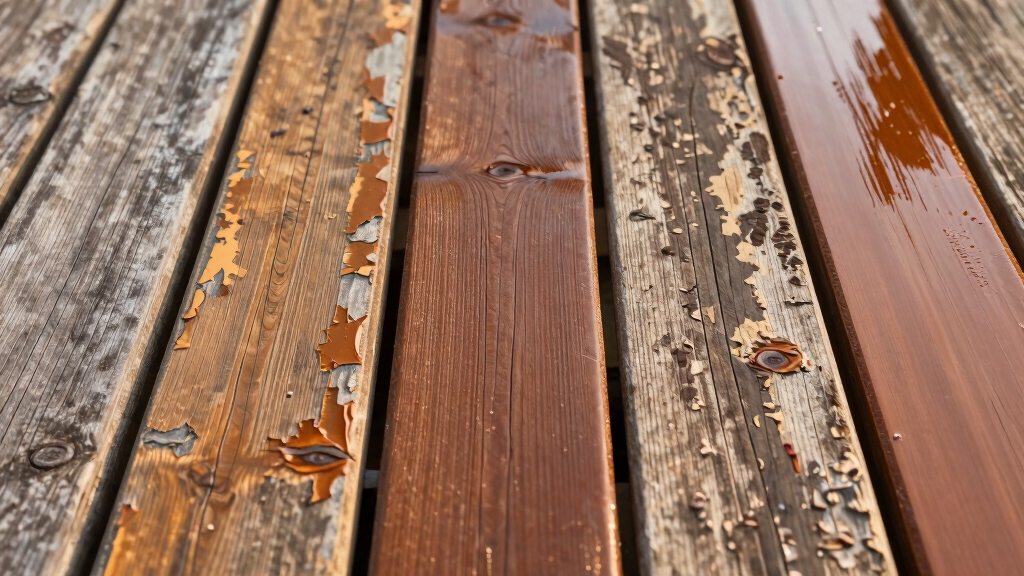
If your wood starts showing fading color, it’s a clear sign that the stain’s UV protection has worn off. It’s time to re-stain. Ignoring this can lead to moisture damage and wood deterioration.
Watch closely for these signs:
- Peeling or flaking stain indicating surface breakdown
- Wood absorbing water quickly, showing loss of moisture barrier
- Rough or splintered texture from prolonged exposure
- Mold or mildew growth signaling poor protection
- Visible wear on high-traffic areas like steps and railings
Checking these regularly helps you catch when your stain no longer protects effectively. Re-staining at the right time guarantees your wood stays durable and visually appealing, preventing costly repairs down the line.
How to Test If Old Wood Stain Is Still Usable?
Before you plunge into applying old wood stain, it’s important to check whether it’s still good to use.
First, give the can a thorough shake or stir to mix any settled pigments.
Then, open the container and inspect the stain’s consistency.
If it’s thickened, lumpy, or separated beyond mixing, it’s likely unusable.
Next, apply a small amount on a scrap piece of wood or an inconspicuous area.
Let it dry for 24 hours.
If the stain applies smoothly, dries evenly, and shows no unusual odor or mold, you can proceed with using it.
If it remains tacky, smells rancid, or peels after drying, it’s time to discard the old stain and get a fresh can to guarantee proper wood protection.
How Preparation and Maintenance Extend Wood Stain Life?
Proper preparation and regular maintenance markedly extend the life of your wood stain by ensuring better adhesion and ongoing protection against environmental damage.
Before staining, clean the wood thoroughly and remove old, peeling stain to help the new coat bond well.
After staining, maintain the surface by inspecting it annually and addressing wear promptly. Here’s what you should do:
Clean wood with a deck cleaner or brightener, avoiding bleach.
Apply stain in mild temperatures (50-90°F), avoiding direct sun and rain.
Wipe off excess stain to prevent uneven drying.
Reapply a maintenance coat every 2-3 years or as needed.
Test old stain on scrap wood to confirm usability before reapplication.
Following these steps keeps your wood looking good and extends the stain’s protective life.
What Makes Wood Stain Fade or Peel?
Maintaining your wood stain helps prolong its life, but certain factors still cause fading and peeling over time.
UV rays break down the stain’s pigments, leading to color loss and a dull appearance.
Moisture from rain or humidity seeps into the wood if the stain’s protective barrier weakens, causing swelling and peeling.
Heavy foot traffic or physical abrasion wears down the stain’s surface, especially on decks or horizontal surfaces.
Poor surface preparation before staining, like leftover dirt or old peeling stain, prevents proper adhesion, accelerating failure.
Additionally, using the wrong stain type for your wood or environment can reduce durability.
Keeping these factors in mind helps you recognize when fading or peeling occurs and signals it’s time to re-stain for effective wood protection.
How to Store Unopened Wood Stain for Maximum Shelf Life?
To maximize the shelf life of unopened wood stain, store it in a cool, temperature-regulated environment away from direct sunlight and extreme temperatures. Proper storage prevents separation and drying out, keeping the stain ready for use longer.
Store unopened wood stain in a cool, stable environment away from sunlight to preserve its quality longer.
Here’s how to store it effectively:
Keep cans tightly sealed to minimize air exposure.
Store indoors, ideally between 50°F and 80°F.
Avoid places with temperature swings like garages or sheds.
Position cans off the floor to prevent moisture damage.
Label cans with purchase date for easy tracking.
Following these steps helps maintain the stain’s quality, extending its shelf life beyond the typical 3 years.
When ready to use, test old stain on scrap wood to ensure it still performs well.
Frequently Asked Questions
Can Wood Stain Change the Wood’s Natural Texture?
Yes, wood stain can change your wood’s natural texture slightly.
Transparent and semi-transparent stains soak into the wood, highlighting the grain while keeping the texture mostly intact.
Solid stains create a more opaque layer, which can mask grain details and give a smoother feel.
If you want to maintain the natural texture, choose penetrating oil-based stains and apply them carefully without over-coating so your wood retains its character.
Is It Safe to Apply Wood Stain Over Old Paint?
Sure, go ahead and slap stain over old paint if you want a peeling, patchy disaster party.
Stain isn’t designed to bond with painted surfaces; it needs raw wood to soak in and protect.
For a lasting finish, strip the paint, sand thoroughly, then apply stain.
Skipping prep means you’re just inviting moisture and flaking.
How Does Wood Stain Affect Indoor Air Quality?
Wood stain can release volatile organic compounds (VOCs) that affect your indoor air quality. When you apply it indoors, you’ll likely notice fumes that can cause headaches or irritation.
To minimize this, use low-VOC or water-based stains. Guarantee good ventilation and wear a mask while staining. Keep windows open and use fans to disperse fumes quickly.
Properly curing the stain also reduces lingering odors and respiratory risks.
Can Wood Stain Prevent Wood From Cracking or Splitting?
Wood stain won’t completely stop wood from cracking or splitting, but it can reduce damage by sealing out moisture.
Since moisture fluctuations cause wood to expand and contract, leading to splits, using an oil-based stain that penetrates deeply helps maintain wood’s stability.
You should reapply every 2-5 years to keep that protective barrier intact.
Are There Eco-Friendly Wood Stain Options Available?
Yes, you can find eco-friendly wood stains that use natural oils, water-based formulas, or low-VOC ingredients.
These options reduce harmful emissions and avoid harsh chemicals, making them safer for you and the environment.
Look for stains labeled “non-toxic” or “low-VOC,” and check certifications like GreenGuard or EcoLogo.
They still protect your wood well but with less environmental impact, so you can maintain your wood responsibly without sacrificing quality.
Protect Your Wood and Extend Stain Life
You’ve learned that oil-based stains can last up to 7 years, while water-based ones typically last around 3 to 5 years.
Remember, factors like surface orientation and maintenance hugely impact longevity.
Keep an eye out for peeling or fading as signs it’s time to re-stain.
Proper preparation and storage can stretch your stain’s life even further.
With these tips, you’ll protect your wood and save money by avoiding premature re-staining.