What Size Screws for Fence Rails: Fence Screw Selection
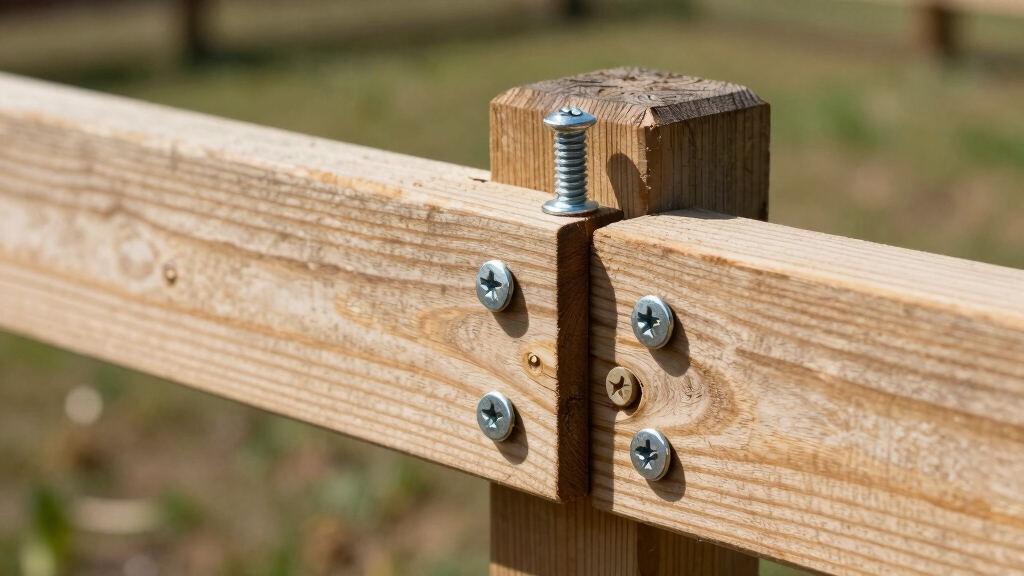
You’ll want #9 or #10 screws sized to match your combined picket and rail thickness for a secure hold. For typical 3/4-inch pickets on 1.5-inch rails, use 1-1/4 to 1-3/4 inch screws. Ensure they penetrate at least two-thirds into the rail.
Always pre-drill pilot holes sized to the screw to prevent splitting, especially in treated or dense wood. Choosing the right diameter, length, and corrosion-resistant coating makes a big difference in fence durability and strength. Explore how to get it just right.
Key Takeaways
- Use #10 screws for ~1-inch-thick fence rails and #12 screws for heavy-duty 4×4 posts or 2×6 beams.
- Match screw length to combined picket and rail thickness; typically 1-3/4 inch screws for 3/4″ picket on 1.5″ rail.
- Ensure screws penetrate at least two-thirds into the receiving rail wood for a strong, secure hold.
- Pre-drill pilot holes sized to screw diameter (e.g., 3/16-inch for #10 screws) to prevent wood splitting.
- Choose corrosion-resistant, coarse-thread structural screws for rails to posts to enhance durability and stability.
Choosing the Right Screw Diameter for Fence Rails

Selecting the right screw diameter is crucial for securing fence rails effectively and guaranteeing long-term stability. You’ll want to match the diameter to the thickness and type of wood you’re fastening.
For thin lattice or decorative trim, #6 or #7 screws work well. For standard 3/4-inch pickets and lattice, #8 screws with a 5/32-inch pilot hole provide solid grip.
When working on general fencing, #9 screws offer versatile strength without overdoing it. If your pickets or rails are around 1 inch thick, #10 screws with a 3/16-inch pilot hole are ideal.
For heavy-duty framing like 4×4 posts or 2×6 beams, move up to #12 screws, drilling 7/32-inch pilot holes to prevent splitting.
Choosing the right diameter guarantees a secure hold and prevents wood damage. For projects requiring maximum holding power and structural integrity, using fasteners with a thicker gauge similar to 15-gauge nails can provide superior grip and durability.
Matching Screw Length to Picket and Rail Thickness
Match your screw length carefully to the combined thickness of the picket and rail to guarantee a secure hold without damaging the wood. You want the screw long enough to pass through the picket and embed firmly into the rail, but not so long it splits or protrudes.
For example, a 3/4-inch picket attached to a 1.5-inch rail typically requires a 1-3/4 inch screw. Selecting the correct length secures strength and longevity. To ensure the best results, it is important to achieve proper penetration of the fastener into the underlying wood for a strong, lasting hold.
| Picket Thickness | Rail Thickness | Recommended Screw Length |
|---|---|---|
| 3/4 inch | 1 inch | 1 to 1-1/4 inch |
| 3/4 inch | 1.5 inch | 1-1/4 to 1-3/4 inch |
| 1 inch | 1.5 inch | 1-1/2 to 2 inch |
| 1 inch | 2 inch | 2 inch |
Why Screws Should Penetrate Two-Thirds Into Wood?
Although it might be tempting to use shorter screws, you’ll want them to penetrate at least two-thirds of the way into the receiving wood to guarantee a strong, lasting connection.
This depth ensures the screw grips firmly, minimizing the risk of loosening under stress or weather changes.
Penetrating less than two-thirds weakens the bond, causing potential wobble or rail detachment over time.
On the other hand, going deeper than necessary can split the wood or extend through the other side, which is unsightly and reduces holding power.
By following the two-thirds rule, you balance strength with wood integrity, assuring the screw anchors securely without damaging the material.
This approach is especially crucial for horizontal rails that bear weight and lateral forces, making certain your fence withstands daily use and environmental pressures.
For optimal results, use screws with sharp, self-drilling tips to minimize splitting and ease installation.
Best Screw Sizes for Attaching Rails to 4×4 Posts
Drive 3 to 4-inch screws to firmly secure rails to 4×4 posts, ensuring deep penetration for maximum stability. For heavy-duty connections, opt for #10 or #12 diameter screws, as they provide the necessary strength and grip.
Use coarse-thread screws designed for pressure-treated lumber to prevent loosening over time. Pre-drill 7/32-inch pilot holes when using #12 screws to avoid splitting the wood.
Galvanized or corrosion-resistant coatings are essential to protect fasteners from outdoor elements. Position screws so they embed at least two-thirds into the 4×4 post, following the penetration rule for peak holding power.
This approach guarantees a durable, stable fence structure that withstands wind and weight without compromising the integrity of the rails or posts. Additionally, applying a field treatment to any freshly cut wood surfaces before screwing helps prevent moisture infiltration and wood decay.
Choosing Between Structural and Deck Screws for Fence Rails
Securing your fence rails properly means choosing the right type of screw for the job. Structural screws are ideal if you want maximum load-bearing strength for rails attaching to posts or heavy framing.
Their thicker shafts, reinforced heads, and coarse threading provide superior grip and reduce the chance of loosening. Deck screws, on the other hand, often come with corrosion-resistant coatings and are designed for wood-to-wood fastening.
This makes them perfect for attaching pickets to rails. They typically have sharper points and slimmer shafts for easier driving without splitting. When fastening rails to posts, prioritize structural screws for stability.
For picket attachment, deck screws offer adequate holding power with cleaner finishes. Choosing based on your specific connection points guarantees a durable, long-lasting fence structure. Proper fastening methods are essential for long-term performance and structural stability.
Selecting Galvanized and Coated Screws for Outdoor Use
When it comes to keeping your fence sturdy in all weather conditions, choosing the right screws is key. You definitely want screws that resist corrosion. So, let’s talk about some options!
Galvanized finishes are a solid choice, but you might also want to consider stainless steel. Both of these options offer great protection against rust and decay. If you’re working with treated lumber or cedar, specialized coatings like HCR can really make a difference.
Understanding these different coating types is super important. It’ll help you pick the right fastener for outdoor use, ensuring your fence stays strong and durable for years to come. Happy building!
To maximize durability, always consider applying sealants and coatings to protect the wood and fasteners from moisture damage.
Corrosion Resistance Importance
Because outdoor fences constantly face moisture and weather changes, choosing screws with proper corrosion resistance is critical to maintaining your fence’s strength and appearance over time.
If you use plain steel screws, rust will weaken the fasteners, causing loosening and potential structural failure.
Instead, opt for galvanized or coated screws designed to resist corrosion, especially when working with pressure-treated lumber or naturally rot-resistant woods like cedar.
These screws form a protective barrier that prevents rust and deterioration, ensuring your fence stays secure through wet seasons.
Stainless steel screws offer excellent longevity but come at a higher cost.
By selecting corrosion-resistant fasteners, you avoid frequent repairs and maintain the fence’s integrity.
This saves time and money in the long run while preserving its clean, professional look.
For optimal durability, it is also important to wait until pressure-treated wood is fully dry before installation to prevent moisture-related issues with fasteners, as explained in the drying and readiness guidelines.
Coating Types Explained
How do you choose the right screw coating for your outdoor fence? Start with galvanized screws. They resist rust well and suit most general fencing projects.
For cedar or redwood, pick corrosion-resistant screws to prevent staining and degradation.
When working with pressure-treated lumber, use HCR or HCR-X coated fasteners. They withstand the chemicals that accelerate corrosion in untreated screws.
Stainless steel screws offer the best longevity, ideal if you want durable, maintenance-free fasteners despite the higher cost.
Powder-coated screws add color matching and extra corrosion resistance. Make certain the coating is thick enough to avoid chipping during installation.
Always match the screw coating to your wood type and environmental exposure to maximize fence durability and maintain structural integrity over time.
For projects requiring moisture protection, consider materials with built-in moisture barriers to extend the lifespan of your installation.
How to Prevent Wood Splitting With Pilot Holes and Washers?
When working with hardwoods or denser fence materials, drilling pilot holes before inserting screws markedly reduces the risk of wood splitting. You should match the pilot hole diameter to your screw size, typically 5/32-inch for #8 screws or 3/16-inch for #10 screws, to guarantee a snug fit without forcing the wood apart.
Drill the hole slightly shorter than the screw length, stopping just before the receiving wood to maintain holding power. Using washers with screws is another effective way to prevent splitting, especially when fastening thin or delicate pieces. The washer distributes pressure evenly around the screw head, reducing localized stress on the wood fibers.
Combining pilot holes and washers not only safeguards your fence rails but also enhances fastening strength and longevity. For optimal results, ensure the pilot hole depth matches the screw’s threaded length to achieve full thread engagement and avoid damaging the wood.
Tips for Secure Screw Installation on Fence Rails
When you’re installing screws in your fence rails, it’s super important to start by pre-drilling those pilot holes. Make sure the holes are the right size for your screw diameter—this helps prevent the wood from splitting and ensures a snug fit.
Once you’ve got your pilot holes ready, drive the screws in deep enough so that at least two-thirds of their length is embedded in the receiving wood. This will give you maximum grip and stability. Using screws with appropriate length and thickness is crucial to prevent wood splitting and ensure a secure hold.
Proper Pilot Hole Usage
Successful screw installation on fence rails relies heavily on proper pilot hole usage.
You’ll want to drill pilot holes sized to the screw diameter, typically 5/32-inch for #8 screws or 3/16-inch for #10 screws. This prevents wood splitting and ensures a firm grip.
Match the hole depth to the screw length so the screw threads bite securely without forcing the wood apart.
For hardwoods and pressure-treated lumber, pilot holes are essential to reduce resistance and avoid damaging the wood fibers.
Drill straight holes aligned with the screw path to maintain screw angle and maximize holding power. Avoid oversized holes, which reduce grip and cause loose connections.
Proper pilot holes save you from stripped screws and increase the fence’s stability and longevity.
Screw Depth and Grip
Drilling the right pilot hole sets the stage, but screw depth and grip determine the fence’s overall strength. You want your screws to penetrate at least two-thirds into the receiving wood, guaranteeing a firm hold without splitting.
For instance, when attaching 3/4-inch pickets to rails, use 1-1/4 to 1-3/4 inch screws, so the screw bites deeply into the rail. Avoid over-penetration to prevent weakening the wood.
Use coarse-thread or structural screws for pressure-treated lumber and horizontal rails, as they enhance grip. Also, make certain screws are fully seated flush with the surface to avoid snagging and maintain aesthetic appeal.
Pre-drilling pilot holes matched to screw diameter minimizes splitting, while appropriate screw length and grip prevent loosening over time. This results in a sturdy, long-lasting fence assembly.
Common Mistakes in Selecting Fence Rail Screws
Although selecting fence rail screws might seem straightforward, many people overlook critical factors that compromise the fence’s durability and stability.
You might pick screws that are too short, which weakens the grip. Or choose the wrong diameter, leading to splitting or insufficient holding power.
Not using corrosion-resistant coatings is another common error, especially with treated lumber exposed to weather.
| Mistake | Consequence |
|---|---|
| Too short screws | Poor penetration and weak hold |
| Incorrect diameter | Wood splitting or loose rails |
| No corrosion coating | Rust and fastener failure |
Avoid these mistakes by matching screw size to lumber thickness. Use galvanized or coated screws, and follow the two-thirds penetration rule for a secure, long-lasting fence.
Frequently Asked Questions
Can I Use Screws Meant for Fencing on Other Outdoor Projects?
Yes, you can use screws meant for fencing on other outdoor projects, especially if they’ve corrosion-resistant coatings like galvanized or stainless steel.
Just make certain the screw size matches your materials’ thickness and the load requirements. For thicker lumber or heavy-duty applications, choose longer, thicker screws with proper pilot holes.
Always pre-drill hardwoods to avoid splitting.
Using the right screw type guarantees durability and prevents rust, keeping your outdoor projects secure over time.
How Do Temperature Changes Affect Screw Holding Power Over Time?
Temperature changes cause wood to expand and contract, which can loosen screws over time.
You’ll notice that frequent cycles of heating and cooling reduce screw holding power, especially if you don’t use corrosion-resistant or coated screws.
To maintain strength, use screws with appropriate coatings like galvanized or stainless steel.
Pre-drill pilot holes to prevent wood splitting. This minimizes movement and keeps your fasteners secure despite temperature fluctuations.
Are There Eco-Friendly Screw Options for Fence Construction?
About 40% of construction waste is fasteners, so choosing eco-friendly screws matters. You can opt for screws made from recycled stainless steel or those coated with non-toxic, biodegradable finishes.
These screws resist corrosion without harmful chemicals, perfect for outdoor fences. Look for brands that certify sustainable manufacturing and use packaging with minimal plastic.
Using these options helps reduce environmental impact while maintaining strong, durable fence connections.
What Tools Are Best for Driving Screws Into Tough Fence Wood?
You’ll want a high-torque cordless drill or impact driver to drive screws into tough fence wood efficiently.
An impact driver gives you extra rotational force to handle dense, pressure-treated lumber without stripping screws.
Use a screwdriver bit that matches your screw head perfectly to avoid cam-out.
Pre-drilling pilot holes with a drill bit sized to your screw reduces splitting and eases driving.
For heavy-duty jobs, a drill with adjustable clutch settings helps control screw depth precisely.
How Often Should Fence Screws Be Inspected or Replaced?
You should inspect your fence screws at least twice a year, especially after harsh weather.
Studies show corrosion can weaken outdoor screws by up to 30% within the first year if untreated.
Look for rust, loosening, or splitting wood.
Replace any compromised screws promptly with corrosion-resistant or galvanized ones to maintain strength and stability.
Regular maintenance extends your fence’s life and prevents costly repairs later.
Strength Starts Here: Wrapping Up Your Fence Fastening Guide
When you’re picking screws for your fence rails, remember size matters—both diameter and length. Make sure screws penetrate at least two-thirds into the wood for a solid hold. Choose galvanized or coated screws to fight off rust.
Don’t forget pilot holes to avoid splitting. Whether you’re using deck or structural screws, precision is key. With these tips, your fence will be as sturdy as a knight’s armor, ready to stand the test of time.