Does Silicone Stick to PVC: Seal It Right
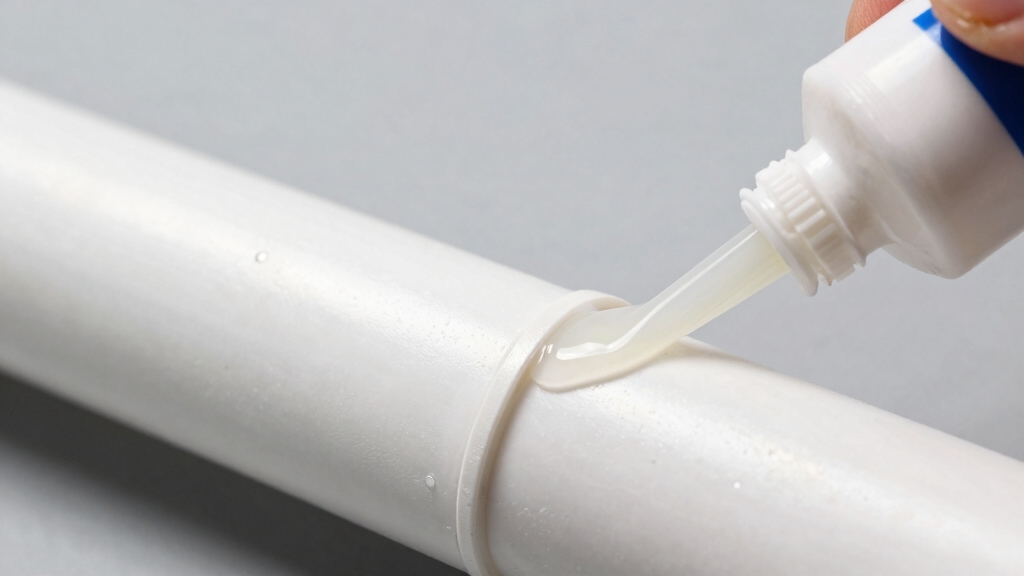
Yes, silicone can stick to PVC effectively if you use the right type and prepare the surface thoroughly.
You’ll need to clean rigid PVC with absolute ethyl alcohol, apply a primer made for non-porous plastics, and use a thin adhesive layer with uniform pressure during curing.
Flexible PVC poses more challenges due to plasticizers that weaken adhesion. When done correctly, silicone forms durable, watertight seals.
Understanding these nuances will help you optimize your bonding results.
Key Takeaways
- Silicone can bond strongly to PVC if the surface is properly cleaned and primed with PVC-specific primers.
- Rigid PVC provides better adhesion for silicone than flexible, plasticized PVC due to fewer interfering plasticizers.
- Skipping surface preparation like cleaning and priming significantly reduces silicone’s adhesion to PVC.
- Silicone sealants formulated specifically for PVC improve bond durability and resistance to moisture and heat.
- Silicone’s adhesion may fail cohesively within the sealant if the bond to PVC is stronger than silicone’s internal strength.
How Strongly Does Silicone Sealant Bond to PVC?
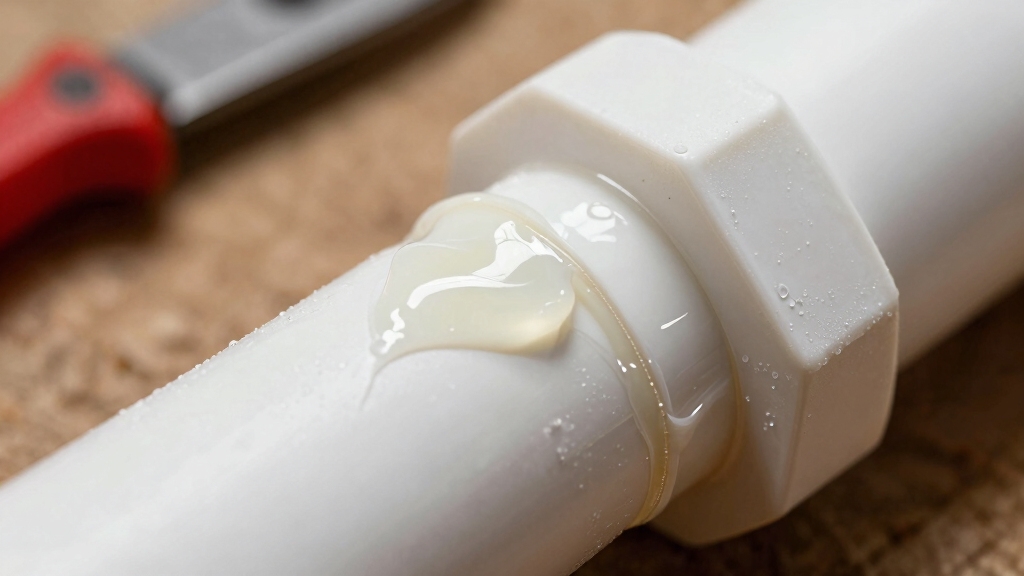
Although silicone sealant can form a strong bond with PVC, the actual adhesion strength depends heavily on the surface preparation and the specific type of silicone used.
You’ll find that the low surface energy of PVC challenges the sealant’s ability to adhere without proper cleaning and priming.
When applied correctly on a smooth, well-prepared PVC surface, silicone sealants, especially those designed for PVC, can produce durable, watertight seals resistant to moisture, heat, and chemicals.
Properly applied silicone sealants on prepared PVC create strong, durable, and watertight seals resistant to harsh conditions.
The bond strength may even exceed the cohesive strength of the silicone itself, causing failure within the sealant rather than at the interface.
However, if you skip thorough cleaning or use incompatible silicone types, you’ll risk poor adhesion and premature bond failure.
Consequently, optimizing both surface treatment and silicone selection is critical to maximize bonding strength.
For best results in any adhesive application involving plastics like PVC, attention to surface preparation techniques significantly improves overall bond durability.
What Types of PVC Are Compatible With Silicone Sealants?
When selecting a silicone sealant for your project, you need to take into account the specific type of PVC involved, as compatibility varies greatly between rigid and plasticized forms.
Rigid PVC, due to its low plasticizer content and stable polymer matrix, generally offers better adhesion with silicone sealants, especially those formulated specifically for PVC bonding.
In contrast, flexible or plasticized PVC contains additives that may inhibit silicone adhesion or degrade under certain sealant chemistries, leading to weak bonds.
Consequently, you should verify that the silicone sealant is compatible with the PVC’s plasticizer content.
Non-porous rigid PVC surfaces, when properly treated, provide the most reliable substrate for silicone sealants, ensuring a durable, watertight bond.
Selecting silicone products designed for PVC optimizes adhesion performance and longevity.
It is also important to consider the shelf life of silicone caulk to ensure optimal bonding strength and avoid premature failure.
Why Surface Preparation Is Critical for Silicone-PVC Bonding?
Since PVC has a low surface energy and smooth texture, you must meticulously prepare its surface to guarantee effective silicone adhesion.
Surface contaminants like grease or dust prevent silicone from bonding properly.
Cleaning with absolute ethyl alcohol removes residues, while priming enhances wettability on non-porous PVC.
Skipping these steps leads to weak adhesion and bond failure.
| Preparation Step | Purpose | Recommended Material |
|---|---|---|
| Cleaning | Remove oils, dirt | Absolute ethyl alcohol |
| Priming | Improve surface energy | PVC-specific primer |
| Adhesive Application | Ensure uniform, thin adhesive | Silicone sealant ≤1mm thick |
Proper surface prep transforms PVC’s challenging surface into one compatible with durable silicone bonds.
How to Apply Silicone Sealant to PVC for Best Results?
Achieving a strong silicone-to-PVC bond requires precise application techniques tailored to the material’s properties.
First, make certain the PVC surface is thoroughly cleaned with absolute ethyl alcohol to remove contaminants.
Next, apply a suitable primer designed for non-porous plastics to enhance adhesion. When applying silicone sealant, maintain an adhesive layer no thicker than 1mm to optimize curing and bond strength.
Press the bonded parts firmly together, maintaining uniform pressure for at least 30 minutes to promote intimate contact. Avoid disturbing the joint during the initial cure phase, which typically completes in 24 hours at room temperature.
Proper storage of the sealant, sealed and away from heat, moisture, and light, preserves its efficacy. These steps minimize the inherent challenges posed by PVC’s low surface energy and ensure a durable, watertight seal.
For best results, always ensure proper ventilation and wear protective gear during the application process to safeguard against harmful fumes, as recommended in adhesive removal safety.
Best Silicone Sealants for PVC
Select silicone sealants specifically formulated for PVC to guarantee peak adhesion and durability. Not all silicone products bond effectively with PVC due to variations in PVC type and plasticizers.
You should prioritize sealants labeled for PVC compatibility, like specialized silicone rubber adhesives such as KN-300T. These provide strong, watertight bonds resistant to moisture, heat, and chemicals.
Avoid generic silicone sealants containing ingredients that degrade PVC, as they compromise adhesion. For rigid PVC, high-performance structural silicones offer enhanced durability.
When selecting, confirm the sealant’s chemical formulation aligns with your PVC’s rigidity and surface energy characteristics. Proper product choice minimizes bond failure risks and assures longevity in typical environmental exposures.
Always verify technical datasheets for adhesion strength and curing parameters to optimize your application outcomes. Additionally, considering the moisture and weather resistance of the sealant ensures long-lasting bonds in varying environmental conditions.
Common Problems That Weaken Silicone Adhesion to PVC
You might run into some adhesion issues if you don’t completely remove surface contamination. Things like oils and dirt can really get in the way of a solid bond.
Plus, if you’re working with flexible PVC, be aware that plasticizers can migrate to the surface. This can make it tougher for silicone to stick properly.
So, what’s the solution? Well, it all comes down to thorough surface preparation. Without proper cleaning and priming, achieving a reliable and durable silicone-to-PVC bond is pretty much impossible.
Using appropriate cleaning tools and solvents is essential to ensure the surface is properly prepared for adhesion.
Surface Contamination Issues
Although silicone sealants can bond well to PVC under ideal conditions, surface contamination often undermines adhesion strength markedly.
Contaminants like oils, dust, and residues create barriers that prevent silicone from forming a proper bond. Even microscopic grease traces can reduce adhesion notably, while dust particles create uneven surfaces.
Cleaning protocols must be rigorous to avoid weakened bonds.
| Contaminant Type | Effect on Adhesion | Recommended Action |
|---|---|---|
| Oils/Grease | Creates hydrophobic barrier | Clean with absolute ethyl alcohol |
| Dust | Causes uneven sealing surface | Remove with lint-free cloth |
| Residues (e.g., mold release agents) | Inhibit chemical bonding | Use solvent cleaning |
| Moisture | Interferes with cure process | Dry surface thoroughly |
Using proper cleaning techniques and personal protective equipment ensures safe and effective contaminant removal for optimal adhesion.
Plasticizer Interference Effects
When working with flexible PVC, plasticizers present a significant challenge by migrating to the surface and interfering with silicone adhesion. These additives, essential for flexibility, create a dynamic surface layer that compromises bond integrity.
You’ll notice adhesion failures due to:
- Surface Contamination: Plasticizers form a slippery film, reducing silicone’s ability to wet and bond.
- Chemical Incompatibility: Silicone may not chemically interact with migrating plasticizers, weakening adhesion.
- Outgassing: Volatile plasticizers can evaporate, causing microvoids at the interface.
- Long-Term Degradation: Continuous plasticizer migration alters the interface, leading to bond weakening over time.
Understanding these factors helps you anticipate adhesion challenges with flexible PVC. For optimal results, selecting the right material compatibility and surface preparation methods is crucial when bonding silicone to plastics.
Inadequate Surface Preparation
Neglecting proper surface preparation markedly undermines silicone adhesion to PVC by leaving contaminants or residues that inhibit bonding.
When you skip thorough cleaning, oils, dust, and plasticizers remain, preventing intimate contact between silicone and PVC.
Since PVC has low surface energy, any grease or dirt greatly reduces adhesive wetting and penetration.
To optimize bonding, clean rigid PVC with absolute ethyl alcohol, removing all surface impurities.
Additionally, applying a primer tailored for non-porous plastics improves surface energy and adhesion.
Failing to control adhesive thickness or ensure uniform pressure during application can further weaken the bond.
Inadequate preparation results in weak, easily separable silicone layers, compromising durability and watertight sealing.
For reliable bonding, meticulous surface treatment is vital before silicone application on PVC.
Using multiple thin layers of adhesive can also enhance bond strength and durability in challenging applications.
How to Improve Bond Strength Between Silicone and PVC?
To improve bond strength between silicone and PVC, you must focus on meticulous surface preparation and selecting the appropriate adhesive. The low surface energy of PVC demands thorough cleaning and priming to enhance adhesion. Choose silicone sealants specifically formulated for PVC to prevent degradation and guarantee compatibility.
Enhance silicone-to-PVC bonding with careful surface prep and choosing silicone sealants designed for PVC compatibility.
Apply adhesives uniformly and maintain pressure during curing for peak results.
- Clean PVC thoroughly with absolute ethyl alcohol to remove contaminants.
- Use a primer designed for non-porous plastics to improve surface energy.
- Select a high-quality silicone adhesive compatible with PVC, such as KN-300T.
- Apply adhesive in a thin layer (≤1mm) and press bonded parts firmly for at least 30 minutes.
Following these steps maximizes bond durability and performance. For optimal results, ensure full curing time is observed, as many adhesives reach maximum strength after 24 hours.
When to Consider Alternatives to Silicone for PVC Bonding?
Although silicone adhesives offer many advantages for bonding PVC, you should consider alternatives when dealing with flexible PVC containing plasticizers or applications requiring high-pressure resistance.
Plasticizers reduce silicone adhesion, leading to weak bonds and potential failure under stress. Additionally, silicone’s low surface energy and limited mechanical strength make it unsuitable for plumbing or load-bearing uses where structural integrity is critical.
In such cases, cyanoacrylate adhesives provide rapid, strong bonds for rigid PVC, while solvent welding creates a chemical fusion ideal for durable joints.
Hot glue sticks can accommodate flexible PVC better but lack long-term durability. Assess your project’s PVC type, mechanical demands, and environmental exposure carefully.
Opt for specialized adhesives or mechanical fastening when silicone’s limitations risk joint reliability or safety.
Frequently Asked Questions
Can Silicone Sealant Be Used for Outdoor PVC Applications?
You might find it surprising, but you can use silicone sealant for outdoor PVC applications if you choose the right type and prep properly.
Silicone forms a durable, moisture- and heat-resistant bond on PVC surfaces when you clean thoroughly and apply primer.
Keep the adhesive layer thin and apply uniform pressure for 30 minutes.
However, expect limitations with flexible PVC or high-pressure uses.
Always pick a high-quality, PVC-compatible silicone for best results outdoors.
Is Silicone Safe for PVC Used in Potable Water Systems?
Silicone isn’t generally safe for PVC in potable water systems because many sealants contain chemicals that could leach into drinking water.
You need to choose a silicone product specifically certified for potable water use.
Otherwise, contamination risks and material degradation may occur.
For reliable, safe sealing, opt for NSF-approved adhesives designed for drinking water applications.
This ensures compliance with health standards and long-term durability under constant water exposure.
How Long Does Silicone Sealant Last on PVC Surfaces?
Think of silicone sealant on PVC as a marathon runner, lasting anywhere from 5 to 20 years depending on conditions.
If you prepare the surface thoroughly, apply the right compatible sealant, and cure it properly, you’ll maximize durability.
Environmental factors like UV exposure, temperature swings, and chemical contact affect longevity.
Can Silicone Adhesive Be Painted Over on PVC?
Yes, you can paint over silicone adhesive on PVC, but it requires careful preparation.
Silicone’s non-porous, low-energy surface resists paint adhesion. Clean and lightly abrade the silicone once fully cured.
Using a suitable primer designed for silicone surfaces improves paint bonding. Choose flexible, compatible paints to prevent cracking or peeling.
Without proper prep and primer, paint won’t adhere well, compromising durability and finish quality.
Does Temperature Affect Silicone Adhesion to PVC?
Think of temperature as the silent architect shaping silicone’s bond with PVC.
You’ll find adhesion improves when you cure silicone at room temperature—around 20-25°C—for ideal cross-linking.
Too cold slows curing, weakening the bond. Excessive heat can degrade both silicone and PVC, reducing adhesion strength.
From Weak to Watertight: Getting PVC Sealing Right
You’ll find that silicone sealant can bond well to PVC if you prepare the surface correctly, such as cleaning and lightly abrading it.
For example, a plumbing contractor improved joint longevity by applying silicone to properly prepped PVC pipes, reducing leaks markedly.
However, without this prep, adhesion weakens quickly. So, always prioritize surface preparation and select compatible silicone types.
If you need a stronger or structural bond, consider epoxy or PVC-specific adhesives as alternatives.