Is It Cheaper to Refinish Hardwood Floors or Replace?
If your hardwood floors have minor scratches and a wear layer of at least 2 mm, refinishing is usually much cheaper, costing about 25–50% less than replacement.
Refinishing typically runs $3–$8 per square foot, while replacement can cost $8–$25 per square foot, including labor and materials. However, deep damage, warping, or water issues call for replacement.
Choosing the right option saves you money and keeps your floors looking great. Explore how to decide which suits your situation best.
Key Takeaways
- Refinishing hardwood floors typically costs 25–50% less than full replacement, making it a more affordable option for minor wear and damage.
- Refinishing is suitable for solid hardwood with a wear layer of at least 2 mm and no deep gouges or warping.
- Replacement is necessary when floors have deep gouges, extensive water damage, warping, or depleted wear layers.
- Refinishing preserves the original floor style and is more eco-friendly compared to replacement.
- Replacement costs range from $8 to $25 per square foot, while refinishing generally costs $3 to $8 per square foot.
Key Criteria to Choose Refinishing or Replacement for Hardwood Floors

When deciding whether to refinish or replace your hardwood floors, you’ll want to start by evaluating the condition and type of your flooring.
Solid hardwood with minor scratches and a wear layer at least 2mm thick is a great candidate for refinishing. You can usually refinish solid wood up to seven times, preserving its original character and saving money.
Engineered hardwood may allow only one or two refinishing cycles if the veneer is intact. Check for structural soundness, including no deep gouges, warping, or water damage.
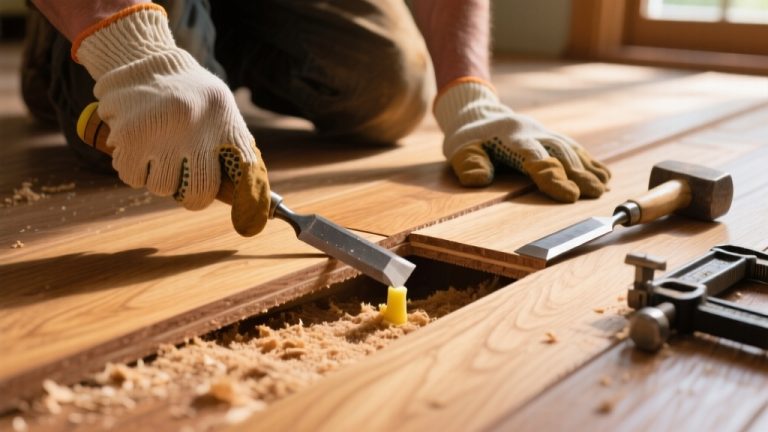
Minor board repairs can be done before sanding. Refinishing costs markedly less, generally 25–50% of replacement in most cases. If your floor fits these criteria, refinishing is practical, affordable, and eco-friendly, making it the preferred choice unless the damage is severe.
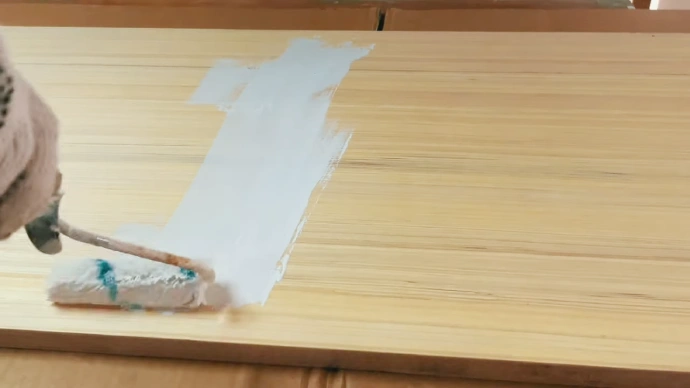
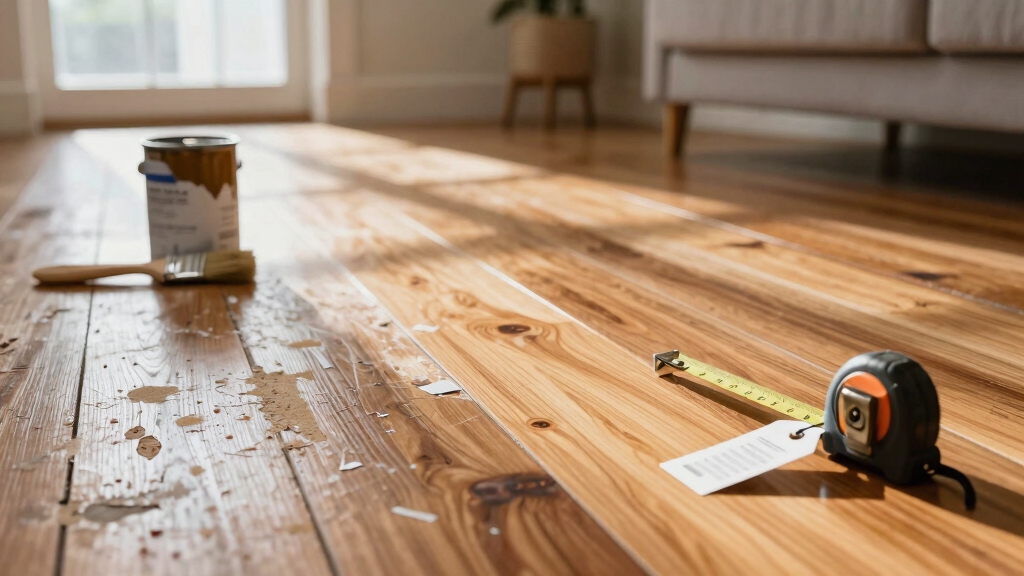
Applying a gloss urethane finish after refinishing can add shine and protection against scratches and nicks for long-lasting durability.
Signs Your Hardwood Floor Needs Replacement, Not Refinishing
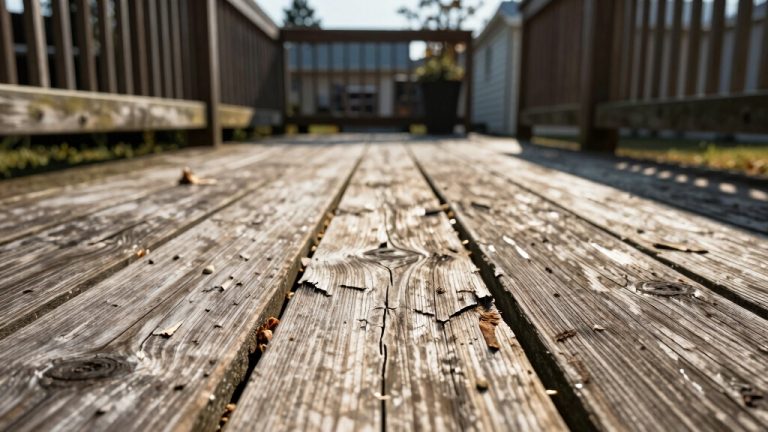
If your hardwood floor shows deep gouges, extensive water damage, or warped boards, replacement is usually necessary rather than refinishing.
Deep gouges, water damage, or warped boards typically mean your hardwood floor needs replacement, not refinishing.
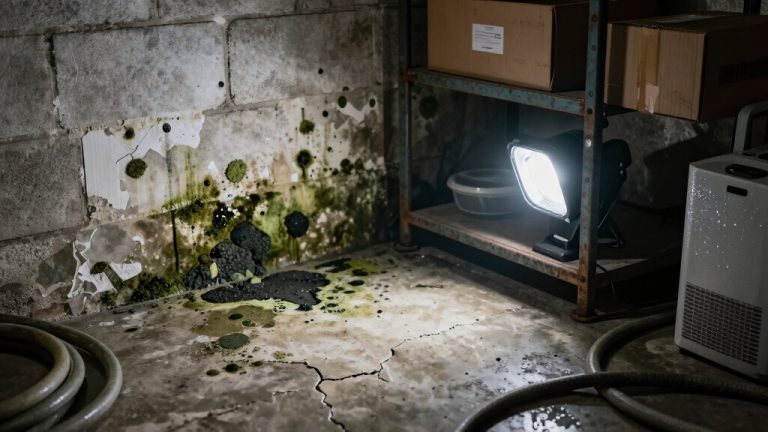
These issues indicate structural damage or a severely worn surface that sanding won’t fix.
Also, if the wear layer is depleted or the subfloor is compromised, refinishing won’t restore stability or appearance.
For engineered hardwood, multiple past refinishes that have worn down the veneer mean it’s time to replace.
Additionally, if you want a style change or modern upgrade, replacement is the practical choice.
Minor scratches and surface wear can be handled with refinishing, but once damage is extensive or the floor’s integrity is affected, replacement saves you from recurring repairs and guarantees long-term durability.
Monitoring the wear layer thickness is essential to avoid excessive sanding that could damage the core and eliminate future refinishing options.
Typical Costs for Refinishing vs Replacing Hardwood Floors
Deciding between refinishing and replacing your hardwood floors comes down to understanding the cost differences and what fits your budget.
Refinishing usually runs $3 to $8 per square foot, while replacing can cost $8 to $25 per square foot, including materials and labor.
For a 1,000-square-foot space, refinishing might cost $3,500 to $8,000, whereas replacement ranges from $8,000 to $25,000. That means you could save $4,500 to over $11,000 by opting to refinish.
Keep in mind, refinishing involves less labor and material costs, making it markedly cheaper in most cases. However, replacement prices vary more due to premium wood choices and installation complexity.
Knowing these typical costs helps you weigh your options realistically before making a decision. Regular maintenance such as vacuuming hardwood floors can also extend the life of your floors and potentially delay costly refinishing or replacement.
When Refinishing Is More Cost-Effective Than Replacement?
You’ll save a significant amount by choosing to refinish hardwood floors that only show minor wear or surface scratches.
Refinishing costs typically run 25–50% less than replacement, making it the smarter choice when your floors meet certain conditions.
You should consider refinishing if:
- Your solid hardwood has a wear layer at least 2mm thick and isn’t deeply gouged or warped.
- The subfloor and floor structure remain sound, with only minor board repairs needed.
- You want to preserve the original flooring without the higher labor and material costs of replacement.
In these cases, refinishing not only cuts costs but also reduces disruption.
It’s the practical and economical option for maintaining your hardwood floors. Proper application of a top coat protects against everyday wear and extends the floor’s lifespan.
How Refinishing Saves Money Without Sacrificing Hardwood Floor Style?
Refinishing brings your hardwood floors back to life without breaking the bank or compromising their classic appeal.
Revitalize your hardwood floors affordably while maintaining their timeless charm and elegance.
You save considerably compared to replacement, typically 25–50% less, while retaining the original character that new floors can’t replicate.
By sanding away scratches and applying fresh stain and finish, you restore style and durability efficiently.
Refinishing costs about $3–$8 per square foot versus $8–$25 for replacement.
For a 1,000 sq ft home, you could save $4,500 to $11,500.
Plus, refinishing is eco-friendly, reduces waste, and causes less disruption.
As long as your floors have a healthy wear layer and no major damage, refinishing preserves both beauty and your budget, making it a smart, stylish choice.
However, it’s important to consider the refinishability of engineered hardwood before proceeding, as the thin top layer limits sanding options and may affect your ability to refinish.
Frequently Asked Questions
How Long Does the Refinishing Process Typically Take to Complete?
The refinishing process typically takes 2 to 4 days, depending on your floor size and condition.
You’ll spend the first day sanding to remove the old finish.
Then a day or two applying stain and protective coats.
Each coat needs drying time, usually several hours.
Dustless refinishing might take a bit longer but saves cleanup time.
You can expect minimal disruption, with your floors ready to use within a few days.
Can Refinishing Hardwood Floors Improve Indoor Air Quality?
Yes, refinishing hardwood floors can improve indoor air quality by removing old finishes, dirt, and allergens trapped in the surface.
You’ll get rid of dust and debris during sanding, especially if you choose dustless refinishing methods.
Applying low-VOC stains and finishes also reduces harmful chemical emissions.
Just make sure the room is well-ventilated during and after the process to keep the air fresh and safe for you and your family.
Are There Eco-Friendly Products Available for Hardwood Floor Refinishing?
Coincidentally, eco-friendly products for hardwood floor refinishing have become widely available just as more people seek greener home solutions.
You can find low-VOC stains, water-based finishes, and natural oils that reduce harmful emissions and improve indoor air quality.
These options not only protect your floors but also the environment.
When choosing, look for certifications like GreenGuard or low odor labels to ensure you’re getting truly sustainable, safe products for your refinishing project.
How Often Should Hardwood Floors Be Refinished for Maintenance?
You should refinish your hardwood floors every 7 to 10 years for regular maintenance, depending on wear and tear.
If you notice minor scratches or dullness, it’s time to sand and recoat.
Solid hardwood can handle 5–7 refinishing cycles, so keep an eye on the wear layer thickness.
Engineered floors need refinishing less often, usually once or twice if the veneer is intact. Regular care extends their lifespan effectively.
Does Refinishing Hardwood Floors Affect Home Resale Value?
Oh sure, nothing screams “buy me” like floors that look like a 1970s disco floor after a wild party.
Refinishing your hardwood floors can seriously boost your home’s resale value by making them look fresh and well-maintained.
Buyers love floors that show care, not neglect.
By sanding and staining, you improve the aesthetic, preserve character, and avoid costly replacements.
This makes your home more appealing and potentially fetching a higher price.
Save More, Shine More: Your Flooring Decision Made Easy
When deciding between refinishing or replacing your hardwood floors, remember that refinishing typically costs about 30-50% less than replacement.
If your floors have minor scratches or dullness, refinishing can save you a bundle while restoring beauty. However, deep damage usually calls for replacement.
By knowing these key signs and costs, you can make a smart, budget-friendly choice that keeps your home stylish without overspending.