
How to Clean up After a Toilet Overflows: Best Solution
To clean up after a toilet overflow, first turn off the water supply by closing the shut-off valve behind the toilet or the main valve if needed. Wear gloves and use towels or a wet/dry vacuum to soak and remove water, containing the spill with barriers at doorways.
Dispose of contaminated materials in sealed bags, then clean and disinfect all surfaces with appropriate cleaners. Quickly drying the area prevents mold and damage. Here’s how to manage each step thoroughly and safely.
Key Takeaways
- Wear protective gear like gloves, goggles, and respirator before starting cleanup to avoid exposure to contaminants and pathogens.
- Stop the overflow by turning off the toilet shut-off valve or main water supply, and hold down the flapper to prevent water flow.
- Remove excess water using a wet/dry vacuum, towels, or buckets, and contain the spill with barriers at doorways and vents.
- Dispose of contaminated materials safely, sanitize tools, and disinfect all affected surfaces thoroughly with appropriate cleaning agents.
- Dry the area completely using fans and dehumidifiers, monitor moisture levels, and inspect for damage or mold growth within 48 hours.
Preparing for the Cleanup
Before you begin cleaning up after a toilet overflow, you need to protect yourself and the surrounding area to minimize health risks and prevent further contamination.
Start by wearing nitrile or heavy-duty rubber gloves, safety goggles or a face shield, and an N95 or higher respirator if aerosols or mold are present. Don long sleeves, waterproof boots, and disposable coveralls or washable clothing.
Remove rugs and non-fixed items immediately, placing them on impermeable surfaces or outdoors. Create a towel barrier around the toilet base and door thresholds to contain water.
Elevate or relocate electronics and toiletries. Cover immovable fixtures with plastic sheeting. Close HVAC vents and isolate ventilation intakes.
Assemble a wet/dry vacuum, EPA-registered disinfectant, absorbent materials, plastic bags, and plumbing tools for efficient cleanup. It is also important to inspect for water damage to identify areas that may need further attention.
Quick response is essential because it minimizes immediate damage and reduces long-term issues like mold growth.
Stopping the Overflow
Alright, first things first—let’s stop that water from flooding your bathroom! You’ll want to locate the shut-off valve for the toilet and turn it off. This will prevent any more water from pouring in. Locate water shutoff valve behind the toilet near the floor and turn it clockwise until it stops. It’s important to adhere to safety protocols when handling water shutoff procedures.
Next up, let’s take a look at the tank components. You can usually just press down on the flapper or adjust the float to stop the water from filling the bowl. It’s pretty straightforward!
And, of course, we need to tackle the mess. Grab some towels or a shallow tray to soak up any excess water and contain those spills. We want to keep things as dry as possible! Proper cleanup helps prevent damage and reduces the risk of mold growth.
Shut Off Water
Locate the fixture shut-off valve to stop the overflow quickly. It’s usually on the supply line near the base or wall behind the toilet, close to the floor. Look for a round knob or lever; older valves may be oval-shaped.
Turn the valve clockwise fully, then flush to confirm the tank empties without refilling. If stiff, apply penetrating lubricant and turn gently. Avoid excessive force to prevent damage. Using the correct tools can prevent accidental damage to the valve during this process.
If it won’t close or leaks, shut off the main house water supply at the meter or main valve. As a last resort, use the main shut-off if the fixture valve fails. Always verify by running an indoor faucet. Immediate action is crucial to minimize extensive water damage from an overflowing toilet overflow urgency.
If all else fails or you detect sewage backup, call a licensed plumber immediately. This ensures that problems like embedded dirt or pet hair in pipes do not cause further complications.
Control Toilet Components
When you face a toilet overflow, quickly controlling the internal components can stop additional water from flooding the bowl. Start by lifting the tank lid and firmly hold down the flapper at the tank bottom to seal off water flow. Prompt action like this can minimize water damage and reduce cleanup time.
Next, raise the float mechanism and secure it upright to stop the tank from refilling. If needed, redirect the fill tube into the tank to prevent water from entering the bowl. Each action reduces damage and eases cleanup. It is also important to inspect toilet regularly to catch issues before they cause overflows.
| Action | Effect |
|---|---|
| Hold Flapper Down | Stops water flow immediately |
| Lift Float Mechanism | Cuts off water supply mechanically |
| Redirect Fill Tube | Prevents bowl from filling |
| Use Overflow Devices | Alerts early, prevents flooding |
Minimize Water Spread
Controlling the toilet’s internal components helps stop water at its source, but you’ll also need to minimize water spread to limit damage.
First, close the toilet lid to reduce splashing and contain aerosolized particles. Next, turn off the water supply valve behind the toilet by turning it clockwise until tight; this halts inflow immediately. If the valve is stuck, apply lubricant like WD-40.
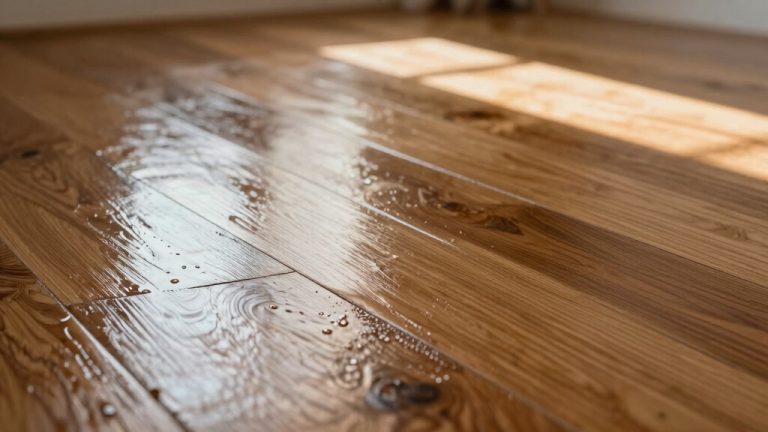
Alternatively, lift the tank lid and press down the flapper to block water release from tank to bowl. Using towels to soak up water immediately helps prevent moisture from seeping into hardwood or subflooring, which can cause long-term damage.
You can also raise or secure the float to stop the refill cycle. Always act quickly to prevent water damage that can lead to mold growth and destroyed property prevent water damage. Finally, quickly place towels or rags on wet floors to absorb water and prevent spread.
Remove rugs and items to dry areas, replacing soaked materials as needed. Employing moisture meters to monitor residual dampness can guide further drying efforts and prevent warping.
Containing the Spill
To stop the spill from spreading, start by shutting off the water supply at the valve behind the toilet tank or by lifting and securing the float mechanism inside the tank. If the dedicated shut-off valve is rusty or stuck, apply lubricant spray to avoid forcing it and causing breakage, or use the main house shut-off valve if necessary stop the water flow immediately.
Next, deploy absorbent materials like heavy towels and rugs around the base to soak up excess water. Creating barriers at room entrances using towels or rags can help confine the spill and reduce the spread of contaminants.
Create barriers at room entrances using towels or rags to confine the spill. Maintain air circulation and wear protective gloves.
| Action | Details |
|---|---|
| Water Shutoff | Turn valve clockwise or lift float to stop fill |
| Absorbent Deployment | Use towels, rugs, blankets around spill |
| Barrier Setup | Block doorways and vents with absorbents |
| Safety Measures | Wear gloves, open windows, restrict access |
Removing Waste and Water
First off, you’ll want to extract any excess water, right? You can use a wet/dry vacuum or even a mop for that. This step is super important because it helps prevent further damage and contamination.
Using a microfiber mop with controlled moisture can help avoid water damage during cleanup. During a power outage, it’s critical to turn off water supply valve behind the toilet to stop further flooding.
Once you’ve tackled the water, the next thing to do is safely dispose of all the waste materials. Make sure to follow your local regulations and wear some protective gear to keep yourself safe from any health risks.
Taking these steps promptly is key! It helps contain the spill and gets the area ready for a thorough cleaning.
Extract Excess Water
Stop additional water from entering the toilet bowl by turning off the shut-off valve located behind the toilet. If it’s stuck, hold down the tank flapper or raise the float to stop water flow. Check the valve for any cracks or leaks and seal them with a waterproof sealant to prevent further issues.
Close the lid to limit splashing. Redirect the refill tube into the tank if possible. Avoid flushing again. If the localized valve fails to stop the flow, use the main shut-off valve to prevent further flooding.
To extract excess water, use a wet/dry shop vacuum rated for water to remove standing water fast. Bail water from the bowl with a sturdy bucket if necessary.
Absorb remaining water on floors and around the base with microfiber mops, towels, or disposable pads. Wear rubber gloves, boots, and eye protection to reduce contamination risk.
Use a stiff brush or disposable rags to reach behind the toilet and handle small water volumes efficiently. Regular inspection and maintenance of valves can help avoid future overflows and keep your system functioning properly.
Dispose Waste Safely
When dealing with solid waste after a toilet overflow, pick up debris carefully using disposable towels or rags to prevent splashing and contamination. Prompt removal helps prevent stains and lingering odors.
Stop the water source, then scoop out sewage with a pitcher or large container. Separate solids using a bucket straining method before discarding. It is important to avoid using bleach or chemicals during this removal process as they can react with sewage and create toxic fumes.
Follow these steps to dispose of waste safely:
- Place all contaminated towels, rags, and disposable gloves in sealed plastic bags to avoid leaks.
- Dispose of scooped water and sewage into a functioning toilet or sink away from living areas, taking care to prevent contamination of clean surfaces.
- Remove and discard porous items like carpets or curtains that can’t be sanitized.
Always wear rubber gloves, safety glasses, and protective gear during cleanup. Afterward, sanitize all equipment thoroughly to eliminate pathogens and prevent biohazard spread.
Cleaning and Disinfecting the Area
Choose an appropriate disinfectant based on your floor type to ensure effective sanitation after a toilet overflow. For tiled floors, use a mild bleach solution (1 cup per gallon water) to target grout and hidden bacteria.
Avoid bleach on wood or laminate; select a disinfectant formulated for those surfaces instead. Start by mopping with soap and water, then rinse thoroughly. Let affected floors dry thoroughly after cleaning to prevent further damage floor drying.
Apply your chosen disinfectant liberally to floors, walls, and toilet exterior. Allow it to dwell for several minutes before wiping with a microfiber cloth or mop.
Don’t forget high-contact areas like door handles and light switches. Afterward, rinse and disinfect cleaning tools with bleach solution.
Wearing rubber gloves, dispose of contaminated materials safely. Repeat disinfection if the spill was severe to ensure elimination of harmful pathogens like E. coli and staph.
Drying and Preventing Future Issues
After thoroughly disinfecting the affected area, focus on removing moisture quickly to prevent mold growth and structural damage. Use a wet/dry vacuum rated for sewage to extract standing water efficiently.
Deploy high-capacity fans to boost air circulation, directing moist air outside. Run a dehumidifier until relative humidity drops below 50%.
- Inspect porous materials and flooring edges for hidden moisture with a moisture meter within 48 hours.
- Remove and launder water-exposed textiles immediately using hot water and disinfecting detergent.
- Apply EPA-approved antifungal treatments to non-porous surfaces and schedule mold inspections within two weeks.
Implement plumbing fixes like adjusting water levels and replacing worn components to prevent repeat overflows. Maintain ventilation and humidity control continuously to inhibit future mold and water damage. Proper humidity control between 30% and 50% is essential to prevent mold recurrence on affected surfaces.
Frequently Asked Questions
Can I Use Household Cleaners Other Than Bleach for Disinfection?
Yes, you can use household cleaners other than bleach for disinfection.
Products with quaternary ammonium compounds, hydrogen peroxide (3–6%), or 70% isopropyl alcohol effectively disinfect hard, nonporous surfaces.
Avoid vinegar as it’s not reliable against sewage pathogens.
Follow product labels for concentration and contact time to guarantee efficacy.
For sensitive surfaces, choose peroxide-based or quat cleaners to prevent damage.
Never mix cleaners to avoid harmful reactions.
How Long Should I Wait Before Using the Toilet Again?
You shouldn’t rush back to using the toilet like it’s a race.
Wait until all standing water is fully removed and surfaces are completely dry. This usually takes several hours, sometimes longer if conditions aren’t ideal.
Make sure you’ve ventilated the area well and disinfected thoroughly. If you skip this, you’re inviting bacteria and mold to party.
Are There Health Risks Associated With Exposure to Overflow Water?
Yes, you face significant health risks from overflow water exposure.
It contains pathogens like E. coli, norovirus, and Giardia that cause gastrointestinal illness, skin infections, or respiratory problems if inhaled.
Cuts or immunosuppression increase infection risk. Avoid direct contact, use PPE, and disinfect thoroughly.
Incomplete cleanup or delays let mold and bacteria persist, raising further hazards.
If exposure occurs, monitor symptoms and seek medical advice promptly.
What Types of Gloves Provide the Best Protection During Cleanup?
You should use thick, chemical-resistant gloves like UXglove Chemical Resistant Gloves for maximum protection. Their latex material offers puncture resistance, flexibility, and guards against hot water spills.
Long-cuff gloves such as Playtex Living Reusable Rubber Gloves prevent water from dripping down your arms, enhancing coverage. Prioritize gloves that balance durability and dexterity, with features like drip-catch cuffs and substantial thickness to shield you from bacteria, chemicals, and contaminated water during cleanup.
Can Insurance Cover Damages From a Toilet Overflow?
Yes, insurance can cover damages from a toilet overflow if the event is sudden and accidental, much like a knight unexpectedly battling a dragon.
Your standard homeowners policy usually covers water damage from an internal plumbing overflow unless exclusions apply.
However, sewer backups often require a specific endorsement. Document the damage thoroughly, report promptly, and follow mitigation steps.
Keep in mind, gradual leaks and faulty appliance replacement typically aren’t covered under standard policies.
Protect Your Bathroom, Prevent Damage
Now that you know how to stop the overflow, contain the spill, and thoroughly disinfect the area, you’re better prepared to handle any toilet mishap quickly and effectively. Remember, acting fast prevents damage and health risks.
Don’t let a minor overflow turn into a major headache. Are you ready to tackle it confidently next time? With these steps, you’ll keep your bathroom safe, clean, and dry while avoiding future problems.