How Thick Are Stair Treads for Safe and Durable Stairs
You should use stair treads at least 1 inch thick to meet building codes and guarantee safety. This thickness prevents warping and offers durability, especially with hardwoods like oak.
Pine may require thicker treads due to lower density. Thicker treads also improve structural strength, reduce flexing, and allow for secure fastening during installation.
Choosing the right thickness depends on material, expected load, and application. Understanding these factors helps you select ideal stair treads for longevity and performance.
Key Takeaways
- Standard stair tread thickness is typically around 1 inch for strength, durability, and compliance with building codes.
- Common thickness options range from 3/4 inch for light use to 1.5 inches for heavy-duty applications.
- Hardwood treads like oak generally require at least 1 inch thickness to prevent warping and wear.
- Thicker treads reduce flexing, improve fastening, and allow for sanding and refinishing multiple times.
- Building codes and safety standards recommend a minimum tread thickness of 1 inch for durability and structural integrity.
Standard Stair Tread Thickness
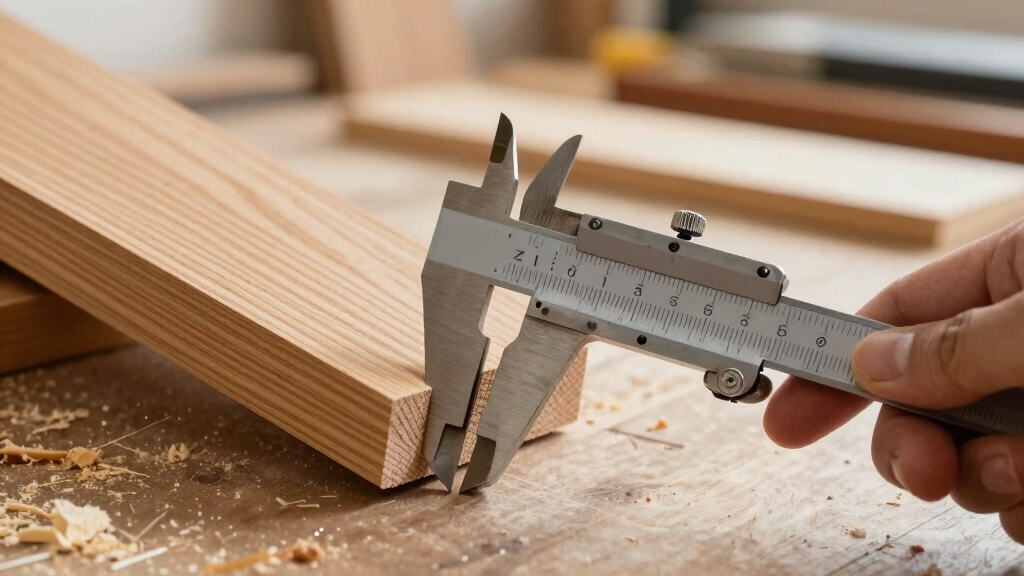
When selecting stair treads, you’ll typically find standard thicknesses around 1 inch, with allowable tolerances of plus or minus 1/64 inch to guarantee consistency.
This precise measurement assures uniformity across all treads, critical for structural integrity and safety.
If you’re working with traditional materials like old pine from 2x10s, thicknesses often reach 1.5 inches, offering added durability.
For hardwoods such as white oak, manufacturers commonly propose 3/4 or 7/8 inch thicknesses; however, it’s advisable to use treads at least 1 inch thick to prevent warping and wear.
Maintaining these thickness standards helps you achieve reliable load-bearing capacity while preserving the stair’s aesthetic and functional performance over time.
Always verify thickness before installation to meet your project’s demands.
For fastening these treads securely, using 2-inch 6d hardened nails is recommended to ensure proper grip and minimize splitting.
Building Codes and Recommended Thickness for Safety
Making sure stair tread thickness aligns with building codes is essential for safety and structural reliability.
Ensuring stair tread thickness meets building codes is crucial for both safety and durability.
Building codes like the IBC mandate a minimum tread depth of 10 to 11 inches and recommend a thickness of at least 1 inch for durability.
OSHA specifies a minimum tread depth of 9.5 inches for standard stairs, with allowable thickness tolerances around +/- 1/64 inch.
You need to maintain consistent thickness to prevent structural weaknesses and ensure uniform step height, limiting variation to 3/8 inch maximum.
Overly thin treads, especially under heavy foot traffic, risk cracking or failure.
By adhering to these thickness requirements, you assure the stair’s ability to support loads safely while maintaining code compliance and minimizing trip hazards.
Always verify local codes, as requirements may vary slightly by jurisdiction.
Proper installation techniques and material selection, similar to those used in flooring preparation, contribute to the long-term durability of stair treads.
Comparing Thickness: Pine vs. Oak Stair Treads
When you’re picking out stair treads, it’s good to know that pine usually comes in around 1.5 inches thick, especially if you’re looking at older 2×10 stock. That thickness can give you a solid feel underfoot.
On the flip side, oak treads often have a variety of thicknesses. You might find options as thin as 3/4 or 7/8 inch, but if you’re aiming for durability, going with at least 1 inch is a smart move.
It’s also important to ensure the treads are properly acclimated and installed with the correct expansion gaps to avoid warping or damage over time.
Pine Tread Thickness
Wood density and durability directly influence stair tread thickness, especially when comparing pine and oak. Pine, being a softer and less dense wood, typically requires thicker treads to guarantee strength and longevity.
While standard pine stair treads from a 2×10 board measure about 1.5″ thick, this thickness compensates for its lower hardness and resistance to wear. You’ll find that pine treads are often thicker than oak, which can be used at 3/4″ to 7/8″ thickness due to its superior density and durability.
When selecting pine for stair treads, aim for at least 1 1/4″ thickness to prevent premature sagging or damage under frequent foot traffic. This practical thickness guarantees safety and durability without unnecessary bulk.
Choosing the right thickness also ensures better durability and impact resistance, which is critical for stair treads exposed to heavy use.
Oak Tread Options
Several key thickness options exist for oak stair treads, reflecting the wood’s natural density and strength.
Unlike pine treads, which often measure 1.5″ from dimensional lumber like 2x10s, oak treads are commonly milled thinner, typically 3/4” or 7/8” thick.
However, to maintain durability and meet code requirements, a minimum thickness of 1” is recommended for oak. This secures sufficient structural integrity given oak’s hardness and wear resistance.
When comparing pine and oak, remember pine’s greater standard thickness doesn’t compensate for oak’s superior strength at thinner dimensions.
You should select oak treads at 1″ or greater thickness to balance strength, longevity, and aesthetic appeal, especially in high-traffic residential or commercial settings.
Precise measurement and adherence to tolerances (+/- 1/64“) guarantee a proper fit and finish.
For enhanced stability and moisture resistance, many installations prefer engineered oak stair treads in challenging environments.
Why Stair Tread Thickness Matters for Durability?
When it comes to stair treads, thickness really matters. You want to make sure they’re thick enough to hold up under constant use.
Thicker treads can handle the load better, which means they’re less likely to crack or warp over time.
Plus, let’s be honest—nobody wants to deal with unsafe stairs. Choosing the right thickness not only boosts durability but also keeps your stairs safe for everyone.
Ensuring the subfloor is properly assessed and prepared, including checking for structural issues, is essential to support the stair treads effectively.
Impact On Structural Strength
Because stair treads bear constant foot traffic and dynamic loads, their thickness directly influences the overall structural strength and durability of the staircase. Thicker treads resist bending and deflection better, guaranteeing safety and longevity.
If you choose thinner treads, you risk increased flexing. This can lead to cracks or premature failure.
Here’s a quick comparison of tread thickness and structural impact:
| Tread Thickness | Structural Impact |
|---|---|
| ¾” | Higher deflection, less durable |
| 1″ (standard) | Balanced strength and durability |
| 1.5″ (old pine) | Superior load resistance, minimal flex |
Selecting an appropriate thickness guarantees your staircase withstands loads without compromising stability or safety over time. Proper weight distribution and avoiding excessive concentrated loads are essential to maintaining floor integrity and preventing long-term damage.
Resistance To Wear
Offering greater material thickness, stair treads better resist wear from constant foot traffic and abrasive forces. When you choose thicker treads, you enhance durability, reducing the likelihood of surface degradation and structural weakening over time.
This thickness guarantees the tread can absorb daily impacts without compromising safety or appearance.
Consider these factors for effective wear resistance:
Increased thickness allows for sanding and refinishing multiple times, extending lifespan. Thicker materials distribute stress more evenly, preventing localized damage.
Denser hardwoods combined with adequate thickness improve resistance to dents and scratches. Compliance with standard thickness (1″ or greater for oak) aligns with durability best practices.
Selecting proper thickness is essential for maintaining functional, safe, and long-lasting stair treads in high-traffic environments.
Proper installation, including acclimating the wood and ensuring a level subfloor, also plays a crucial role in maximizing durability and lifespan.
How Tread Thickness Impacts Stair Durability and Installation?
Although stair tread thickness might seem like a minor detail, it plays a crucial role in the durability and ease of installation of your stairs.
Thicker treads increase structural strength and reduce flexing under load, extending lifespan. They also provide more material for fastening, ensuring a secure installation.
Conversely, thinner treads may lead to premature wear and complicated mounting, especially with hardwoods like oak.
| Thickness (inches) | Impact on Durability |
|---|---|
| 3/4 | Suitable for light use |
| 7/8 | Moderate durability, easier to install |
| 1 | Standard for strength and longevity |
| 1.5 | Ideal for heavy-duty applications |
Using screws with the correct length and thread style is essential to avoid splitting and ensure a strong hold in stair tread installation.
Choosing the Right Stair Tread Thickness
When selecting stair tread thickness, you need to take into account both the material type and the expected load to guarantee peak performance and safety.
For hardwoods like oak, a thickness of 1″ or more is advisable to resist wear and maintain structural integrity. Softer woods or engineered materials may require increased thickness or reinforcement.
Factor in the frequency and weight of foot traffic to avoid premature sagging or damage.
Key factors to weigh include:
- Material density and strength
- Anticipated load and foot traffic
- Compliance with local building codes
- Installation method and support structure
Additionally, consider how the maintenance demands of your chosen material and finish can affect the long-term durability of the stair treads.
Frequently Asked Questions
What Is the Ideal Stair Tread Thickness for Outdoor Use?
You absolutely need stair treads at least 1¼” thick for outdoor use. Anything less risks warping and quick decay, especially under constant weather assault.
Opt for dense, weather-resistant materials like treated hardwood or composite. Maintaining that thickness guarantees durability and safety.
Thicker treads better resist moisture and provide long-term stability, preventing costly repairs. So, don’t skimp; aim for sturdy, 1¼” or thicker treads designed to endure outdoor conditions flawlessly.
How Does Humidity Affect Stair Tread Thickness Over Time?
Humidity causes stair treads to absorb moisture, making them swell and increase in thickness temporarily.
Over time, repeated cycles of moisture absorption and drying can lead to warping, cupping, or permanent expansion.
You need to account for this by selecting materials with low moisture absorption or installing proper sealing.
Failure to do so can compromise tread fit, safety, and longevity, especially in environments with fluctuating humidity levels.
Can Stair Tread Thickness Influence Noise Levels When Walking?
Yes, stair tread thickness can influence noise levels when walking.
Thicker treads, like 1″ or more, tend to absorb impact better and reduce creaking or hollow sounds. Thinner treads may flex slightly under weight, amplifying noise.
Additionally, denser materials at recommended thicknesses, such as oak at ¾” or greater, help dampen sound transmission. To minimize noise, ensure treads fit tightly without gaps.
Consider underlayment or anti-vibration pads beneath them.
Are Thicker Stair Treads Harder to Install Than Thinner Ones?
Thicker stair treads aren’t necessarily harder to install, but they do require more effort and heavier handling.
You’ll need sturdier fasteners and possibly pre-drilling to prevent splitting, especially with hardwoods like oak.
Thicker treads also demand precise measurements to maintain code compliance and guarantee proper fit.
What Tools Are Best for Measuring Stair Tread Thickness Accurately?
You definitely don’t want to eyeball stair tread thickness like a pirate guessing treasure weight.
Grab a digital caliper for precision down to thousandths of an inch; it’s your best bet.
If you don’t have one, a micrometer works well for thickness under an inch.
A good steel ruler or tape measure won’t cut it here; they’re too coarse.
This way, you make certain your treads meet exact code and fit snugly without surprises.
Get Long-Lasting Results With Proper Stair Tread Thickness
When selecting stair treads, remember that the standard thickness is typically 1 to 1.25 inches. Building codes often require at least 1 inch for safety.
Curiously, oak treads, being denser, can handle thinner profiles than pine without sacrificing strength. Choosing the right thickness isn’t just about compliance; it directly impacts durability and installation ease.
So, prioritize thickness carefully to make certain your stairs remain safe, sturdy, and long-lasting.