
Cultured Marble vs Marble: Honest Comparison
When choosing between cultured marble and natural marble, consider that cultured marble offers uniform, durable surfaces molded for seamless design, with low maintenance and lower cost.
Natural marble, however, delivers unmatched aesthetic depth and unique veining formed by nature, but requires regular sealing and careful upkeep.
Cultured marble resists scratches and stains better but has lower heat tolerance.
Your choice depends on whether you prefer engineered consistency or authentic elegance. Explore further to see which suits your project’s needs and style.
Key Takeaways
- Cultured marble is a resin-based composite with uniform color and patterns, while natural marble is quarried stone with unique, irregular veining.
- Natural marble offers superior heat resistance and visual depth, but requires regular sealing and careful maintenance to prevent damage.
- Cultured marble is more durable against scratches and stains, easier to clean, and requires minimal maintenance without sealing.
- Cultured marble is cost-effective, molded into seamless panels ideal for bathrooms, reducing joints and water infiltration risks.
- Natural marble is more expensive, involves complex installation, and provides traditional elegance with distinctive veining and texture.
Comparison of Cultured Marble & Marble
| Feature | Cultured Marble | Natural Marble |
|---|---|---|
| Composition | Crushed marble + resin binders | 100% natural quarried stone |
| Appearance | Uniform patterns, controlled colors | Unique veining, natural variation |
| Cost | Budget-friendly, ~50% less | Premium pricing, higher labor cost |
| Maintenance | No sealing required, easy cleaning | Requires regular sealing |
| Heat Resistance | Moderate; resin sensitive to high heat | Excellent natural heat tolerance |
| Stain Resistance | Non-porous, highly stain resistant | Porous; prone to staining if unsealed |
| Installation | Seamless molded panels | Slab installation with joints |
| Durability | Good impact resistance | Strong but can chip or scratch |
Cultured Marble Vs Natural Marble: Key Differences

While both cultured marble and natural marble offer elegant aesthetics, they differ fundamentally in composition, durability, and maintenance.
Cultured and natural marble share elegance but differ in makeup, durability, and care requirements.
Cultured marble is a blend of crushed natural marble, synthetic resins, and dyes, molded into uniform panels with a protective gel coat.
Natural marble, by contrast, is quarried directly from stone veins and polished to reveal unique, irregular patterns with rich visual depth.
Cultured marble’s resin base enhances toughness, resisting daily wear, while natural marble tolerates heat better but requires regular sealing due to its porosity.
Maintenance differs markedly: cultured marble needs just mild soap and water, whereas natural marble demands careful cleaning and periodic sealing to prevent staining.
Understanding these distinctions helps you choose the material that balances beauty, durability, and upkeep for your space.
For spaces prone to moisture and heavy foot traffic, selecting materials with waterproof properties can greatly simplify maintenance and extend surface longevity.
How Cultured And Natural Marble Are Made?
Because cultured and natural marble originate from fundamentally different processes, understanding their fabrication reveals why their appearances and properties vary.
You’ll find natural marble is quarried directly from stone deposits, then cut, ground, and polished to reveal unique veins and color patterns embedded by nature.
In contrast, cultured marble is engineered by combining crushed natural marble with synthetic resins, pigments, and curing agents.
This mixture is poured into molds and heated to form uniform panels.
A protective gel coat is then applied to enhance durability and shine.
While natural marble’s beauty stems from geological formation, cultured marble achieves consistent aesthetics through controlled manufacturing, allowing you to select precise colors and patterns.
Both methods require expertise, but cultured marble’s process gives you tailored design flexibility with added resilience.
Additionally, understanding the material’s durability and maintenance needs is essential when choosing between cultured and natural marble for your project.
Cost Comparison: Cultured Marble Vs Natural Marble
When weighing your options, cultured marble stands out as a budget-friendly choice, costing nearly 50% less than natural marble.
This significant cost difference arises because cultured marble is manufactured with precision, requiring minimal cutting and shaping, which reduces labor expenses.
In contrast, natural marble demands extensive quarrying, transporting, and intricate cutting to preserve its unique veining, all driving up both material and installation costs.
Additionally, natural marble installation often involves handling multiple slabs, increasing complexity and price.
Cultured marble’s controlled production process guarantees consistent dimensions and patterns, streamlining installation and minimizing waste.
If you’re seeking an aesthetically pleasing surface without the premium price tag of genuine stone, cultured marble provides a cost-effective alternative that balances visual appeal with financial practicality.
Moreover, choosing materials like cultured marble that avoid on-site finishing can improve indoor air quality by reducing dust and VOC emissions during installation.
Durability Comparison: Cultured Vs Natural Marble
When it comes to durability, cultured marble really shines. It’s made with resin, which gives it an edge when it comes to resisting scratches and impacts. The resin absorbs energy, so you’ll find that it minimizes damage quite effectively.
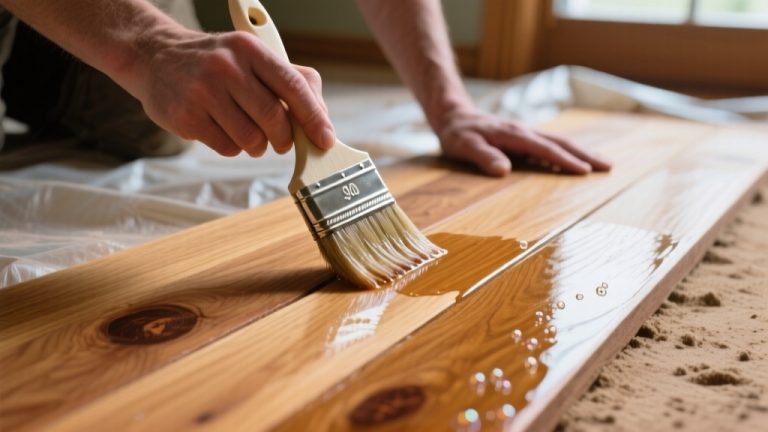
On the other hand, natural marble has its own strengths. It’s heat resistant, which is great if you’re worried about hot pots and pans. However, it’s a bit more susceptible to staining and surface wear because of its porous nature. Applying penetrating oils such as tung or linseed can help provide moderate moisture protection to natural stone surfaces.
Scratch And Impact Resistance
Although both cultured marble and natural marble share similar vulnerabilities to scratches and impacts, their structural differences influence how they respond to damage.
Cultured marble’s resin matrix absorbs impact energy, reducing chipping and cracks. Natural marble, being a solid stone, can chip or crack more easily upon sharp impacts but can be polished to remove scratches.
Proper maintenance and the use of protective materials and accessories can significantly extend the durability of both materials.
| Feature | Cultured Marble | Natural Marble |
|---|---|---|
| Scratch Resistance | Moderate; resin aids surface toughness | Moderate; softer stone prone to scratches |
| Impact Absorption | High; resin disperses force | Low; brittle stone may chip or crack |
| Repairability | Easier; surface refinished or patched | Difficult; chips require stone replacement |
| Surface Hardness (Mohs) | 3-4 | 3-4 |
| Visual Impact of Damage | Less visible due to uniform finish | More visible due to natural veining |
Heat And Stain Durability
Since heat exposure is a common concern in both kitchen and bathroom environments, understanding how cultured marble and natural marble withstand thermal stress is essential.
Natural marble offers superior heat resistance, tolerating hot pots or styling tools with less risk of damage.
Cultured marble, while durable, can soften or discolor if exposed to excessive heat due to its resin content.
When it comes to staining, cultured marble’s non-porous surface resists most stains and requires minimal maintenance.
Conversely, natural marble’s porous nature demands regular sealing to prevent absorption of oils or acidic substances that cause etching.
Natural marble withstands higher temperatures but needs sealing to protect against stains.
Cultured marble resists stains without sealing but is more sensitive to heat damage.
Proper care enhances longevity and maintains the aesthetic integrity of both materials.
However, exposure to heat can accelerate chemical breakdown in materials containing resins, increasing the risk of structural weakening over time.
Appearance And Visual Differences Explained
Natural marble showcases unique, irregular veining and color variations that reveal its genuine stone origins. Each slab presents distinct patterns with rich visual depth when polished, embodying nature’s randomness.
In contrast, cultured marble exhibits a more uniform appearance; its colors and veins are blended and swirled through synthetic resins to mimic natural stone. You’ll notice consistent patterns across panels due to controlled manufacturing, lacking the unpredictability of quarried marble.
While cultured marble can replicate rare textures, its surface often appears smoother and more homogenous. By examining the veining’s regularity and surface texture closely, you’ll identify whether you’re looking at authentic marble’s natural complexity or the engineered uniformity of cultured marble.
Additionally, natural stone like marble has a higher density and hardness compared to synthetic alternatives, which impacts its durability and maintenance needs, similar to how carbonised bamboo’s density and hardness change through thermal treatment.
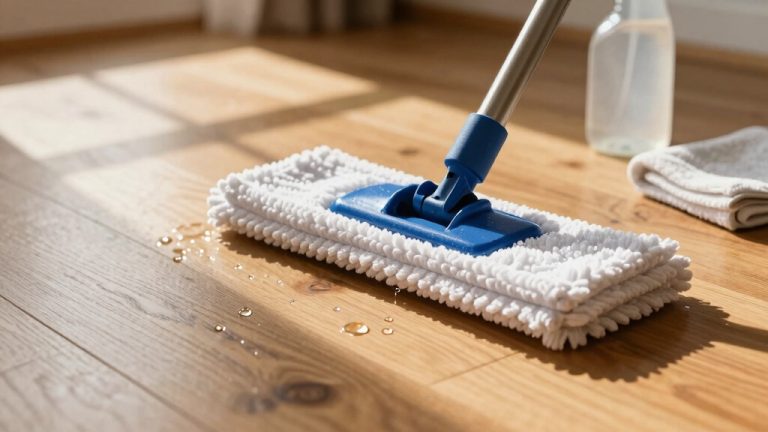
Cleaning And Maintenance For Both Materials
When caring for marble surfaces, you’ll find that natural and cultured marble demand distinct approaches due to their material properties.
Natural marble’s porous nature requires you to seal it once or twice a year to prevent staining and etching. Cultured marble’s resin-infused surface resists stains and doesn’t need sealing.
For cleaning:
- Use pH-neutral, non-abrasive cleaners on natural marble to avoid damage.
- Clean cultured marble regularly with warm water, mild soap, and a soft cloth.
- Avoid acidic or harsh chemical cleaners on both materials to preserve finish.
Maintaining stable indoor humidity levels helps protect both marble types from damage caused by moisture fluctuations.
Installation And Design Differences
When you go for cultured marble, you get these amazing large seamless panels that give you a sleek, uninterrupted surface—perfect for showers and tub surrounds.
Plus, the way it’s made means you can customize it precisely to fit your bathroom dimensions.
You can even integrate sinks and backsplashes into one cohesive unit.
Now, let’s talk about natural marble. This one’s a bit different.
It requires separate pieces that are joined together with grout or caulk, which can break up that smooth visual flow you might be after.
And, honestly, that can complicate the installation process a bit.
Additionally, the choice between materials can affect the overall design and style of your space, as natural marble offers a traditional elegance while cultured marble provides a modern, seamless look.
Seamless Panel Advantages
Cultured marble panels bring a sleek, seamless look to your bathroom design by guaranteeing grout lines and joints common with natural marble installations are eliminated.
This creates a visually uninterrupted surface that enhances both hygiene and aesthetics. You’ll appreciate how these large panels reduce water infiltration risks, preventing mold growth in often damp areas.
Key advantages include:
- Integrated components: Sink, backsplash, and walls unify into one continuous piece, streamlining cleaning and maintenance.
- Custom sizing: Panels mold precisely to your bathroom’s dimensions, avoiding awkward seams and gaps.
- Consistent appearance: Controlled manufacturing guarantees uniform color and veining, unlike natural marble’s irregular patterns that require multiple slabs.
This seamless design elevates your space’s modernity while optimizing durability and ease of upkeep. Additionally, materials with moisture resistance significantly contribute to the longevity and cleanliness of surfaces in wet environments.
Customization And Fabrication
Building on the benefits of seamless panels, customization and fabrication play a pivotal role in tailoring your bathroom surfaces to exact specifications.
Cultured marble is molded into large, continuous panels, allowing you to achieve integrated designs where sinks, backsplashes, and tub surrounds form one cohesive piece.
This reduces joints and grout lines, enhancing both aesthetics and hygiene.
You can order custom-sized panels that fit your space perfectly, minimizing on-site cutting and installation complexities.
In contrast, natural marble requires precise cutting and fitting of multiple slabs, often necessitating grout or caulk seals at joints, which can interrupt visual flow.
While natural marble offers unique veining on both surfaces, its fabrication demands skilled labor and careful measurement to align patterns seamlessly.
This makes installation more time-consuming and costly compared to cultured marble’s streamlined process.
When Should You Choose Cultured Marble?
Consider choosing cultured marble if you want a cost-effective, durable surface that mimics the elegance of natural stone without the high maintenance.
Its engineered composition with resins and pigments creates a uniform, seamless appearance ideal for precise bathroom installations.
You’ll appreciate the non-porous gel coat that resists stains and eliminates the need for annual sealing, simplifying upkeep.
Cultured marble also withstands daily impact better due to its resin matrix, reducing chips and cracks compared to natural stone.
Seamless molding allows integrated sinks and backsplashes, reducing grout lines and potential water damage.
Custom fabrication fits exact dimensions, perfect for modern, streamlined bathroom designs.
Lower overall costs and simplified installation make it suitable for budget-conscious projects without sacrificing style.
Choosing cultured marble balances aesthetic sophistication with practical performance.
Pros And Cons Of Cultured And Natural Marble
When weighing your options between cultured and natural marble, you’ll find distinct advantages and drawbacks rooted in their composition and performance.
Cultured marble offers uniform patterns, enhanced durability from resin, and requires minimal maintenance.
It needs no sealing and resists stains and chemicals.
It’s budget-friendly and fabricated into seamless panels, ideal for precise bathroom designs.
However, it lacks the unique veining and natural depth of real marble and is less heat resistant.
It misses the authentic veining and depth of natural marble and offers lower heat resistance.
Natural marble boasts unparalleled aesthetic depth with distinctive veining and colors that no synthetic can replicate.
Yet, it demands regular sealing and careful cleaning, and is more prone to scratches and staining.
It also commands higher costs and installation complexity.
Your choice depends on whether you prioritize natural elegance or practical durability and cost-efficiency in your space.
Frequently Asked Questions
Can Cultured Marble Be Recycled or Repurposed After Removal?
You can recycle or repurpose cultured marble, but it’s not straightforward.
Since it’s a composite of crushed marble and synthetic resins, separating materials for traditional recycling is challenging.
Instead, you’re better off repurposing slabs into smaller projects like tiles or decorative panels.
Its durable resin surface holds up well, letting you creatively reuse pieces without losing aesthetic appeal.
Proper disposal may require specialized facilities due to the synthetic components.
How Eco-Friendly Is the Production of Cultured Marble Compared to Natural Marble?
Imagine a tree’s shadow; cultured marble production leaves a smaller one than natural marble.
You’ll find cultured marble uses crushed stone with synthetic resins, avoiding the heavy quarrying and transport natural marble demands, which consume more energy and disrupt ecosystems.
Its manufacturing is more controlled, reducing waste.
While natural marble offers raw beauty, cultured marble’s eco-friendliness shines through its efficient, less invasive process, letting you choose style with sustainability.
Does Cultured Marble Emit Any Odors or VOCS After Installation?
You won’t notice strong odors or VOC emissions after installing cultured marble.
During manufacturing, resins cure fully, minimizing off-gassing. However, right after installation, a mild scent might linger briefly, but it dissipates quickly in well-ventilated spaces.
Its non-porous surface doesn’t release harmful chemicals over time, making it safer indoors. You can confidently enjoy cultured marble’s aesthetic appeal without worrying about persistent odors or indoor air quality concerns.
Are There Any Health Risks Associated With Cultured Marble in Kitchens?
You won’t face significant health risks with cultured marble in kitchens. Its non-porous surface resists bacteria and mold growth, making it hygienic.
While the resin components cure fully before installation, any residual VOC emissions are minimal and dissipate quickly.
Just avoid harsh chemicals that can damage the gel coating. So, you can enjoy a durable, easy-to-clean surface without worrying about harmful odors or toxins affecting your kitchen environment.
Can Natural Marble and Cultured Marble Be Combined in One Design Project?
Imagine blending the timeless elegance of natural marble’s unique veining with the smooth, seamless finish of cultured marble.
Yes, you can combine both in one design. Use natural marble for striking countertops while crafting shower surrounds or backsplashes from cultured marble to guarantee durability and uniformity.
This mix leverages each material’s strengths, giving you aesthetic contrast and practical functionality, all while maintaining a cohesive, sophisticated space.
Choosing Between Cultured Marble and Marble with Confidence
When choosing between cultured and natural marble, remember: beauty often wears many faces. Cultured marble offers affordability and ease, while natural marble boasts timeless elegance and unique veining.
You’ll weigh cost, durability, and maintenance, but ultimately, your space’s soul depends on the material you pick. So, ask yourself: do you want practicality wrapped in style or the authentic grandeur that only nature can craft?
Your choice shapes more than surfaces; it shapes your living experience.