
Can You Wax Laminate Flooring? Full Guide
You shouldn’t wax laminate flooring because wax damages its protective wear layer and leaves a sticky residue that attracts dirt and dulls appearance.
Wax buildup increases the risk of scratches, creates slippery surfaces, and voids product protection.
Removing wax requires harsh chemicals that further harm the floor.
Instead, use laminate-safe cleaners and minimal moisture for maintenance.
If you want to understand the risks, proper care methods, and safe alternatives, there’s more detailed information ahead.
Key Takeaways
- Waxing laminate flooring is not recommended as it can damage the protective wear layer and void manufacturer coverage.
- Wax does not absorb into laminate surfaces, often leaving sticky residue that traps dirt and dulls appearance.
- Wax buildup increases surface scratches risk and creates slippery, unsafe floors.
- Removing wax requires harsh chemicals that may further deteriorate laminate finish and cause uneven texture.
- Proper care involves dry cleaning and using laminate-safe, water-based cleaners without waxing or excessive moisture.
Reasons to Avoid Waxing Laminate Flooring

Although waxing might seem like a good way to enhance your laminate floor’s appearance, you should avoid it because wax can damage the protective wear layer designed to keep laminate durable and low-maintenance.
Waxing may seem beneficial, but it can harm the protective wear layer of your laminate flooring.
This wear layer is factory-applied to resist scratches, stains, and wear without additional coatings. Wax doesn’t absorb properly into laminate’s sealed synthetic surface, often leaving a sticky residue that traps dirt and complicates cleaning.
This residue can cause the floor to look cloudy, dull, or streaky instead of shiny. Moreover, wax buildup increases the risk of surface scratches and may create a slippery finish, posing safety concerns.
Because of these factors, waxing is counterproductive and can undermine both the appearance and longevity of your laminate flooring. Instead, it is best to use pH-balanced cleaners designed specifically for laminate floors to maintain their finish without damaging the surface.
How Waxing Can Damage Your Laminate Floor?
When you apply wax to laminate flooring, you risk compromising its protective wear layer. This layer is engineered to resist damage without additional coatings.
Wax can interfere with this sealed surface, reducing its effectiveness against scratches, stains, and general wear. The wax often fails to bond properly, leaving a sticky residue that attracts dirt and debris.
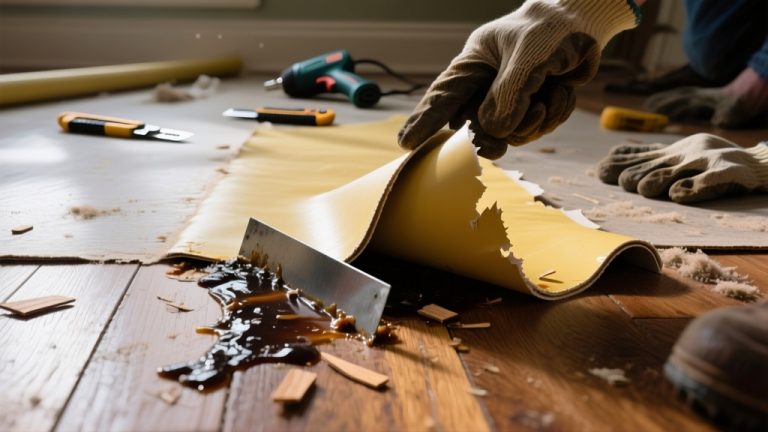
This increases abrasion risk. Removing wax buildup is difficult and typically requires harsh stripping agents, which may further deteriorate the laminate finish.
Additionally, repeated waxing can cause uneven surface texture and diminished durability, accelerating floor degradation. Because laminate relies on its factory-applied wear layer for protection, introducing wax disrupts this balance.
This can potentially void coverage and lead to costly repairs or replacement. You’re better off avoiding wax to maintain your floor’s integrity.
Attempting to alter the surface can lead to uneven color and flaking due to the non-porous nature of the wear layer.
Wax-Related Issues: Appearance, Safety, and Maintenance
Beyond the risk of damaging your laminate floor’s wear layer, applying wax introduces several appearance, safety, and maintenance challenges.
Wax often leaves a sticky residue that collects dirt, causing dullness and streaks rather than shine. This residue can create a slippery surface, increasing fall hazards.
Additionally, maintaining a waxed laminate floor requires labor-intensive stripping and refinishing, which risks further damage.
| Issue | Impact on Laminate | Consequence |
|---|---|---|
| Residue buildup | Traps dirt and dust | Dulls floor appearance |
| Slippery finish | Reduced traction | Safety hazard |
| Difficult removal | Requires harsh stripping | May damage wear layer |
| Uneven texture | Inconsistent wax deposit | Unattractive surface |
| Increased maintenance | Frequent cleaning needed | Time-consuming and costly |
Avoid waxing to preserve your floor’s integrity and ease of care. Routine cleaning methods such as gentle sweeping and vacuuming with appropriate attachments are safer alternatives that maintain floor longevity without risk.
How to Clean and Maintain Laminate Floors Without Wax?
To keep your laminate floors looking great without using wax, it’s really important to start with some basic dry cleaning. A microfiber mop or a vacuum made for hard surfaces works wonders for picking up dust and dirt. Trust me, it makes a huge difference!
When it comes to wet cleaning, be sure to stick to laminate-safe cleaners or whip up a simple vinegar-and-water solution. Just remember to use minimal moisture. Too much water can sneak into the seams and lead to warping or swelling, which is definitely something you want to avoid!
Avoid harmful chemicals such as bleach, ammonia, and acidic solutions like vinegar to protect the floor’s surface and adhesive from damage, as explained in cleaner selection guidelines.
Routine Dry Cleaning
Regularly performing routine dry cleaning plays a crucial role in maintaining the appearance and longevity of laminate floors without risking damage from wax or moisture.
You should use a microfiber mop, soft broom, or vacuum equipped with a hard-floor setting to remove dirt, dust, and debris effectively.
Avoid abrasive tools or stiff-bristled brooms that can scratch the protective wear layer.
Consistent dry cleaning prevents grit buildup, which can cause surface wear and dullness over time.
Pay attention to corners and under furniture where particles accumulate.
This method preserves the sealed top layer and eliminates the need for wax, which can damage laminate.
Maintaining indoor humidity between 40–60% helps protect laminate floors from moisture-related damage and preserves their appearance.
Safe Wet Cleaning
Maintaining laminate floors with safe wet cleaning involves using minimal moisture and appropriate cleaning solutions to protect the sealed surface.
You should avoid saturating the floor; instead, dampen a microfiber mop or cloth with a laminate-approved cleaner or a mild vinegar-and-water solution (about 1 cup vinegar per gallon of water).
Apply the solution sparingly and mop promptly, ensuring no standing water remains.
Never use harsh chemicals, abrasive scrubbers, or oil-based cleaners, as they can degrade the wear layer.
Focus on gentle, controlled cleaning to remove dirt without compromising the floor’s integrity.
After wet cleaning, dry the surface thoroughly with a clean microfiber cloth or mop to prevent water infiltration into seams, which can cause swelling or damage.
This method preserves your laminate’s finish without wax or residue buildup.
Regular sweeping or vacuuming with soft brushes complements wet cleaning to minimize dirt accumulation and prevent scratches, enhancing the floor’s longevity and appearance through preventative maintenance.
Moisture Control Tips
After safely wet cleaning your laminate floors with minimal moisture, controlling the amount of water exposure becomes a key factor in preserving the flooring’s integrity.
Avoid excessive water that can seep into seams, causing swelling or warping. Use a damp mop rather than a soaked one, and wring out excess liquid thoroughly.
Quickly dry any spills or wet areas to prevent moisture damage. Regularly use a dry microfiber mop or vacuum designed for hard surfaces to remove dust and debris without adding moisture.
Choose cleaning solutions specifically labeled safe for laminate, since harsh chemicals or wax-containing products risk damaging the protective wear layer.
Maintaining proper moisture control is essential, as improper cleaning can lead to warping and swelling of laminate floors.
Safe Products and Alternatives for Laminate Floor Care
Choosing safe products and alternatives for laminate floor care guarantees you preserve the flooring’s integrity and appearance without risking damage. Avoid waxes and polishes designed for hardwood, as they can harm laminate’s sealed wear layer and cause buildup.
Instead, use cleaners specifically labeled safe for laminate flooring or a mild solution of vinegar and water, applied sparingly to prevent moisture infiltration. Employ dry microfiber mops, soft brooms, or vacuums with hard floor settings for routine debris removal to avoid scratches.
Steer clear of harsh chemicals, abrasive tools, and excess water, which degrade the laminate surface and seams. Always adhere to the manufacturer’s care instructions to maintain product coverage.
For best results, consider using microfiber pads which help preserve finishes and avoid streaks during cleaning.
This targeted approach secures your laminate floor remains durable and visually consistent without the risks associated with traditional waxing products.
When to Use Special Restorers and Treatments on Laminate Floors?
Before you dive into using special restorers on your laminate floors, take a moment to check for any surface damage. Look out for scratches or dull spots—these can really affect the overall look of your flooring.
Once you’ve identified any issues, make sure to choose products that are specifically approved for laminate floors. This is super important because using the wrong products can actually harm the wear layer, and nobody wants that!
When it comes to applying treatments, be sure to follow the instructions carefully. This will help you achieve even coverage and prevent any pesky residue from building up.
Trust me, taking these steps can make a big difference in keeping your laminate floors looking great!
For long-term care, consider floors with a UV-cured urethane coating, as it enhances scratch resistance and durability.
Identifying Laminate Surface Damage
Although laminate flooring is designed to resist everyday wear, certain conditions can cause surface damage that requires special attention.
You should inspect your floor for signs like deep scratches, chips, or dull spots where the protective wear layer appears compromised.
Water damage, including swelling or warping, also signals the need for targeted treatments.
Surface abrasions that don’t respond to routine cleaning may indicate underlying issues.
It’s essential to differentiate between superficial dirt buildup and actual damage to avoid unnecessary or harmful treatments.
When damage is apparent, you can consider specialized restorers designed specifically for laminate surfaces.
Avoid general-purpose products that might worsen the condition.
Properly identifying damage guarantees you apply the correct solution, preserving both the floor’s appearance and structural integrity without risking further harm.
Additionally, it is important to avoid using excessive moisture during cleaning, as it can lead to swelling and warping of laminate floors.
Choosing Approved Restorer Products
Determine when to apply special restorer products by carefully evaluating the condition of your laminate flooring.
Use these treatments only if the wear layer is intact but the surface shows dullness or minor scratches that regular cleaning won’t fix.
Avoid products containing traditional wax, as they can damage the laminate. Choose restorers specifically formulated for laminate to maintain the protective layer without causing buildup or residue.
Consider these criteria before use:
- Confirm product compatibility with your floor’s manufacturer guidelines.
- Check for non-wax, water-based formulations designed for synthetic surfaces.
- Use restorers that enhance shine without altering texture or color.
- Select treatments that don’t require harsh stripping or sanding afterward.
- Make certain the product helps fill minor surface abrasions without clogging seams.
Applying the right restorer preserves your laminate’s appearance and durability.
Application Tips For Treatments
Special restorers and treatments should typically be applied only when your laminate floor exhibits signs of dullness, minor scratches, or surface wear that regular cleaning can’t address.
You want to use products specifically designed for laminate, avoiding traditional waxes that can damage the wear layer. Apply treatments sparingly and follow manufacturer instructions to guarantee compatibility and prevent buildup or residue.
| Condition | Recommended Treatment | Application Frequency |
|---|---|---|
| Dullness | Laminate restorer spray | As needed, light coats |
| Minor scratches | Scratch repair kits | Spot treatment |
| Surface wear | Protective sealers | Occasional, per label |
Always test in a small area first to confirm compatibility and avoid surface issues.
Frequently Asked Questions
Can Waxing Laminate Flooring Improve Its Water Resistance?
No, waxing laminate flooring won’t improve its water resistance. The laminate’s sealed wear layer is designed to repel moisture already, and wax can’t penetrate or enhance that protection.
In fact, applying wax may trap dirt and moisture, risking damage to seams or the surface. To maintain water resistance, you should avoid excess moisture and use cleaners made specifically for laminate floors, following manufacturer guidelines for best results.
Is It Safe to Use Paste Wax on Laminate Floors?
No, it’s not safe to use paste wax on laminate floors. Paste wax can damage the factory-applied wear layer, causing dullness, sticky residue, and uneven buildup.
This compromises the floor’s protective finish and may void your warranty. Instead, stick to cleaning methods recommended by the manufacturer, like dry mopping and laminate-safe cleaners.
Avoid wax products entirely to maintain your floor’s appearance and longevity safely.
How Long Does Laminate Flooring Typically Last Without Waxing?
Laminate flooring typically lasts 10 to 25 years with proper care.
You don’t need to wax it to maintain durability since its factory-applied wear layer protects against scratches and stains.
Instead, focus on routine cleaning with laminate-safe products and avoid excess moisture.
Following manufacturer guidelines helps preserve the floor’s lifespan.
Waxing isn’t necessary and can even shorten its life by damaging the protective surface over time.
Can Waxing Laminate Floors Affect Indoor Air Quality?
Waxing laminate floors can affect indoor air quality by releasing volatile organic compounds (VOCs) and creating odors.
It can also trap dust and allergens in sticky residues.
When you apply traditional wax, it may emit chemical fumes that linger and degrade air quality.
Additionally, wax buildup can harbor pollutants, worsening your environment.
To maintain healthier indoor air, avoid waxing and stick to laminate-approved cleaners that don’t contribute harmful emissions or trap contaminants.
Are There Any DIY Methods to Restore Shine on Laminate Floors?
You can restore shine on laminate floors by using a mild vinegar-and-water solution (one cup vinegar to one gallon water) applied with a damp microfiber mop.
Avoid excess moisture to protect seams. For added gloss, use commercial laminate floor cleaners formulated specifically for your floor type.
Never apply traditional wax or polish, as they can damage the surface.
Regular dry dusting and prompt spill cleanup also help maintain the floor’s appearance.
Final Answer: Can You Wax Laminate Flooring?
Avoid waxing your laminate flooring, as it can cause buildup, dullness, and even damage the protective layer.
For example, a homeowner who waxed their laminate noticed streaks and reduced floor durability within weeks.
Instead, stick to manufacturer-recommended cleaners and occasional restorers designed for laminate.
These maintain the floor’s appearance and integrity without risking harm.
By choosing proper maintenance methods, you’ll preserve your laminate’s lifespan and keep it looking pristine without unnecessary risks.