Can You Burn Cedar in Fireplace? Safety Guide
You can burn cedar in your fireplace, but you should only use fully seasoned wood with moisture below 20% to reduce smoke and creosote buildup.
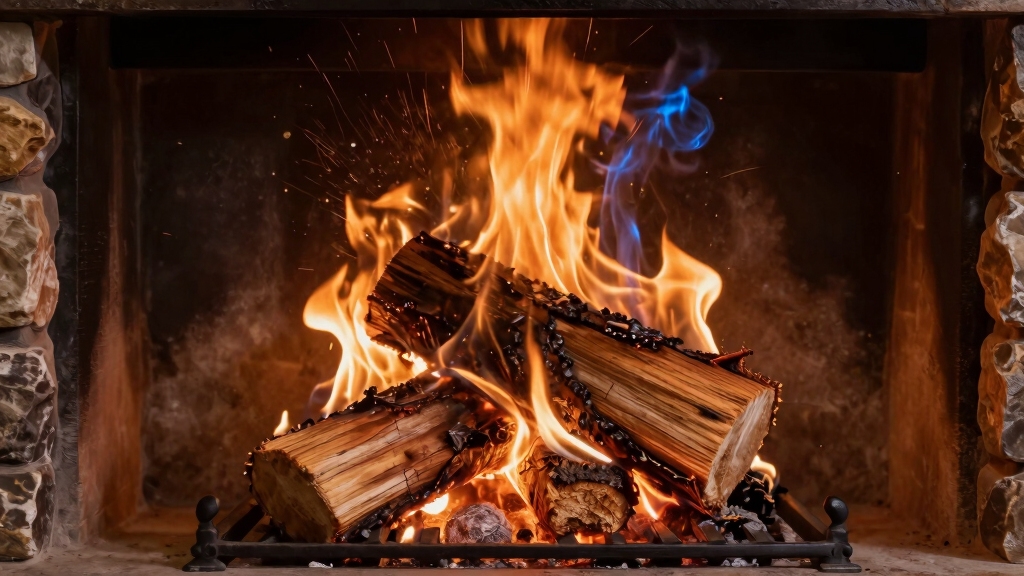
Cedar ignites quickly and burns hot, producing sparks and intense flames. Keep a sturdy screen and clear combustibles away.
Regular chimney cleaning and good ventilation are essential to prevent fire hazards. While ideal as kindling, cedar isn’t great as a main fuel.
Keep these guidelines in mind as you explore safer fireplace practices.
Key Takeaways
- Cedar burns quickly with intense flames and high smoke, making it better suited as kindling rather than the main fuel in fireplaces.
- Always use fully seasoned cedar with moisture below 20% to reduce creosote buildup and fire hazards when burning.
- Cedar produces more sparks and creosote, so maintain a well-cleaned chimney and use a sturdy fireplace screen to contain sparks.
- Improper ventilation when burning cedar risks harmful gas buildup, so ensure proper airflow and chimney maintenance.
- Prefer hardwoods like oak or maple for sustained fires, as cedar’s fast burn and high sap content increase fire and smoke risks.
Is Burning Cedar Wood Safe? Risks and Precautions?

Although burning cedar wood can create a pleasant aroma and quick flame, you should be cautious due to its high flammability and volatile oils.
Cedar burns fast and produces sparks and excessive smoke, which increases fire risk. You must guarantee the wood is fully seasoned with less than 20% moisture to reduce dangerous cracking and inefficient burning.
Keep in mind that cedar’s oils contribute to creosote buildup in your chimney, so regular cleaning and inspection are essential to prevent chimney fires.
Always maintain proper ventilation indoors to avoid harmful gases like carbon monoxide. Use protective barriers like a fireplace screen to contain sparks.
Additionally, cedar’s high lignin content contributes to its slow decay and aromatic properties, which also influence how it burns in fireplaces.
How Flammable Is Cedar Wood in Your Fireplace?
Cedar wood is pretty fascinating when it comes to burning. Because it has a high oil content, it tends to burn really quickly. This means it’s quite flammable in your fireplace, which is something to keep in mind.
Now, that quick burn can lead to some risks. For instance, it can generate a lot of sparks, and there’s also the potential for creosote buildup. If that creosote isn’t managed properly, it could result in dangerous chimney fires. Additionally, cedar’s natural oils contribute to its flammability and spark generation, requiring careful handling when used as firewood.
Cedar Wood Flammability
Cedar wood ignites quickly due to its high content of volatile oils, making it one of the most flammable woods you can use in a fireplace.
When you burn cedar, expect it to catch fire fast and burn hot, but also to burn through quicker than denser hardwoods.
This rapid burn produces more sparks and smoke because of the sap and oil content, so it’s essential to manage the fire carefully.
You’ll want to use fully seasoned cedar with moisture below 20% to guarantee it burns efficiently and safely.
Keep in mind that cedar’s flammability demands proper fireplace preparation, like good ventilation and chimney maintenance, to maintain control and optimize combustion without compromising your home’s safety.
Its high resin content contributes to rapid ignition and higher heat output compared to hardwoods.
Fire Hazards and Risks
Since cedar wood contains volatile oils, it burns extremely fast and produces intense flames that can quickly become hazardous if not properly managed.
You need to understand these risks before using cedar in your fireplace. Its fast-burning nature increases the chance of uncontrollable fires, and the sap can cause excessive smoke and sparks.
Creosote buildup from cedar’s oils demands regular chimney cleaning to prevent dangerous blockages. Proper ventilation is also essential to avoid harmful gas accumulation indoors.
Keep these points in mind:
- Use only fully seasoned cedar with moisture below 20% to reduce hazards.
- Always operate with a fireplace screen to contain sparks and popping.
- Maintain your chimney to prevent creosote buildup and fire risks.
- Keep cedar away from combustible materials and heat sources for safety.
To enhance safety, you can treat cedar wood with fire retardant products to reduce its flammability before use.
Why Properly Seasoning Cedar Wood Matters for Safety?
When burning wood in your fireplace, making certain it’s properly seasoned plays a critical role in safety. Properly seasoned cedar has a moisture content below 20%, reducing excessive smoke, sparks, and creosote buildup.
Moist wood burns inefficiently, increasing fire risks and harmful emissions. Use this quick guide to assess cedar wood:
| Aspect | Properly Seasoned Cedar | Unseasoned/Moist Cedar |
|---|---|---|
| Moisture Content | Below 20% | Above 20% |
| Burning Rate | Steady, controlled | Fast, erratic |
| Smoke & Sparks | Minimal | Excessive |
| Creosote Build-up | Reduced | Increased |
| Fire Hazard | Lower risk | Higher risk |
Season your cedar wood thoroughly before burning to ensure safer, cleaner combustion. Protect your home and lungs from hazards. Controlling the wood’s moisture content within recommended levels is essential for preventing damage and maintaining optimal burning conditions.
Preparing Your Fireplace for Burning Cedar Wood Safely
Make certain your fireplace and chimney are thoroughly cleaned and inspected before burning cedar wood to reduce fire hazards.
Ensure your fireplace and chimney are clean and inspected before burning cedar to prevent fire risks.
Cedar’s volatile oils increase creosote buildup, so removing soot and deposits is essential to prevent chimney fires.
You’ll also want to make sure proper airflow for safe combustion and minimal smoke.
Here’s how to prepare your fireplace effectively:
Schedule a professional chimney inspection and cleaning prior to use.
Check for cracks or damage in the fireplace structure.
Clear out old ashes to improve air circulation.
Confirm the damper fully opens and closes.
It is important to wear protective gear such as gloves and goggles when cleaning to ensure safety.
Essential Safety Gear and Barriers When Burning Cedar
Although cedar wood offers a pleasant aroma and quick ignition, you must use essential safety gear and barriers to manage its intense sparks and fast-burning properties.
Always place a sturdy fireplace screen in front of the fire to contain sparks and prevent them from escaping into your living area.
Keep cedar logs well away from flammable materials like curtains, rugs, and furniture to reduce fire risk.
When cleaning or inspecting your fireplace, wear gloves and a dust mask to protect your hands and lungs from creosote and dust.
Safety glasses help shield your eyes during chimney checks.
Maintain proper ventilation to avoid harmful gas buildup.
These precautions guarantee you enjoy burning cedar safely without compromising your home’s security.
Additionally, ensuring proper ventilation is critical to prevent the accumulation of carbon monoxide, a colorless and odorless toxic gas produced by incomplete combustion.
Using Cedar as Kindling vs. Main Fuel: When and Why?
Cedar is a great choice for kindling! It lights up quickly because of its volatile oils, making it super easy to get your fire going. However, it burns pretty fast, so it’s not the best option if you’re looking for a main fuel source.
If you try using cedar logs as your primary heat source, you might run into some issues like excessive smoke, sparks, and even creosote buildup. This can increase fire risks, which is definitely something you want to avoid.
Instead, stick with seasoned hardwoods for that long-lasting heat. Save the cedar for when you’re starting your fire—it’s the perfect way to kick things off safely and efficiently!
When choosing hardwoods for fuel, consider medium to dark floors which similarly offer durability and longevity in their context, reflecting the principle of selecting materials suited to their purpose.
Kindling Benefits Explained
Choosing cedar as kindling rather than the main fuel can markedly improve the safety and efficiency of your fire-starting process.
Cedar’s volatile oils ignite quickly, making it ideal to spark larger logs without prolonged exposure to intense flames. Using cedar kindling reduces the risk of sudden flare-ups that happen if you use it as the main fuel.
Benefits of cedar kindling include:
- Fast ignition helps jumpstart your fire easily
- Less creosote buildup compared to burning large cedar logs
- Sparks and smoke are contained when used in small pieces
- Efficiently dries out larger firewood by generating steady heat
Additionally, using cedar treated with penetrating oil-based sealers can help preserve the wood’s natural properties if you plan to use it safely for kindling over time.
Main Fuel Limitations
When you use cedar as the main fuel in your fireplace, its fast-burning nature and high sap content can create safety concerns that kindling use doesn’t present.
Cedar burns quickly, producing intense flames that can be hard to control, unlike slower-burning hardwoods.
Its sap causes increased smoke and sparks, raising the risk of creosote buildup in your chimney.
For these reasons, cedar works best as kindling—to start fires rather than sustain them.
As main fuel, it demands fully seasoned wood with moisture below 20% and a well-maintained chimney to minimize hazards.
Using cedar primarily as kindling lets you benefit from its quick ignition without exposing your fireplace to the risks of sustained high heat, excessive smoke, and creosote accumulation.
Improper moisture levels can also lead to sap stains that affect wood performance and safety during burning.
Safety Considerations
Although cedar’s quick ignition makes it excellent kindling, using it as the main fuel demands careful attention to safety. Cedar’s volatile oils cause it to burn fast and produce more sparks and creosote, increasing fire risks and chimney buildup.
To burn cedar safely, you need well-seasoned wood, proper ventilation, and regular chimney maintenance.
Keep these safety tips in mind when using cedar:
- Use cedar primarily as kindling, not the main fuel.
- Always burn fully seasoned cedar with moisture below 20%.
- Maintain and inspect your chimney frequently to prevent creosote buildup.
- Use a fireplace screen to contain sparks and keep combustible materials away.
Safer Firewood Alternatives to Cedar for Your Fireplace
Since cedar burns quickly and produces excessive sparks and smoke, you’ll want to weigh hardwood alternatives for safer, more efficient fires.
Hardwoods like oak, maple, ash, and birch are excellent choices because they burn slower, produce less smoke, and generate steady heat.
These woods have lower sap and oil content, reducing creosote buildup and minimizing fire hazards.
Before burning, make certain the wood is fully seasoned with moisture content below 20% for peak combustion.
Using these hardwoods not only improves fireplace safety but also enhances fuel efficiency, cutting down on maintenance and cleanup.
Reducing Creosote and Smoke When Burning Cedar Wood
Choosing hardwoods over cedar can reduce many fireplace risks. But if you prefer burning cedar, managing creosote and smoke buildup becomes a priority.
Cedar’s volatile oils increase creosote accumulation and smoke production. You need to take extra steps to keep your fireplace safe and efficient.
To reduce creosote and smoke when burning cedar wood, you can:
Use only fully seasoned cedar with moisture below 20% for cleaner combustion.
Maintain proper chimney airflow with regular inspections and cleanings.
Avoid overloading the fireplace to prevent excessive smoke and creosote formation.
Use a fireplace screen to contain sparks and minimize smoke escape.
Following these practices helps you enjoy cedar’s aroma while minimizing fire hazards and indoor air pollution.
Frequently Asked Questions
How Should Cedar Wood Be Stored Before Use?
You should store cedar wood in a dry, well-ventilated area to keep its moisture content below 20%.
Stack the logs off the ground using pallets or a rack to promote airflow and prevent dampness.
Cover the top with a waterproof tarp but leave the sides open for ventilation.
Avoid storing cedar near direct heat sources or combustible materials to reduce fire risks.
Regularly check the wood’s dryness before use to make certain safe burning.
Can Cedar Wood Cause Allergic Reactions When Burned?
When cedar wood burns, it can release a smoky cloud that feels like a whisper from a pine forest.
But beware, it may trigger allergic reactions. You might experience sneezing, itchy eyes, or respiratory irritation due to the volatile oils and strong aroma.
If you’re sensitive or prone to allergies, it’s wise to ensure proper ventilation or avoid burning cedar altogether to keep your indoor air safe and comfortable.
Is Cedar Wood Suitable for Outdoor Fire Pits?
Yes, cedar wood is suitable for outdoor fire pits if it’s fully seasoned and dry.
You’ll enjoy its pleasant aroma and quick ignition, making it great for kindling.
However, cedar burns fast and sparks a lot, so keep a safe distance from flammable materials and use a spark screen.
Always monitor the fire closely to prevent hazards, and avoid burning large quantities to reduce excessive smoke and creosote buildup around your fire pit area.
How Long Does It Take to Season Cedar Wood Properly?
You’ll need about 6 to 12 months to season cedar wood properly. This timeframe lets moisture drop below 20%, vital for safe and efficient burning.
While cedar dries faster than hardwoods due to its lower density, it’s important to stack it in a well-ventilated, sunny spot to speed drying and avoid mold.
Checking moisture content with a meter guarantees you’re ready to burn without risking excessive smoke or sparks.
Are There Environmental Concerns With Burning Cedar Wood?
Yes, burning cedar wood can raise environmental concerns. You’ll release volatile organic compounds and more smoke due to cedar’s high sap and oil content.
This contributes to air pollution and can increase creosote buildup in your chimney.
Creosote buildup poses fire risks and requires frequent cleaning. To minimize impact, always burn fully seasoned cedar in a well-maintained fireplace.
Consider using it as kindling instead of a primary fuel source.
Stay Safe and Warm: Using Cedar the Right Way
Burning cedar in your fireplace can be done safely if you take the right precautions. Always season the wood properly and prepare your fireplace to handle its flammability.
Remember, don’t put all your eggs in one basket. Consider safer firewood alternatives to reduce risks.
Using the right safety gear and minimizing creosote buildup will keep your fire cozy and controlled. With these tips, you can enjoy cedar’s aroma without burning more than you bargained for.