
Spar vs Polyurethane: Which Finish Is Better?
You’ll want spar urethane for outdoor wood because it flexes with humidity and temperature changes. It offers UV protection and resists cracking and peeling.
Polyurethane forms a harder, denser film ideal for indoor use where abrasion resistance matters. However, it lacks UV blockers and flexibility.
Spar urethane maintains appearance longer outside, while polyurethane excels on floors and furniture indoors. Understanding their formulation and performance differences can help you choose the best finish for your project’s environment.
Key Takeaways
- Spar urethane is formulated with flexibility and UV blockers for outdoor wood, accommodating expansion, contraction, and sun exposure.
- Polyurethane forms a harder, denser film ideal for indoor surfaces needing abrasion and chemical resistance.
- Use spar urethane for exterior wood like doors and outdoor furniture; use polyurethane for indoor floors, tables, and cabinets.
- Spar urethane resists cracking and UV degradation outdoors, while polyurethane lacks UV protection but excels indoors.
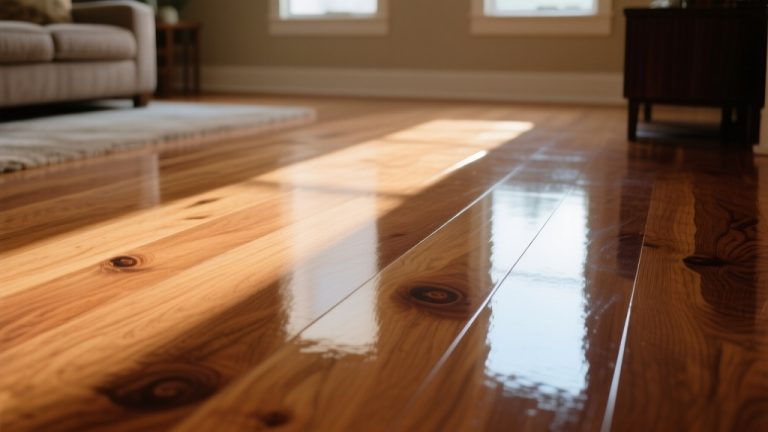
- Spar urethane maintains wood’s natural appearance longer outdoors; polyurethane often provides a glossier finish indoors.
Spar vs Polyurethane Comparison: Outdoor Protection, Durability, and Best Uses
| Comparison Point | Spar Urethane | Polyurethane | Best Choice |
|---|---|---|---|
| Best Use | Designed for outdoor wood exposed to weather | Best for indoor wood with heavy wear | Spar for exterior, polyurethane for interior |
| Flexibility | More flexible, moves with wood expansion and contraction | Harder and more rigid | Spar for changing weather conditions |
| UV Protection | Usually includes UV blockers for sunlight exposure | Standard formulas often lack strong UV protection | Spar for sun-exposed wood |
| Moisture Resistance | Handles humidity, rain, and outdoor moisture better | Resists spills indoors but struggles outdoors | Spar for moisture exposure |
| Abrasion Resistance | Protective but softer than polyurethane | Creates a hard, abrasion-resistant film | Polyurethane for floors and tables |
| Finish Appearance | Maintains natural wood outdoors but may amber over time | Often gives a glossier indoor finish | Depends on desired look |
| Cracking Risk | Less likely to crack outside because it stays flexible | Can become brittle under outdoor stress | Spar for outdoor movement |
| Ideal Projects | Doors, trim, outdoor furniture, exterior woodwork | Floors, cabinets, tables, shelves, indoor furniture | Choose by project location |
| Long-Term Durability | Lasts longer outdoors with proper maintenance | Lasts longer indoors under controlled conditions | Match to environment |
| Main Advantage | Weather resistance and flexibility | Hardness and wear resistance | Depends on exposure and use |
Understanding Spar Urethane: What It Is and How It Works

Although spar urethane is often grouped with traditional varnishes, it’s specifically formulated to protect wood in outdoor environments by accommodating seasonal expansion and contraction.
You’ll find spar urethane contains a higher oil content and added flexibility, allowing it to move with wood as humidity and temperature vary.
This flexibility reduces the risk of cracking and failure that rigid finishes face under outdoor stress.
Additionally, spar urethane integrates UV blockers or stabilizers, which enhance resistance to sun-induced degradation.
When applied, it forms a clear, flexible film that maintains wood’s appearance while shielding it from moisture and sunlight.
Understanding these material properties clarifies why spar urethane excels in exterior applications, where dynamic environmental conditions demand a finish that balances protection with elasticity.
For optimal durability, proper surface preparation including cleaning and light sanding is essential before application to ensure strong adhesion and long-lasting performance of the finish, as poor prep can lead to peeling or delamination due to adhesion issues.
Key Differences Between Polyurethane and Spar Urethane
When comparing polyurethane and spar urethane, you’ll notice distinct differences in their formulation and performance that directly impact their ideal applications.
Spar urethane contains more oils and flexibility agents to accommodate wood expansion and contraction outdoors. Polyurethane forms a harder, denser film optimized for abrasion resistance indoors.
Spar urethane also typically includes UV stabilizers, enhancing longevity under sunlight, which standard polyurethane lacks. These fundamental differences influence durability, flexibility, and environmental resistance.
Spar urethane offers superior UV and weather resistance for exterior use.
Polyurethane provides a tougher, more abrasion-resistant surface ideal for indoor wear.
Spar urethane’s flexibility prevents cracking with wood movement better than polyurethane.
Polyurethane’s dense film offers enhanced chemical resistance but is less forgiving outdoors.
When applying water-based polyurethane, it is important to thin it properly using distilled water to ensure optimal flow and finish quality.
When to Use Spar Urethane vs Polyurethane for Your Projects?
Selecting the appropriate finish hinges on understanding the environmental and functional demands of your project.
Use spar urethane when your project faces outdoor conditions like UV exposure, moisture, and wood movement due to temperature or humidity changes.
Opt for spar urethane to protect wood from UV rays, moisture, and shifting caused by weather changes.
Its flexible formulation and UV blockers protect exterior wood such as doors, trim, and outdoor furniture effectively.
Conversely, choose polyurethane for indoor applications requiring a harder, abrasion-resistant surface, such as floors, tables, and cabinets.
Polyurethane forms a dense, chemically resistant film, ideal for high-wear areas.
Avoid using either finish on decks, where penetrating sealers perform better.
Ultimately, your choice depends on balancing flexibility and UV protection against hardness and abrasion resistance.
This ensures the finish aligns precisely with your project’s exposure and mechanical demands.
For interior wood floors, consider using waterproof, buffable finishes to protect high-traffic areas from moisture and scuffs.
Durability and Weather Resistance: Which Finish Lasts Longer?
Durability hinges on the ability of a finish to withstand environmental stressors without failure.
When deciding between spar urethane and polyurethane, consider their core properties: spar urethane offers superior flexibility and UV resistance, making it ideal for exterior wood exposed to sunlight and humidity fluctuations.
Polyurethane forms a harder, abrasion-resistant film but lacks UV stability, leading to potential cracking outdoors. Your choice depends on exposure and wear patterns.
Spar urethane resists sunlight-induced degradation with UV blockers. Polyurethane excels in abrasion and chemical resistance indoors.
Spar’s flexibility prevents cracking from wood expansion and contraction. Polyurethane’s dense film complicates repairs if damaged.
Ultimately, spar urethane lasts longer outdoors due to weather resilience, while polyurethane endures better in controlled indoor environments.
For optimal durability, it is essential to apply multiple thin and even coats of sealer, allowing proper drying time between each to enhance the finish’s longevity and appearance. multiple coats
Appearance and Aging: How Each Finish Changes Over Time
Understanding how spar urethane and polyurethane age is key to predicting their long-term visual impact on wood surfaces.
Spar urethane typically maintains wood’s natural color longer, thanks to its UV blockers and flexible formulation, which reduce cracking and yellowing outdoors.
However, oil-based spar urethanes may develop a warm amber tone over time.
Polyurethane, especially oil-based versions, also amber with age but forms a denser, glossier film that highlights grain patterns indoors.
Its hardness resists abrasion but can become brittle, risking surface checking under stress.
You should note that spar urethane’s flexibility preserves clarity longer in exterior conditions.
Polyurethane’s harder finish excels indoors but can degrade faster when exposed to sunlight.
Choosing the right finish depends on balancing desired aesthetics with environmental exposure.
Water-based polyurethanes maintain a clear, natural look longer and dry faster, making them a popular choice for indoor wood surfaces.
Frequently Asked Questions
Can Spar Urethane Be Used Indoors Without Yellowing?
You can use spar urethane indoors, but expect some yellowing over time, especially with oil-based formulas.
Its flexibility and UV blockers are optimized for exterior use.
While it’ll protect indoor wood, the amber tint may alter your finish’s appearance.
If you want minimal yellowing, consider water-based spar urethanes or products specifically labeled for indoor use.
Keep in mind, spar urethane’s main advantage indoors is flexibility, not color stability.
How Long Does It Take for Polyurethane to Fully Cure?
You probably won’t believe this, but polyurethane doesn’t just dry overnight like magic. It usually takes about 30 days to fully cure.
While it feels dry within hours, the curing process involves chemical cross-linking that hardens the finish completely. Temperature, humidity, and product type influence this time.
Are There Water-Based Versions of Spar Urethane Available?
Yes, you can find water-based versions of spar urethane designed to offer exterior protection with lower VOC emissions and faster drying times.
These formulations still include UV blockers and maintain flexibility to accommodate wood movement.
However, they may provide slightly less durability and ambering resistance compared to traditional oil-based spar urethanes.
When selecting, carefully check the product specs to make certain it meets your specific outdoor exposure and finish requirements.
Can Polyurethane Finishes Be Recoated Without Sanding?
You might think recoating polyurethane without sanding is a quick fix, but it’s usually not advisable.
Polyurethane forms a dense, hard film that resists adhesion. To guarantee a strong bond and prevent peeling, you need to lightly sand the surface to create mechanical “tooth.”
Skipping sanding risks an uneven finish and weak adhesion. For best results, always prepare the surface by sanding before applying a new polyurethane coat.
Is Spar Urethane Safe for Use on Children’s Furniture?
Yes, spar urethane can be safe for children’s furniture if you choose a product labeled non-toxic and low-VOC, especially water-based formulas.
However, many spar urethanes contain oils and chemicals designed for outdoor durability, which might off-gas more than indoor finishes.
Always check the manufacturer’s safety data sheets and apply in a well-ventilated area.
For maximum safety, consider finishes specifically formulated for indoor use and certified for children’s products.
Final Verdict on Spar vs Polyurethane
When choosing between spar urethane and polyurethane, picture spar urethane as a flexible guardian, bending with weather’s whims. Polyurethane stands as a rigid sentinel, guarding indoor treasures with steadfast precision.
You’ll want spar urethane for outdoor resilience and polyurethane for controlled, polished interiors. Each finish ages like a clock’s ticking hands.
Spar urethane’s wear tells a rugged story, whereas polyurethane’s sheen subtly softens. Your project’s environment dictates which protector will best weather time’s test.