
Best Way to Clean LVT Floors Without Damage
You’ll clean LVT floors best by sweeping daily with a soft broom or microfiber mop to remove debris without scratching.
Damp-mop small sections using a pH-neutral cleaner, keeping the mop wrung out to prevent excess water damage.
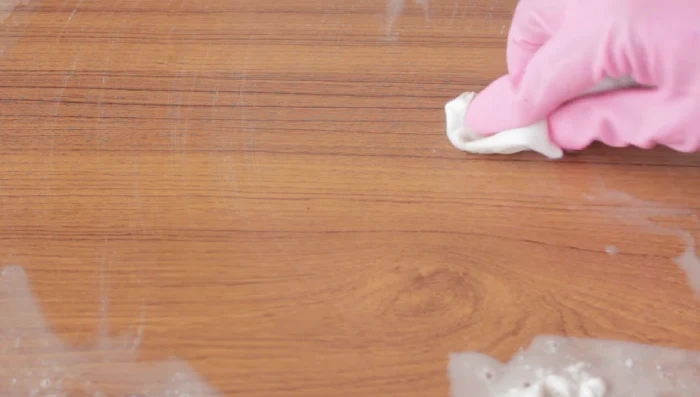
Immediately dry each area with a microfiber cloth to avoid residue and pooling.
Avoid harsh chemicals, steam mops, and abrasive tools to protect the wear layer.
For deeper care, explore methods to handle stains, furniture protection, and maintenance tips.
Key Takeaways
- Sweep or vacuum daily using soft-bristled tools or hard floor attachments without rotating beater bars to remove dirt and grit.
- Damp mop small sections with a well-wrung microfiber mop to avoid excess water that can damage seams and adhesives.
- Use pH-neutral, vinyl-specific cleaners diluted per manufacturer instructions to protect the wear layer and avoid residue.
- Immediately dry floors after mopping with a clean microfiber cloth or mop to prevent moisture damage and streaking.
- Avoid harsh chemicals, abrasive tools, and steam mops to maintain the floor’s protective coating and adhesive integrity.
Sweeping and Removing Debris From LVT Floors

Regularly sweeping and removing debris from LVT floors is essential to maintain their durability and appearance.
Use a soft-bristled broom or microfiber dust mop to effectively trap particles without scratching the surface.
Vacuum with a hard floor attachment, ensuring the rotating beater bar is disabled to prevent damage.
Focus on sweeping loose dirt, grit, and pet hair before any wet cleaning to avoid embedding abrasive materials into the floor.
Pay special attention to corners and edges where debris tends to accumulate, as neglecting these areas can cause micro-scratches over time.
Performing this daily not only preserves the wear layer but also reduces maintenance needs.
For best results, always sweep or dry mop daily with microfiber tools to prevent dirt buildup and scratches.
Mopping LVT Floors Without Damage
When you’re mopping LVT floors, it’s important to keep your mop damp, but not dripping. You definitely want to avoid letting water seep into the seams.
Try cleaning in small sections and always work toward an exit. That way, you won’t accidentally step on any wet areas and risk leaving footprints behind.
And don’t forget—after you mop, it’s a good idea to dry the floor right away with a clean towel or a dry mop. This little step really helps maintain the integrity of your floors!
Using appropriate cleaners that avoid moisture damage is essential to preserving LVP durability and appearance.
Proper Mop Dampness Control
Proper mop dampness control plays a crucial role in preserving the integrity of LVT floors.
You should wring your mop thoroughly to ensure it’s damp, not dripping wet. Excessive moisture can seep into seams and cause swelling or adhesive failure.
Apply minimal water, working in small sections to prevent pooling. Always monitor mop water clarity, changing it once it appears gray or dirty to avoid redistributing grime.
After mopping, dry the floor immediately with a clean towel or dry mop to eliminate residual moisture. Controlling dampness precisely prevents water damage, maintains floor durability, and preserves the click-lock seams.
Avoiding over-wetting guarantees your LVT floor retains its appearance and structural stability over time.
For enhanced protection, floors with a rigid SPC core provide better moisture resistance and dimensional stability against water exposure.
Sectional Cleaning Approach
By dividing your cleaning tasks into manageable sections, you can control water application and prevent damage to LVT floors.
Focus on small areas, dampening your mop just enough to clean without leaving excess moisture.
Work systematically from one corner toward an exit to avoid stepping on wet surfaces.
This method helps you monitor water use closely, reducing pooling or seepage into seams.
Change mop water frequently once it appears dirty or gray to maintain cleaning efficacy and prevent spreading grime.
Use a microfiber or soft mop to gently lift dirt without abrasion.
This sectional approach also allows you to inspect each area for stubborn spots, treating them promptly without over-wetting.
Following this precise routine preserves the floor’s integrity and extends its lifespan.
For enhanced cleaning, consider using a vacuum mop with adjustable suction settings to efficiently lift dirt before mopping.
Immediate Floor Drying
Dry your LVT floor immediately after mopping to guarantee water from seeping into seams and causing damage.
Excess moisture can weaken the adhesive and cause swelling or warping.
After damp mopping, use a clean, dry microfiber mop or towel to absorb residual water efficiently.
Follow these steps for effective immediate drying:
- Wring out your mop thoroughly to avoid excess water application.
- Work in small sections, drying each area as you proceed toward an exit.
- Change drying cloths or mop heads frequently to guarantee consistent moisture removal.
This method minimizes water exposure, maintaining the floor’s structural integrity and appearance. Using microfiber tools during drying promotes a polished, streak-free finish while protecting the floor.
Drying and Buffing LVT Floors for a Streak-Free Finish
After mopping your LVT floors, you’ll want to remove any residual moisture promptly to prevent water spots and streaks.
Use a clean, dry microfiber mop or towel to absorb dampness thoroughly, focusing on seams and edges where water can pool.
Avoid letting moisture sit, as it can compromise adhesive bonds and cause discoloration.
Once dry, buff the floor gently with a dry microfiber cloth or mop in circular motions to enhance the finish and remove any remaining streaks.
This method restores the floor’s natural shine without introducing abrasive friction or harsh chemicals.
Consistent drying and buffing after each cleaning session maintain your LVT floor’s appearance and durability.
This ensures a streak-free, polished look that lasts longer.
For best results, use a microfiber mop head designed to trap dust and dirt effectively without damaging your floor’s surface.
Choosing Safe Cleaning Products for LVT Floors
When it comes to cleaning your LVT floors, picking the right products is key. You’ll want to go for pH-neutral cleaners that are specifically made for vinyl floors. This helps protect the wear layer of your LVT, keeping it looking great for longer.
It’s also super important to steer clear of harsh chemicals like bleach, ammonia, or any acidic solutions. These can really mess with the adhesives and the overall integrity of the surface.
And hey, just a tip: before you dive in and use a new cleaning product all over, try it out on a small, hidden area first. This way, you can avoid any surprises and make sure it doesn’t cause any damage.
Additionally, maintaining proper moisture control under your flooring with a moisture barrier can help prevent subfloor dampness that might affect your LVT’s durability.
pH-Neutral Cleaner Selection
When selecting a cleaner for LVT floors, choosing a pH-neutral formula specifically designed for vinyl is essential to preserve the floor’s protective wear layer and prevent damage.
A pH-neutral cleaner maintains chemical balance, avoiding the deterioration of the floor’s surface or adhesive.
Here’s what you should consider:
- Manufacturer Recommendations: Always use products labeled safe for vinyl or LVT to guarantee compatibility.
- Dilution Accuracy: Follow dilution instructions precisely to prevent residue buildup or surface buildup.
- Spot Testing: Test any new cleaner on a small, inconspicuous area to verify it doesn’t alter color or texture.
Using the right pH-neutral cleaner helps maintain your floor’s durability and appearance without compromising its finish or adhesive integrity. Many effective cleaners for LVT floors are plant-based and biodegradable, ensuring safe and eco-friendly maintenance.
Avoiding Harmful Chemicals
Selecting a pH-neutral cleaner sets the foundation for protecting your LVT floors.
Equally important is steering clear of harmful chemicals that can degrade the surface or adhesive.
Avoid bleach, ammonia, and acidic agents like vinegar, which can cause discoloration and weaken the wear layer.
Never use steam mops, as excessive heat and moisture risk loosening seams and damaging the adhesive bond.
Abrasive tools such as steel wool, scouring pads, or stiff brushes will scratch the floor’s finish and reduce its longevity.
Also, avoid wax, polish, or oil-based products that create buildup and dull the surface.
Stick to manufacturers’ recommendations for safe, vinyl-specific cleaners, and always dilute products per instructions.
This careful approach will maintain your LVT flooring’s integrity and appearance over time.
For effective cleaning, consider using vinyl-specific cleaners designed to clean without leaving residue or dulling the surface.
Cleaning Solutions to Avoid on LVT Flooring
Although it might seem convenient to use common household cleaners, certain solutions can damage your LVT flooring’s surface and adhesive. Avoid these to maintain your floor’s durability and appearance:
Using common household cleaners may harm your LVT floor’s surface and adhesive—avoid them to preserve durability and appearance.
- Bleach and Ammonia-Based Cleaners: These harsh chemicals degrade the wear layer, causing discoloration and weakening adhesive bonds.
- Acidic Cleaners like Vinegar: Acidic substances erode the protective coating, leading to dullness and potential surface etching.
- Oil-Based Products, Waxes, and Polishes: These leave residues that attract dirt and create slippery surfaces, compromising safety and finish integrity.
Stick to pH-neutral, manufacturer-approved cleaners diluted properly in warm water. Avoid soaking the floor or using abrasive tools.
Additionally, using cleaners that preserve the aluminum oxide wear layer can help maintain LVT’s superior scratch resistance and waterproof qualities.
This precise approach protects your LVT floor’s longevity and aesthetic quality effectively.
Handling Stains and Sticky Spills on LVT Floors
Spills and stains can quickly mar your LVT floor’s appearance if not addressed promptly. Immediately wipe spills with a soft, absorbent cloth to prevent water penetration or staining.
For sticky residues, apply a diluted pH-neutral cleaner using a soft cloth, gently removing the substance without damaging the wear layer. Tough grease or oil stains require a degreaser; allow it to sit briefly for effective penetration before wiping clean.
To eliminate scuff marks, create a baking soda paste and scrub gently in a circular motion. Ink or adhesive residues respond well to rubbing solvent applied with a cloth, but test this method on a discreet area first to ensure no discoloration occurs.
Avoid harsh scrubbing or excessive moisture to maintain your floor’s integrity and finish.
Protecting LVT Floors From Furniture Damage
When placing furniture on LVT floors, use felt pads under each leg to prevent indentations and minimize surface damage.
Use felt pads under furniture legs on LVT floors to prevent indentations and protect the surface.
These pads distribute weight evenly and reduce friction during movement.
Additionally, take these steps to protect your flooring:
- Regularly inspect and replace worn felt pads to maintain effectiveness.
- Lift furniture instead of dragging it to avoid scratches and scuffs.
- Use furniture floor protectors with a non-slip base for added stability and protection.
Using Mats and Floor Protectors to Extend LVT Floors’ Life
To extend the life of your LVT floors, lay down mats and use floor protectors strategically in key areas. Mats at entrances trap dirt and moisture, preventing abrasive particles from damaging the surface.
Floor protectors under furniture legs reduce indentations and scratches caused by movement. Choose non-abrasive materials to avoid wear on the floor’s finish.
| Location | Purpose | Emotion Evoked |
|---|---|---|
| Entryways | Dirt and moisture control | Relief from worry |
| Under Furniture | Prevent scratches | Confidence in durability |
| High-traffic areas | Reduce wear | Satisfaction |
| Playrooms | Cushion impact | Peace of mind |
Using these protective measures guarantees your LVT floors maintain their pristine appearance and structural integrity longer.
Routine Maintenance to Keep LVT Floors Looking New
Regularly maintaining your LVT floors guarantees they retain their original shine and durability.
Consistent care ensures your LVT floors keep their shine and strength over time.
You’ll want to establish a routine focusing on cleaning methods that protect the surface and prevent damage.
- Daily Dry Cleaning: Use a soft broom or microfiber dust mop to remove dirt and grit. This prevents abrasion. Vacuum with a hard floor attachment, avoiding rotating beater bars.
- Proper Mopping: Wring out the mop thoroughly to keep it damp, not wet. Clean in small sections and dry immediately to prevent water pooling and seam damage.
- Safe Cleaning Products: Choose pH-neutral cleaners designed for vinyl. Avoid harsh chemicals, abrasive tools, and excessive water to maintain the wear layer’s integrity.
Consistent care following these steps preserves your LVT floors’ appearance and extends their lifespan efficiently.
Frequently Asked Questions
Can LVT Floors Be Cleaned With a Steam Cleaner Safely?
You shouldn’t use a steam cleaner on LVT floors because the heat and moisture can loosen adhesive and damage seams.
Instead, opt for a damp mop with a well-wrung microfiber pad to avoid excess water.
Steam cleaners generate high temperatures that risk warping or lifting the vinyl, compromising its durability.
Stick to pH-neutral cleaners and controlled moisture to maintain your floor’s integrity and prolong its lifespan safely.
How Often Should Deep Cleaning Be Performed on LVT Floors?
You should perform deep cleaning on LVT floors about every three to six months, depending on foot traffic and visible buildup.
Daily dry cleaning and regular damp mopping handle most dirt, but deep cleaning removes ingrained grime and prevents wear layer dulling.
Avoid harsh chemicals or excessive water during deep cleaning to protect seams and adhesive.
Staying consistent with maintenance extends your floor’s lifespan and keeps it looking pristine.
Is It Safe to Use Vinegar-Based Solutions Occasionally on LVT Floors?
You shouldn’t use vinegar-based solutions on LVT floors, even occasionally.
Vinegar’s acidity can break down the floor’s protective wear layer and loosen adhesive bonds over time.
Instead, stick to pH-neutral cleaners designed specifically for vinyl.
If you want to maintain your floor’s integrity and avoid damage, avoid acidic or alkaline cleaners, including vinegar, bleach, and ammonia.
This guarantees your LVT remains durable and visually appealing.
What Is the Best Way to Remove Pet Urine Odors From LVT Floors?
To remove pet urine odors from LVT floors, promptly blot the area with a clean cloth to absorb moisture.
Use a pH-neutral enzymatic cleaner designed for pet stains, applying it according to the product instructions.
Avoid harsh chemicals like vinegar or bleach, which can damage the floor.
After treatment, rinse with clean water and dry thoroughly to prevent residue buildup and protect the flooring’s integrity.
Repeat if odor persists.
Can Furniture Be Moved on LVT Floors Without Lifting to Avoid Scratches?
You shouldn’t drag furniture across LVT floors, as sliding can cause scratches or dents.
Always lift furniture when moving it to protect the surface.
If lifting isn’t possible, place felt pads or sliders under furniture legs to minimize friction and prevent damage.
Using floor protectors and mats in high-traffic zones further reduces wear.
Taking these precautions preserves your LVT’s durability and appearance over time.
Final Thoughts on the Best Way to Clean LVT Floors
By following these steps, you’ll treat your LVT floors like a pro and keep them shining bright.
Sweeping regularly, mopping with care, and choosing the right products are your best defense against wear and tear.
Remember, avoiding harsh chemicals and protecting your floors from furniture damage act like a shield, extending their life.
With consistent maintenance, your LVT floors won’t just look new; they’ll stay durable and stunning for years to come.