Can Strand Woven Bamboo Be Refinished Without Damage?
You can refinish strand-woven bamboo floors multiple times because their dense, resin-bonded fibers withstand deep sanding without compromising integrity.
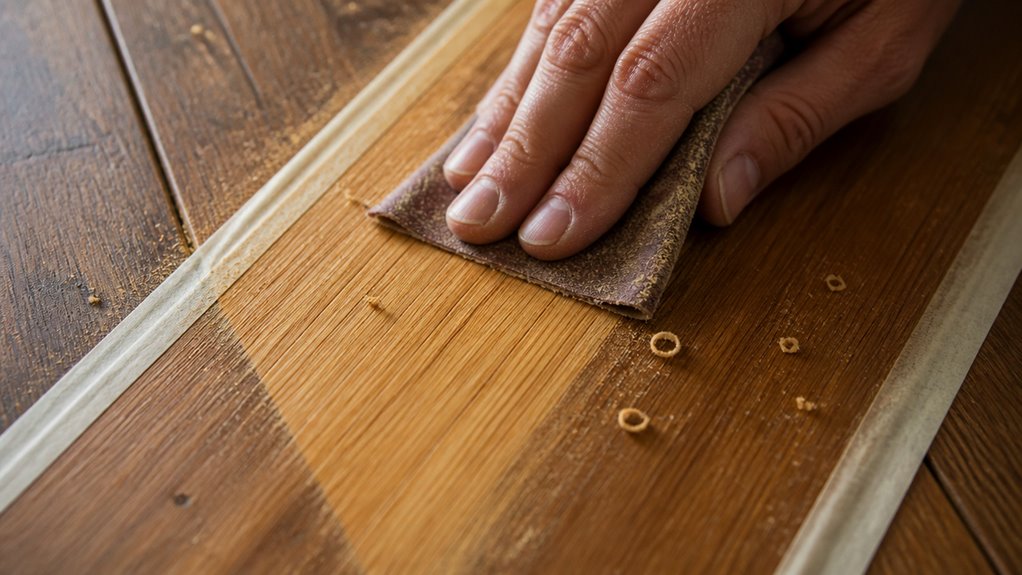
However, due to their hardness and heat sensitivity, you’ll need specific sanding techniques, like using gradual grit progression and managing heat carefully.
Typically, floors can be refinished two to four times depending on wear and thickness.
Regular maintenance and prompt care also reduce refinishing frequency.
Understanding precise sanding and finishing methods guarantees peak results and longevity for your floors.
Key Takeaways
- Strand woven bamboo is dense and durable, allowing multiple refinishes without compromising structural integrity.
- Solid strand-woven bamboo supports several deep sanding cycles for refinishing, unlike engineered bamboo veneers.
- Proper sanding techniques with controlled heat and grit progression are essential for successful refinishing.
- Screening and recoating can extend floor life by restoring finish without deep sanding when damage is superficial.
- Regular maintenance and humidity control reduce refinishing frequency and preserve bamboo flooring quality.
Strand-Woven Bamboo: What It Is and Why It Matters for Refinishing

Understanding strand-woven bamboo is essential when considering refinishing options because its unique manufacturing process directly affects durability and sanding requirements.
Understanding strand-woven bamboo is key to choosing the right refinishing approach and ensuring lasting durability.
You’re dealing with bamboo fibers compressed under extreme pressure and bonded with resin, creating a dense, hard material far tougher than traditional hardwoods.
This density allows for multiple refinishes without compromising structural integrity, but it also demands specific sanding techniques.
You must use wet sanding or very rapid dry sanding to prevent heat buildup, which can damage the floor.
The extreme hardness means coarse grit sandpaper starts the process to remove old finishes efficiently, progressing to finer grits for smoothness.
Since strand-woven bamboo resists staining, you focus on clear finishes post-sanding.
Mastering these material traits guarantees effective refinishing and long-lasting results.
Proper acclimation before installation is equally important to maintain the flooring’s durability and prevent issues like warping or buckling caused by moisture and temperature changes, making acclimating engineered hardwood a crucial step in floor care.
How Often Can Strand-Woven Bamboo Floors Be Refinished?
Although strand-woven bamboo floors are exceptionally dense and durable, you should plan on refinishing them between two and four times over their lifespan. This frequency depends largely on the floor’s thickness and wear patterns.
Solid strand-woven bamboo withstands multiple refinishing cycles due to its extreme density, allowing for deep sanding without compromising structural integrity. However, engineered bamboo with thinner veneers limits refinishing opportunities.
Each refinishing requires careful sanding to avoid heat buildup, which can damage the flooring fibers. You must also consider that strand-woven bamboo can’t be stain-colored during refinishing, so maintaining the existing color is essential.
Proper maintenance, including regular cleaning and prompt spill management, helps prolong the lifespan and appearance of strand-woven bamboo floors and reduces the need for frequent refinishing, as detailed in Finish Type and Maintenance.
Special Sanding Techniques for Strand-Woven Bamboo Floors
When you’re sanding strand-woven bamboo floors, it’s super important to work quickly. This helps prevent heat buildup, which can harm the dense material.
Start with a coarse grit, like 36 or 40, to strip away those old finishes.
After that, you’ll want to move through the medium and fine grits. This progression is key for achieving that smooth surface you’re after.
Don’t forget to keep an eye on heat management during the process. It’s all about preserving the floor’s integrity and getting the best results possible!
Additionally, thoroughly vacuum and wipe the floor with a tack cloth after sanding to ensure a clean surface for finishing.
Rapid Sanding Methods
Mastering rapid sanding techniques is essential for refinishing strand-woven bamboo floors due to their exceptional density and sensitivity to heat buildup.
You need to use high-quality sanding equipment with aggressive grit progression, starting with 36 or 40 grit to efficiently remove the old finish without prolonged abrasion.
Move swiftly to medium grits like 60 or 80 to smooth the surface, then finish with fine grits such as 100 or 120 for a polished texture.
Maintain consistent, even pressure and keep the sander moving to avoid gouging or uneven sanding.
Employ an orbital buffer for the final pass to reduce the risk of heat concentration.
This rapid approach minimizes thermal damage while ensuring deep, effective sanding of the dense strand-woven bamboo.
Before sanding, ensure the floor is structurally sound and free of damage to prevent complications during the refinishing process.
Heat Management Strategies
Because strand-woven bamboo has exceptional density and hardness, controlling heat buildup during sanding is critical to prevent damage or discoloration.
You should use wet sanding or very rapid dry sanding to dissipate heat quickly. Monitoring temperature throughout the process guarantees you don’t overheat the floor.
Employing lower-pressure sanding and frequent tool pauses also helps reduce friction. Below is a guide for heat management during sanding:
| Technique | Purpose | Recommended Action |
|---|---|---|
| Wet Sanding | Cool surface | Use water or light mist |
| Rapid Dry Sanding | Minimize heat exposure | Sand in short intervals |
| Low Pressure | Reduce friction | Apply gentle tool pressure |
| Frequent Pauses | Cool down tool & floor | Stop sanding every few mins |
| Temperature Check | Prevent overheating | Use infrared thermometer |
Applying heat management techniques is essential because excessive heat can degrade finishes and affect the durability of wood surfaces.
Grit Progression Tips
Managing heat buildup during sanding sets the stage for selecting the right grit progression to protect your strand-woven bamboo floor’s surface.
Begin with a 36 or 40 grit sandpaper to efficiently strip the old finish without lingering too long to avoid overheating.
Next, shift to 60 or 80 grit to smooth the surface, removing scratches left by the coarse grit.
Finish with a fine 100 or 120 grit to achieve a super-smooth texture, essential for peak finish adhesion.
Use quick, controlled passes to minimize friction-generated heat.
For edges and corners, employ an edge sander with appropriate grit to prevent baseboard damage.
Professionals often prefer orbital buffers with 120 or 150 grit screens for the final stage, balancing heat control and surface refinement perfectly.
Because strand-woven bamboo is a resinous and dense material, it is crucial to clean abrasives often to avoid heat buildup and uneven sanding.
Best Finishing Steps to Restore Strand-Woven Bamboo Floors
Begin by thoroughly vacuuming the entire strand-woven bamboo floor to eliminate all dust and debris left from sanding.
Next, apply a thin, even coat of finish using a high-quality brush, roller, or applicator pad.
Overlap each stroke slightly to guarantee uniform coverage and avoid streaking.
Allow the finish to dry completely, typically 4-6 hours for water-based and up to 24 hours for oil-based finishes.
Once dry, perform light sanding with a fine-grit screen (120-150 grit) to smooth imperfections and promote adhesion of subsequent coats.
Repeat the application and sanding process for at least two additional coats.
Maintain temperature and humidity control during curing to prevent finish defects.
Following these steps will restore your strand-woven bamboo floor’s durability and appearance, achieving a professional, long-lasting finish.
It is also important to ensure proper drying between coats to prevent moisture damage and maintain finish integrity.
When to Screen and Recoat Instead of Deep Sanding?
In situations where your strand-woven bamboo floor shows only minor surface wear or slight finish dulling, screening and recoating offers an effective alternative to deep sanding.
Screening uses a fine abrasive screen to lightly abrade the existing finish without penetrating the dense bamboo surface, preserving the integrity of the wood fibers.
You should opt for this method when scratches are superficial and the finish remains intact, as it minimizes dust and reduces labor intensity compared to deep sanding.
After screening, apply multiple thin coats of finish to restore gloss and protection evenly.
Avoid screening if the finish is peeling, heavily scratched, or stained, as deep sanding will be necessary to remove damaged layers and prepare the surface for refinishing.
This approach extends the lifespan of your floor while maintaining its structural and aesthetic quality.
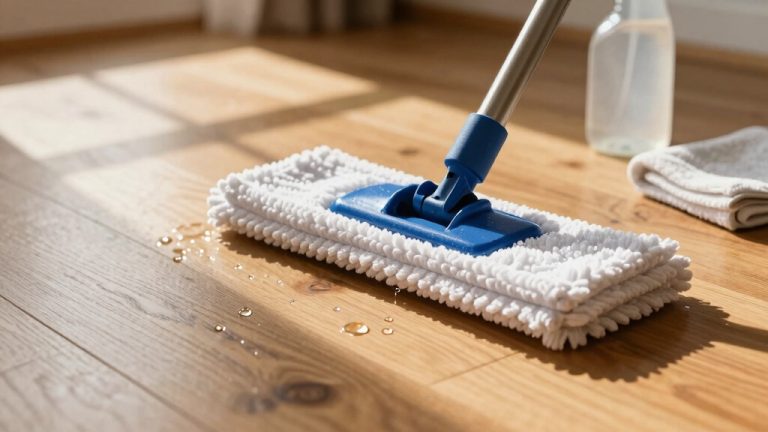
For best results, ensure the floor is thoroughly cleaned using a microfiber mop before beginning the screening process to remove dust and debris.
Maintaining Strand-Woven Bamboo Floors for Long-Term Durability
Although strand-woven bamboo is exceptionally dense and durable, maintaining its long-term performance requires consistent care and environmental monitoring.
You should regularly sweep or vacuum using a soft brush to remove abrasive dirt and debris that can wear down the finish.
Avoid excessive moisture by promptly wiping spills and controlling indoor humidity between 40-60% to prevent warping or cupping.
Use protective pads under furniture to minimize surface dents or scratches.
Periodically inspect the floor for finish wear and schedule screening and recoating before deep sanding becomes necessary.
When refinishing, avoid heat buildup by sanding quickly with appropriate grits.
Choosing finishes with aluminum oxide enhances scratch resistance and prolongs the floor’s durability.
Frequently Asked Questions
Can I Refinish Strand-Woven Bamboo Myself Without Professional Help?
You could refinish strand-woven bamboo yourself, but it’s like steering with a sundial.
The floor’s density demands fast, careful sanding to avoid heat buildup, which can damage the wood.
You’ll need coarse to fine grits, precise dust removal, and multiple finish coats.
Without professional tools and expertise, risks increase.
If you want the best outcome and longevity, hiring a pro is strongly recommended.
What Is the Cost Range for Professional Strand-Woven Bamboo Refinishing?
You can expect professional strand-woven bamboo refinishing to cost between $3 and $8 per square foot. This depends on factors like floor condition, sanding complexity, and finish type.
High-density bamboo requires quick, precise sanding to avoid heat buildup, which may increase labor costs. Additional expenses might arise from repairs or multiple finish coats.
Always get detailed quotes and confirm the contractor’s expertise with bamboo to ensure quality, durable results.
Are There Eco-Friendly Finishes Suitable for Strand-Woven Bamboo?
Yes, you can use eco-friendly finishes on strand-woven bamboo.
Opt for water-based polyurethane or natural oil finishes like tung or linseed oil. These offer low VOC emissions and strong durability.
These finishes maintain the floor’s appearance without harmful chemicals.
When applying, ensure proper ventilation and follow manufacturer guidelines for drying times.
Choosing these eco-conscious options supports sustainability while protecting your bamboo floor’s integrity and longevity.
How Long Does the Refinishing Process Usually Take?
Refinishing strand-woven bamboo is like conducting a precise symphony. It usually takes 2 to 3 days.
You’ll spend the first day sanding with carefully selected grits, avoiding heat buildup by working swiftly.
After thorough vacuuming, you’ll apply multiple thin finish coats, allowing 4-6 hours drying for water-based or up to 24 for oil-based finishes between each.
Professionals often recommend at least three coats to restore and protect your floor perfectly.
Can Refinished Strand-Woven Bamboo Increase My Home’s Resale Value?
Yes, refinished strand-woven bamboo can boost your home’s resale value by restoring its rich, durable surface to like-new condition.
Its extreme density and hardness guarantee longevity and aesthetic appeal, attracting buyers seeking quality flooring.
Proper refinishing enhances the bamboo’s natural beauty without altering color, maintaining a premium look.
This investment signals well-maintained flooring, increasing your property’s market competitiveness and potentially commanding a higher sale price.
When Refinishing Strand Woven Bamboo Makes Sense
If you think strand-woven bamboo floors can’t be refinished endlessly, think again. These tough surfaces can handle more restoration than you might imagine, but only with the right expertise.
Over-sanding can ruin their unique density, so mastering specialized techniques is essential. By carefully following precise sanding and finishing protocols, you’ll extend your floor’s life dramatically.
This ensures it remains a durable, stunning centerpiece for decades. Refinishing strand-woven bamboo isn’t just maintenance; it’s a smart investment in lasting elegance.