
Best Way to Clean Rust off Chrome: Easy Guide
To clean rust off chrome effectively, first identify if it’s surface or deep rust by checking texture and flaking.
Clean the chrome with pH-balanced soap. Then apply a mild acid like diluted vinegar or a baking soda and dish soap paste to dissolve oxidation.
For stubborn spots, use damp aluminum foil gently. Always rinse thoroughly and dry completely to prevent further rust.
Protect the chrome afterward with a sealant. Explore further steps to master rust prevention and gentle maintenance.
Key Takeaways
- Identify rust type by cleaning and running a fingernail over rust to distinguish surface rust from deep corrosion before treatment.
- Clean chrome with pH-balanced soap, rinse, and dry thoroughly to remove dirt and prepare for rust removal.
- Use a vinegar-water solution or baking soda paste with gentle scrubbing to dissolve surface rust without scratching chrome.
- For stubborn rust, gently rub with damp aluminum foil or fine #0000 steel wool and chrome polish to lift oxidation safely.
- Apply a protective chrome sealant or wax after cleaning and maintain regularly to prevent rust recurrence and preserve shine.
How to Identify Surface Vs. Deep Rust on Chrome?
Frequently, you’ll need to distinguish between surface rust and deep rust on your chrome to choose the right cleaning method.
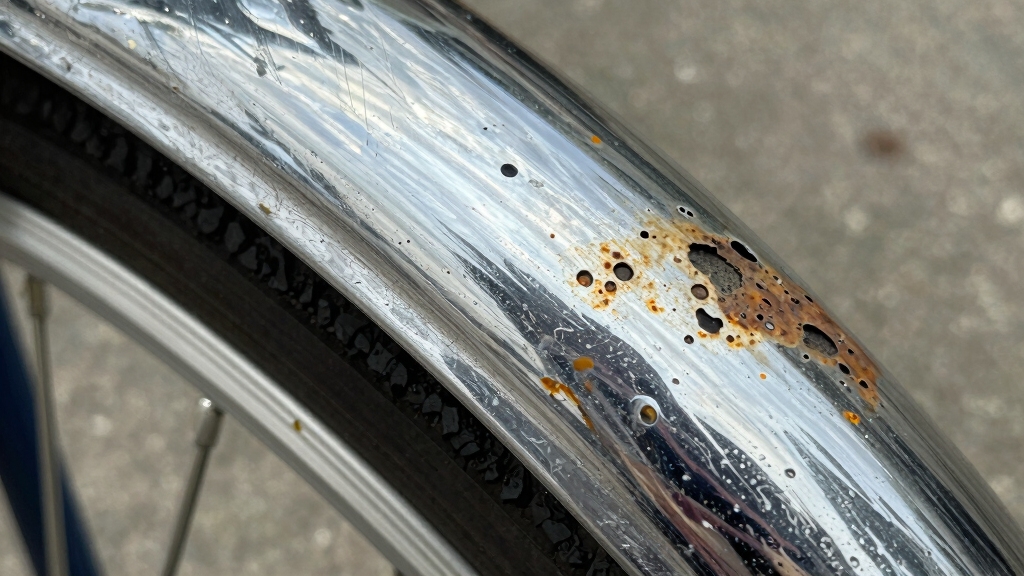
Surface rust appears as light, flaky discoloration and is often removable with gentle cleaning agents without damaging the chrome finish.
Deep rust, however, penetrates beneath the surface, causing pitting or rough texture that doesn’t respond to mild scrubbing.
To assess, start by cleaning the area with a pH-balanced soap and microfiber towel, then dry thoroughly.
Visually inspect for raised or corroded spots and run your fingernail over the rust.
If it flakes off easily, it’s surface rust.
If it feels embedded or the chrome surface is uneven, it’s deep rust that may require more intensive treatment.
Avoid harsh abrasives initially to prevent unnecessary damage.
For stubborn rust, consider using chemical solutions like acetone or commercial removers with proper safety precautions to avoid damaging the chrome finish.
Preparing Chrome Surfaces for Rust Removal
Alright, let’s kick things off by giving that chrome surface a good clean. Grab a pH-balanced soap or a bathroom cleaner and scrub away any dirt, grease, or grime.
You want that surface to shine!
Once it’s all nice and dry, take a moment to really look it over. Check if the rust is just sitting on the surface or if it’s dug in deeper.
This little inspection is super important because it helps you decide on the right rust removal technique. Plus, it saves you from using tools that might scratch or damage your chrome!
Proper preparation ensures rust removal treatments penetrate effectively and restore the surface, so always start with a thorough cleaning and inspection of your rust patches.
Cleaning Before Assessment
Before you assess rust on chrome surfaces, you’ll want to wipe away dirt, grease, and grime that can obscure the damage. Use a pH-balanced car wash soap applied with a microfiber towel to effectively remove grease and road grime without harming the finish.
Follow with a thorough rinse using clean water to eliminate soap residue, then dry the surface completely to prevent water spots and further oxidation. Avoid harsh abrasives at this stage since they can scratch the chrome before you’ve identified the rust severity.
Once clean and dry, closely inspect the chrome under good lighting to determine the extent of rust, focusing on surface-level oxidation versus more stubborn corrosion that will require specialized treatment. This preparation guarantees accurate assessment and effective rust removal.
Proper cleaning practices involve using gentle, suitable cleaners to preserve the finish and appearance of metal surfaces.
Identifying Rust Type
Although rust on chrome may appear uniform, you need to distinguish between surface-level oxidation and deeper corrosion before treatment.
Begin by thoroughly cleaning the chrome with a pH-balanced soap and drying it to prevent water spots that could mask rust severity.
Inspect the affected areas closely under good lighting.
Surface rust typically presents as light, flaky discoloration easily removed with gentle methods like baking soda paste or vinegar.
Deeper corrosion appears as pitting or rough texture, indicating metal degradation beneath the chrome layer.
Avoid harsh abrasives initially; reserve steel wool or stronger treatments for stubborn rust.
Accurate identification guides your cleaning approach, ensuring you apply the most effective, least damaging method to restore chrome without compromising its finish or structural integrity.
For optimal results, always wear personal protective equipment such as gloves and safety glasses when handling rust removal treatments.
Removing Rust With Vinegar
When tackling rust on chrome, vinegar cuts through oxidation effectively thanks to its acidic properties.
You’ll want to use distilled vinegar, either applied directly from a spray bottle or soaked onto a cloth for targeted treatment.
Mix equal parts vinegar and water to reduce acidity slightly, preventing damage to chrome.
Let the solution sit on rusted areas for 10 to 15 minutes to dissolve oxidation.
After soaking, gently scrub with a soft-bristle brush or microfiber cloth to lift rust without scratching.
For heavy rust, repeat the application and scrubbing process as needed.
Rinse thoroughly with clean water and dry completely to avoid water spots or further oxidation.
Vinegar offers a cost-effective, accessible alternative to commercial rust removers while maintaining the integrity of your chrome surfaces.
It is important to note that, unlike bleach, vinegar is a safer option that avoids the risk of chemical degradation to underlying materials.
Using Aluminum Foil to Clean Rust From Chrome
You can tackle rust on chrome effectively by using aluminum foil, which creates a gentle chemical reaction that lifts oxidation without damaging the surface.
Start by crumpling the foil into a loose ball and dipping it in water or saltwater to boost conductivity. Then, gently rub the rusted areas in circular motions; the foil’s aluminum reacts with rust, loosening it without scratching the chrome.
Crumple foil, dip in water, and gently rub rusted chrome in circles to lift oxidation safely.
Avoid excessive pressure to prevent surface damage. After the rust loosens, wipe the area clean with a dry cloth to remove residue and restore shine.
This method suits automotive parts and bathroom fixtures alike, offering a practical, chemical-free alternative for light to moderate rust spots while preserving chrome’s integrity. For best results, always ensure thorough drying after cleaning to prevent moisture damage and rust recurrence, following moisture prevention guidelines.
Applying Baking Soda and Dish Soap for Rust Removal
Sure! Here’s a more conversational version of the text:
First things first, grab some baking soda and mix it with a bit of water until you have a nice thick paste. You want it to be thick enough that it won’t drip all over the place.
Once you’ve got that ready, go ahead and apply the paste to those rusty areas. Let it sit for about five minutes; this will help loosen up the oxidation.
After five minutes, it’s time to get scrubbing! Use a soft toothbrush to gently work on those spots, especially the tricky ones that are hard to reach. Just be careful—no need to scratch the chrome while you’re at it!
For best results, avoid using abrasive tools or harsh chemicals to prevent damage, similar to the advice for cleaning delicate surfaces with non-abrasive sponges.
Baking Soda Paste Preparation
Mixing baking soda with water creates a thick paste that clings to rusted chrome surfaces, allowing the abrasive properties to work effectively without dripping onto surrounding areas.
To prepare, combine three parts baking soda with one part water, stirring until you achieve a smooth, spreadable consistency. Add a few drops of mild dish soap to enhance cleaning power and improve adhesion.
This mixture targets oxidation without damaging chrome’s finish. Apply the paste using a soft cloth or your fingers, focusing exclusively on rusted spots.
Let it rest for about five minutes to soften rust deposits. Avoid excess moisture, as it can cause runoff and reduce paste effectiveness.
This preparation guarantees controlled application and maximizes rust removal efficiency while minimizing the risk of scratching or staining adjacent surfaces. For tougher buildup, consider using mineral spirits sparingly to dissolve stubborn residues safely.
Gentle Toothbrush Scrubbing
Gently scrub rusted chrome surfaces with a soft toothbrush dipped in the baking soda and dish soap paste to target oxidation in hard-to-reach areas.
The paste’s consistency prevents dripping, ensuring focused application on rust spots without affecting surrounding surfaces. Use gentle circular motions to lift oxidation without scratching the chrome finish.
The combined mild abrasiveness of baking soda and the grease-cutting ability of dish soap effectively breaks down rust deposits, especially in intricate details like grooves and joints.
After scrubbing, rinse thoroughly with water to remove residue and prevent buildup. Repeat the process if oxidation remains visible.
This method offers a natural, non-toxic alternative to harsh chemicals, preserving chrome integrity while restoring shine efficiently.
To maintain the finish and prevent future rust, regularly clean and dry chrome surfaces using mild, non-abrasive agents and towel-dry to avoid persistent dampness.
Using Steel Wool and Chrome Polish Safely
When rust resists gentler treatments, you’ll need to use fine-grade #0000 steel wool combined with a chrome-safe polish to remove it effectively.
Start by applying a small amount of polish to the steel wool, which acts as a lubricant to minimize scratching. Work on one small section at a time, using light pressure and circular motions to break down rust without damaging the chrome surface.
Avoid heavy scrubbing, which can create micro-abrasions. After treating the area, wipe away residue with a clean, soft cloth. Repeat as necessary, but always inspect frequently to prevent over-polishing.
Using steel wool soap pads is an option, as they combine abrasiveness with cleaning agents. Make certain the polish is specifically formulated for chrome to preserve its shine and integrity.
For stubborn rust spots, maintaining the proper surface preparation before polishing can improve the effectiveness of the treatment.
How to Protect Chrome After Rust Removal?
After removing rust with fine-grade steel wool and polish, you need to shield your chrome surfaces to prevent new oxidation.
Apply a chrome sealant or protective wax evenly, creating a moisture-resistant barrier. Use a soft, lint-free cloth for smooth, uniform coverage.
Apply chrome sealant or wax evenly with a soft cloth to form a moisture-resistant protective barrier.
Reapply this protective layer every few months to maintain effectiveness. Immediately wipe down chrome after exposure to water, especially in humid environments, to eliminate residual moisture.
Ensure proper ventilation in areas prone to humidity, such as bathrooms and kitchens, to reduce rust recurrence.
Avoid abrasive materials or harsh chemicals post-treatment to preserve the protective coating.
These steps collectively extend your chrome’s lifespan and maintain its shine, minimizing the risk of rust redevelopment and surface degradation over time.
Tips for Maintaining Rust-Free Chrome
Regularly wiping your chrome surfaces with a soft, dry towel prevents moisture buildup that leads to rust formation.
You should apply a chrome sealant or protective wax after cleaning to create a moisture barrier. Reapply it every few months for continued protection.
Maintain good ventilation in high-humidity areas like bathrooms and kitchens to reduce condensation on fixtures.
Routinely inspect chrome surfaces for early signs of oxidation and address them promptly with gentle cleaning methods. Avoid abrasive materials unless absolutely necessary.
Consistent removal of water and debris eliminates conditions favorable for rust development, preserving the chrome’s integrity.
Mistakes to Avoid When Removing Rust From Chrome
Maintaining rust-free chrome requires more than routine care. It demands careful handling during rust removal to avoid damaging the surface.
Preserving chrome’s shine means treating rust removal with caution to protect its delicate surface.
Don’t rush into using harsh abrasives or steel wool without testing a small area first. Excessive pressure can scratch the chrome finish.
Avoid acidic solutions stronger than distilled vinegar, as they may corrode the metal.
Never skip thorough rinsing and drying after treatment. Residue or moisture promotes further oxidation.
Using abrasive pads or brushes aggressively, especially on intricate details, risks permanent damage.
Also, don’t neglect evaluating rust depth. Surface rust responds well to gentle methods, while stubborn rust needs controlled, sectioned treatment.
Finally, avoid skipping protective sealants after cleaning. They form a necessary barrier against moisture and contaminants.
Frequently Asked Questions
Can Rust on Chrome Cause Health Issues?
Rust on chrome itself doesn’t directly cause health issues, but it can harbor harmful bacteria and allergens if left untreated.
You should clean rust promptly to prevent contamination, especially on fixtures in kitchens or bathrooms where hygiene matters.
While rust isn’t toxic, ingesting flakes or prolonged skin contact with oxidized surfaces might cause irritation.
Maintaining rust-free chrome helps guarantee a safer environment and prevents potential indirect health risks from accumulated grime or microbial growth.
Is It Safe to Use Rust Removers on Chrome Car Parts?
Yes, you can safely use rust removers on chrome car parts if you choose products specifically formulated for chrome surfaces.
Avoid harsh abrasives or acidic removers that can damage the finish.
Always test a small, inconspicuous area first.
Apply the remover gently, following manufacturer instructions, and rinse thoroughly.
Using chrome-safe polishes afterward helps restore shine and adds protection.
Proper care prevents further corrosion and maintains the chrome’s integrity.
How Long Does Rust Removal Typically Take for Chrome Surfaces?
When it comes to rust removal on chrome surfaces, you’ll find it takes anywhere from 15 minutes to an hour, depending on rust severity.
Light surface rust is often a quick fix with vinegar or baking soda paste, needing just a few applications.
Heavy rust might require multiple treatments or fine steel wool, extending the process. Remember, patience is key; you’ll want to work meticulously to avoid damaging the chrome finish.
Can Rust on Chrome Be Prevented With Household Items Alone?
Yes, you can prevent rust on chrome using household items alone.
Regularly wipe chrome surfaces with a microfiber cloth to remove moisture, which is a key factor in rust formation.
Applying a thin layer of car wax or a chrome sealant, both available for home use, creates a protective barrier.
Vinegar and baking soda can be used occasionally to clean and neutralize any early oxidation, maintaining the chrome’s integrity effectively.
Are There Professional Services Specialized in Chrome Rust Removal?
Yes, you can find professional services specialized in chrome rust removal.
These experts use industrial-grade techniques like electrolytic rust removal, specialized chemical treatments, and precision polishing to restore chrome surfaces without damage.
They’ll assess your item’s condition and apply targeted methods for stubborn rust.
If your chrome parts are valuable or heavily corroded, hiring pros guarantees effective restoration and long-term protection you might struggle to achieve with household methods.
Restore Chrome Shine With the Right Rust Removal Method
Cleaning rust off chrome isn’t rocket science, but it does require precision and care.
By identifying the rust type, prepping surfaces correctly, and choosing the right method, you’ll restore that shiny finish without damage.
Remember, protecting your work afterward is key to keeping rust at bay.
Avoid common pitfalls, stay consistent, and your chrome will gleam like new, shining bright as a lighthouse in the night.