
Metal vs PVC Conduit: Which One Is Better?
When choosing between metal and PVC conduit, consider your project’s demands carefully.
Metal offers superior strength (30,000–60,000 psi), longer lifespan (30–50+ years), and better support spacing. This makes it ideal for heavy-duty, exposed environments despite higher cost and installation effort.
PVC, being lightweight and non-conductive, allows for easier handling and corrosion resistance. It suits underground or corrosive settings but lasts 20–30 years and requires closer support spacing.
Understanding these trade-offs will clarify the best fit for your application needs.
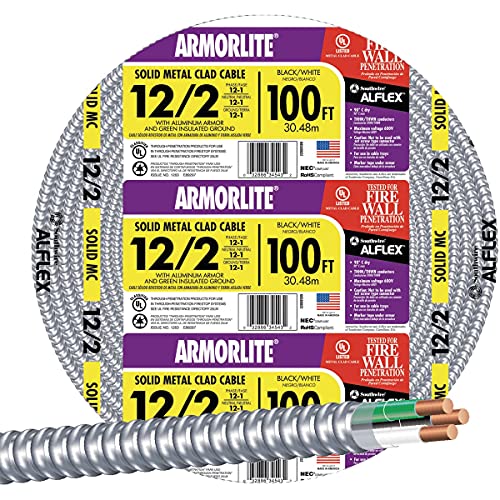
- Conductor Size: 12
- Numberof Conductors: 2
- Conductor Material: Copper

- Premium Liquid-Tight Conduit: The liquid conduits are made of premium pvc material, the flexible non…
- Safety and Sturdiness: Our electrical conduits is resistance to corrosion, wear, oil, water, acid…
- Easy Installation: Only one person can finish the work in a few minutes. Flexible conduit connectors…
Key Takeaways
- Metal conduits offer superior tensile strength (30,000-60,000 psi) and durability for heavy-duty, exposed installations.
- PVC conduits are lightweight, non-conductive, and easier to cut, bend, and install, ideal for tight or underground spaces.
- Metal requires protective coatings and periodic maintenance to prevent corrosion, while PVC inherently resists moisture and chemicals.
- PVC conduits cost less per foot and reduce labor time due to easier handling, but generally have shorter lifespans (20-30 years).
- Metal conduits last longer (30-50+ years) and support wider spacing between supports, making them better for industrial or high-abuse environments.
Metal vs PVC Conduit Comparison: Which Material Fits Your Project?
| Comparison Point | Metal Conduit | PVC Conduit | Best Fit |
|---|---|---|---|
| Strength & Impact Resistance | Offers higher tensile strength and better protection in exposed or high-abuse areas. | Provides basic protection but can crack or weaken under heavy impact. | Metal conduit for industrial, exposed, or high-traffic spaces. |
| Corrosion Resistance | Can corrode without galvanizing, coating, or stainless protection. | Naturally resists moisture, chemicals, and soil corrosion. | PVC conduit for underground, damp, or corrosive areas. |
| Installation Ease | Heavier and often needs bending tools and skilled handling. | Lightweight, easy to cut, join, and install with fewer tools. | PVC conduit for faster and simpler installation. |
| Electrical Safety | Conductive and can provide grounding and EMI shielding when properly installed. | Non-conductive, reducing electrical shock transfer through the conduit itself. | Metal for EMI-sensitive systems; PVC for non-conductive protection. |
| Lifespan | Usually lasts 30–50+ years with proper protection and maintenance. | Usually lasts 20–30 years, depending on UV, soil, and exposure conditions. | Metal conduit for longer service life in demanding settings. |
| Cost Consideration | Higher material and labor cost, but stronger long-term durability. | Lower upfront cost and reduced labor time due to easy handling. | PVC conduit for budget-friendly standard installations. |
| Common Applications | Best for commercial, industrial, exposed, and high-impact wiring runs. | Best for underground, wet, corrosive, or residential wiring routes. | Depends on environment, safety needs, and durability requirements. |
Key Differences Between Metal Conduit and PVC Conduit

Although both metal and PVC conduits serve the fundamental purpose of protecting electrical wiring, their material compositions, mechanical properties, and installation requirements set them apart markedly.
Metal and PVC conduits both protect wiring but differ significantly in material, strength, and installation needs.
You’ll find metal conduits made from steel, aluminum, or galvanized materials, offering tensile strengths between 30,000 and 60,000 psi, ensuring superior rigidity.
In contrast, PVC is a lightweight thermoplastic with tensile strength ranging from 5,000 to 8,000 psi, providing non-conductive properties.
Both come in rigid and flexible forms, but installation differs: PVC is easier to cut, join, and bend, requiring no specialized tools.
Metal conduits demand bending equipment and experience.
You should also note the weight difference. PVC weighs about half as much as metal, impacting labor intensity during installation.
Choosing the right conduit often depends on the specific application, much like selecting between a siding nailer and framing nailer based on material and power requirements.
Durability and Lifespan: Metal vs PVC
Understanding the durability and lifespan of metal and PVC conduits helps you determine their suitability for specific environments and long-term performance.
Metal conduits offer superior tensile strength of 30,000 to 60,000 psi, translating into 30 to 50-plus years of reliable service when properly coated and installed.
They excel in high-impact and high-traffic areas due to their structural rigidity.
PVC conduits, with tensile strength between 5,000 and 8,000 psi, generally last 20 to 30 years, influenced by UV exposure and soil conditions.
While PVC provides adequate durability for standard applications, it typically exhibits reduced longevity under demanding mechanical stress.
Environmental factors such as moisture, chemicals, and temperature extremes affect both materials’ lifespan.
However, metal’s enhanced strength grants it a distinct advantage in durability and lifespan for heavy-duty installations.
For applications exposed to moisture or outdoor conditions, selecting materials with water resistance properties is essential to ensure long-term performance.
Corrosion and Weather Resistance: Metal vs PVC
When selecting conduit material, you must consider how well it resists corrosion and withstands weather exposure to guarantee long-term system integrity.
PVC excels in corrosive environments, offering superior resistance to moisture, chemicals, and salt water degradation without additional treatment. Metal conduits, however, demand protective coatings such as galvanization or stainless steel finishes to prevent rust and corrosion, especially in outdoor or wet locations.
Keep these factors in mind:
- PVC resists chemical and moisture-related damage inherently, ideal for underground or damp soil conditions.
- Metal conduits provide strength but require periodic maintenance to sustain corrosion protection.
- Without proper coatings, metal risks accelerated degradation, compromising electrical safety and system longevity.
Additionally, applying a waterproof sealant to metal conduits can create an extra barrier against moisture, enhancing their durability in harsh environments.
Your choice hinges on balancing corrosion resistance needs against maintenance capacity and environmental exposure.
Installation and Flexibility of Metal vs PVC
Because installation demands and flexibility vary markedly between materials, choosing the right conduit affects labor efficiency and system adaptability.
PVC conduit weighs about 3.3 pounds per 10-foot length, making it easier to handle and reducing labor fatigue. Its inherent flexibility allows bending with minimal tools, mostly cutting and joining fittings or applying heat, streamlining installation in complex runs.
PVC conduit’s lightweight and flexibility simplify handling and installation in intricate layouts.
Conversely, metal conduit, such as EMT, weighs roughly twice as much and requires specialized bending tools and expertise, increasing labor intensity. However, metal conduit supports longer maximum spacing between supports, up to 10 feet, compared to PVC’s 3 feet, impacting installation design.
You’ll find PVC’s easier manipulation beneficial in tight or underground spaces, while metal’s rigidity suits exposed, straight runs demanding structural robustness.
For outdoor conduit installations, using corrosion-resistant materials ensures longevity and reduces maintenance needs.
Cost and Application Considerations for Metal and PVC Conduit
Labor and handling efficiencies directly influence the overall cost-effectiveness of conduit installation, but material prices and application demands play equally significant roles.
You’ll find PVC conduits cost less upfront—about $0.70 to $1.00 per foot—and weigh less, reducing labor costs. Metal conduits, such as EMT and RMC, cost more ($1.40 to $3.50 per foot) but offer greater durability in high-impact settings.
Consider these key factors:
- Application environment: Use PVC for underground, corrosive, or lightweight needs. Metal suits industrial, exposed, or high-abuse locations.
- Labor intensity: PVC’s light weight and ease of bending lower installation time and expense.
- Longevity and replacement: Metal conduits’ longer lifespan can offset initial higher costs in demanding conditions.
Balancing these guarantees peak cost-efficiency aligned with your project requirements. Proper maintenance, including thorough cleaning and protective coatings, can significantly extend conduit lifespan by preventing corrosion and rust.
Frequently Asked Questions
Can PVC Conduit Be Recycled After Use?
Yes, you can recycle PVC conduit after use, provided you separate it from other waste and contaminants.
PVC is a thermoplastic material, which means it can be melted down and repurposed.
However, you’ll need to check with local recycling facilities, as not all accept PVC or have the necessary processes.
Proper recycling reduces environmental impact by diverting PVC from landfills and conserving resources through material recovery.
Are There Any Fire Safety Concerns With PVC Conduit?
Fire safety concerns with PVC conduit aren’t a shadow you can ignore.
PVC is inherently flame-retardant but can release toxic fumes like hydrogen chloride when burned.
You’ve got to make certain it’s used in well-ventilated or protected areas and complies with fire codes.
Avoid exposing PVC conduit to open flames or extreme heat to prevent melting or combustion, which could compromise wiring integrity and safety.
Proper installation and maintenance mitigate these risks effectively.
How Do Metal and PVC Conduits Affect Electromagnetic Interference?
You’ll find metal conduits effectively shield electromagnetic interference (EMI) due to their conductive, grounded metallic structure. This structure blocks and redirects EMI.
PVC conduits, being non-conductive, don’t provide EMI shielding. They allow electromagnetic fields to pass through, potentially causing interference with sensitive electronics.
If EMI mitigation is critical, you should choose metal conduits or add external shielding with PVC installations. This helps maintain signal integrity in your electrical systems.
What Are the Environmental Impacts of Manufacturing Metal Vs PVC Conduits?
Picture a factory’s smoke stack.
Metal conduit manufacturing burns through more energy and emits higher greenhouse gases due to steel smelting and galvanization.
PVC production involves petrochemicals, releasing toxic compounds and plasticizers harmful to ecosystems.
You’ll find metal’s carbon footprint heavier but PVC’s chemical waste more insidious.
Both impact water and air quality, so you should weigh energy intensity against chemical toxicity when evaluating their environmental costs.
Can PVC Conduit Be Used in High-Voltage Electrical Systems?
Yes, you can use PVC conduit in high-voltage electrical systems, but you must guarantee it meets specific electrical codes and standards.
PVC’s non-conductive nature helps prevent electrical faults, and it performs well in underground or corrosive environments.
However, you need to take into account its limited mechanical strength and temperature rating.
For exposed or industrial high-voltage installations, metal conduits often provide better protection against physical damage and heat.
Final Verdict on Metal vs PVC Conduit
When deciding between metal and PVC conduit, you’ll find their strengths surprisingly align with your specific needs.
Metal offers unmatched durability and grounding, while PVC excels in corrosion resistance and flexibility.
Cost often mirrors these traits: metal runs higher upfront but lasts longer.
PVC saves initially but suits less demanding environments.
So, your choice isn’t about which is better universally, but which matches your project’s technical demands and environmental conditions precisely.
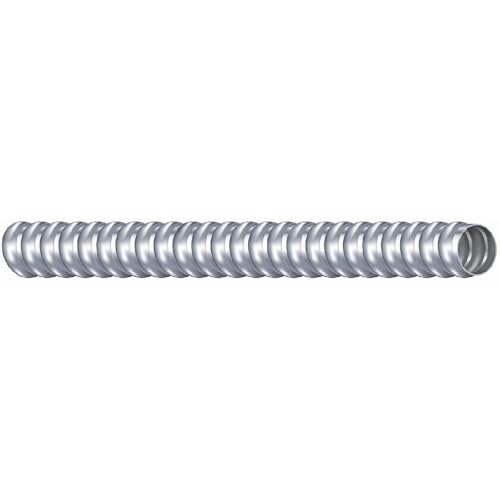
- 25-foot 1/2-Inch high strength aluminum alloy construction provides mechanical protection for…
- For use with listed connectors intended for NEC Type FMC (Flexible Metal Conduit)
- Cuts 80-Percent faster than steel and is 66-Percent lighter than steel


- 1/2″ Diameter x 200 FT tubing made in the USA from premium quality PVC. Available in 1/2″, 3/4″, and…
- Easy to cut to any length with utility knife or PVC cutter. UL Certified Electrical Nonmetallic…
- Replaces Electrical Metallic Conduit (EMT). Engineered with lightweight flexibility for straight…
Last update on 2026-10-03 / Affiliate links / Images from Amazon Product Advertising API