Best Type of Saw to Cut Fence: Cutting It Right
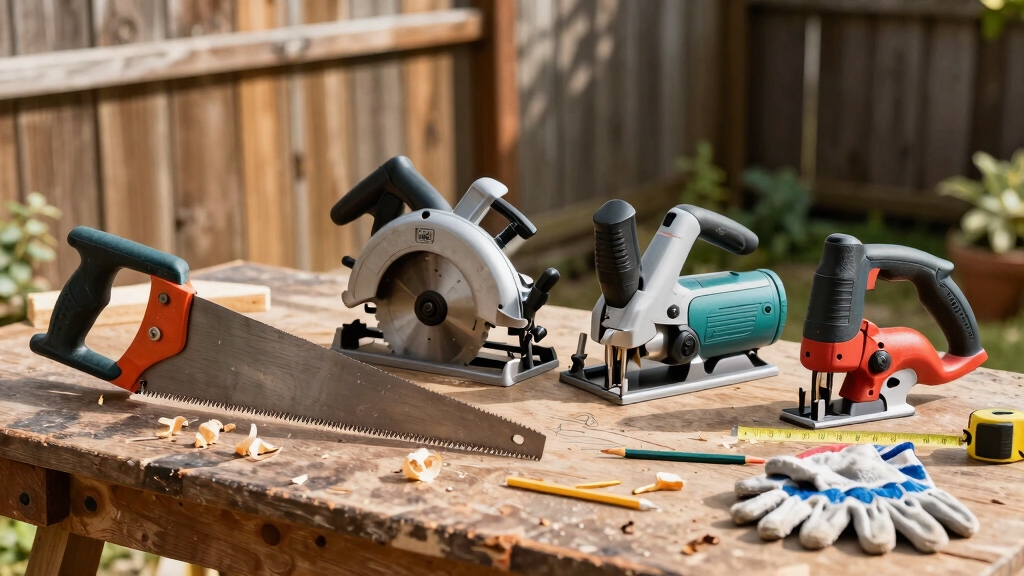
You’ll want a saw that balances power, precision, and ease. For thick fence posts, a chainsaw offers speed but less control. Reciprocating saws give cleaner, controlled cuts and reduce fatigue, especially in tight spots.
Circular saws provide fast, portable crosscuts but need guides for accuracy. Hand saws still excel for small fixes without power. Table saws work best for precise fence panel cuts, not posts.
Explore these options to match your fence-cutting needs precisely.
Key Takeaways
- Reciprocating saws are ideal for quick, clean cuts on fence posts, especially in tight spots, offering precision and reduced splintering.
- Circular saws provide fast, portable crosscuts and rip cuts, but require guides for accuracy and safety precautions.
- Hand saws like the Draper SC550 offer precise, controlled cuts without power, suitable for small repairs and detailed work.
- Chainsaws excel at fast, rough cuts on thick posts but sacrifice cutting precision and control.
- Table saws are best for accurate cuts on fence panels, not posts, due to their precision and fence-guided stability.
Choosing the Best Saw for Fence Posts

When choosing the best saw for fence posts, you need a tool that balances efficiency, precision, and ease of use. Consider the material and thickness of the posts to determine the saw type.
Circular saws offer quick, versatile cuts and handle various materials but require a guide for precise crosscuts. Reciprocating saws excel at quick, short cuts with cleaner results on posts, making them ideal for 6-foot fence sections.
Hand saws like the Draper SC550 Supercut provide controlled, accurate cuts for detailed work. They feature a 550mm blade with 7-8 teeth per inch and an ergonomic handle for comfort.
Avoid table saws, as they’re better suited for sheet goods rather than posts. Your choice hinges on balancing speed, cut quality, and handling to match your fence project’s demands.
For enhanced precision and ease of use on fence posts, consider using a cordless reciprocating saw with variable speed and a pivoting shoe.
Why Hand Saws Still Work for Fence Cutting?
While power saws like circular and reciprocating models offer speed and versatility, hand saws still hold a valuable place in fence cutting.
Power saws deliver speed, but hand saws provide unmatched precision and control for fence cutting.
You’ll find tools like the Draper SC550 Supercut, with its 550mm blade and 7 to 8 teeth per inch, ideal for controlled, precise cuts.
The soft-grip ergonomic handle enhances comfort, reducing fatigue during detailed work.
Hand saws give you greater control on irregular cuts or tight spots where power tools might be unwieldy.
They require no power source, so you can work anywhere without setup delays.
Additionally, their simplicity means less maintenance and noise, making them practical for quick fixes or small-scale fence repairs.
If precision and portability matter to you, a quality hand saw remains a reliable, cost-effective choice.
Using the right tools with appropriate weight and ergonomics can further improve your cutting efficiency and comfort.
Circular Saws for Quick Fence Cuts
Cutting fence posts and boards quickly demands a circular saw’s power and versatility. You’ll find it ideal for fast crosscuts and rip cuts, especially when trimming fence posts.
Its portability lets you move easily along your fence line, handling wood, composite deck boards, and even PVC pipe. For accuracy, use a guide to keep your crosscuts straight and consistent.
The blade speed and design deliver clean, efficient cuts, minimizing the need for additional sanding or adjustments. While it requires power and safety precautions, the circular saw reduces cutting time markedly compared to hand saws.
For best results, use a circular saw with fine-tooth carbide blades to ensure cleaner cuts and reduce splintering.
When to Use a Reciprocating Saw for Fence Posts?
When should you reach for a reciprocating saw for your fence posts? Well, you’ll find that it really shines when you need to make quick, clean cuts. Especially if you’re working in tight spots where precision and maneuverability are key, this tool has your back.
Its lightweight design makes it super easy to handle, even with six-foot posts. You’ll notice that it outperforms bulkier options, like chainsaws, when it comes to making those finer cuts. Plus, if you’re comparing it to circular or hand saws, the reciprocating saw really stands out.
It offers superior speed and control, making short, targeted cuts on fence materials a breeze! For enhanced comfort during extended use, tools with soft rubber grips can help reduce hand fatigue.
Advantages Of Reciprocating Saws
When working on fence posts, a reciprocating saw stands out for its ability to deliver quick, clean cuts with minimal effort.
You’ll appreciate its lightweight design, making it easier to maneuver around posts without fatigue.
It excels in cutting through wood and composite materials efficiently, outperforming bulkier tools like chainsaws in precision.
This saw is ideal for short, rough cuts where speed matters.
Its compact size allows access to tight spots, perfect for fence maintenance or removal.
Corded and cordless electric planers with adjustable depth control provide precise smoothing after cutting to ensure fence posts fit perfectly.
| Advantage | Description |
|---|---|
| Speed | Fast cutting for fence post jobs |
| Clean Cuts | Less splintering than chainsaws |
| Lightweight | Easy handling and reduced fatigue |
| Versatility | Cuts wood, composites efficiently |
| Accessibility | Fits tight spaces on fence posts |
Ideal Fence Post Cuts
Fence post trimming demands precision and efficiency, and a reciprocating saw fits this task perfectly.
You’ll find it especially useful when making quick, short cuts on fence posts where control and clean edges matter. Use it when you need to:
- Cut posts flush with the ground without disturbing surrounding soil.
- Remove old or damaged posts rapidly during fence repairs.
- Trim posts to exact heights for uniform fence lines.
- Work in tight spaces where larger saws are impractical.
- Avoid tear-out common with chainsaws or less precise tools.
Its lightweight design lets you maneuver easily, and the clean cut minimizes splintering. For optimal long-term fence durability, consider pairing your cuts with water-repellent sealants to protect exposed wood surfaces from moisture damage.
Comparison With Other Saws
Although several saw types can handle fence post cuts, a reciprocating saw stands out for its balance of control, speed, and cut quality. You’ll find it ideal for quick, short cuts on 6-foot fence posts, delivering cleaner results than chainsaws without the bulk.
Unlike circular saws, which excel at trimming but require guides for accuracy, reciprocating saws offer more freedom in confined spaces and uneven terrain.
While table saws and miter saws provide precision for sheet goods and angled cuts, they’re impractical for on-site post cutting.
Hand saws work but demand more effort and time. Use a reciprocating saw when you need efficient, controlled cuts on fence posts, especially in tight spots or when portability is essential. It’s the practical choice for both professionals and DIYers.
For outdoor projects like fence post cutting, using tools with ergonomic handles can reduce user fatigue and improve precision during extended use.
Table Saws and Fences: Cutting Fence Panels Accurately
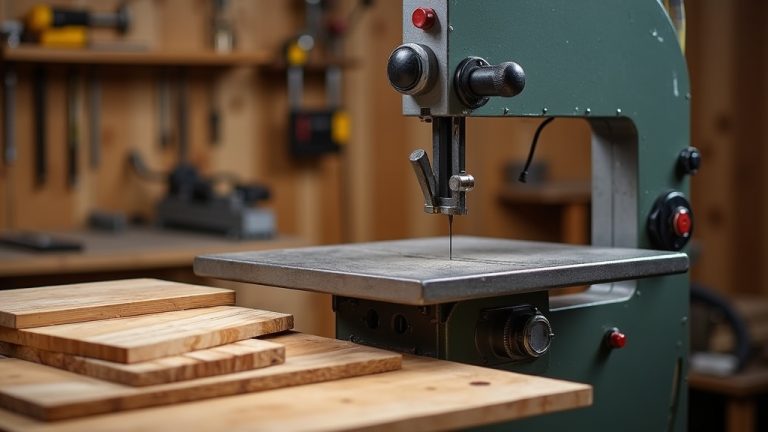
Getting precise cuts on fence panels hinges on using a high-quality table saw equipped with a reliable fence system. When you set up your table saw, the fence guarantees your cuts are straight, consistent, and safe.
To optimize accuracy, focus on:
- Using a T-square fence design for enhanced stability.
- Ensuring the fence has a strong locking mechanism to prevent movement.
- Opting for steel or aluminum fences for durability and minimal flex.
- Utilizing micro-adjustment features to fine-tune measurements precisely.
- Employing longer rail systems to support large fence panels during cuts.
These elements work together to deliver repeatable, precise crosscuts and miters. Neglecting the fence quality can lead to uneven panels and safety risks. Invest in a top-rated fence system like the Bow XT Xtender for best results.
Additionally, a dual rack-and-pinion fence mechanism, similar to those found on top biscuit joiners, can improve fence parallelism and cutting precision.
Chainsaws vs. Other Saws for Fence Building
While table saws excel at delivering precise cuts for fence panels, you might find that cutting fence posts and rougher materials calls for different tools.
Chainsaws offer power and speed, making them suitable for large, rough cuts on thick posts. However, they sacrifice precision and can be cumbersome for detailed work.
Other saws like reciprocating saws provide cleaner, more controlled cuts on posts, especially when you need shorter, accurate cuts.
Circular saws offer versatility and portability, ideal for trimming posts quickly but require a guide for precision. Hand saws remain practical for small tasks due to their control and ease of use.
Ultimately, chainsaws are best for heavy-duty, fast cutting, while other saws serve better when accuracy and cleaner cuts are priorities in fence building.
For optimal results and safety, always ensure your tools are sharp and properly maintained to reduce risk and improve outcomes with personal protective equipment (PPE).
Specialty Saws for Fence Work
When you’re tackling fence posts, a reciprocating saw is often your best friend. It makes quick, clean cuts and is lighter to handle compared to a chainsaw. Plus, it’s super convenient for those smaller jobs.
But don’t count out the chainsaw just yet! It’s still a powerhouse for heavy-duty tasks, especially when you’re dealing with large or dense timber. Knowing when to pick up each tool can really enhance your efficiency and the quality of your cuts on those fencing projects.
So, depending on what you’re working with, choose wisely! For optimal results, consider the tool’s ergonomics and user comfort to reduce fatigue during extended use.
Reciprocating Saw Advantages
Choose a reciprocating saw for quick, efficient cuts on fence posts where precision and speed matter. This saw excels in delivering clean, controlled cuts, especially on 6-foot posts. It makes your fence-building tasks faster without sacrificing quality.
Here’s why you’ll appreciate using a reciprocating saw:
- Lightweight design reduces fatigue during extended use.
- Blade versatility lets you cut wood and other materials with ease.
- Compact size allows access to tight or awkward spots.
- Minimal setup speeds up cutting compared to larger saws.
- Cleaner cuts than chainsaws reduce the need for extra sanding or trimming.
Using a reciprocating saw guarantees you work smarter, not harder, for professional results on your fencing projects.
Chainsaw Uses in Fencing
Harness the power of a chainsaw to tackle heavy-duty fence cutting tasks that demand speed and brute force. You’ll find it ideal for cutting large, thick posts and clearing old fencing quickly.
While chainsaws are less precise than reciprocating saws, their cutting speed and power make them indispensable for rough cuts and demolition work. Always use proper safety gear and maintain control to manage kickback risks.
| Benefit | Application |
|---|---|
| Fast cutting speed | Large post removal |
| Powerful motor | Cutting thick wood |
| Versatile blade sizes | Demolition and clearing work |
| Requires safety gear | Rough cuts on old fencing |
Chainsaws excel where speed and power outweigh precision, making them specialty tools for rugged fence jobs.
Comparing Saw Tooth Designs for Fence Cutting Efficiency
Since the efficiency of cutting fences largely depends on the saw tooth design, understanding the differences in tooth count, shape, and spacing is essential.
You want a saw that balances speed and smoothness, which hinges on these factors:
Tooth count: More teeth per inch (TPI) yield smoother cuts. Fewer teeth cut faster but rougher.
Higher tooth count means smoother cuts, while fewer teeth deliver faster but rougher results.
Tooth shape: Crosscut teeth slice fibers cleanly. Rip teeth cut along grain for speed.
Tooth spacing: Wider gullets clear debris better, preventing clogging during prolonged cuts.
Tooth set: Alternating set teeth reduce binding by widening the kerf.
Point geometry: Sharp points penetrate wood with less effort, improving efficiency.
Selecting a saw like the Draper SC550 Supercut with 7 TPI and 8 points per inch optimizes cutting efficiency for fence boards.
Budget-Friendly Saw Options for Fence Projects
Often, budget constraints play a pivotal role in selecting saws for fence projects, but that doesn’t mean you have to sacrifice performance. You can rely on affordable, efficient tools like hand saws and reciprocating saws that deliver precise cuts without breaking the bank.
These options balance cost, control, and durability, making them ideal for DIY fence work.
| Saw Type | Key Benefits |
|---|---|
| Draper SC550 Hand Saw | £19.86, 550mm blade, ergonomic grip |
| Reciprocating Saw | Lightweight, cleaner cuts, versatile |
| Circular Saw | Fast crosscuts, portable, multi-material |
| Jigsaw | Curves and trims, budget-friendly |
Focus on these saws to optimize cost and functionality for your fence project.
Tips for Safe and Efficient Fence Post Cutting
When it comes to cutting your fence posts, picking the right saw is super important. You want to match the saw to the material and the type of cut you’re making. This way, you’ll end up with clean and efficient results.
Now, let’s talk safety. It’s crucial to wear your safety gear—think gloves, eye protection, and hearing protection. You really don’t want to risk injuries while you’re working.
Also, don’t forget about your setup! Properly positioning and securing the post can make a world of difference. It not only keeps you safe but also helps you cut more accurately. So take a moment to set everything up right, and you’ll be good to go!
Proper Saw Selection
When cutting fence posts, selecting the right saw directly impacts both safety and efficiency. You want a tool that matches the material, cut type, and your skill level.
For quick, clean cuts on wooden posts, a reciprocating saw offers control and portability. Circular saws handle fast crosscuts but require guides for precision. Hand saws like the Draper SC550 Supercut provide ergonomic comfort for detailed work. Avoid table saws for posts; they’re better for sheet goods.
Keep these tips in mind:
- Match saw type to post material and cut style.
- Opt for ergonomic handles to reduce fatigue.
- Use guides or fences for accuracy on power saws.
- Select blade tooth count suitable for smooth cuts.
- Prioritize manageable weight for better control and safety.
Safety Gear Essentials
Always prioritize safety gear to protect yourself while cutting fence posts. Proper equipment reduces injury risk and improves focus.
Use gloves to shield hands from splinters and vibration. Safety glasses protect your eyes from flying debris. Hearing protection is vital when operating power saws like circular or reciprocating saws. Durable work boots prevent foot injuries from dropped tools or posts.
| Safety Gear | Purpose |
|---|---|
| Gloves | Hand protection, vibration dampening |
| Safety Glasses | Eye protection from debris |
| Hearing Protection | Noise reduction for power saws |
| Work Boots | Foot protection and stability |
Wearing this gear consistently guarantees safe, efficient cuts. It minimizes work interruptions and enables precise handling of saws.
Frequently Asked Questions
How Often Should Saw Blades Be Replaced During Fence Projects?
You should replace saw blades during fence projects when you notice reduced cutting efficiency, increased effort, or rough edges on cuts.
Dull blades cause overheating and can damage wood or the saw itself.
For hand saws, replace after significant tooth wear; for power saws, monitor blade sharpness regularly, typically after every few hours of heavy use.
Replacing blades promptly guarantees clean cuts, safety, and project precision.
What Maintenance Is Required to Keep Saws in Optimal Condition?
You should regularly clean saw blades after use to remove resin and debris. This prevents rust and ensures smooth cuts.
Sharpen blades as needed, especially if cuts become rough or slow. Lubricate moving parts and check for loose screws or damaged components.
Store saws in dry, protected environments to avoid corrosion. For power saws, inspect electrical cords and maintain battery charge.
Consistent maintenance keeps your saws efficient and safe.
Can Battery-Operated Saws Handle Thick Fence Posts Effectively?
Yes, battery-operated saws can handle thick fence posts effectively, especially reciprocating saws and circular saws with high-voltage batteries.
However, their cutting power depends on battery capacity and motor strength. For very dense or large posts, you might need to work slower or recharge batteries more often.
Make sure you use sharp blades designed for wood or composite materials.
Maintain battery charge to maximize cutting efficiency and avoid overheating during extended use.
What Protective Gear Is Essential When Cutting Fence Materials?
You need safety goggles to protect your eyes from flying debris.
Hearing protection like earmuffs or plugs is essential to guard against loud saw noise.
Wear heavy-duty gloves to shield your hands from splinters and accidental cuts.
A dust mask or respirator is crucial when cutting treated wood or composite materials to avoid inhaling harmful particles.
Don’t forget sturdy boots and long sleeves to protect your feet and arms during cutting tasks.
How Do Weather Conditions Affect the Choice of Saw for Fences?
Imagine using a Victorian-era handsaw in a rainstorm; your efficiency plummets.
Similarly, weather impacts your saw choice: wet conditions make hand saws slippery and slow.
You’ll prefer a reciprocating saw with good grip and sealed motor.
In cold, battery-powered saws lose charge faster, so corded circular saws might serve you better.
Always consider moisture and temperature to guarantee safe, accurate, and efficient fence cutting under varying weather conditions.
Sharp Tools, Strong Results: Wrapping Up Your Fence Cutting Journey
When cutting fence posts, choosing the right saw is like picking the perfect tool from a craftsman’s belt. Each has its sharp purpose.
Whether you’re wielding a hand saw for control, a circular saw for speed, or a reciprocating saw for tough spots, matching the saw to your fence type guarantees precision and safety.
Keep your teeth sharp, your budget in mind, and your focus steady for fence cuts that stand strong and true.