Best Way to Cut Aluminum: Safe and Efficient Cutting
To cut aluminum effectively, wear cut-resistant gloves, safety glasses, and hearing protection. Secure the sheet firmly using clamps applying about 500 PSI to prevent movement and vibration.
Match your blade choice to the sheet thickness: use high-tooth-count carbide-tipped blades for thin sheets and lower tooth counts for thick aluminum. Maintain a steady feed at recommended speeds and adjust blade height just above the metal.
Proper prep, clamping, and tool selection will drastically improve cut quality and blade life. You’ll find key techniques to refine your process.
Key Takeaways
- Use tungsten carbide-tipped blades spinning at 1,500–3,500 RPM for clean, precise aluminum cuts with minimal heat buildup.
- Secure aluminum sheets firmly with clamps or a vise applying about 500 PSI to prevent movement and vibration during cutting.
- Match blade tooth count to thickness: high tooth count (60–200) for thin sheets, lower tooth count for thicker aluminum.
- Set blade height to just clear the aluminum thickness, approximately 1/8 inch above the surface, to ensure smooth cuts.
- Work in a well-ventilated area with appropriate PPE—gloves, safety glasses, and hearing protection—to ensure safe cutting conditions.
Essential Safety Gear and Precautions for Cutting Aluminum

Before you begin cutting aluminum, you must wear proper safety gear to protect yourself from sharp edges and flying debris.
Start with cut-resistant gloves to shield your hands from sharp sheet edges and accidental blade contact.
Use safety glasses or a full-face shield to protect your eyes from metal shards and dust.
Wear long sleeves and durable clothing to minimize skin exposure.
Hearing protection is essential when operating power saws, as noise levels can exceed safe limits.
Make sure your workspace is well-ventilated to avoid inhaling metal particles.
Always secure the aluminum sheet firmly using clamps or a vise to prevent unexpected movement that could cause injury.
Double-check that your cutting tools are sharp and properly maintained to reduce the risk of kickback or binding during operation.
Additionally, using a vacuum with a HEPA filter can help maintain air quality by effectively capturing fine metal dust generated during cutting.
Preparing Aluminum Sheets for Clean, Accurate Cuts
To get those clean, accurate cuts you’re aiming for, it’s super important to start by clamping your aluminum sheets down really well. You’ll want to apply at least 500 PSI to keep everything in place while you cut—this helps prevent any unwanted movement.
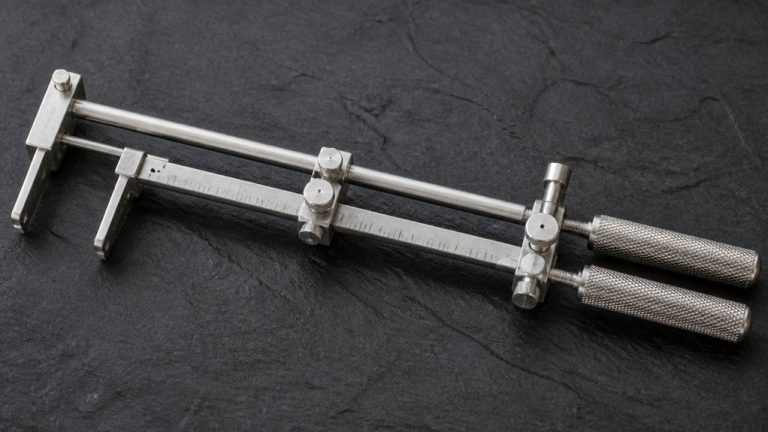
Next up, let’s talk about blade height. You’ll want to adjust it so it’s just above the metal surface. Using a steel ruler or digital caliper can make this step a lot easier and give you that precise control you need.
And if you’re dealing with smaller pieces, don’t forget to secure them! A great trick is to superglue them to larger wood blocks. This will make sure everything stays stable and safe while you work. Happy cutting!
For best results, consider using a reciprocating saw with a variable speed trigger for enhanced precision and control during cuts.
Proper Clamping Techniques
Securely clamping aluminum sheets is essential for achieving clean, accurate cuts and preventing material movement during the process.
Use clamps or a vise applying approximately 500 PSI roller force to hold the sheet firmly without warping it. Position clamps close to the cutting line but avoid obstructing blade movement.
For smaller pieces, superglue them onto a larger wood base to enable safer, stable clamping on miter saws. Make certain the sheet lies flat against your work surface and check that clamps don’t cause distortion.
Utilize a 90° adjustable fence on non-ferrous saws to maintain straight cuts. Proper clamping reduces vibration, heat buildup, and blade deflection, resulting in precise edges and longer blade life.
Always verify stability before starting your cut to maintain control and safety.
Using tools with tool-free adjustments can further enhance precision and ease during metalworking projects.
Blade Height Adjustment
Adjust the blade height so it just clears the thickness of the aluminum sheet, using a steel ruler or digital caliper for accuracy. Setting the blade too low increases wear and risks dulling the teeth, while too high a setting causes excessive vibration and rough edges.
Aim for the blade to protrude about 1/8 inch above the aluminum surface to optimize cutting efficiency and minimize heat buildup. This precise adjustment reduces material deformation and prevents binding.
Before starting, double-check the height after tightening the blade guard or saw adjustments to maintain accuracy.
Consistent blade height ensures cleaner, more accurate cuts and extends blade life. Remember, precise blade height is essential for maintaining edge quality and reducing the risk of warping or chipping during aluminum sheet cutting. For improved control and precision, consider using a variable speed control when operating cutting tools on aluminum.
Securing Small Pieces
Clamping small aluminum pieces firmly is essential for achieving clean, accurate cuts without movement or vibration. To secure these pieces effectively, you need stable support and controlled pressure.
Use a vise or clamps rated for at least 500 PSI to prevent shifting. For very small parts, superglue them to a scrap wood block for safer handling during cutting. Additionally, positioning your clamps close to the cut line minimizes flex and chatter.
Use a 90° adjustable fence for precise angled cuts on small sheets. Choose low-pressure, wide clamps to avoid denting thin aluminum. Apply a thin protective layer, like painter’s tape, under clamps to protect the surface.
Proper securing guarantees smooth, distortion-free cuts and reduces blade wear. Using protective mats beneath your workpiece can also help prevent surface damage during clamping and cutting.
Choosing the Best Aluminum-Cutting Tools by Thickness
Selecting the right tool depends largely on the aluminum sheet’s thickness to guarantee clean cuts and prevent material damage.
For thin sheets between .024 and .040 inches, a razor knife or hand tools like snips and nibblers work best. These tools provide precision without distortion.
Sheets from .050 to .080 inches benefit from jigsaws equipped with metal blades or circular saws fitted with high-tooth-count TCT blades for smoother edges.
When cutting thicker aluminum exceeding 6 mm, power saws such as miter saws with carbide-tipped blades or non-ferrous saws spinning at 1,500–3,500 RPM assure efficient, accurate cuts.
Always match your tool’s blade specifications to the sheet thickness to minimize heat buildup and warping.
Proper clamping and blade height adjustment are essential regardless of thickness to maintain cut quality.
Using personal protective equipment such as gloves and safety glasses is crucial to ensure safety during cutting operations.
How to Select the Right Blade for Cutting Aluminum?
When you’re picking a blade for cutting aluminum, it’s important to consider a couple of key factors: the type of material and the tooth count. These elements can really make a difference depending on how thick your aluminum is and what kind of finish you’re aiming for.
For tougher cuts, tungsten carbide-tipped blades are a great choice because they’re super durable. On the other hand, if you’re looking to achieve a smoother edge quickly, opting for blades with a higher tooth count can be beneficial.
Also, don’t forget to tweak your saw’s RPM. This helps manage heat buildup while keeping your cutting efficient. Balancing these factors will definitely lead to better results in your projects! Additionally, selecting blades with anti-vibration slots can reduce noise and improve cut quality when working with aluminum.
Blade Material Types
Choose the right blade material to make certain clean, efficient cuts through aluminum without excessive wear or heat buildup. Selecting blades made from materials engineered for non-ferrous metals ensures durability and precision.
Carbide-tipped blades excel in heavy-duty applications, resisting heat and maintaining sharpness during extended cuts. High-speed steel (HSS) blades offer a cost-effective option for lighter work but wear faster under high RPM.
For thin sheets or detailed cuts, specialized non-ferrous saw blades enable smooth finishes without material distortion. Consider these blade material types:
- Tungsten carbide-tipped (TCT): Ideal for pipes, tubes, and thick aluminum, minimizes heat.
- High-speed steel (HSS): Suitable for moderate speeds and thinner materials.
- Non-ferrous-specific carbide blades: Designed for clean cuts on sheet aluminum with minimal kerf.
Choose wisely to optimize performance and blade longevity. Proper preparation, such as sanding all edges and surfaces before cutting, enhances the quality and safety of your aluminum cuts.
Tooth Count And Speed
Optimize your aluminum cuts by matching the blade’s tooth count and speed to the material thickness and desired finish. Higher tooth counts (60-200 teeth) deliver smoother edges on thin sheets, but require slower feed rates.
Lower tooth counts excel on thick aluminum, enabling faster cuts with less heat buildup. Adjust blade speed accordingly. Slower speeds reduce heat and prevent warping, especially with carbide-tipped blades.
| Material Thickness | Recommended Tooth Count | Suggested Speed (RPM) |
|---|---|---|
| < 1/8 inch | 150-200 | 3,000 – 6,000 |
| 1/8 to 1/4 inch | 80-150 | 2,500 – 4,000 |
| 1/4 to 1/2 inch | 60-80 | 1,500 – 3,000 |
| > 1/2 inch | 40-60 | 1,000 – 2,000 |
Maintaining a controlled feed rate and selecting the appropriate blade depth are essential to minimizing heat buildup and ensuring clean, precise aluminum cuts.
Cutting Aluminum With Hand Tools: Step-By-Step
Start by securely clamping the aluminum sheet to prevent movement during cutting, using a vise or applying around 500 PSI of roller force.
Choose the appropriate hand tool based on thickness and cut type. For thin sheets, use a hammer and chisel for straight cuts or compound snips for curves. Hand nibblers work well when you want to avoid edge distortion.
Follow these steps:
Mark your cut line clearly with a permanent marker or scribe.
Use steady, controlled motions to guide your tool along the line.
Regularly check your progress to maintain accuracy and prevent warping.
Maintain consistent pressure and avoid twisting the tool to ensure clean, precise cuts.
Proper clamping and tool selection are key for efficient aluminum cutting by hand.
Always wear personal protective equipment to ensure safety during the cutting process.
Safe and Effective Power Saw Use for Aluminum
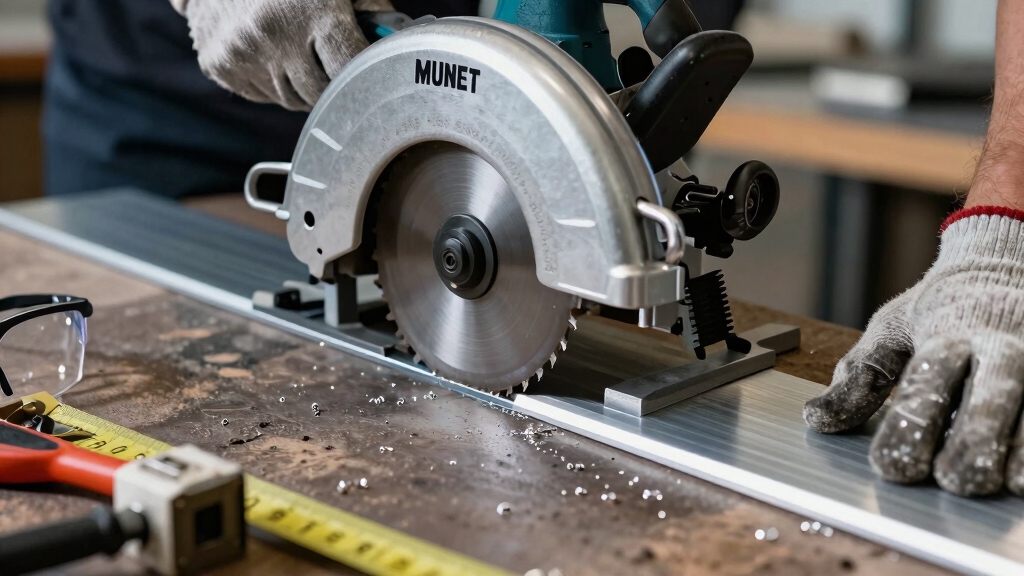
When working with power saws on aluminum, securing the material firmly is essential to prevent movement that could cause uneven cuts or blade damage. Use clamps applying at least 500 PSI or a vise to hold sheets under 6 mm thick.
Adjust the blade height just above the metal surface for effective cutting. Always wear gloves and eye protection. Use tungsten carbide-tipped blades spinning between 1,500-3,500 RPM for clean, precise results. Maintain steady feed rates to avoid overheating.
| Saw Type | Blade Type | RPM Range |
|---|---|---|
| Circular Saw | 60-80 tooth TCT | 1,500-3,500 |
| Miter Saw | 80+ tooth metal-cut | 3,000-6,000 SPFM |
| Jigsaw | Metal blade (.050-.080 in) | Variable |
| Bandsaw | Carbide blade | Slow, steady |
Tips to Improve Aluminum Cutting Speed and Extend Blade Life
Although cutting aluminum efficiently can be challenging, applying the right techniques considerably speeds up the process while preserving blade integrity.
To improve cutting speed and extend blade life, focus on these key practices:
Use a tungsten carbide-tipped blade spinning at 3,000-6,000 surface feet per minute (SPFM) for cleaner cuts and less heat buildup.
Apply a 10 cSt lubricant to reduce friction, preventing blade overheating and premature dulling.
Secure your aluminum firmly with clamps or a vise to minimize vibration and blade deflection, which cause uneven wear.
Additionally, maintain your tools regularly and clean chips frequently to avoid clogging. Lower saw speed when necessary, especially on thin sheets, to prevent warping and prolong blade sharpness.
These steps guarantee faster, precise cuts and maximize blade lifespan.
Frequently Asked Questions
Can I Cut Aluminum Outdoors in Humid Conditions?
Yes, you can cut aluminum outdoors in humid conditions, but take precautions.
Humidity may cause blade corrosion or aluminum surface oxidation. Use a lubricant like 10 cSt to reduce friction and protect the blade.
Clamp the material securely to prevent slipping. Wear gloves and safety glasses.
After cutting, clean and dry tools promptly to avoid rust. Maintaining your equipment guarantees precision and extends tool life despite humidity challenges.
How Do Temperature Changes Affect Aluminum Cutting?
Temperature changes affect aluminum cutting by causing expansion or contraction of the metal, which can alter dimensions and cause warping or misalignment during cuts.
You’ll need to account for this by allowing aluminum to reach ambient temperature before cutting.
Cold aluminum becomes harder and more brittle, increasing blade wear.
Heat can soften it, risking deformation.
Maintain consistent temperature and use sharp blades to guarantee precise, clean cuts without damage.
What Are Signs of Blade Wear Specific to Aluminum?
You’ll notice aluminum blade wear through increased cutting resistance and rougher edges on your workpiece.
The blade may produce more heat, causing discoloration or warping of the metal.
Chips get clogged more frequently, reducing cutting accuracy.
You’ll also see dull, rounded teeth or missing carbide tips on tungsten blades.
If you feel vibration or burning smells, it’s time to replace or sharpen the blade for clean, efficient cuts.
Is Cutting Recycled Aluminum Different From New Aluminum?
Cutting recycled aluminum isn’t different from new aluminum in technique, blade choice, or safety. You’ll still use carbide-tipped blades, proper clamping, and protective gear.
However, recycled aluminum may contain impurities or slight variations in hardness. Inspect the material carefully and expect possible increased blade wear.
Adjust your cutting speed and lubrication accordingly to maintain smooth cuts and prolong blade life when working with recycled aluminum.
Can Aluminum Dust Be Recycled or Reused Safely?
Yes, you can safely recycle and reuse aluminum dust if you handle it properly.
Collect it in a sealed container to prevent airborne particles, which pose inhalation risks.
Use appropriate personal protective equipment like masks and gloves during collection.
Aluminum dust is highly recyclable and can be melted down to produce new aluminum products.
Avoid mixing it with other metals or contaminants to guarantee quality and safety during recycling processes.
Get Professional Results with the Right Cutting Approach
Cutting aluminum might seem tricky, but with the right tools and safety gear, you’ll get precise, clean cuts every time. You might worry that specialized blades or power tools are too costly or complicated.
However, investing in quality blades designed for aluminum actually saves you time and prevents damage. Follow proper preparation and tool selection steps, and you’ll not only cut aluminum efficiently but also extend your blade life and maintain safety throughout your project.