Can You Burn Eucalyptus Wood: High-Performance Firewood
You can burn eucalyptus wood effectively once it’s properly dried, ideally kiln-dried below 20% moisture. This ensures clean, hot combustion with minimal smoke and creosote buildup.
Its dense hardwood structure and natural oils produce high heat output and long burn times, making it fuel efficient. Proper seasoning preserves its aromatic oils, creating a pleasant scent during burning.
Eucalyptus is also safe for home use if your stove or fireplace is well ventilated to handle the intense heat. Explore how its unique properties impact fuel performance and sustainability.
Key Takeaways
- Yes, eucalyptus wood burns efficiently due to its dense hardwood composition and high calorific value.
- Properly dried eucalyptus wood below 20% moisture ensures cleaner combustion with minimal smoke and creosote buildup.
- Eucalyptus produces high heat and long burn times, making it suitable for stoves and fireplaces.
- Kiln-dried eucalyptus preserves natural oils that create a pleasant, fresh aroma when burned.
- Adequate seasoning and ventilation are essential for safe, efficient burning of eucalyptus wood.
Why Is Eucalyptus Wood a Good Fuel Choice?

Choosing eucalyptus wood as your fuel source delivers exceptional heating efficiency due to its dense hardwood composition and naturally high calorific value.
Eucalyptus wood offers superior heating efficiency thanks to its dense composition and high energy content.
This density allows eucalyptus to burn longer and at higher temperatures than many other woods, giving you sustained and effective heat output.
The natural oils present in eucalyptus further contribute to a high burn temperature, enhancing combustion efficiency.
When kiln-dried to moisture levels below 20%, eucalyptus wood reduces fuel consumption by producing hotter, cleaner flames with minimal smoke and creosote buildup.
Its structure supports consistent, long-lasting burns, which means you won’t need to refuel frequently.
These characteristics make eucalyptus an ideal choice for wood stoves and fireplaces designed to handle high heat, ensuring you achieve maximum thermal performance with less fuel.
Additionally, the durability and moisture resistance of hardwoods like eucalyptus contribute to their suitability as a reliable fuel source.
How Does Eucalyptus Wood Burn Compared to Other Firewoods?
Eucalyptus wood stands out among firewoods for its ability to generate higher burn temperatures and longer-lasting heat due to its dense hardwood composition and natural oils.
Compared to many other firewoods, eucalyptus achieves a higher calorific value, delivering sustained, efficient heat output.
Its dense structure slows combustion, allowing for extended burn times without frequent refueling, unlike softer woods that burn quickly at lower temperatures.
When kiln-dried to below 20% moisture content, eucalyptus burns cleaner with minimal smoke and reduced creosote buildup, enhancing safety and chimney maintenance.
You’ll also notice that its natural oils contribute to both intense heat and a distinctive, pleasant aroma.
Additionally, eucalyptus shares similar density characteristics with other hardwoods known for exceptional hardness, contributing to its efficient and long-lasting burn qualities.
Eucalyptus Wood Burn Time and Fuel Use
Eucalyptus wood is a fantastic choice when it comes to burn time. Thanks to its dense hardwood makeup and high calorific value, it really packs a punch. This means you won’t have to use as much fuel overall.
What’s great is that eucalyptus burns hotter and longer than many other types of wood. So, if you’re looking for something that keeps your home warm without the hassle of constant refueling, this is definitely the way to go. Efficient fuel consumption? Yes, please!
Its high density, similar to other durable hardwoods, contributes to its excellent fuel efficiency and longer burn duration.
Long-Lasting Burn Time
Typically, dense hardwoods like eucalyptus provide a particularly long-lasting burn, meaning you’ll spend less time refueling your fire.
Eucalyptus’s high density and natural oils result in a slow, steady combustion. This characteristic allows the wood to maintain sustained heat output over extended periods compared to softer woods.
The wood’s high calorific value assures logs burn hotter and longer, delivering efficient warmth ideal for home heating.
When properly kiln-dried to below 20% moisture content, eucalyptus exhibits minimal smoke and creosote production, enhancing burn quality and safety.
Because of its slow-burning nature, you’ll experience continuous heat with fewer log replacements. This is particularly advantageous for overnight fires or prolonged use in wood stoves and fireplaces.
Eucalyptus wood’s long-lasting burn makes it a reliable and efficient fuel source.
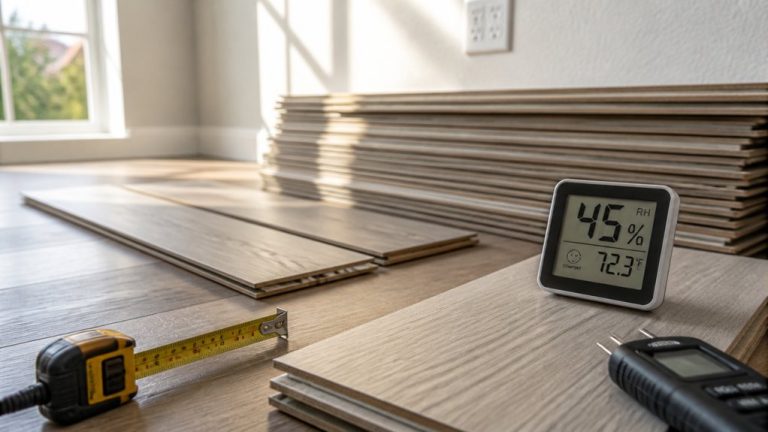
Proper assessment of moisture content using moisture meters ensures optimal burn efficiency and safety.
Efficient Fuel Consumption
Maximizing fuel efficiency relies heavily on the wood’s density and burn characteristics. Eucalyptus excels in this regard.
Its dense hardwood structure combined with a high calorific value guarantees prolonged burn times, reducing the frequency of refueling.
When kiln-dried to below 20% moisture, eucalyptus wood burns hotter and cleaner than many alternatives. This delivers sustained heat output while consuming less fuel.
You’ll find that this slow-burning property translates directly to efficient fuel use, making it ideal for wood stoves and fireplaces designed to handle high temperatures.
Additionally, minimal smoke and creosote production during combustion maintain system efficiency and safety.
Its characteristics are comparable to other dense hardwoods, which are known for their longer burn times and steady heat output.
Why Proper Seasoning and Kiln-Drying Matter for Eucalyptus Wood?
When it comes to eucalyptus wood, seasoning and kiln-drying are super important. You really want to make sure that the wood’s moisture content drops below 20%.
Why? Well, this is key for efficient burning. It helps reduce smoke and creosote buildup, which is a win-win for both safety and the performance of your stove.
Plus, let’s not forget about the aroma! Proper drying brings out the wood’s natural oils, making that unique scent even more intense when it burns. So, taking the time to properly season and dry your eucalyptus wood really pays off in the long run.
Maintaining the right moisture content during drying is essential to prevent warping and cracking of the wood.
Moisture Content Importance
Ensuring eucalyptus wood has a moisture content below 20% through proper seasoning and kiln-drying is essential for achieving efficient, clean combustion.
When moisture levels exceed this threshold, the wood burns inefficiently, producing excessive smoke and creosote buildup.
You’ll also notice reduced heat output because energy expends drying the wood rather than generating warmth.
Proper drying enhances the wood’s natural oils and density, optimizing burn temperature and duration.
Remember, moisture management directly impacts:
- The safety of your chimney system by minimizing creosote deposits.
- Fuel efficiency, reducing how often you need to refuel.
- The quality of heat produced, ensuring sustained warmth and a cleaner burn.
Maintaining wood moisture within optimal levels also prevents warping issues that can affect the structural integrity and usability of the wood over time.
Smoke Reduction Benefits
Properly seasoning and kiln-drying eucalyptus wood markedly reduces smoke production during burning, enhancing both efficiency and safety.
When you reduce the moisture content below 20%, you make certain a cleaner combustion process that minimizes smoke and creosote buildup.
This is vital because excess moisture causes incomplete combustion, producing more smoke and hazardous deposits in chimneys.
Kiln-drying accelerates moisture removal uniformly, preventing hidden wet zones that generate soot.
By properly preparing eucalyptus wood, you achieve a consistent, hot burn with minimal particulate emissions.
This not only protects your ventilation system but also improves air quality indoors and outdoors.
Maintaining wood at the correct equilibrium moisture content before burning helps ensure optimal dryness and minimal smoke output.
Enhancing Aroma Quality
Although eucalyptus wood naturally contains essential oils that produce a pleasant aroma when burned, its full scent potential depends heavily on adequate seasoning and kiln-drying.
Proper drying reduces moisture content below 20%, preserving the essential oils responsible for the fresh, mild scent. Without this, the aroma weakens and combustion efficiency drops.
You’ll notice significant benefits when you:
- Experience a richer, longer-lasting aroma enhancing your space.
- Achieve cleaner combustion with fewer smoke emissions.
- Maximize heat output thanks to preserved volatile oils.
Kiln-drying accelerates moisture removal uniformly, preventing mold and degradation of aromatic compounds.
Seasoning further stabilizes the wood, ensuring that when you burn eucalyptus, it delivers both efficient heat and its distinctive, pleasant fragrance with every log.
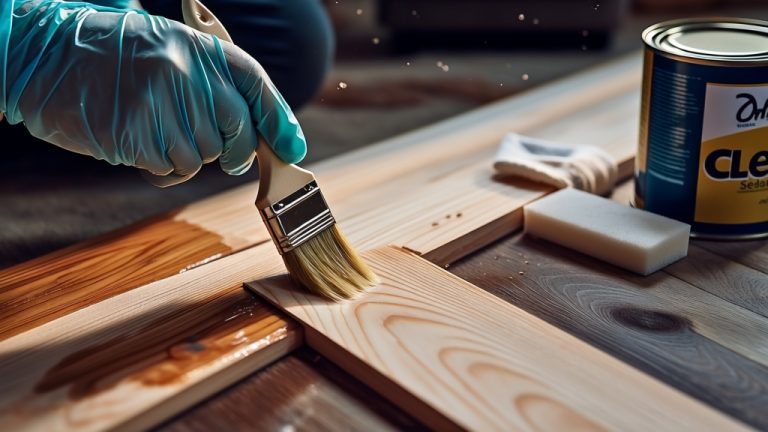
To maintain wood quality and prevent moisture-related issues, it is important to apply protective coatings after drying to enhance durability and resistance.
What Kind of Smoke and Creosote Does Eucalyptus Wood Produce?
When you burn kiln-dried eucalyptus wood with moisture content below 20%, it produces minimal smoke and markedly reduces creosote buildup inside chimneys and flues.
Burning kiln-dried eucalyptus under 20% moisture minimizes smoke and significantly lowers creosote buildup in chimneys.
This low moisture content guarantees a clean combustion process, limiting the release of particulate matter and volatile organic compounds responsible for heavy smoke.
Eucalyptus’s dense hardwood structure and natural oils contribute to a high-temperature burn, promoting more complete fuel oxidation and fewer unburnt residues.
Consequently, creosote deposits formed from incomplete combustion byproducts accumulate at a much slower rate compared to softer, resinous woods.
Proper seasoning and kiln-drying are essential to achieve these benefits. Higher moisture levels elevate smoke production and accelerate creosote formation, increasing chimney fire risks.
Additionally, maintaining optimal humidity levels during wood storage and use helps preserve eucalyptus’s burning efficiency and reduces moisture-related issues.
Is It Safe to Burn Eucalyptus Wood at Home?
If you choose eucalyptus wood for home heating, you can rest assured it burns safely without releasing toxic substances.
Eucalyptus is a clean-burning hardwood requiring proper kiln-drying to below 20% moisture for peak safety and efficiency.
Its high heat output demands a well-ventilated stove or fireplace designed to handle intense temperatures. Always follow manufacturer guidelines to prevent damage or hazards.
When burning eucalyptus wood at home, consider:
- Its 100% safe combustion, free from harmful toxins
- The necessity of kiln-drying to reduce moisture and creosote buildup
- Operating your wood stove or fireplace with adequate ventilation
What Does Eucalyptus Wood Smell Like When Burned?
Beyond its safety and heating efficiency, eucalyptus wood offers a distinct aromatic experience during combustion.
When you burn eucalyptus, you’ll notice a fresh, mild scent resulting from the essential oils naturally present in the wood.
These oils not only contribute to the wood’s high heat output but also release a pleasant fragrance that differentiates eucalyptus from other hardwoods.
The aroma intensity depends largely on proper seasoning and kiln-drying; well-dried eucalyptus produces a cleaner, more consistent scent with minimal smoke.
This mild, invigorating aroma enhances the burning experience without overpowering your space, making it appealing for home heating.
Understanding these sensory characteristics helps you appreciate eucalyptus wood beyond its thermal properties, highlighting its unique balance of efficiency and fragrance.
How Sustainable and Eco-Friendly Is Burning Eucalyptus Wood?
Although eucalyptus wood delivers excellent heat output, its sustainability and eco-friendliness make it an equally compelling choice for home heating.
When you burn eucalyptus, you tap into a fuel source that promotes carbon neutrality, especially when sourced from sustainably managed plantations or invasive species control efforts.
Its growth captures significant atmospheric CO2, offsetting emissions released during combustion.
Plus, responsible harvesting and biomass-powered kiln drying further reduce environmental impact.
You’ll appreciate these key benefits:
- Reduced carbon footprint due to high carbon capture during growth
- Minimal smoke and creosote production, improving air quality and chimney safety
- Use of eucalyptus plantations supports ecosystem management and invasive species control
Frequently Asked Questions
Can Eucalyptus Wood Be Used for Outdoor Campfires?
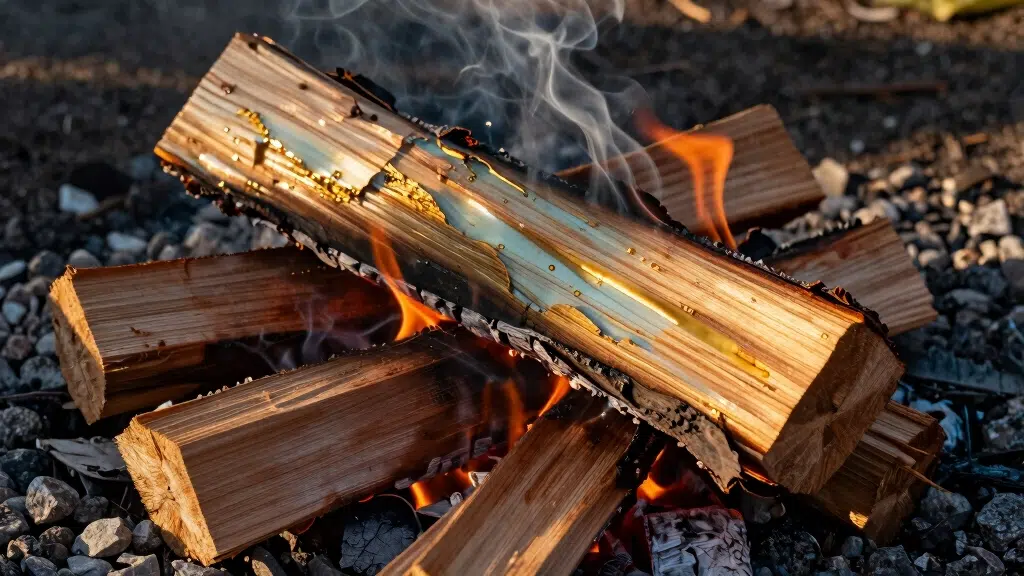
Yes, you can use eucalyptus wood for outdoor campfires. Its dense hardwood composition and natural oils produce a high, sustained heat, making it ideal for long-lasting fires.
Just make sure the wood is properly kiln-dried with moisture below 20% to minimize smoke and creosote buildup.
Keep in mind, eucalyptus burns hotter than many woods, so manage the fire carefully to avoid overheating or damage to your fire pit or surrounding area.
Does Burning Eucalyptus Wood Cause Allergic Reactions?
Worried about allergic reactions from burning eucalyptus wood? Generally, you won’t experience allergies if the wood is properly kiln-dried, keeping moisture below 20%.
This process minimizes smoke and irritants that could trigger sensitivities. However, if you’re prone to respiratory issues, the essential oils released during burning might cause mild irritation.
Always burn eucalyptus in well-ventilated areas to reduce potential exposure. Consult your doctor if you have severe allergies.
How Should Eucalyptus Wood Be Stored Before Burning?
You should store eucalyptus wood in a well-ventilated, dry area to guarantee proper seasoning and moisture reduction below 20%.
Stack the logs off the ground on pallets or supports to avoid dampness and cover the top with a waterproof tarp while leaving sides open for airflow.
This kiln-dried or properly seasoned storage method minimizes moisture content, promotes efficient burning, reduces smoke and creosote buildup, and enhances heat output and aroma during combustion.
Can Eucalyptus Wood Be Mixed With Other Firewoods?
Think of eucalyptus as the strong, steady heartbeat in a symphony of firewoods.
Yes, you can mix eucalyptus with other firewoods to balance burn qualities and heat output. Its dense, hot-burning nature complements softer woods, extending burn time and enhancing efficiency.
Just make certain all woods are properly seasoned to under 20% moisture for clean combustion. This mix optimizes heat, reduces smoke, and maintains chimney safety for your wood stove or fireplace.
Is Eucalyptus Wood Suitable for Wood Pellet Production?
Yes, eucalyptus wood is suitable for wood pellet production. Its dense hardwood composition and high calorific value make it ideal for creating pellets with excellent energy output and long burn times.
You’ll benefit from its low moisture content when kiln-dried, which guarantees efficient, clean combustion with minimal smoke and creosote buildup.
Plus, eucalyptus pellets offer a pleasant aroma and sustainable sourcing, making them a technically sound and environmentally responsible fuel choice.
Eucalyptus Firewood: Heat, Efficiency, and Sustainability in One
If you think eucalyptus wood just burns like any other wood, think again. It practically powers your entire home with its intense heat and long burn time.
When properly seasoned and kiln-dried, it minimizes creosote buildup, making it safer and more efficient than you’d expect. Plus, its unique aroma and eco-friendly credentials make burning eucalyptus not just smart, but an essential upgrade for anyone serious about sustainable, high-performance firewood.