
Painted Cabinets vs Stained: Key Differences Explained
When choosing painted vs stained cabinets, consider your style and durability needs. Painted cabinets offer smooth, vibrant colors perfect for modern looks but chip more easily and need frequent touch-ups.
Stained cabinets highlight natural wood grain, lasting longer with easier repairs and less maintenance, ideal for traditional or rustic themes. Painting costs more upfront due to prep and labor. Your climate also affects finish longevity.
If you want to understand how these factors impact your kitchen’s design and upkeep, keep exploring the differences.
Key Takeaways
- Painted cabinets offer a smooth, uniform finish with nearly unlimited color options, ideal for modern and sleek kitchen designs.
- Stained cabinets highlight natural wood grain, providing warmth and texture suited for rustic, farmhouse, or traditional styles.
- Painted cabinets require more labor, higher costs, and touch-ups every 5–10 years due to chipping and peeling risks.
- Stained cabinets age gracefully, need less frequent maintenance, and allow easier spot repairs and refinishing over decades.
- Painting involves a complex 8-step process with primer and multiple coats, while staining is simpler and more cost-effective overall.
Painted vs Stained Cabinets: Quick Comparison Guide
| Feature | Painted Cabinets | Stained Cabinets |
|---|---|---|
| Appearance | Smooth, vibrant colors; hides grain | Natural wood grain; warm texture |
| Durability | Chips easily; 5-10 year lifespan | Ages gracefully; up to 30 years |
| Maintenance | Frequent touch-ups needed | Easier spot repairs; less cleaning |
| Cost | Higher upfront (10-15% more) | Lower initial; better long-term |
| Best For | Modern, sleek kitchens | Rustic, traditional styles |
Appearance Differences Between Painted and Stained Cabinets
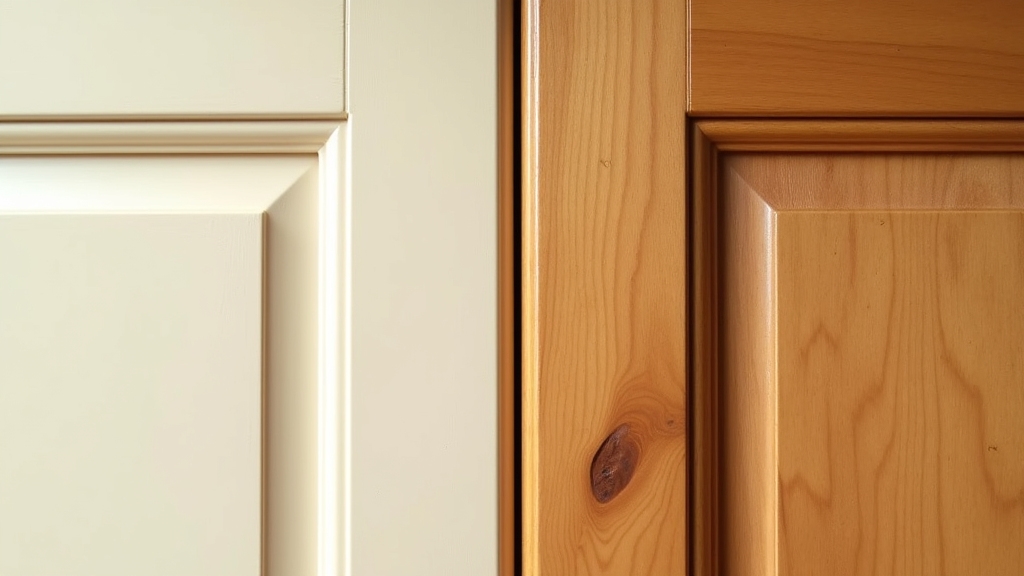
When you choose between painted and stained cabinets, the most striking difference lies in how each finish interacts with the wood’s natural grain.
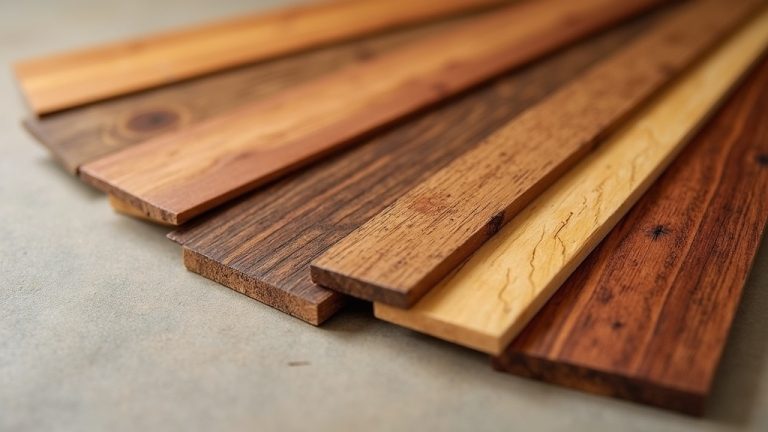
Stained cabinets soak into the wood, preserving the intricate grain patterns, knots, and textures, giving the surface a translucent, organic sheen. This allows the wood’s natural beauty to shine through. They also tend to tolerate wear and tear better, as scratches and dents are less noticeable on stained surfaces.
Stained cabinets penetrate the wood, highlighting its natural grain and creating a warm, organic glow.
Painted cabinets, however, create an opaque, smooth layer that completely masks the wood’s grain, providing a uniform, flawless finish. Proper surface preparation is essential before painting to ensure durability and adhesion.
Paint offers bold, vibrant colors that stand out without the distraction of wood patterns, ideal if you want a clean, modern look. In contrast, stain complements the wood’s inherent tones with muted hues, enhancing warmth and character.
Color and Style Options for Cabinets
Choosing the finish for your cabinets shapes not only their texture but also their color and style possibilities. Painted cabinets offer nearly unlimited hues, from crisp whites to deep navy, perfect for sleek, modern designs.
Stained cabinets highlight natural wood tones, enhancing grain and warmth, ideal for classic or rustic spaces. You can even blend both in two-tone schemes for dynamic contrast. Most stained cabinets use solid wood or veneer, which helps showcase the natural beauty of the grain.
Additionally, selecting finishes with advanced protective coatings like Aluminum Oxide finishes can improve durability and longevity for cabinetry surfaces.
| Feature | Painted Cabinets | Stained Cabinets |
|---|---|---|
| Color Range | Wide spectrum, any hue | Natural wood tones, muted shades |
| Style | Smooth, uniform, modern | Warm, textured, traditional |
| Grain Visibility | Concealed | Highlighted |
| Popular Trend | Two-tone contrasts | Grey and muted modern stains |
Durability and Maintenance Considerations
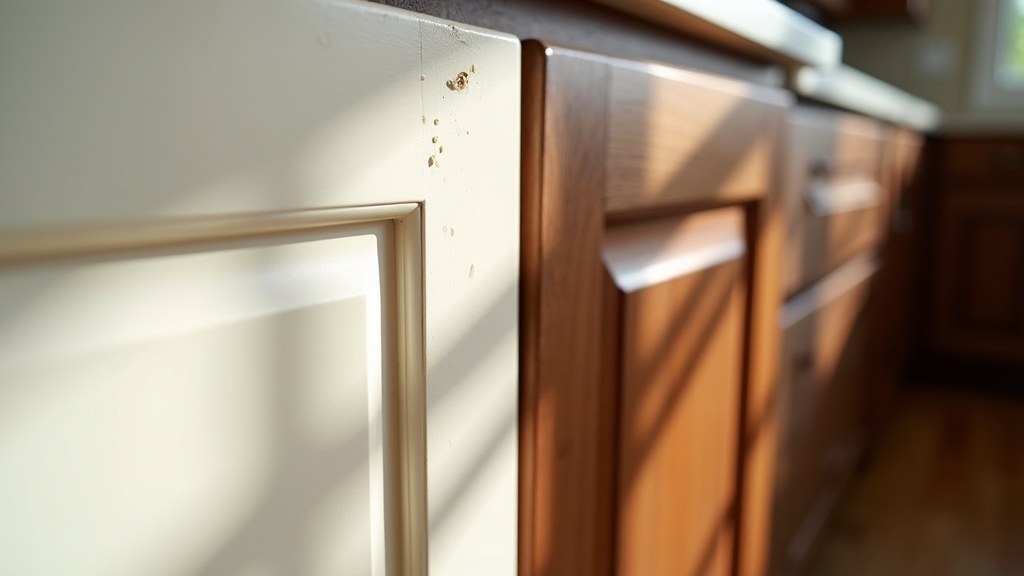
Although both painted and stained cabinets offer distinct aesthetic appeals, their durability and maintenance demands vary considerably, influencing how they perform in everyday use.
Painted cabinets create a hard shell that resists moisture and initial dings but are prone to chipping around handles and edges. You’ll notice damage quickly, requiring touch-ups every 5–10 years. They demand frequent cleaning and gentle care to avoid scratches.
Additionally, painted cabinets are typically more resistant to scratches and dents due to a protective layer, which helps maintain their appearance longer. Regular maintenance, including cleaning with appropriate solutions, helps preserve the finish and prevents damage from moisture or grease buildup, similar to cleaning Swedish finish floors.
Painted cabinets resist moisture but chip easily, needing gentle care and touch-ups every 5–10 years.
Stained cabinets penetrate the wood, concealing wear and aging gracefully over decades. They require less frequent cleaning but benefit from occasional refinishing and protective topcoats to prevent fading. Because of the natural color variation, stained cabinets can hide damage better, making imperfections less noticeable over time.
If your kitchen sees heavy traffic or includes children, stained finishes hide imperfections better, offering a practical, long-lasting choice that develops character with time. Both need attentive maintenance but differ in how wear reveals itself.
Cost Comparison Between Painted and Stained Cabinets
When you’re trying to decide between painted and stained cabinets, it’s important to keep an eye on the costs involved. You’ll quickly notice that the initial expenses for materials and labor can really affect your budget.
Now, painted cabinets usually need a lot more prep work and multiple coats of paint. This can really add up in both time and cost. Additionally, painted cabinets generally cost about 10-15% more than stained options, translating to a higher overall expense due to the additional preparation.
Protecting surfaces during painting with drop cloths and protective sheets can also add to labor time and material costs, especially when working over refinished floors. On the flip side, stained cabinets might use more expensive wood, but the application process tends to be simpler.
And don’t forget about the long-term maintenance costs! They can really influence your overall investment in the cabinets.
Initial Material Expenses
Several key factors influence the initial material expenses for painted versus stained cabinets, often making painted options about 10-15% more costly upfront.
Painted cabinets use MDF, a cost-effective substrate, but require multiple coats: primer, base, and topcoats. This raises paint volume and expenses. Additionally, the durability and maintenance needs of painted surfaces can affect long-term costs related to upkeep.
Stained cabinets typically rely on solid wood or veneer, which varies profoundly in cost by species. Though stain products cost less per gallon and need less volume, high-end woods can surpass painted MDF costs. The choice of wood also influences moisture resistance, which is important for cabinet longevity.
Your choice of wood species greatly impacts the material budget, sometimes outweighing finish costs.
Additionally, painted cabinets usually require more labor and materials such as sanding and priming, which contribute to the overall higher upfront cost.
| Factor | Painted Cabinets | Stained Cabinets |
|---|---|---|
| Substrate | MDF (less expensive) | Solid wood/veneer (varies) |
| Material Cost | 10-15% higher upfront | Generally lower |
| Coats Required | Multiple (primer +) | Fewer |
| Paint/Stain Cost | $50-$100/gallon | $40-$100/gallon |
| Wood Species Impact | Minimal | profound |
Labor and Prep Costs
Material costs set the stage, but labor and preparation substantially shape the final price you’ll pay for painted versus stained cabinets.
Painting demands an 8-step process: cleaning, sanding, priming, multiple paint coats, and topcoats. This makes it far more labor-intensive than staining. Proper cleaning techniques, such as using a microfiber mop for dust removal before painting, help ensure a smooth finish.
You’ll spend more time filling dents and removing hardware to ensure a flawless painted finish, especially on intricate or frameless cabinetry. Labor accounts for 70-80% of painting costs, roughly 10-15% higher than staining.
Staining requires deep sanding and stripping but fewer coats, reducing prep time and labor by about 30%. Painted cabinets typically use HDF doors, which save around 12% on door costs compared to wood doors used on stained cabinets.
MDF suits painting with less prep, while natural woods need more effort for staining to penetrate grain evenly.
Long-Term Maintenance Costs
Although painted cabinets can transform your space with vibrant color, they demand more frequent upkeep due to visible chips, scratches, and fading, especially in busy or moisture-prone areas. You’ll likely invest in touch-ups and refinishing every 5–10 years, with higher paint and labor costs.
Painting involves an 8-step process including primer and multiple coats. This extensive preparation and application make painting more time-consuming compared to staining. Additionally, the use of durable finishes can help mitigate some maintenance challenges but often add to the initial cost.
In contrast, stained cabinets offer natural wood grain beauty that hides wear and requires less frequent maintenance, often lasting 30 years or more. Refinishing stained cabinets is less labor-intensive and costly, needing fewer supplies and less prep work.
Because stain conceals minor damage and resists moisture better, you save on cleaning, repairs, and touch-ups. The ability to maintain a seamless appearance over time is similar to using seamless transition techniques in flooring, where durability and appearance are preserved with minimal intervention.
Over time, stained cabinets typically prove more economical and durable, making them a wise choice if you prioritize long-term maintenance savings.
Process and Installation Differences
When you compare the processes, staining cabinets involves fewer steps and less preparation than painting. You start by sanding the wood, then apply a single coat of stain that penetrates the grain without primer, followed by sealer and a top coat.
Painting, however, demands more work: sanding, priming, multiple base paint coats, and top coats, increasing labor and material use.
Stain requires roughly half the product volume of paint and costs less overall. Paint offers limitless color options but needs more extensive prep and coats, driving up professional installation costs.
Staining highlights natural wood patterns elegantly, while painting creates a uniform surface. Choosing between them depends on your desired aesthetic, budget, and how much time you want to invest in installation.
It is also important to consider the durability and maintenance differences, as painted surfaces may require more upkeep compared to stained wood.
Longevity and Upkeep of Cabinet Finishes
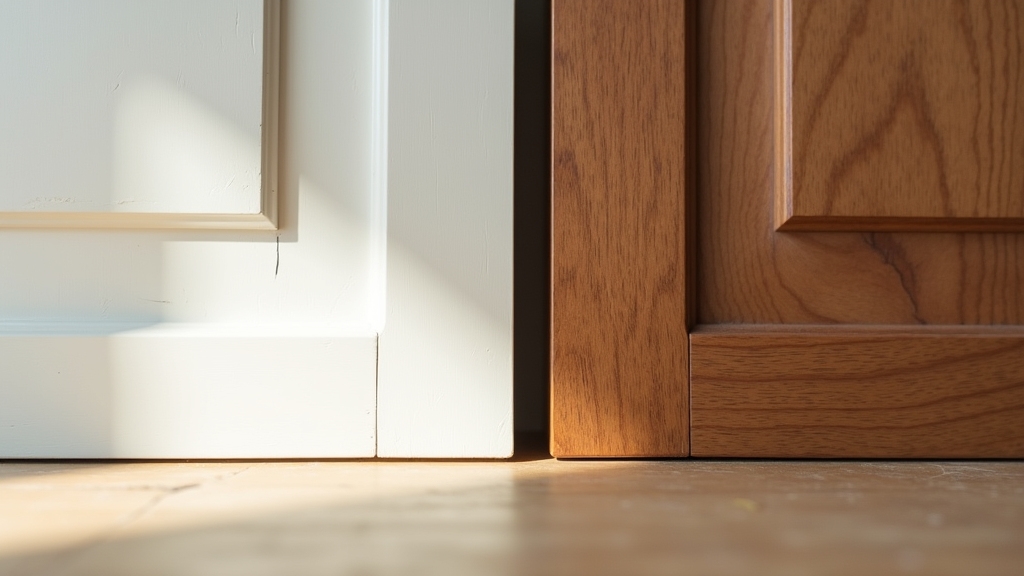
When it comes to cabinet finishes, painted cabinets can be pretty durable right off the bat. However, they might need a bit more attention over time, like frequent cleaning and touch-ups, to keep them looking perfect.
Painted surfaces are easy to clean but repairing chips or peeling can be difficult, making maintenance requirements a key consideration. Using gentle cleaning techniques will help preserve the painted finish and reduce damage risk.
On the flip side, stained cabinets have a way of aging gracefully. They tend to hide wear and tear better, which means you won’t have to worry as much about upkeep. Plus, when they do need repairs, it’s often easier to manage.
Durability Over Time
Because cabinet finishes endure daily wear, understanding their durability over time is essential for making the right choice.
Painted cabinets typically last 5-10 years before chipping or wear becomes noticeable, especially around handles and corners. Although moisture resistance starts strong, paint’s uniform surface makes chips and scratches stand out.
Additionally, painted cabinets are often made from HDF or hardwoods, which provide a consistent surface for the paint finish. Proper maintenance and gentle cleaning methods, similar to those recommended for hardwood floor care, can extend the life of painted finishes.
In contrast, stained cabinets penetrate the wood, resisting chipping and aging gracefully for up to 30 years. Their natural color variations help conceal minor damage, making them ideal for busy kitchens. However, direct sunlight can cause fading unless UV-protective coatings are applied.
Maintenance Requirements
Understanding how to maintain your cabinets directly influences their longevity and keeps their finishes looking fresh.
Painted cabinets demand more frequent cleaning since dirt and stains show easily; use warm water and mild soap with a soft cloth, rinsing and drying immediately to prevent moisture damage. Proper maintenance can allow painted cabinets to last up to ten years with good care.
Stained cabinets tolerate longer intervals between cleanings, but require periodic resealing to guard against moisture, especially in humid areas. Avoid harsh chemicals or abrasive tools on both finishes, and promptly wipe up spills to protect surfaces.
Stained cabinets benefit from occasional polishing to maintain luster, while painted ones may need touch-ups for chips or stains. Employing gentle, regular cleaning and protective measures like coasters will help both finishes preserve their beauty and durability over time.
Touch-Up Ease
Although both painted and stained cabinets require upkeep, their ease of touch-up varies considerably due to differences in material interaction and finish durability.
Painted cabinets tend to chip and peel, making touch-ups tricky as paint layers are thick and uniform. This requires skill to blend seamlessly. Because paint layers are less flexible, they are prone to chipping or cracking over time, complicating maintenance further.
Stained cabinets, however, absorb stain into the wood, allowing simpler repairs with markers or diluted stain that blend naturally while concealing minor damage.
| Aspect | Painted Cabinets | Stained Cabinets |
|---|---|---|
| Damage Type | Chips, cracks, peeling | Scratches, fading |
| Touch-Up Ease | Difficult, often needs repainting | Easy, uses stain markers |
| Longevity | 10 years before refinishing | 10-20 years between refinishing |
Suitability for Different Design Themes
When choosing between painted and stained cabinets, consider how each finish complements your kitchen’s design theme.
Painted cabinets suit contemporary and modern styles with their smooth, uniform surfaces and versatile colors, from bold blues to muted grays. They enhance clean lines and bright spaces, concealing wood imperfections and aligning with minimalism’s flawless look. The painting process involves sanding and priming, ensuring a smooth, even finish that covers the natural wood grain.
Stained cabinets, on the other hand, emphasize natural wood grain and texture, enriching rustic, farmhouse, and traditional kitchens with warmth and character. Their visible knots and rich tones like oak or walnut add timeless charm.
For transitional or eclectic styles, mixing painted and stained finishes creates layered, personalized spaces. In minimalist or Scandinavian designs, light painted hues or blonde-stained wood bring simplicity and natural warmth, balancing function and softness beautifully.
Impact of Sunlight Exposure on Finishes
Since kitchens often receive abundant natural light, you’ll want to think about how sunlight affects painted and stained cabinet finishes.
Painted cabinets risk chipping, peeling, and yellowing, especially without UV-blocking topcoats. The dry air in Reno’s climate can accelerate moisture loss from wood, increasing the risk of cracking if finishes are not properly sealed to prevent excessive dryness.
Stained finishes resist cracking better but can fade or develop surface checking in dry, sunny climates. Maintenance differs: painted cabinets need frequent touch-ups, while stained ones benefit from re-sealing every 3–5 years.
| Aspect | Painted Cabinets | Stained Cabinets |
|---|---|---|
| Sunlight Damage | Chipping, peeling, yellowing | Fading, checking, color washout |
| Maintenance | Frequent touch-ups, cleaning | Re-sealing every 3–5 years |
| Protection | UV-blocking topcoats essential | Oil-based stains, UV sealers |
Choosing finishes with UV protection extends their lifespan in sunny kitchens.
Frequently Asked Questions
Can I Mix Painted and Stained Cabinets in One Kitchen Design?
Yes, you can mix painted and stained cabinets in your kitchen design.
Combining darker painted bases with lighter stained uppers creates a balanced, visually interesting space.
Just keep your colors and finishes cohesive, limit to two or three tones, and match hardware styles for unity.
This approach adds depth and warmth while enhancing durability where needed.
With thoughtful coordination, your kitchen will feel personalized and elegant without overwhelming the space.
Are There Environmental Differences Between Paint and Stain Products?
Think of paint and stain as two storytellers with different tales on air quality.
You’ll find paint generally releases more VOCs, impacting indoor air more notably.
Stains emit fewer VOCs but need more frequent reapplications, which can add to waste.
Choosing water-based, low-VOC formulas helps you reduce your environmental footprint, whether you lean toward paint’s boldness or stain’s subtlety.
Your choice shapes both aesthetics and eco-responsibility.
How Do Painted and Stained Cabinets Affect Home Resale Value?
You’ll find painted cabinets, especially in neutral shades like white or gray, boost your home’s resale value by offering a fresh, modern look that appeals to many buyers.
This often increases value by around $1,800 to $2,000.
Stained cabinets attract buyers seeking timeless warmth and durability, enhancing value in traditional settings.
Both options offer strong ROI, but your choice should match your home’s style and buyer expectations to maximize appeal and resale potential.
Can I Refinish Painted Cabinets at Home Without Professional Help?
Yes, you can refinish painted cabinets at home without professional help.
Carefully prepare surfaces with degreasers like TSP-PF and sand to create proper adhesion.
Apply quality primer and satin enamel paint.
Use drop cloths to protect your kitchen and follow the sand-vac-tack process between coats to ensure smooth finishes.
Patience during drying times and attention to detail will help you achieve a durable, professional-looking result on your own.
Which Finish Is Better for Kitchens With Heavy Humidity or Moisture?
Wondering which finish stands up best when steam and spills are nonstop in your kitchen?
You’ll want stained cabinets. They penetrate wood, resisting moisture naturally and adapting to humidity without cracking or peeling.
They last longer, need less upkeep, and handle wear with grace.
While painted cabinets can work if sealed properly, stained finishes offer a resilient, low-maintenance beauty that thrives in heavy moisture.
This makes your kitchen both durable and inviting.
Transform Your Kitchen: Choose Painted or Stained Cabinets
Choosing between painted and stained cabinets isn’t just about looks. It’s about how your space lives and breathes. Will you crave bold colors or natural wood tones? Think durability, upkeep, and how sunlight will play with your finish over time.
The right choice can transform your room’s mood and longevity, but the decision might surprise you. Ready to discover which finish truly fits your style and lifestyle? Your perfect cabinets are just a choice away.