
Glue Down vs Floating LVP: Best Choice for Your Home
When choosing between glue-down and floating LVP, consider your space and needs. Glue-down offers superior stability, durability, and supports intricate designs, making it ideal for high-traffic or commercial areas.
Floating LVP is easier and quicker to install, cost-effective, and allows simple repairs, perfect for residential settings. Both require proper maintenance, but your choice hinges on installation preferences, budget, and aesthetic goals.
Explore further to uncover key differences in customization, upkeep, and longevity.
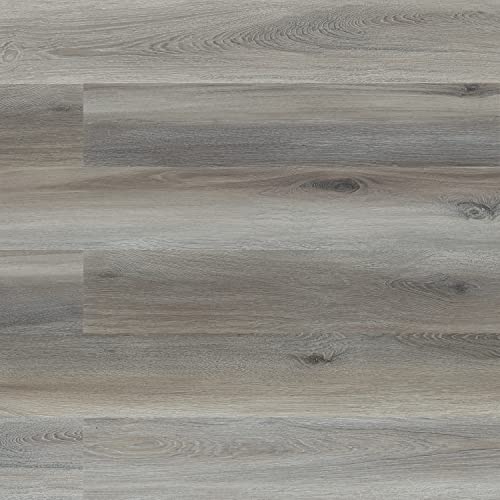
- LUXURY VINYL FLOOR TILES: For use indoors and in temperature-controlled environments only, MSI…
- SCRATCH & ABRASION RESISTANT: 2MM Thick and 12MIL Wear Layer, Scratch- Stain- and Dent-resistant…
- WATER RESISTANT & EASY CLEAN: Super easy to clean, tiles are water resistant. Life in the family…

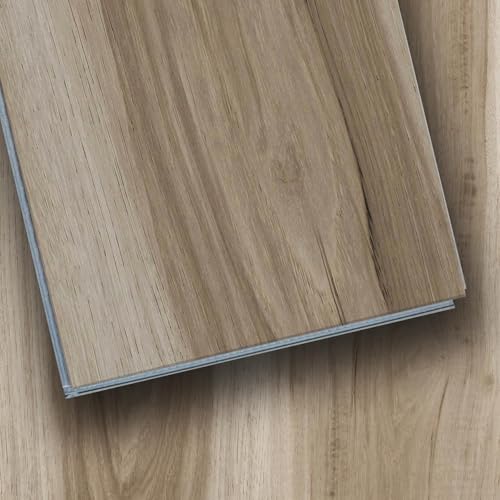
- 【Ultra-Durable & Pet-Friendly】With a 0.3mm wear layer tested over 15,000 abrasion cycles, this…
- 【100% Waterproof Rigid Core Construction】Built with a 3.2mm sturdy SPC core (a dense mix of PVC…
- 【Built-in Sound Absorption & Comfort Underfoot】Enjoy a quieter home with the attached 1.0mm IXPE…
Key Takeaways
- Glue-down LVP offers superior stability and durability, ideal for high-traffic and commercial environments.
- Floating LVP is easier and faster to install, making it more suitable for DIY and residential projects.
- Glue-down requires a clean, dry, and level subfloor, while floating LVP tolerates minor imperfections.
- Floating LVP is more prone to shifting and gaps but allows quick plank replacement and easier repairs.
- Glue-down supports intricate designs and seamless looks, whereas floating LVP suits straightforward, linear patterns.
Glue Down or Floating LVP: Key Differences at a Glance
| Feature | Glue Down LVP | Floating LVP |
|---|---|---|
| Installation Method | Adhesive bonds planks to subfloor | Click-lock system floats above subfloor |
| Installation Difficulty | Professional installation required | DIY-friendly, easier installation |
| Material Cost | $3–$5 per sq. ft. | $4.50–$6.50 per sq. ft. |
| Labor Cost | $1.50–$4.00 per sq. ft. | $1.00–$2.00 per sq. ft. |
| Subfloor Requirements | Must be perfectly level and dry | Tolerates minor imperfections |
| Stability | Superior stability, no shifting | May shift or separate over time |
| Durability | Excellent for high-traffic areas | Best for residential use |
| Moisture Resistance | Superior water resistance | Good but vulnerable at seams |
| Design Flexibility | Intricate patterns possible | Limited to straightforward layouts |
| Repair Process | Individual plank replacement | May require multiple planks removed |
| Curing Time | 48–72 hours before use | 24–48 hours acclimation |
| Best For | Commercial spaces, high-traffic areas | Residential settings, DIY projects |
Installation Methods Explained
While both glue-down and floating LVP offer durable flooring solutions, their installation methods differ markedly, impacting preparation, process, and skill requirements.
Glue-down and floating LVP differ significantly in installation, affecting prep, process, and required expertise.
When you choose glue-down, you must prepare a clean, dry, and perfectly level subfloor to ensure proper adhesive bonding. This often requires professional tools and skills for precise glue application and curing.
Glue-down vinyl plank flooring provides stability and reduces movement over time. Proper subfloor preparation is crucial to avoid issues like denting or uneven wear. This method secures planks permanently, making it ideal for high-stability needs.
In contrast, floating LVP demands a clean subfloor but tolerates minor imperfections. You’ll typically lay an underlayment for sound reduction and cushioning, then connect planks via a click-lock system. This allows the floor to hover above the subfloor and accommodate expansion.
Floating floors also help prevent damage from slight subfloor imperfections and are less prone to flooring dents. Floating installations are faster, more DIY-friendly, and don’t require adhesives, making them suitable for uneven or adhesive-resistant substrates.
Comparing Durability and Stability
When you opt for glue down LVP, you’re really getting a flooring solution that offers superior stability under pressure. The adhesive used here firmly bonds the planks to the subfloor, ensuring they won’t shift or move, even in high-traffic areas. Isn’t that great?
This method also creates a seamless, professional appearance due to the firm attachment to the subfloor. Additionally, glue down LVP generally requires more maintenance and care to preserve its durability over time.
On the other hand, floating LVP is definitely easier to install. However, there’s a catch—it can move or even separate over time, especially when you have heavy furniture or rolling loads. Proper installation techniques and periodic inspections can help reduce these issues by ensuring the planks remain stable.
So, while it’s convenient, it mightn’t hold up as well in the long run. Understanding these differences really helps you make an informed choice. You want flooring that not only looks good but also maintains both durability and a seamless, stable appearance.
Stability Under Pressure
Because stability under pressure directly impacts the lifespan and performance of luxury vinyl plank (LVP) flooring, understanding the differences between glue down and floating installations is essential.
Glue down LVP excels in maintaining integrity under heavy foot traffic, resisting movement from heavy furniture, and withstanding rolling loads without plank separation or buckling. This makes it ideal for commercial spaces or rooms with frequent furniture rearrangement.
Our knowledgeable team in Springfield, IL can provide expert guidance to help you choose the best installation method for your specific needs expert guidance. In contrast, floating LVP can experience wear at plank edges, shift under heavy furniture, and may buckle under rolling pressure if not properly installed or reinforced.
While both options resist scratches, glue down installations provide superior long-term structural integrity and moisture resistance. This ensures your flooring remains stable and visually pristine even under demanding conditions.
Resistance to Shifting
Though both glue down and floating LVP offer attractive flooring options, their resistance to shifting considerably differs, especially in high-traffic environments.
Glue down LVP excels in maintaining alignment, minimizing gaps even under constant foot traffic and heavy furniture movement. This makes it ideal for commercial spaces, hallways, and rooms with rolling loads like kitchen carts.
Its excellent stability is further enhanced by the adhesive layer that secures the planks firmly to the subfloor. Additionally, glue down LVP provides superior durability against wear compared to floating installations.
Conversely, floating LVP tends to shift or lift at edges, particularly in large or expansive areas without proper expansion gaps. Over time, floating floors may develop noticeable gaps, requiring periodic maintenance.
Floating LVP is also more sensitive to uneven subfloors, which can impact overall floor performance. While floating floors may need adjustments, glue down installations provide long-term stability with less need for maintenance.
Additionally, glue down LVP allows easier, less disruptive plank replacement when repairs are necessary, ensuring your floor remains aesthetically cohesive and durable for years.
Cost Analysis: Materials and Labor
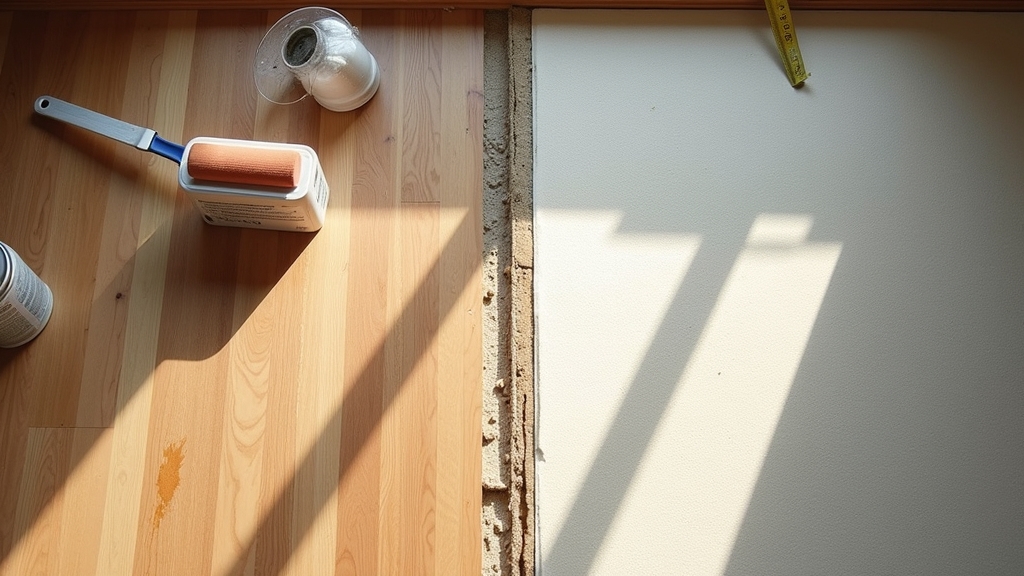
When you’re weighing your options, it’s good to know that both glue-down and floating LVP materials are pretty similar in price. But here’s a little twist: if the floating LVP has thicker planks or comes with built-in underlayment, it might end up costing you a bit more.
Now, let’s talk about labor costs. This is where things can really differ! Glue-down installation typically requires skilled professionals, which can drive those costs up. This method also demands precise adhesive application to ensure long-term performance.
On the flip side, floating LVP is more budget-friendly and totally DIY-friendly, making it a great option if you’re looking to save on installation.
Material Price Comparison
A clear understanding of material costs is essential when choosing between glue down and floating LVP flooring.
Glue down LVP usually costs less per square foot due to thinner planks and simpler construction, but requires adhesive, adding to expenses. It offers stable, durable adhesion by firmly attaching to the subfloor, which can be a cost-saving benefit over time.
Additionally, this method often results in a more secure and permanent installation compared to floating options. Floating LVP is thicker with interlocking features, raising its price and often needing underlayment, which also increases material costs.
This system provides the advantage of easier installation and repair, making it popular for DIY projects. Here’s a direct comparison:
| Feature | Glue Down LVP | Floating LVP |
|---|---|---|
| Cost per sq. foot | Lower ($3 – $5) | Higher ($4.50 – $6.50) |
| Adhesive needed | Yes (additional cost) | No |
| Underlayment | Optional | Usually required |
| Thickness | Thinner planks | Thicker planks |
| Design flexibility | High (any pattern) | Limited (locking system) |
Labor Expense Differences
Because labor plays a significant role in your overall flooring budget, understanding the cost differences between glue-down and floating LVP installations is essential.
Glue-down labor typically ranges from $1.50 to $4.00 per square foot, reflecting its complexity. It demands professional skills for adhesive application, precise plank placement, and thorough rolling, increasing both time and cost.
Additionally, thorough subfloor preparation is crucial to avoid issues, as subfloor preparation must be flawless, often requiring extra labor. This method also offers a super-solid feel and high durability, making the investment worthwhile for high-traffic areas.
In contrast, floating LVP labor costs range from $1.00 to $2.00 per square foot. This method is less labor-intensive, relying mainly on clicking planks together over underlayment, making it DIY-friendly and faster to complete.
While both methods may require subfloor work, floating installations tolerate minor imperfections, reducing prep labor and overall expense. Understanding these differences helps you balance budget with installation quality and aesthetics.
Maintenance Practices for Each Type
Although both glue down and floating LVP offer durable and attractive flooring options, their maintenance requirements differ markedly to preserve their functionality and appearance.
For glue down LVP, you must allow 48-72 hours curing before normal use, avoid moisture and abrasive cleaners, and protect the adhesive bond with furniture pads and mats. Use pH-neutral cleaners to avoid damaging the vinyl surface and adhesive.
Additionally, understanding the fire resistance properties of materials in your home can contribute to overall safety. Floating LVP requires 24-48 hours acclimation, cautious moisture control to prevent seam damage, and manufacturer-approved cleaners.
Key maintenance practices include:
- Daily sweeping or vacuuming to remove dirt and grit that cause scratches.
- Prompt spill cleanup to protect adhesive bonds or prevent moisture penetration.
- Avoiding steam mops and excessive water to maintain structural integrity and finish.
Repair Procedures and Challenges
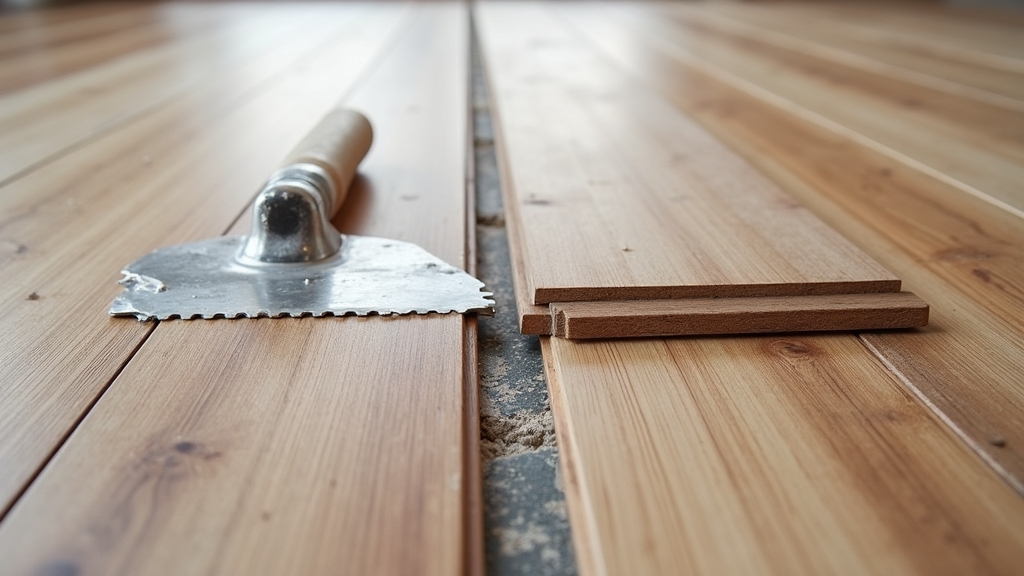
When damage occurs to your luxury vinyl plank (LVP) flooring, understanding the specific repair procedures and challenges for each installation type is essential to maintaining its seamless appearance and structural integrity.
For glue down LVP, you can remove and replace individual planks with adhesive. However, be prepared for labor-intensive glue removal and potential subfloor damage. Matching colors and removing adhesive residue require care and often professional help.
This method is generally preferred for high traffic commercial environments due to its dimensional stability. Proper cleaning and maintenance after repair help preserve the adhesive bond and prevent issues like warping or swelling.
With floating LVP, loose lay planks lift easily for quick replacement without tools, minimizing disruption. However, click lock floating systems complicate repairs. You must remove multiple planks row by row to reach damage, risking locking mechanism damage and misalignment.
Ensuring precise cleaning of the locking surfaces before reinstallation is important to maintain seamless appearance. Precise reinstallation is vital to avoid visible seams and uneven surfaces in all cases.
Design Flexibility and Aesthetic Appeal
If you want your flooring to reflect a high level of craftsmanship and design sophistication, glue-down LVP offers unmatched flexibility and aesthetic appeal.
It allows you to create intricate patterns like herringbone, parquet, or custom medallions, giving your space a personalized, high-end look. The adhesive bond guarantees a seamless surface with minimal visible seams, enhancing visual continuity and mimicking real hardwood or tile convincingly.
Consider these design advantages of glue-down LVP:
- Complex layouts and patterns are achievable, unrestricted by plank orientation.
- Superior visual continuity with a flush, professional finish.
- Customization options let you mix plank widths, colors, and materials for a tailored design.
Floating LVP limits your creativity, favoring straightforward, linear installations and less authentic appearance. Proper maintenance, including regular cleaning with gentle attachments, helps preserve the floor’s finish and appearance over time.
Suitability for Different Spaces
Understanding warranty coverage helps protect your investment, but choosing the right type of luxury vinyl plank (LVP) also depends heavily on where you plan to install it.
Choosing the right luxury vinyl plank depends on your installation location to protect your investment.
Glue-down LVP excels in high-traffic commercial spaces and moisture-prone areas due to its superior stability and permanent bond.
Additionally, because glue-down LVP is easier to replace damaged planks, it offers practical advantages in maintenance. Proper maintenance, such as regular cleaning and immediate spill cleanup, further enhances its durability in these environments.
Conversely, floating LVP suits residential settings and DIY projects, offering easier installation and flexibility. Consider these key points:
- Glue-down LVP is ideal for commercial areas with heavy foot traffic, providing durability and professional-grade adhesion.
- Floating LVP fits residential environments, accommodating minor subfloor imperfections and allowing straightforward repairs.
- Subfloor conditions influence your choice; glue-down demands a clean, level base, while floating tolerates slight unevenness and expands with moisture. Controlling moisture levels is essential to prevent damage and maintain floor integrity.
Choosing the Right Option for Your Needs
When selecting between glue-down and floating LVP, you’ll want to weigh factors like budget, installation complexity, and the intended space’s demands.
If you prefer a cost-effective, DIY-friendly option with quicker installation, floating LVP is ideal. It tolerates minor subfloor imperfections and allows easier plank replacement.
However, if you seek superior stability and commercial-grade durability for high-traffic or demanding areas, glue-down LVP offers a firmer bond with minimal movement.
Keep in mind, glue-down requires professional installation and a pristine subfloor, increasing upfront costs and installation time. Both options provide long-lasting beauty and similar maintenance.
Frequently Asked Questions
Can Glue-Down LVP Be Installed Over Existing Flooring?
Yes, you can install glue-down LVP over existing flooring, provided the surface is clean, level, and structurally sound. You’ll need to thoroughly prepare the floor by removing debris and possibly sanding uneven areas.
Applying glue with a trowel ensures a strong bond, and weighting the planks helps the adhesive cure properly. Just remember, moisture testing and vapor barriers may be necessary to protect your new floor and ensure long-lasting beauty.
How Long Does Glue-Down Adhesive Take to Cure Fully?
Patience is a virtue, especially with glue-down adhesive for LVP. Typically, it takes 3-5 days to fully cure under standard conditions.
However, factors like adhesive type, humidity, and temperature can speed or slow this process. Urethane-based adhesives may cure in 12-20 hours in warm, humid environments, while acrylic latex types often need around 24 hours.
Is Floating LVP Suitable for Basement Installations With Moisture Concerns?
Yes, floating LVP is ideal for basements with moisture concerns. It’s made from waterproof materials that resist swelling and warping. The click-lock design creates a tight seal against water seepage.
You should install a moisture barrier or underlayment over your concrete slab to protect against ground moisture. With proper subfloor prep and expansion gaps, floating LVP maintains durability and aesthetic appeal even in humid, moisture-prone environments.
Can Radiant Floor Heating Systems Be Used With Glue-Down or Floating LVP?
Think of radiant floor heating as a gentle sun warming your feet. You can definitely use it with both glue-down and floating LVP, but you’ll need to verify your product’s specs carefully.
Floating LVP is often preferred because it flexes with heat changes, while glue-down requires heat-resistant adhesives.
Keep temperatures below 85°F to avoid damage, follow installation guidelines precisely, and maintain expansion gaps to ensure your floor stays flawless and comfortable.
Are There Environmental Differences Between Glue-Down and Floating LVP Products?
You’ll notice environmental differences mainly come from installation and disposal.
Glue-down LVP uses adhesives that emit VOCs during and after installation, potentially impacting indoor air quality more than floating LVP, which locks together mechanically.
Floating LVP allows easier replacement, possibly reducing waste over time. Both rely on PVC, raising sustainability concerns, and neither is easily recyclable.
Choosing low-VOC, certified products and eco-conscious brands is key to minimizing your environmental impact.
Finding the Right Balance for Your Flooring Needs
Now that you’ve seen how glue-down and floating LVP differ in durability, cost, and design, the choice might seem straightforward. Yet it’s not. Which installation method truly fits your space, lifestyle, and vision?
The decision you make will shape your floor’s beauty and longevity for years to come. Don’t rush it; consider every detail carefully. The perfect LVP solution is waiting just beyond the surface.
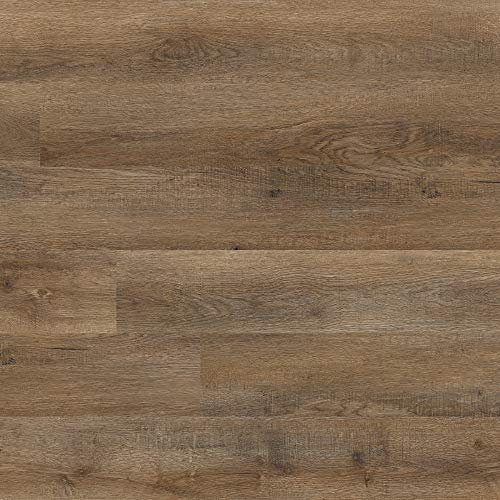
- LUXURY VINYL FLOOR TILES: For use indoors and in temperature-controlled environments only, MSI…
- SCRATCH & ABRASION RESISTANT: 2.5MM Thick and 20MIL Wear Layer, Scratch- Stain- and Dent-resistant…
- WATER RESISTANT & EASY CLEAN: Super easy to clean, tiles are water resistant. Life in the family…
- 【Ultra-Durable & Pet-Friendly】With a 0.3mm wear layer tested over 15,000 abrasion cycles, this…
- 【100% Waterproof Rigid Core Construction】Built with a 3.2mm sturdy SPC core (a dense mix of PVC…
- 【Built-in Sound Absorption & Comfort Underfoot】Enjoy a quieter home with the attached 1.0mm IXPE…
Last update on 2026-10-13 / Affiliate links / Images from Amazon Product Advertising API