
Metal Buildings Vs Wood Buildings: Cost & Value Compared
When choosing between metal and wood buildings, you’ll find metal offers greater durability, superior fire resistance, and consistent structural strength with less maintenance.
Metal resists moisture, pests, and warping, cutting long-term repair costs and insurance premiums. Although wood may have a lower initial price, metal’s faster installation and lifecycle savings often provide better value.
Understanding these factors helps you decide which material suits your project goals, ensuring sound investment and performance over time.
Key Takeaways
- Metal buildings offer greater structural strength, allowing longer spans and fewer supports compared to wood’s variable strength and rigidity.
- Wood provides traditional aesthetic appeal and acts as a carbon sink, while metal has a more industrial look and higher embodied energy.
- Metal resists moisture, pests, and fire better than wood, resulting in lower maintenance and enhanced safety over the building lifespan.
- Initial costs for wood may be lower, but metal reduces labor, repair expenses, and insurance premiums, offering better lifecycle economics.
- Steel structures are lighter and more durable, reducing foundation stress and maintenance needs versus wood’s susceptibility to warping and decay.
Metal vs Wood Buildings: Side-by-Side Comparison
| Feature | Metal Buildings | Wood Buildings |
|---|---|---|
| Durability | Highly resistant to moisture, pests, rot, and warping | Susceptible to rot, termites, and moisture damage |
| Structural Strength | High strength-to-weight ratio, supports longer clear spans | Strength varies by species; requires more support beams |
| Fire Resistance | Non-combustible, reduces fire risk and insurance costs | Combustible; structural integrity weakens quickly under fire |
| Maintenance Needs | Low maintenance, minimal annual upkeep | Requires frequent sealing, painting, and treatments |
| Initial Cost | Slightly higher upfront cost | Generally lower initial price |
| Long-Term Cost | Lower lifecycle expenses and repair costs | Higher maintenance and repair expenses over time |
| Installation Speed | Faster construction with prefabricated components | Longer build time and more labor-intensive |
| Environmental Impact | Recyclable materials, long lifespan | Renewable resource but linked to deforestation concerns |
| Resale Value | Often higher due to durability and safety benefits | Depends heavily on condition and maintenance history |
Metal vs Wood Buildings: Which Is Right for You?

When deciding between metal and wood buildings, what factors matter most to you?
Choosing between metal and wood buildings starts by identifying your key priorities and project needs.
Consider your priorities around structural requirements, maintenance, and long-term performance.
Metal buildings offer high strength-to-weight ratios, allowing for larger open spaces with fewer supports, which is critical for certain architectural designs.
They require minimal upkeep, typically just annual rinsing, reducing labor and material costs over time.
Wood structures often appeal due to initial lower costs and traditional aesthetics but demand frequent sealing and treatment to prevent deterioration.
Additionally, wood’s variable strength depends on species and quality, introducing inconsistency.
Your choice hinges on balancing upfront expenses with maintenance demands and structural needs.
It is also important to consider the environmental impact of each material, as wood can act as a carbon sink while metal production involves significant energy use.
Durability Comparison: Metal vs Wood
When it comes to durability, metal buildings really stand out. One major advantage is their moisture resistance. Unlike wooden structures, which can easily fall victim to rot, mold, and pesky insects, metal buildings keep those issues at bay.
This means they last longer, especially when faced with harsh environmental conditions like storms and high humidity. To further protect metal buildings, applying a waterproof sealant can create an additional barrier against moisture intrusion.
Moisture Resistance Benefits
Frequently overlooked in building material selection, moisture resistance plays a critical role in long-term durability.
When you choose metal buildings, especially galvanized steel, you effectively eliminate risks like rot, mold, and termite damage that wood is prone to due to moisture absorption.
Wood naturally absorbs water, leading to warping, cracking, and eventual decay, which compromises structural integrity over time.
Steel’s galvanized coating prevents moisture penetration and oxidation, maintaining strength and shape with minimal degradation.
This means you spend less on repairs and maintenance related to water damage.
Additionally, metal’s resistance to moisture reduces the likelihood of mold growth, improving indoor air quality and safety.
In contrast, wood requires frequent treatments and sealing to maintain moisture resistance, making metal a technically superior choice for durability in moisture-prone environments.
Fire-retardant treated wood, while offering some protection against rot and mold, still requires additional sealing to prevent water damage and maintain its integrity over time.
Longevity Under Harsh Conditions
Beyond moisture resistance, the overall durability of your building material materially affects its lifespan under harsh conditions.
Metal buildings, especially those constructed with galvanized steel, offer superior longevity by resisting rot, termites, mold, and water damage that commonly degrade wood.
Steel withstands extreme weather, seismic activity, and fire without structural compromise, whereas wood absorbs moisture, leading to warping, cracking, and decay.
This susceptibility markedly shortens wood’s effective service life. Additionally, steel’s minimal degradation over decades guarantees consistent performance with reduced maintenance.
When harsh environmental factors like heavy snow, high winds, and natural disasters challenge your structure, metal flexes and endures while wood’s rigidity and variable strength create vulnerabilities.
Opting for metal means your building will maintain integrity and safety far longer, providing a better return on investment and reduced lifecycle costs compared to wood construction.
Incorporating fire sprinklers within metal buildings further enhances safety by minimizing fire damage and reducing injury risks.
Structural Strength: Metal vs Wood
When it comes to load-bearing capacity, steel really takes the lead over wood. You can create larger open spaces with far fewer supports when using steel. Plus, it has this amazing flexibility when under stress, which means it can handle dynamic forces like high winds or heavy snow without cracking. Pretty impressive, right?
On the flip side, wood has its own set of strengths, but it’s a bit of a mixed bag depending on the species. It tends to be more rigid, which can actually increase the risk of structural failure when things get extreme.
So, while wood might’ve its charm, when it comes to heavy-duty performance, steel is often the way to go. Additionally, hardwood species and material selection greatly influence wood’s durability and strength in construction.
Load Bearing Capacity
When evaluating load bearing capacity, steel clearly outperforms wood due to its superior structural integrity and consistent strength.
You’ll find steel supports larger loads with less material, enabling longer spans and fewer columns. Wood’s load capacity varies by species and moisture content, creating inconsistencies.
Steel’s predictable strength guarantees safer, more efficient designs, especially for heavy industrial or commercial use.
Engineered hardwood with a plywood core offers variable strength depending on ply quality, which can affect load-bearing performance.
| Property | Steel | Wood |
|---|---|---|
| Load Capacity | High, consistent | Variable, species-dependent |
| Span Capability | Long clear spans possible | Limited by beam length |
| Structural Weight | 30-50% lighter for same load | Heavier, requires more support |
Choosing steel leads to optimized load-bearing performance and structural reliability.
Flexibility Under Stress
Steel’s superior load-bearing capacity naturally leads to examining how each material handles stress from environmental forces.
When subjected to high winds, heavy snow, or seismic activity, steel flexes without compromising structural integrity. It absorbs and dissipates energy efficiently.
Wood, however, is rigid and less forgiving under stress, increasing the risk of cracking or failure. Its strength also varies depending on species, causing inconsistent performance.
Because steel buildings weigh 30-50% less than equivalent wood structures, they impose less load on foundations, reducing stress concentrations.
This flexibility under stress makes steel ideal for large, open spaces requiring fewer support beams. In contrast, wood’s limited flexibility can necessitate additional reinforcement, increasing complexity and cost.
Consequently, if you prioritize resilience and adaptability under dynamic loads, steel outperforms wood decisively.
Additionally, choosing wood with superior dimensional stability can improve resistance to warping and shrinkage under environmental changes.
Cost Comparison: Metal vs Wood Buildings
Although wood buildings generally present a slightly lower initial cost per square foot, metal structures offer significant savings in labor and long-term maintenance.
You’ll find steel framing costs about 5% more upfront, but labor expenses can drop by up to 50% due to faster truss installation.
Over time, wood’s susceptibility to rot, warping, and pest damage drives repair and renovation costs well beyond steel’s initial premium.
Additionally, steel’s lighter weight reduces foundation requirements, yielding indirect cost benefits.
Insurance discounts often apply to metal buildings because of their resistance to fire and natural disasters, further improving overall affordability.
When evaluating budgets, you should factor in these quantitative labor efficiencies and lifecycle expenses, as metal construction provides a more cost-effective solution despite a marginally higher start-up investment.
Moreover, using materials with built-in moisture barriers in construction can further enhance durability and reduce maintenance in metal buildings.
Maintenance: Metal vs Wood Buildings
Beyond upfront and long-term costs, maintenance demands markedly influence the overall value of metal versus wood buildings.
Maintenance requirements significantly impact the true value comparison between metal and wood buildings.
When you choose metal, expect minimal upkeep. Typically, just rinsing 1-2 times annually suffices.
Galvanized steel resists moisture penetration and oxidation, preventing splitting, rotting, or warping common in wood.
Additionally, steel roofs and components often carry warranties lasting 40-50 years, reducing your maintenance liabilities substantially.
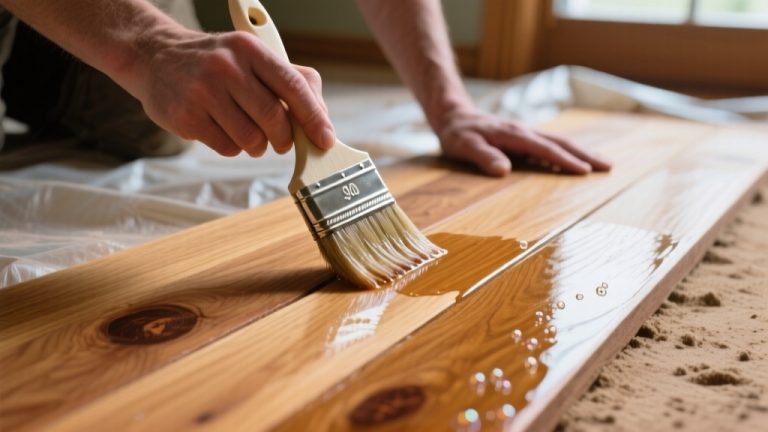
Conversely, wood requires frequent painting, sealing, and treatments to protect against environmental damage and pests.
These tasks incur high labor and material costs over time, increasing your total maintenance burden. Fire retardant treated wood offers enhanced safety by slowing combustion, but it still requires maintenance to preserve its fire resistance properties.
Fire Resistance: Metal vs Wood
While wood ignites easily and compromises structural integrity, metal remains non-combustible and markedly reduces fire risk.
When you choose metal for your building, you enhance safety by preventing rapid fire spread and structural collapse.
Steel retains strength under extreme heat, protecting both occupants and assets.
In contrast, wood’s combustibility can lead to catastrophic failure.
Consider these fire resistance advantages of metal over wood:
- Non-combustibility prevents ignition and slows fire progression
- Maintains structural integrity during fire exposure
- Lowers insurance premiums due to reduced fire risk
- Resists post-fire issues like mold or pest infestation
Additionally, integrating a fire suppression system can further enhance metal buildings’ fire protection by rapidly controlling specific fire types before they spread.
Choosing the Right Building Material for Your Project
When selecting the right building material for your project, you must weigh factors such as durability, strength, cost, maintenance, fire resistance, and environmental impact.
Metal buildings offer superior durability, resisting rot, termites, and moisture damage. They also provide greater structural integrity with lighter weight.
Although wood may have a lower initial cost, steel reduces labor expenses and lifetime repairs.
Maintenance demands are minimal for metal, contrasting with wood’s frequent sealing and painting.
Steel’s non-combustible nature enhances fire safety and lowers insurance costs.
Environmentally, steel’s recyclability and reduced site disruption outweigh wood’s deforestation concerns.
Frequently Asked Questions
How Do Metal and Wood Buildings Affect Indoor Temperature Regulation?
You’ll find metal buildings conduct heat more rapidly, which can cause indoor temperatures to fluctuate without proper insulation.
Wood naturally insulates better, slowing heat transfer and maintaining steadier indoor temperatures.
However, with advanced insulation techniques, metal structures can effectively regulate temperature, minimizing heat gain or loss.
Can Metal Buildings Be Customized With Different Architectural Styles?
Yes, you can customize metal buildings with various architectural styles.
Modern steel framing offers flexibility due to its strength and clear-span capabilities. This allows you to create open layouts and complex designs.
You’re not limited by traditional wood framing constraints.
Plus, metal panels come in multiple finishes, colors, and textures, enabling a tailored aesthetic. Incorporating additional materials like glass, masonry, or wood accents further expands your design possibilities efficiently and structurally sound.
What Are the Noise Levels Like Inside Metal Versus Wood Buildings?
Imagine a drum echoing in a canyon. That’s often how metal buildings sound without proper insulation.
You’ll notice metal structures tend to amplify noise, especially rain or wind, due to their reflective surfaces.
Wood buildings absorb sound better, offering quieter interiors.
However, by adding soundproofing materials like insulation and acoustic panels, you can effectively reduce noise in metal buildings.
This can achieve comparable tranquility to wood structures. You’ve got control through smart design choices.
How Do Metal and Wood Buildings Impact Property Resale Value?
You’ll find that metal buildings often enhance property resale value due to their durability, low maintenance, and fire resistance.
These features appeal to buyers seeking long-term savings and safety.
Wood structures may initially attract buyers with traditional aesthetics but can deter those concerned about ongoing upkeep, pest damage, and structural longevity.
Ultimately, metal’s superior strength and minimal depreciation often translate to higher market value and better insurance terms, benefiting your investment.
Are There Environmental Certifications Specific to Metal or Wood Buildings?
When it comes to environmental certifications, you’ll find wood buildings often qualify for FSC (Forest Stewardship Council) certification, ensuring sustainable forestry practices.
Metal buildings typically pursue certifications like LEED (Leadership in Energy and Environmental Design), addressing energy efficiency and recycled content.
Both materials can meet rigorous standards, but you’ll want to analyze project-specific criteria to align with certifications.
Think of these credentials as a compass guiding your eco-conscious construction choices precisely.
Ready to Choose? Metal Buildings vs Wood Buildings Decoded
When deciding between metal and wood buildings, remember that “a stitch in time saves nine.” Metal offers superior durability, fire resistance, and lower maintenance, making it ideal for long-term projects.
Wood, however, provides natural insulation and aesthetic warmth but requires more upkeep. By carefully analyzing your project’s specific needs and budget, you’ll choose the material that balances strength, cost, and maintenance best.
This ensures a solid foundation for your investment.