How to Get Scuff Marks off Laminate Floors?
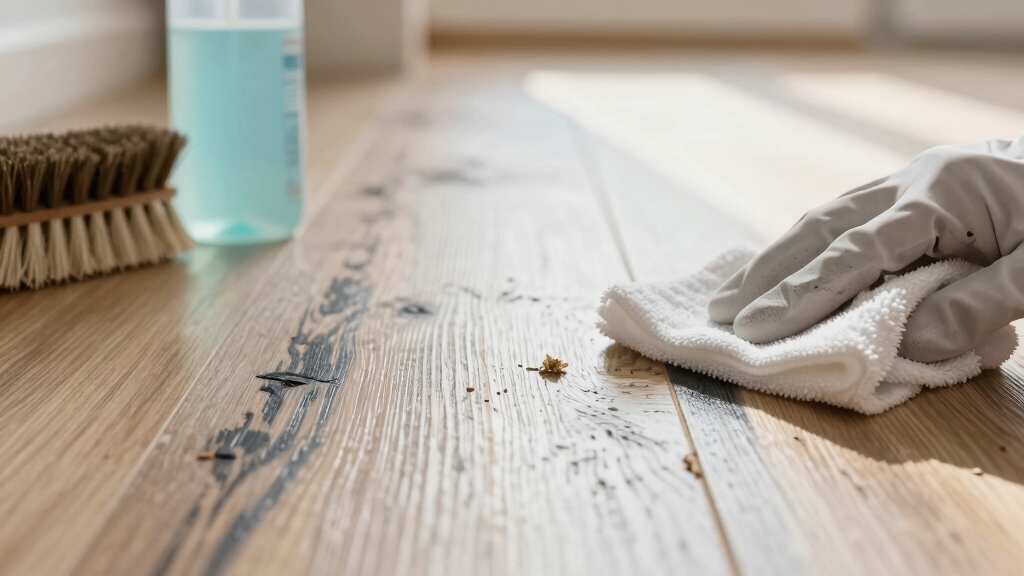
To get scuff marks off laminate floors, dampen a microfiber rag slightly and gently rub the marks in circular motions.
For tougher spots, use a soft eraser or a magic eraser pad carefully.
You can also buff marks with a tennis ball or try applying a bit of WD-40 followed by a vinegar-water wipe.
Avoid harsh chemicals or soaking the floor to prevent damage.
Keep these methods in mind, and you’ll find smarter ways to maintain your laminate’s finish.
Key Takeaways
- Use a slightly damp microfiber rag with gentle circular motions to lift scuff marks without damaging laminate floors.
- Gently rub scuff marks with a soft rubber eraser or magic eraser pad, testing first to avoid color transfer or surface damage.
- Apply WD-40 on a paper towel for tough black scuffs, then clean residue with a water and vinegar solution.
- Avoid harsh chemicals and abrasive tools that can damage laminate surfaces and void warranties.
- Prevent scuffs by using felt pads on furniture legs and avoiding wearing shoes indoors.
Using a Microfiber Rag to Remove Scuff Marks on Laminate Floors
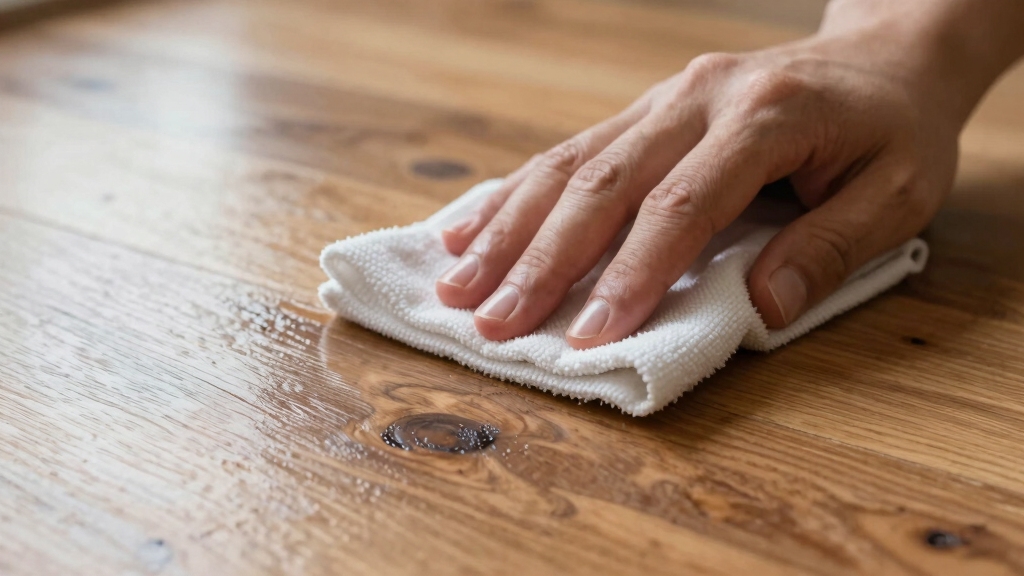
Start by dampening a microfiber rag on one corner.
Make sure it’s only slightly damp, not soaking wet, to tackle scuff marks on your laminate floor.
Wring out excess water thoroughly before use to avoid water damage.
Apply gentle circular motions over the scuff mark with the dampened corner, focusing on the affected area.
This method loosens the mark without harsh abrasion.
Once the scuff lifts, flip to the dry end of the rag and absorb any remaining moisture from the floor.
For tougher marks, you can substitute plain water with a laminate surface cleaner on the rag.
Avoid saturating the surface.
This careful approach preserves your floor’s finish while effectively removing scuffs, maintaining the laminate’s integrity and sheen.
Using pH-balanced cleaners helps lift grime without damaging the floor’s appearance.
Erasers and Magic Eraser Pads for Laminate Scuff Removal
You’ll often find that using soft pink or white erasers effectively removes scuff marks from laminate floors without causing damage.
Before applying, test the eraser on paper to make certain no color transfer. Use light pressure to gently rub the scuff mark, avoiding excessive force that could harm the surface.
For tougher marks, a magic eraser pad works well by gradually rubbing the affected area. Change the pad’s spot frequently to maintain cleaning effectiveness and prevent spreading dirt.
Both erasers and magic erasers offer a simple, chemical-free solution that targets scuff marks directly. Remember to clean the floor afterward to remove any residue left behind.
This method is reliable, safe, and convenient for routine laminate floor maintenance. For best results, use a microfiber cloth to clean the floor afterward, as it effectively removes dust and residue without scratching.
Buffing Scuff Marks With Tennis Balls and Rubber Erasers
Buff scuff marks from laminate floors by rubbing them gently with a tennis ball or a rubber eraser. Both tools offer a mild abrasive action that lifts marks without damaging the surface.
Use light pressure to avoid wear. Test erasers on paper first to prevent color transfer.
A tennis ball’s coarseness effectively buffs marks, and attaching one to a broom handle can streamline cleaning during sweeping.
- Choose a soft pink or white rubber eraser for safe, effective buffing.
- Apply gentle, circular motions with the tennis ball or eraser directly on scuffs.
- Work the spot until the mark disappears, avoiding excessive force.
- Incorporate the tennis ball method into regular cleaning as preventive maintenance.
This method restores laminate floors efficiently and preserves their finish. For best results, consider following up with a residue-free cleaner to maintain the floor’s shine and protect its surface.
Chemical Solutions for Black Scuff Marks on Laminate Flooring
When black scuff marks show up on your laminate flooring, chemical solutions can quickly break them down without harming the surface.
Start by applying WD-40 on a clean paper towel and gently rubbing the marks. Once removed, clean the area with a water and vinegar mixture to eliminate any oily residue.
Alternatively, dab a small amount of toothpaste on the marks, then wipe away with the same water and vinegar solution.
Avoid harsh chemicals and abrasive tools, as they can damage the laminate and void warranties.
Using these controlled chemical approaches guarantees effective scuff removal while preserving your floor’s finish and longevity.
For ongoing care, consider using a vacuum with soft brush strips designed for delicate flooring to prevent scratches and maintain your laminate’s appearance.
Preventing and Maintaining Laminate Flooring
Chemical treatments can tackle existing scuff marks effectively. However, preventing new ones is the best way to keep your laminate flooring looking pristine.
You’ll extend your floor’s lifespan and maintain its warranty by adopting simple habits. Here’s how to protect and maintain your laminate flooring:
- Avoid wearing shoes indoors to reduce black sole and heel scuffs.
- Attach felt pads to furniture legs to prevent dragging marks.
- Clean regularly with damp microfiber cloths and avoid harsh chemicals.
- Use low-impact cleaning tools and avoid abrasive pads or scrapers.
- Incorporate microfiber mops/dusters into your routine to efficiently remove dust without damaging the floor’s surface.
Frequently Asked Questions
Can Scuff Marks on Laminate Floors Be Removed Using Household Vinegar Alone?
No, household vinegar alone won’t effectively remove scuff marks from laminate floors.
While vinegar is great for cleaning residue, it doesn’t break down the marks themselves.
Instead, you should use vinegar diluted with water after applying a chemical treatment like WD-40 or toothpaste to remove scuffs.
Afterward, wipe the area with the vinegar solution to eliminate any leftover residue without damaging your flooring.
This two-step approach works best.
Are There Specific Brands of Laminate Flooring More Prone to Scuff Marks?
You won’t find specific laminate brands widely acknowledged as more prone to scuff marks because durability varies by product line and wear layer thickness.
Instead, focus on the wear layer rating. Higher AC ratings (AC3 to AC5) offer better resistance.
Cheaper, thinner laminates with lower AC ratings tend to scuff more easily.
How Often Should Laminate Floors Be Cleaned to Prevent Scuff Buildup?
You should clean your laminate floors at least once a week to prevent scuff buildup. Regular sweeping or vacuuming removes dirt and grit that cause marks.
Spot clean scuffs immediately using microfiber rags or gentle erasers to avoid permanent damage. For high-traffic areas, consider more frequent cleaning and preventive measures like felt pads on furniture.
Consistent care preserves your floor’s appearance and extends its lifespan without risking damage from harsh methods.
Can Pets Cause Scuff Marks on Laminate Flooring, and How to Prevent Them?
Yes, pets can cause scuff marks on laminate flooring, especially from their nails or playful running.
To prevent this, keep your pet’s nails trimmed regularly and use rugs or mats in high-traffic areas.
You can also apply felt pads to furniture legs to avoid dragging marks.
Regularly clean the floors to reduce dirt buildup, which can increase scratching.
Taking these steps helps maintain your laminate’s appearance and durability.
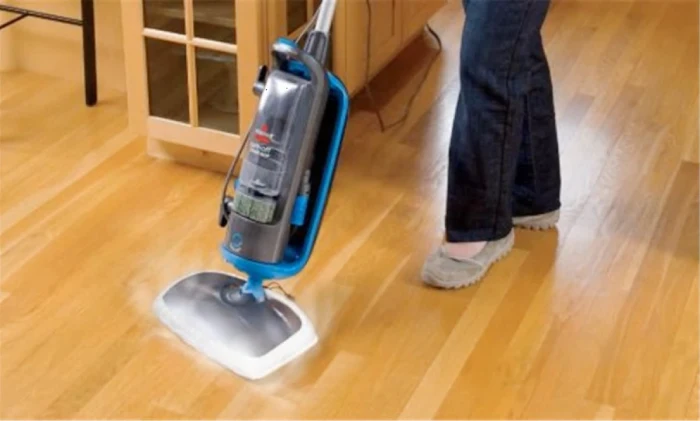
Is It Safe to Use Steam Mops for Cleaning Scuff Marks on Laminate Floors?
Imagine steam rising and seeping into every groove of your laminate floor.
You shouldn’t use steam mops on laminate floors because the moisture can warp and damage the surface.
Instead, opt for a damp microfiber rag or gentle eraser techniques to tackle scuff marks.
These methods clean effectively without risking your floor’s integrity.
Keep your laminate looking pristine by avoiding excessive water and harsh treatments that could ruin its finish.
Keep Laminate Floors Looking New With Simple Habits
You might’ve heard that rubbing a tennis ball removes scuff marks, and it actually works because the ball’s texture gently buffs without damaging laminate.
Combining this with microfiber cloths or magic erasers gives you a reliable, chemical-free approach.
For tougher marks, safe chemical solutions help restore your floor’s shine.
Regular maintenance and quick clean-ups prevent buildup, keeping your laminate looking fresh longer.
With these methods, you’ll confidently tackle scuffs and preserve your floors effectively.