How Long Will a Deck Last Without Stain?
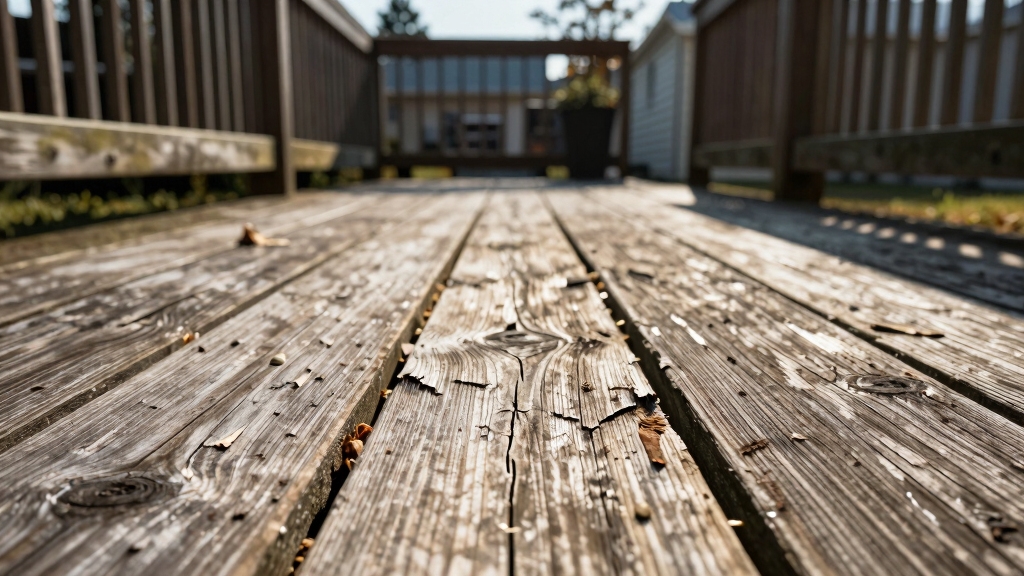
You can expect an unstained wood deck to last between 10 and 20 years, depending on the wood type and upkeep.
Pressure-treated pine typically holds up around 15–20 years, while cedar or redwood may last longer due to natural rot resistance.
Regular maintenance, like sweeping and inspection, can slow damage but won’t fully protect against moisture and sunlight.
Proper staining doubles lifespan and shields wood from wear. Understanding these factors will help you make the best deck choices.
Key Takeaways
- Unstained wood decks typically last 10–30 years depending on wood type and maintenance quality.
- Pressure-treated pine decks without stain last about 15–20 years before significant deterioration.
- Untreated pine decks usually last less than 10 years when not stained or maintained.
- Cedar and redwood decks resist decay naturally and often last 15–20 years or more unstained.
- Lack of stain accelerates damage from moisture and UV exposure, reducing deck lifespan significantly.
How Long Does an Unstained Deck Typically Last?

Typically, an unstained wooden deck lasts between 10 and 30 years depending on the wood type and maintenance.
An unstained wooden deck can last 10 to 30 years, influenced by wood type and care.
If you choose pressure-treated pine, expect about 15 to 20 years of durability without stain.
Cedar and redwood naturally resist decay and insects, often lasting 15 to 20 years or more.
The structural supports beneath your deck can also hold up for 10 to 30 years, provided you keep them dry and inspect regularly.
To maximize your deck’s life without stain, you’ll need to sweep weekly, wash twice a year with mild soap, and remove debris promptly to prevent moisture buildup.
Cedar’s natural oils provide insect resistance that helps prolong the wood’s lifespan.
How Staining Doubles Your Deck’s Lifespan?
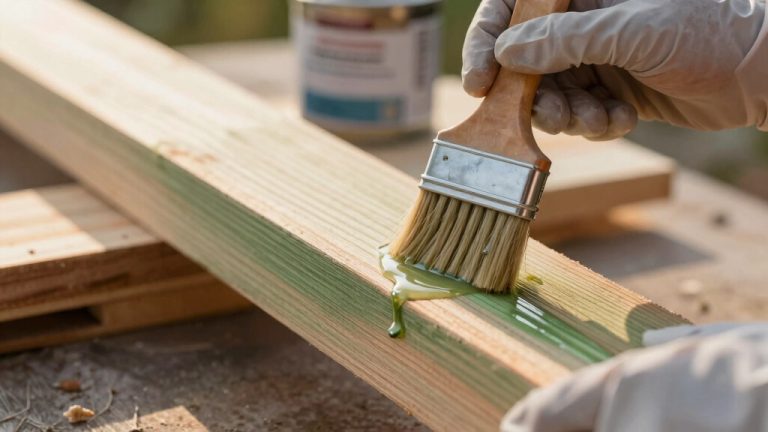
You know, if you want to double your deck’s lifespan, applying stain regularly is the way to go.
It’s like giving your deck a nice protective coat that shields it from harmful UV rays, which can really wreak havoc over time.
Now, picking the right stain is super important, and don’t forget to keep up with maintenance every 2-3 years.
This helps keep moisture at bay and makes sure your wood stays strong.
Staying on top of this routine is crucial!
Trust me, it’s the best way to ensure your deck lasts way longer than those poor, unstained ones.
Be sure to apply stain only after the wood is fully dry to avoid trapping moisture and causing peeling, which is a common problem with premature sealing seal timing.
Stain Extends Deck Life
When you stain your deck every 2-3 years, you create a barrier that resists moisture and slows wood deterioration.
This barrier also helps prevent decay caused by water absorption, a major factor in wood damage.
Staining enhances the wood grain, making cleaning easier and reducing the buildup of harmful debris.
According to the Journal of Coatings Technology, proper staining can extend your deck’s life by up to 200%.
This means a well-stained deck can last 30 years or more.
Without stain, your deck is vulnerable to faster wear.
Regular staining greatly boosts durability and keeps your deck looking great longer.
Using finishes with UV inhibitors helps maintain color and structural integrity over multiple seasons.
UV Protection Benefits
UV rays consistently cause significant damage to wooden decks by breaking down the wood fibers and fading the color.
When you stain your deck, you create a barrier that absorbs and reflects these harmful rays, preventing that damage.
This UV protection is essential because it slows wood degradation, preserving both strength and appearance.
Stains with UV blockers can double your deck’s lifespan, often extending it beyond 30 years compared to 10-15 years unstained.
Besides protection, staining enhances wood grain and makes cleaning easier.
By choosing a quality stain and applying it every 2-3 years, you’ll shield your deck from sunlight’s harsh effects.
This simple step reduces cracking, splintering, and discoloration, keeping your deck looking great and lasting longer.
For added moisture resistance, consider applying water-based polyurethanes to further protect your deck’s surface.
Maintenance Frequency Importance
Keeping your deck in top shape requires more than just applying a quality stain with UV blockers. You need to maintain it regularly to truly extend its life.
Staining every 2-3 years creates a protective barrier against moisture and sunlight, which are the main culprits of wood damage. Without this protection, your deck’s lifespan can be cut in half.
Regular maintenance also means sweeping debris weekly, washing with mild soap twice a year, and inspecting for rot or loose boards. These steps prevent moisture buildup and structural damage.
Additionally, using finishes with UV-cured protective layers can significantly enhance durability and reduce the frequency of required maintenance.
Wood Types That Affect Unstained Deck Lifespan
Choosing the right wood can materially impact how long your unstained deck lasts. Cedar and redwood naturally resist decay and insect damage, giving you 15 to 20 years or more without stain.
Pressure-treated pine is a more affordable option, typically lasting 15 to 20 years unstained, thanks to its chemical treatment that deters rot. Keep in mind, untreated pine usually lasts less than 10 years when left unstained.
The wood you pick influences durability markedly, so opt for materials known for resilience if you prefer skipping stains. While all wood decks may range between 10 and 30 years, selecting decay-resistant types like cedar or redwood ensures your deck stands up better to moisture and sunlight, extending its natural lifespan without extra protection. Cedar’s natural oils and hydrophobic compounds significantly enhance its rot resistance and insect repellence, making it an excellent choice for outdoor projects.
Maintenance Tips to Extend Your Unstained Deck’s Life
After selecting a durable wood like cedar or redwood for your unstained deck, regular upkeep plays a big role in extending its lifespan.
Choosing sturdy wood like cedar or redwood is just the first step; consistent maintenance is key to longevity.
You’ll want to keep moisture and debris from causing damage by staying on top of maintenance.
Here are three key tips to help your deck last longer:
Sweep your deck weekly to prevent dirt and leaves from trapping moisture.
Wash it twice a year with mild soap and water to remove grime and mildew.
Inspect regularly for loose boards, rot, or insect damage. Address problems early to avoid costly repairs.
Applying mulch around your deck can help with moisture retention and protect the wood from excessive dampness.
Comparing Lifespans: Wood vs Composite and PVC Decks
When it comes to wood decks, if you decide to skip staining, you can expect them to last anywhere from 10 to 30 years. It really depends on the type of wood you choose and how well you take care of it.
Now, on the other hand, composite decks are a bit more durable. With regular maintenance, they usually last around 25 to 30 years.
And then we’ve PVC decks, which are the real champions in this comparison! They can last 50 years or even longer.
Proper maintenance is key to maximizing lifespan, especially since composite decking resists UV, moisture, rot, insects, and warping.
Wood Deck Lifespan
Longevity plays an essential role in deciding the best decking material for your home. Wood decks without stain typically last between 10 and 30 years, depending on the type of wood and the maintenance you provide.
For example, pressure-treated pine usually endures 15-20 years, while cedar and redwood resist decay for a similar period.
To help your wood deck last longer without stain, focus on:
Choosing durable wood species like cedar or redwood for natural resistance.
Keeping the deck clean with regular sweeping and mild washing to prevent moisture buildup.
Inspecting for early signs of rot or loose boards to address problems swiftly.
Ensuring proper moisture control around the deck’s foundation is essential to prevent wood deterioration.
Understanding these factors helps you manage your wood deck’s lifespan effectively, even without staining.
Composite And PVC Durability
Typically, composite and PVC decks outlast wood decks by a significant margin, offering durability that can exceed 25 to 50 years with proper maintenance.
Unlike wood, these materials resist moisture, rot, and insect damage, so you won’t need to stain or seal them regularly.
Composite decks generally last 25 to 30 years, while PVC decks can endure 50 years or more, making them a low-maintenance choice.
You’ll still want to clean them periodically to prevent mildew and dirt buildup, but they handle UV exposure better than wood.
If you prefer a deck that stays looking good longer with less upkeep, composite or PVC is a smart investment compared to wood, which usually requires more frequent staining and maintenance to reach 15 to 20 years.
Using protective solutions like non-slip furniture pads can enhance the longevity and safety of deck furniture placed on composite or PVC surfaces.
Environmental Factors That Shorten Deck Lifespan: Moisture and Sunlight
Although wooden decks can last many years without stain, exposure to moisture and sunlight markedly accelerates their deterioration.
Wooden decks endure years unstained, but moisture and sunlight significantly speed their wear and tear.
Moisture seeps into wood fibers, promoting rot, mold, and warping. Sunlight’s UV rays break down wood fibers, causing fading and surface cracking.
To protect your deck’s lifespan, consider these factors:
- Moisture Accumulation: Standing water or trapped debris increase wood’s exposure to moisture, speeding decay.
- Sunlight Exposure: Constant sun weakens wood’s surface, making it brittle and prone to splintering.
- Ventilation: Poor airflow under the deck traps humidity, worsening moisture damage.
Frequently Asked Questions
What Are the Best Tools for Cleaning an Unstained Deck?
The best tools for cleaning an unstained deck include a stiff-bristle broom to sweep off debris, a garden hose or pressure washer on low to rinse dirt, and a scrub brush with mild soap for deeper cleaning.
You’ll also want a bucket, gloves, and possibly a deck cleaner solution designed for wood. These tools help keep the deck free from moisture-trapping debris and prevent mold, extending its life naturally.
Can You Refinish an Unstained Deck Without Removing Old Stain?
You can refinish an unstained deck without removing old stain if the surface is clean and smooth.
Since your deck is unstained, you won’t have old stain to strip. Instead, focus on cleaning thoroughly, sanding rough spots, and repairing any damage.
Once prepped, apply your stain or finish directly. This guarantees better adhesion and protection, extending your deck’s life while enhancing its appearance.
How Does Deck Orientation Affect Its Longevity Without Stain?
Deck orientation impacts how much sun and moisture your wood faces, affecting its lifespan without stain.
If your deck runs east-west, it gets more direct sunlight, accelerating drying but also UV damage.
A north-south orientation exposes planks to more consistent shade and moisture retention, which can increase rot risk.
You’ll want to monitor moisture buildup and clean more often, especially if your deck lacks protective stain or sealant.
Are There Eco-Friendly Alternatives to Traditional Deck Stains?
Think of eco-friendly deck stains like gentle gardeners who nurture rather than harm. You can choose natural oils like linseed or tung oil, which soak in and protect wood without harsh chemicals.
Water-based stains with low VOCs are another green option, reducing toxins and odors. These alternatives shield your deck from sun and moisture while keeping the environment happy, blending sustainability with effective, practical maintenance.
What Safety Precautions Should Be Taken During Deck Maintenance?
When maintaining your deck, always wear gloves and safety goggles to protect your skin and eyes from chemicals and debris.
Use a mask if you’re sanding or power washing to avoid inhaling dust or mold.
Make sure the area is well-ventilated, and keep pets and children away during treatments.
Also, check your tools for damage before use to prevent accidents and follow product instructions carefully for safe application and disposal.
Protect Your Investment: Extend Deck Life the Smart Way
Without stain, your deck’s life is a fleeting whisper against time’s steady march. You can expect it to last only a few years before weather and wear take their toll.
But by staining and maintaining it, you’re not just preserving wood. You’re investing in years of enjoyment and beauty.
Remember, a little care today shields your deck from tomorrow’s damage. This turns a fragile surface into a lasting foundation for memories.