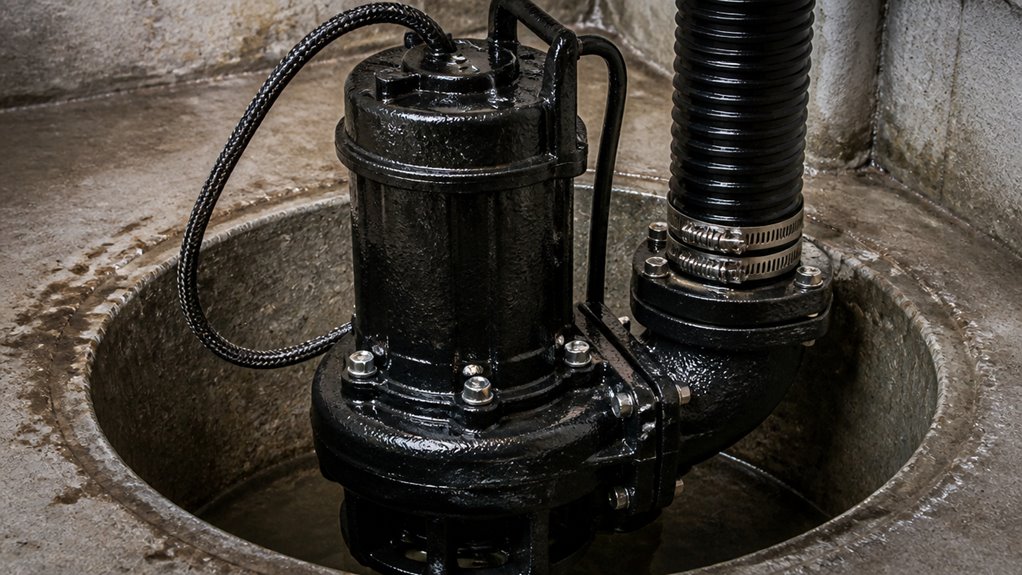
1/3 Vs 1/2 HP Sump Pump: Which One Do You Need?
Choosing between a 1/3 HP and 1/2 HP sump pump depends on your basement’s water inflow, vertical lift, and pipe layout.
A 1/3 HP pump handles about 51 GPM at a 10-foot lift, suitable for average conditions.
A 1/2 HP boosts flow to 64 GPM, managing higher lifts and heavier inflow more efficiently with less wear.
Matching pump capacity properly guarantees reliability and energy balance.
For a detailed comparison to optimize your system, keep exploring the factors involved.
Key Takeaways
- A 1/2 HP sump pump delivers about 35–40% more flow than a 1/3 HP pump at the same 10-foot lift.
- The 1/2 HP pump is better for higher vertical lifts, longer pipe runs, and heavier water inflow conditions.
- A 1/3 HP pump is sufficient for standard basements with moderate water tables and minimal elbow fittings.
- Both pumps have similar power draw, but the 1/2 HP reduces runtime under heavy inflow, improving durability.
- Oversizing slightly with a 1/2 HP pump prevents premature wear and ensures reliable performance under tougher conditions.
1/3 Vs 1/2 Hp Sump Pump Comparison Table
| Comparison Factor | 1/3 HP Sump Pump | 1/2 HP Sump Pump |
|---|---|---|
| Best For | Average basements with moderate water inflow | Larger basements or homes with heavier water inflow |
| Flow Rate | Around 51 GPM at 10-foot lift | Around 64 GPM at 10-foot lift |
| Water Removal Power | Good for standard residential use | Better for faster water removal during heavy rain |
| Lift Capacity | Works well with shorter vertical lifts | Handles higher lifts and longer discharge lines better |
| Runtime | May run longer during high inflow | Often runs for shorter cycles because of higher capacity |
| Energy Use | Slightly lower amp draw | Slightly higher amp draw, but may balance out with reduced runtime |
| Wear and Tear | Can wear faster if undersized for the job | May reduce strain in demanding conditions |
| Installation Fit | Suitable for typical sump pit setups | Better when the system has more head pressure |
| Risk of Oversizing | Lower risk for standard homes | Can be too much for very small pits if not matched properly |
| Best Choice When | Your basement has normal water levels and simple piping | Your home has heavy rain exposure, high water table, or long pipe runs |
How Flow Rates and Lift Affect 1/3 HP Vs 1/2 HP Pumps?

When comparing 1/3 HP and 1/2 HP sump pumps, flow rate and lift capacity critically determine their performance.
The 1/3 HP pump delivers approximately 51 gallons per minute at a 10-foot vertical lift. The 1/2 HP model pumps about 64 gallons per minute under the same conditions, representing a 35%-40% capacity increase.
You’ll find the 1/2 HP pump better suited for higher head pressures, combining vertical lift and pipe friction in longer discharge runs. Conversely, the 1/3 HP handles lifts up to 10 feet with minimal elbow fittings efficiently but may struggle with extended horizontal piping.
Flow rate is measured in gallons per hour at specific lift heights. Evaluating your system’s vertical and horizontal demands will help you understand which pump maintains peak hydraulic performance under actual site conditions.
Choosing Between 1/3 HP and 1/2 HP Sump Pumps
Selecting between a 1/3 HP and a 1/2 HP sump pump hinges on analyzing your basement’s water inflow rate, lift requirements, and discharge line configuration.
You’ll want a pump that matches or exceeds your peak inflow with a 10-20% margin. Consider vertical lift and pipe friction; 1/2 HP pumps handle higher lifts and longer runs more efficiently.
| Factor | 1/3 HP Pump |
|---|---|
| Flow Rate @ 10 ft | 51 GPM |
| Lift Capacity | Up to 10 ft with elbows |
| Power Consumption | 3.6 amps |
| Factor | 1/2 HP Pump |
| Flow Rate @ 10 ft | 64 GPM |
| Lift Capacity | 3-25 ft vertical/horizontal |
| Power Consumption | 3.7-3.8 amps |
Choose based on your system demands to avoid undersizing or premature wear. Proper maintenance, including draining procedures, can help ensure your pump operates efficiently and lasts longer.
Which Homes Need a 1/3 HP or 1/2 HP Pump?
To determine whether your home requires a 1/3 HP or 1/2 HP sump pump, start by evaluating the size of your basement, typical water table levels, and inflow rates.
If you have a standard-sized basement with an average water table and moderate inflow, a 1/3 HP pump is typically sufficient. It reliably pumps around 51 gallons per minute at a 10-foot lift.
However, if your basement is larger, the water table is above average, or inflow rates are higher, opting for a 1/2 HP pump makes sense.
It handles greater vertical lifts and longer discharge lines while pumping 35-40% more water—around 64 gallons per minute.
This guarantees efficient water removal under heavier conditions, reducing wear from constant cycling. Assess these factors carefully to match pump capacity to your home’s specific hydraulic demands.
To further protect your system, consider regular inspections and using waterproof sealant to prevent moisture damage around the sump pump area.
Sizing Your Sump Pump Correctly
Because proper sizing directly impacts performance and pump longevity, you must measure your sump pit’s diameter, depth, and fill rate accurately before choosing a pump.
Properly sizing your sump pump starts with precise measurement of pit dimensions and fill rate.
Start by timing how much the pit fills in 60 seconds to calculate gallons per minute inflow. Then multiply by 60 for gallons per hour demand.
Match the pump’s flow rate at your site’s vertical lift and pipe layout, factoring in friction losses and elbows.
For typical residential setups, a 1/3 HP pump handles 51 GPM at a 10-foot lift, while a 1/2 HP moves 64 GPM, providing a 10–20% buffer against peak inflow.
Avoid undersizing to prevent premature wear and overflow. Slight oversizing guarantees reliability without excessive power draw.
Accurate measurements and flow calculations are key to peak pump selection.
Also, performing regular maintenance ensures your sump pump operates efficiently and prevents unexpected failures.
Power Use: What to Expect From 1/3 HP and 1/2 HP Pumps?
Properly sizing your sump pump not only guarantees efficient water removal but also directly affects its power consumption.
A 1/3 HP pump typically draws about 3.6 amps. A 1/2 HP model uses slightly more, around 3.7 to 3.8 amps.
Despite the modest difference in current draw, the 1/2 HP pump moves 35-40% more water. This can reduce runtime under heavier inflow conditions, potentially balancing overall energy use.
Consider these points:
1/3 HP pumps consume less power but may run longer in high inflow scenarios, increasing wear.
1/2 HP pumps handle higher flow rates efficiently but require circuits that support slightly higher amps.
Energy consumption scales with runtime, so matching pump capacity to inflow optimizes power use and durability.
In cases where water backs up into fixtures like tubs during flushing, it may indicate a main sewer line clog, which requires prompt professional inspection and clearing to prevent damage.
Frequently Asked Questions
How Often Should I Service My 1/3 HP or 1/2 HP Sump Pump?
You should service your sump pump at least once a year, ideally before the rainy season.
Regular maintenance includes inspecting the pump, cleaning the sump pit, checking the float switch, and testing the discharge line for blockages.
If your pump runs frequently due to high water tables, consider servicing it twice a year.
Staying proactive helps prevent failures, extends pump life, and guarantees reliable performance during peak inflow conditions.
Can I Install a 1/2 HP Pump Myself or Should I Hire a Professional?
You can install a 1/2 hp sump pump yourself if you’re comfortable with basic plumbing and electrical work.
Make sure you assess your circuit capacity and follow local codes, especially since 1/2 hp units may need a dedicated circuit.
Properly measure pit dimensions, discharge line routing, and head pressure to guarantee performance.
If you’re unsure about wiring or sealing, hiring a professional helps avoid costly mistakes and ensures reliable operation and safety.
What Are the Noise Differences Between 1/3 HP and 1/2 HP Pumps?
Imagine a quiet hum versus a steady roar in your basement.
A 1/3 HP pump usually emits softer, less intrusive noise due to its lower power and slower motor speed.
The 1/2 HP pump, working harder to move more water, produces a louder, more consistent sound.
While both operate with mechanical vibrations, expect the 1/2 HP’s noise level to be noticeably higher, though still within typical residential limits.
Are 1/3 HP Pumps Compatible With Battery Backup Systems?
Yes, 1/3 HP pumps are compatible with battery backup systems, but you need to ensure the backup battery and inverter can handle the pump’s startup surge current and continuous draw.
Since 1/3 HP pumps draw about 3.6 amps, most standard backup units support them efficiently.
However, confirm your backup system specs match the pump’s power requirements to avoid insufficient runtime or damage during outages.
Proper sizing is critical for reliability.
How Long Do Typical 1/3 HP and 1/2 HP Sump Pumps Last?
You can expect a typical sump pump to last around 7 to 10 years with proper maintenance.
The 1/3 HP models, running more frequently due to lower capacity, may experience faster wear, shortening lifespan slightly.
In contrast, 1/2 HP pumps handle higher flow rates and longer cycles more efficiently, often lasting closer to 10 years.
Regular inspection, cleaning, and avoiding dry runs will maximize either pump’s operational life.
Protect Your Basement With the Right Pump Power
When selecting between a 1/3 HP and 1/2 HP sump pump, you’re basically choosing how much muscle you want quietly working underground.
The 1/3 HP gently handles average water flow, while the 1/2 HP confidently tackles heavier demands with ease.
Understanding your home’s needs guarantees you don’t overburden your system or leave it underprepared.
Ultimately, the right pump quietly safeguards your space, turning potential water woes into distant memories.