
Does Hot Glue Stick to Wood: Gets the Job Done
Yes, hot glue can stick to wood, especially if the surface is clean, unfinished, and porous enough to let the glue seep in and form a strong mechanical grip.
It works best on softwoods or open-grain hardwoods where it penetrates fibers as it cools. Avoid polished or sealed wood, as these surfaces block adhesion.
Applying glue while hot and pressing firmly helps. For more tips on choosing wood types and fixing bond issues, keep exploring these insights.
Key Takeaways
- Hot glue bonds to wood by seeping into porous surfaces and solidifying to form a mechanical grip.
- It sticks best to unfinished, smooth, or softwoods with porous textures for effective penetration.
- Polished, sealed, or dense woods like maple reduce hot glue adhesion and cause bond failures.
- Proper surface cleaning, light sanding, and applying hot glue at the right temperature improve bonding.
- Hot glue is suitable for quick, temporary bonds but not recommended for structural or load-bearing wood joints.
How Hot Glue Bonds to Wood Surfaces?

Although hot glue dries quickly, it bonds to wood primarily by seeping into the wood’s porous surface. This creates a mechanical interlock that holds the materials together.
When you apply hot glue, it penetrates tiny pores and fibers, solidifying as it cools to grip the surface. This works best on unfinished or smooth wood where porosity allows glue to soak in.
If wood is polished or sealed, the glue can’t penetrate well, weakening the bond. To improve adhesion, clean the wood thoroughly and press the glued parts firmly together while the glue sets.
Keep in mind, the glue’s temperature and the wood’s texture directly affect how well it sticks. Proper surface prep and applying consistent pressure will give you the strongest hold possible with hot glue.
If glue residues need removal, using heat tools can soften the glue to facilitate easier cleanup without damaging the wood surface.
When Should You Use Hot Glue Instead of Wood Glue?
Understanding how hot glue bonds to wood helps you decide when it’s the right choice over wood glue.
Use hot glue when you need a fast, temporary bond for lightweight projects like crafts or quick repairs. Its quick drying time lets you position pieces and adjust them easily without waiting for long curing times.
Hot glue provides a fast, temporary bond perfect for lightweight crafts and quick repairs.
Hot glue works best on smooth, unfinished wood where it can seep into pores for mechanical grip. Avoid it for structural joints or load-bearing furniture, where wood glue’s deeper grain penetration and stronger bond are essential.
Also, if you’re gluing treated or polished surfaces, wood glue outperforms hot glue. In short, choose hot glue for speed and convenience in low-stress applications, but rely on wood glue for durability and strength.
For projects involving wood outdoors, consider the durability and weather resistance of adhesives to ensure long-lasting results.
Best Woods to Use With Hot Glue and Why
Choosing the best wood for hot glue depends largely on the wood’s surface texture and porosity. These factors determine how well the glue can seep in and form a strong bond.
You’ll find that softwoods like pine and fir work well because their porous, slightly rough surfaces allow hot glue to mechanically interlock effectively. Unfinished or raw wood is ideal; it gives the glue room to penetrate and grip.
Hardwoods with open grains, such as oak or ash, also accept hot glue reasonably well. However, very dense or polished woods like maple or cherry can cause the glue to fail due to limited porosity.
Avoid highly finished or varnished wood, as the smooth surface prevents proper adhesion and weakens the bond markedly.
Due to its dense cellular structure and fine grain, maple is less suitable for hot glue adhesion compared to softer woods, making its density and grain important factors to consider.
How to Prepare Wood for a Stronger Hot Glue Bond?
When you want a stronger hot glue bond on wood, start by thoroughly cleaning the surface to remove dust, oils, and any residues that could interfere with adhesion.
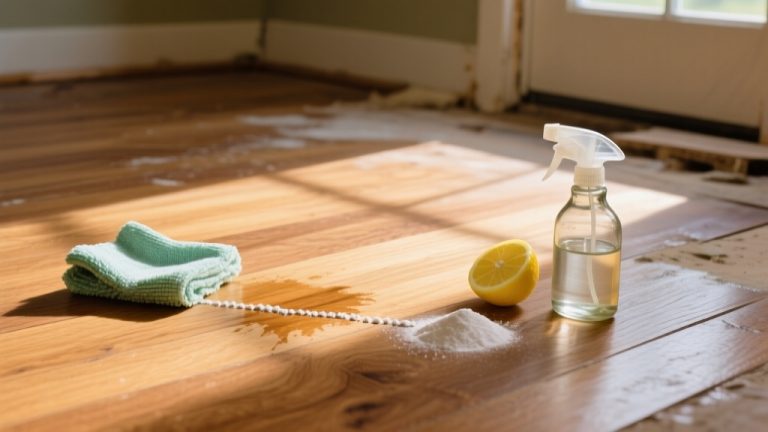
Use a damp cloth or mild detergent if necessary, then let the wood dry completely.
Clean the wood with a damp cloth or mild detergent, then ensure it’s fully dry before gluing.
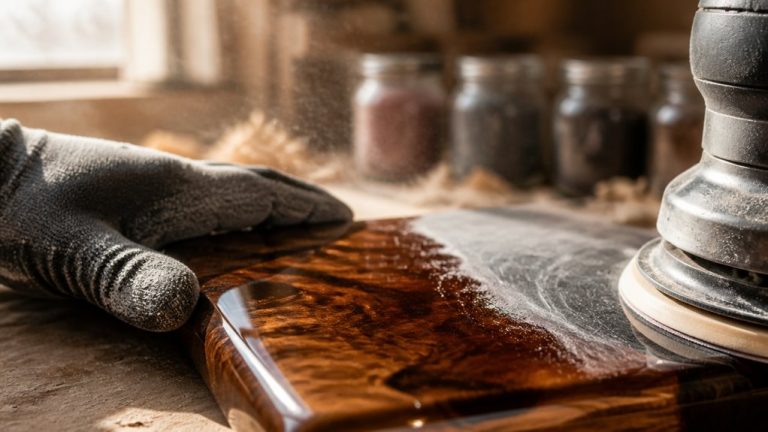
Next, lightly sand the wood to create a slightly rough texture. This helps the glue seep into the wood’s porous surface for better mechanical interlocking.
Avoid overly polished or sealed areas because hot glue won’t penetrate well there.
After sanding, remove any leftover dust with a brush or compressed air.
When applying the glue, work quickly while it’s hot and press the pieces firmly together to maximize contact.
Proper surface prep guarantees a more durable, reliable bond for your project.
For stubborn residues that can affect adhesion, consider using tested solvents or gentle scraping methods from adhesive removal techniques to ensure a clean bonding surface.
Common Hot Glue Failures on Wood and How to Fix Them
Hot glue can come apart on wood for several common reasons, but you can fix most of them with simple adjustments.
First, if the wood surface is dirty or polished, clean and lightly sand it to expose pores for better glue seepage.
Second, applying glue at too low a temperature leads to weak bonds; make certain the glue is hot enough to flow and penetrate.
Third, pressing the glued parts firmly guarantees proper mechanical interlocking.
Avoid excessive glue thickness, which cools unevenly and weakens adhesion.
Finally, remember hot glue dries quickly, so work swiftly to join surfaces before it sets.
If you encounter repeated failure, consider switching to specialized wood hot melts or traditional wood glue for stronger, longer-lasting bonds.
Also, ensure the wood surface is free from debris and residue by regularly cleaning and maintaining it to improve adhesion and prevent damage, similar to maintaining clean hardwood floors.
Frequently Asked Questions
Can Hot Glue Bond Wood to Metal or Plastic Effectively?
Yes, you can use hot glue to bond wood to metal or plastic, but it works best for lightweight, low-stress projects.
Hot glue forms a quick, temporary bond and sticks well to porous wood and some plastics, especially with premium formulations like 3M Hot Melt 3764/3748.
For stronger, lasting adhesion on metal or non-porous plastic, you’ll want specialized adhesives or epoxy instead.
Hot glue’s bond strength and durability are limited.
What Is the Ideal Hot Glue Temperature for Wood Applications?
You absolutely need to get the hot glue temperature just right. Too hot, and it’s like burning your project; too cool, and the glue won’t stick at all.
Aim for around 380°F (193°C) for wood applications. This temp lets the glue seep into the wood’s pores, creating a solid bond without thermal damage.
Always clean and prep the surface, then press firmly for best results. Precision here saves you time and frustration!
Are There Specialized Hot Glue Products for Wood Repairs?
Yes, you’ll find specialized hot glue products designed for wood repairs. Brands like Power Adhesives Tecbond 1942 and polyamide formulations such as Power Adhesives 7718 are great for knot-filling and fixing wood.
Premium hot melts like Infinity WoodTAC bond porous and non-porous wood efficiently. These options offer better adhesion and durability compared to standard hot glue, making your wood repair jobs stronger and more reliable.
How Does Moisture Content in Wood Affect Hot Glue Adhesion?
Imagine you’re back in a Victorian workshop, fussing over wood joints.
Moisture content plays a vital role in hot glue adhesion. You’ll want it around 30% for peak bonding.
Too much moisture weakens the glue’s hold, causing poor penetration and bond failure. Too dry, and the glue can crack or not seep properly.
Can Hot Glue Withstand Outdoor Weather Conditions on Wood?
Hot glue won’t reliably withstand outdoor weather on wood. It lacks the deep penetration and waterproof strength needed for exposure to moisture, temperature changes, and UV rays.
If you want lasting outdoor bonds, you’ll need specialized wood glues or polyurethane adhesives designed for weather resistance.
Hot glue is fine for quick, temporary fixes but expect it to degrade, peel, or fail when exposed to rain, sunlight, or fluctuating conditions.
Quick Fix or Long-Term Hold? The Truth About Hot Glue on Wood
Hot glue can stick to wood, but it’s not always the best choice for long-lasting strength. If you’re worried it won’t hold, remember: prepping the wood properly—clean, dry, and slightly roughened—makes a big difference.
Use hot glue for quick fixes or lightweight projects, but for heavy-duty or outdoor work, wood glue is better. Knowing when and how to use hot glue guarantees your bond won’t let you down.