
Can You Restain Laminate Flooring: What Actually Works?
You can’t restain laminate flooring because its sealed, non-porous surface and protective wear layer block any stain absorption. This can cause peeling or bubbling.
Sanding or removing the wear layer risks irreversible damage. This exposes delicate core and image layers that lose moisture resistance and structural integrity.
Instead, consider alternatives like painting, overlays, or sealants to refresh appearance without harming the floor. Understanding these factors helps you make informed decisions about maintaining or replacing your laminate flooring.
Key Takeaways
- Laminate flooring cannot be restained because its sealed, non-porous wear layer prevents stain absorption and bonding.
- Sanding or removing the wear layer damages the laminate’s protective surface, causing peeling, bubbling, and permanent defects.
- Stains applied to laminate surfaces result in uneven color, flaking, and poor adhesion due to lack of porous wood fibers.
- Viable alternatives to restaining include painting, overlays, polyurethane sealants, or full plank replacement for damaged areas.
- Proper cleaning, maintenance, and application of sealants or floor polishes can refresh laminate without risking damage or refinishing.
Reasons You Can’t Restain Laminate Flooring

Although it might seem feasible, you can’t restain laminate flooring because its surface lacks the porous wood fibers necessary for stain absorption.
Laminate flooring cannot be restained due to its non-porous surface lacking wood fibers for absorption.
The top wear layer is a sealed, non-porous material designed to resist scratches, water, and dents, preventing any stain from penetrating.
Beneath this layer lies an image layer that simulates wood grain but doesn’t react chemically with stains.
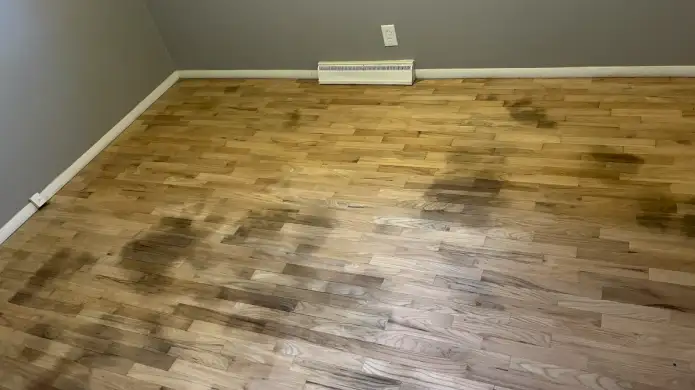
Applying stain results in peeling, bubbling, or uneven color because the stain can’t bond properly.
Unlike solid or engineered hardwood with genuine wood surfaces, laminate floors are manufactured with a high-density fiberboard core and protective layers that exclude refinishing methods like staining.
Understanding this structural limitation is essential to avoid ineffective attempts and potential damage.
Additionally, laminate flooring’s surface layer is water-resistant but cannot be sanded or refinished like engineered hardwood, limiting restoration options.
Why Sanding or Staining Laminate Flooring Causes Damage?
When you sand laminate flooring, you’re actually stripping away that protective wear layer. This layer is crucial because it keeps the delicate image or core layers underneath safe. Once you expose those layers, they can become really vulnerable.
Now, let’s talk about staining. If you try to stain laminate, it often won’t stick properly to the non-porous surface. This can lead to all sorts of problems, like peeling and uneven color.
It’s not just about aesthetics, either; this whole process can really compromise the integrity of your floor. You might even end up with permanent surface defects. So, it’s best to avoid sanding and staining laminate flooring if you want to keep it looking its best!
Additionally, the laminate’s wear layer thickness is designed to ensure longevity, which sanding would irreversibly damage.
Wear Layer Removal
Attempting to sand or stain laminate flooring removes its protective wear layer, which is essential for maintaining surface integrity. This layer shields the floor from scratches, dents, and moisture damage.
When you sand it down, you expose the underlying image or core layer, neither of which can withstand wear or accept stain properly.
Here’s what happens when you remove the wear layer:
- The floor loses its scratch and moisture resistance, increasing vulnerability.
- Sanding exposes the printed image layer, which is thin and easily damaged.
- Stains fail to penetrate or bond, causing peeling or bubbling.
- The core layer beneath lacks durability and will deteriorate quickly.
In short, removing the wear layer compromises the laminate’s design, making refinishing impossible without replacement or alternative surface treatments. For durable and professional-looking flooring results, proper preparation and suitable installation methods such as those used for engineered hardwood installation are crucial.
Stain Adhesion Issues
Because laminate flooring features a non-porous wear layer designed to repel moisture and resist scratches, stain products can’t properly adhere to its surface.
When you sand laminate, you remove this protective layer, exposing the image or core layer beneath, which lacks the porosity to absorb stain evenly.
Applying stain after sanding leads to peeling, bubbling, and uneven coloration because the stain can’t penetrate or bond reliably.
The wear layer’s composition resists chemical bonding, so even if you skip sanding, stain sits on top, increasing the risk of flaking.
This is why traditional refinishing methods used on hardwood aren’t effective for laminate.
Instead, you should consider alternatives like specialized coatings or overlays that maintain integrity without damaging the flooring’s structure.
Additionally, choosing the right installation method, such as glue-down engineered hardwood, can impact the floor’s durability and maintenance options.
Surface Damage Risks
Sanding or staining laminate flooring frequently damages its delicate surface layers, compromising both appearance and functionality.
The top wear layer, designed for scratch and moisture resistance, is easily removed by sanding. This exposes the vulnerable image or core layer beneath.
Stains fail to bond to the non-porous wear layer, resulting in peeling or bubbling. Attempting these refinishing methods can cause irreversible damage.
Consider these surface damage risks:
- Wear layer removal exposes underlying layers, weakening protection.
- Uneven stain absorption leads to blotchy, unattractive finishes.
- Surface bubbling and peeling occur due to poor adhesion on laminate.
- Structural instability arises if sanding penetrates the high-density fiberboard core.
Avoid sanding or staining to preserve your laminate’s integrity. For proper care and maintenance, following manufacturer guidelines ensures the best practices to extend product lifespan.
Best Alternatives to Restaining Laminate Flooring
Staining laminate flooring just doesn’t work because of that pesky protective wear layer. So, what can you do instead? Well, painting is a great option! It actually sticks better to the surface and can give your floors a fresh look.
Another alternative to consider is surface overlays. These are like a durable cover that can really restore the appearance of your flooring without messing with the core layers. Plus, they’re often pretty easy to install.
And don’t forget about applying a polyurethane sealant! This can boost protection and durability without needing a full refinishing job. It’s a simple way to keep your floors looking great for longer.
However, unlike laminate, SPC flooring offers high moisture resistance making it a practical alternative in areas prone to spills or humidity.
Painting Over Laminate
Transforming laminate flooring with paint provides a practical solution when staining isn’t an option due to the wear layer’s non-porous surface.
Since traditional stain won’t adhere properly, painting offers better adhesion and a refreshed look. To paint laminate effectively, you need to follow precise steps for durability:
- Clean thoroughly with a laminate-specific cleaner to remove oils and residues.
- Lightly sand the surface with fine-grit sandpaper to create a key for paint adhesion.
- Apply a high-quality bonding primer formulated for non-porous surfaces.
- Use a durable acrylic or epoxy-based paint designed for floors, followed by a polyurethane sealant to protect the finish.
This method guarantees long-lasting results, avoiding peeling or bubbling common with staining attempts on laminate. Additionally, using a polyurethane sealant helps maintain the finish’s durability and protection over time.
Using Surface Overlays
When you want to refresh your laminate flooring without the risks of staining, applying surface overlays offers a reliable and effective solution.
Overlays are thin layers, often vinyl or engineered wood, designed to adhere securely over your existing laminate. They mask wear, scratches, and discoloration while maintaining structural integrity.
Since laminate’s top wear layer is non-porous and resists stain absorption, overlays provide a practical alternative by physically covering the surface.
You’ll need to make certain the floor is meticulously cleaned and dried to promote adhesion. Surface overlays also add a new aesthetic dimension without sanding or damaging the core laminate layers.
This method extends your floor’s lifespan, improves durability, and requires minimal downtime. It’s a superior choice compared to traditional refinishing attempts on laminate flooring. Additionally, choosing the right underlayment beneath overlays can enhance comfort, sound absorption, and moisture resistance, further protecting your flooring investment.
Applying Polyurethane Sealant
Applying a polyurethane sealant provides a durable protective layer that enhances the resilience of your laminate flooring without compromising its structure.
Since laminate’s wear layer resists stains and refinishing attempts, sealing with polyurethane preserves the surface while adding scratch and moisture resistance.
To apply polyurethane sealant effectively:
- Clean the floor thoroughly using a laminate-specific cleaner to remove dirt and residues.
- Lightly sand with a fine-grit pad to promote adhesion without damaging the wear layer.
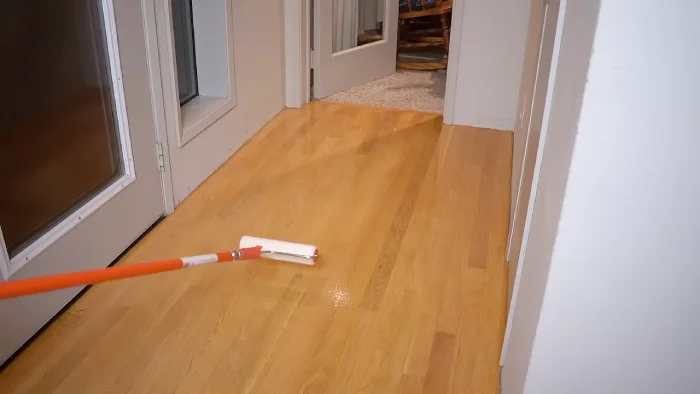
- Apply a thin, even coat of water-based polyurethane with an applicator pad to avoid streaks.
- Allow proper drying time between coats, applying two to three layers for maximum protection.
This method extends your floor’s lifespan and appearance without the risks associated with sanding or staining laminate surfaces. For best results, use microfiber mops to clean the floor before application, ensuring no damage or streaks occur.
How to Clean and Refresh Laminate Flooring?
Although laminate flooring cannot be refinished like hardwood, you can effectively restore its appearance through thorough cleaning and proper maintenance.
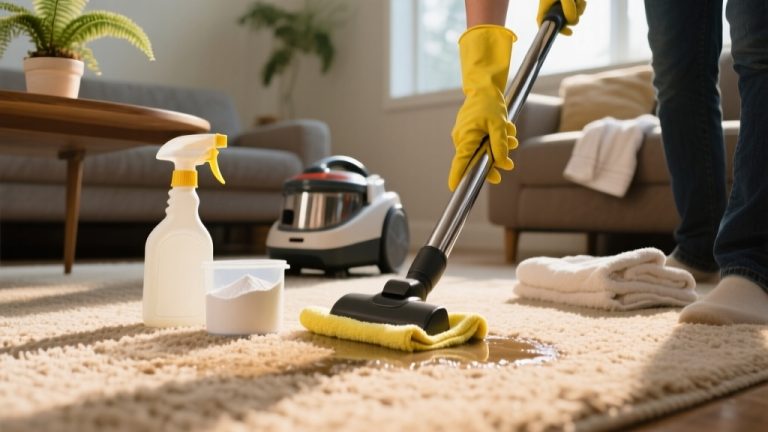
Begin by vacuuming with a soft brush or suction-only to avoid scratches. Use a laminate-specific cleaner or a diluted white vinegar solution (1:10) to remove residues and enhance shine.
Rinse with clear water and dry thoroughly to prevent water spots. For scuff marks, a WOCA polishing cloth helps after cleaning. Temporary shine can be restored with laminate floor polish or beeswax applied in thin layers.
Using microfiber or chenille pads during cleaning can help maintain a streak-free and glossy finish on laminate floors.
| Step | Recommendation |
|---|---|
| Cleaning Tool | Vacuum without beater bar |
| Cleaning Solution | Laminate cleaner or diluted vinegar |
| Post-cleaning | Rinse with water, dry completely |
| Maintenance | Polish, beeswax, or WOCA cloth |
When to Repair or Replace Laminate Flooring?
Deciding whether to repair or replace laminate flooring hinges on evaluating the extent and type of damage present.
Choosing to repair or replace laminate flooring depends on carefully assessing the damage’s severity and nature.
You should assess if the wear layer is intact or if core layers are compromised, as laminate can’t be refinished traditionally.
Consider these points:
- Localized scratches or minor surface wear can often be repaired with polish or overlays.
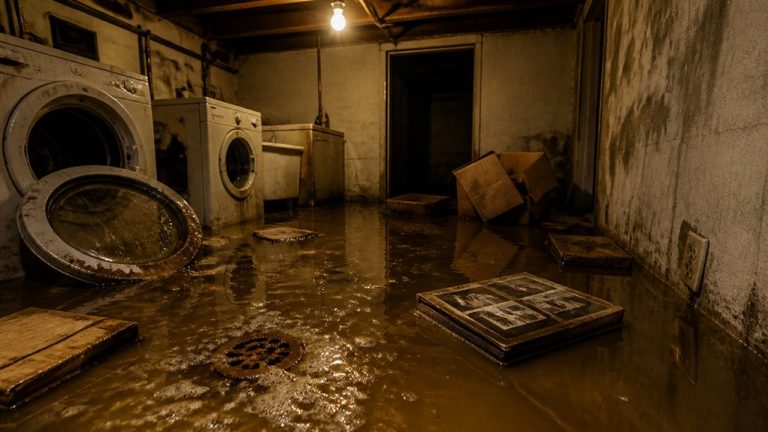
- Water damage causing swelling or warping in core layers necessitates plank replacement.
- Extensive wear, delamination, or deep gouges usually require full floor replacement for durability.
- Budget and floor age influence your choice; laminate’s affordability often favors replacement over repair.
Use professional evaluation when uncertain to determine the best approach.
This ensures long-term stability and appearance without attempting ineffective refinishing methods.
Best Products to Restore Laminate Floor Shine
You’ll often find that restoring the shine of laminate floors requires specialized products designed to work with their wear-resistant surfaces.
Traditional stains won’t bond properly, so opt for laminate floor polishes or revitalizers formulated specifically for these floors.
Products like Avenue two-part finishes provide durable adhesion and enhance gloss without damaging the protective wear layer.
Applying a thin layer of beeswax can also protect against minor scratches while adding a subtle shine.
Use a WOCA polishing cloth or an applicator pad to guarantee even distribution and avoid streaks or bubbles.
Prior to application, deep clean with a laminate-specific cleaner or a diluted white vinegar solution, then dry thoroughly.
These steps help maintain the floor’s appearance and extend its lifespan without refinishing.
Frequently Asked Questions
How Do I Prevent Scratches on Laminate Flooring Daily?
To prevent scratches on laminate flooring daily, you should use furniture pads under legs to avoid direct contact.
Avoid dragging heavy items across the floor, and clean regularly with a vacuum without a beater bar to remove grit.
Wipe spills promptly to prevent moisture damage. Use rugs in high-traffic areas and keep pet nails trimmed.
Applying a thin layer of laminate floor polish can add a protective barrier against minor abrasions.
Can Laminate Flooring Be Installed Over Existing Floors?
Yes, you can install laminate flooring over existing floors if the surface is clean, level, and in good condition. Avoid placing laminate directly over carpet or uneven surfaces.
You’ll need to remove baseboards and use an underlayment to add cushioning and moisture protection.
Make sure the existing floor is dry and free of damage to guarantee proper adhesion and prevent issues like warping or bubbling under your new laminate installation.
What Is the Average Lifespan of Laminate Flooring?
Wondering how long your laminate flooring will last? Typically, you can expect 15 to 25 years of service, depending on traffic and maintenance.
Its top wear layer resists scratches and moisture, but heavy wear shortens lifespan. Proper cleaning and avoiding harsh treatments help preserve it.
When damage occurs, replacing planks is easier than refinishing. So, regular care and timely repairs keep your floor durable and looking great for decades.
Are There Eco-Friendly Laminate Flooring Options Available?
Yes, you can find eco-friendly laminate flooring options. Look for products made with formaldehyde-free adhesives and recycled or sustainably sourced wood fibers in the core layer.
Certifications like FloorScore or GREENGUARD indicate low emissions and better indoor air quality. Some manufacturers use water-based finishes and avoid harmful chemicals, reducing environmental impact.
Choosing these options guarantees durability and sustainability while maintaining laminate’s affordability and easy maintenance.
How Does Humidity Affect Laminate Flooring Durability?
Humidity affects laminate flooring durability by causing the core layer of high-density fiberboard to absorb moisture. This can lead to swelling, warping, and delamination.
You’ll notice gaps or buckling if humidity levels are too high or fluctuate frequently.
To maintain durability, keep indoor humidity between 30-50%. Use dehumidifiers or humidifiers as needed, and ensure proper installation with moisture barriers to minimize moisture exposure. This helps prolong your laminate flooring’s lifespan.
Restaining vs. Refreshing: What Actually Works for Laminate?
You can’t restain laminate flooring because its top layer is a sealed photographic image, not real wood.
Trying to sand or stain it will damage this protective surface. Instead, clean and refresh your floor using specialized laminate cleaners or polish to restore shine.
For example, a homeowner with worn laminate successfully revived their floor’s look using a laminate-specific polish, avoiding costly replacement.
When damage is severe, consider repair or full replacement for lasting results.