Best Way to Disinfect Hardwood Floors: Lasting Beauty
To disinfect hardwood floors safely, first sweep or vacuum to remove dust without scratching. Use a pH-neutral, wood-safe disinfectant. Avoid bleach, ammonia, or vinegar that can damage finishes.
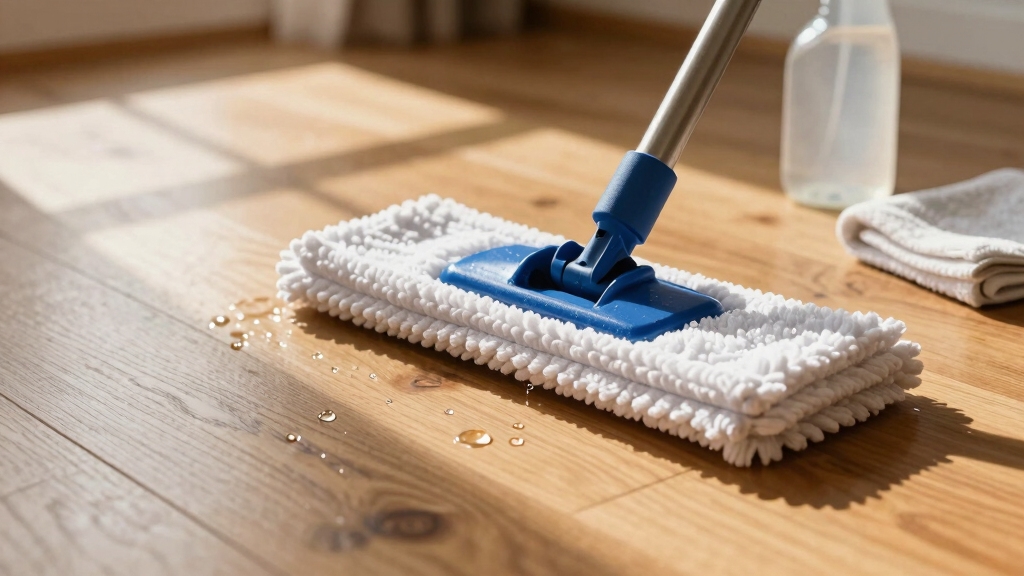
Lightly dampen a microfiber mop or cloth with the disinfectant, ensuring the surface stays wet for the recommended time but never soaked. Dry promptly with a clean cloth to prevent warping or stains. Following these steps protects your floor’s finish and longevity.
For detailed guidance on products and techniques, keep exploring.
Key Takeaways
- Sweep or vacuum with a soft-bristle broom or soft nozzle to remove debris and prevent scratches before disinfecting hardwood floors.
- Use wood-safe, pH-neutral, bleach-free disinfectants formulated specifically for sealed hardwood to protect finishes and avoid damage.
- Apply disinfectant with a damp microfiber mop or pre-saturated cloth, keeping the surface wet for the recommended dwell time without soaking.
- Immediately dry floors thoroughly with clean, absorbent cloths or allow air drying to prevent moisture damage and warping.
- Avoid harsh chemicals, steam cleaners, soaking mops, and disinfectant pooling to maintain floor integrity and long-term durability.
How to Prepare Hardwood Floors Before Disinfecting?
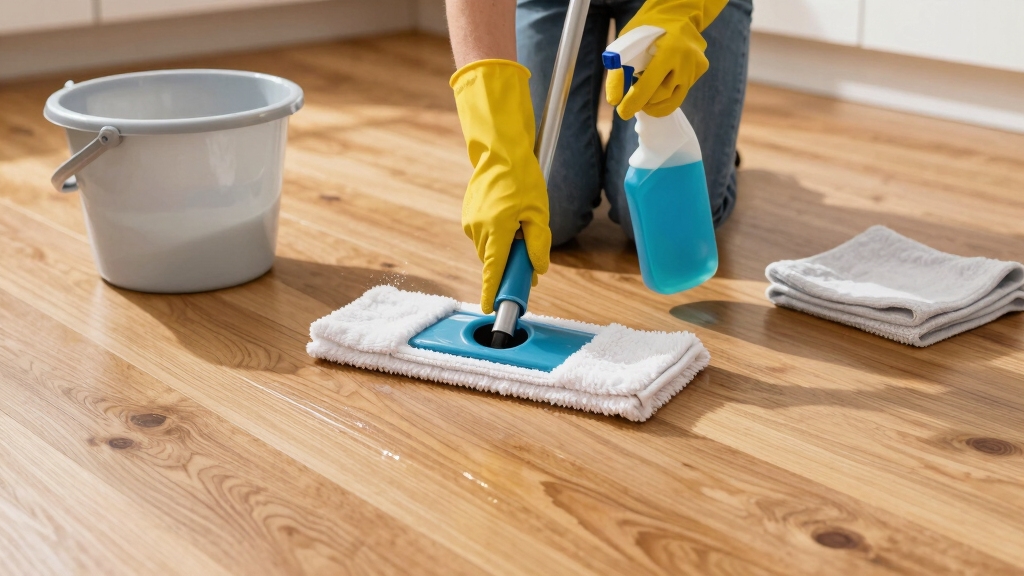
Start by thoroughly sweeping your hardwood floors with a soft-bristle broom or using a microfiber sweeper pad to remove loose debris.
Focus on corners and under furniture where dust accumulates, as leftover grit can scratch your floors during cleaning.
After sweeping, vacuum with a soft head nozzle to pick up any remaining particles.
This two-step process guarantees your floor is debris-free and ready for disinfecting.
Gather all necessary supplies: broom, vacuum, disinfectant cloths or solution, and mop.
Before disinfecting, spot-clean sticky or grimy areas with a damp cloth to avoid spreading dirt.
Preparing your floors properly prevents damage and maximizes the effectiveness of disinfectants.
This ensures your hardwood remains pristine and germ-free without unnecessary wear or moisture exposure.
For best results, use a soft-bristled attachment when vacuuming to avoid scratching the floor’s finish and to provide gentle cleaning.
Which Disinfectants Are Safe for Hardwood Floors?
When it comes to disinfecting your hardwood floors, it’s super important to pick the right products. You want to go for wood-safe, pH-neutral disinfectants. These are designed to effectively kill germs while keeping your floors safe and looking great.
Now, let’s talk about what to avoid. Harsh chemicals like bleach, ammonia, and even vinegar can really wreak havoc on your finishes and dull the surface. So, steering clear of those is a must if you want to maintain the beauty of your hardwood floors.
For best results, consider using plant-based cleaners that are specifically formulated to be gentle yet effective on hardwood surfaces.
Wood-Safe Disinfectant Options
When protecting your hardwood floors, choosing a wood-safe, pH-neutral disinfectant is essential to avoid damaging the finish while effectively killing germs.
Opt for bleach-free products specifically designed for sealed hardwood, such as Clorox Scentiva Disinfecting Wet Mopping Cloths, which kill 99.9% of germs without harsh chemicals.
Bona offers excellent shine and soil removal, while Libman provides budget-friendly dilution options. Pledge works well for quick messes.
Always dilute concentrated products according to manufacturer instructions and test on an inconspicuous spot first.
Avoid acidic or abrasive disinfectants to preserve your floor’s integrity. Using these recommended disinfectants guarantees thorough sanitation while maintaining your hardwood’s appearance and durability over time.
For best results, consider using a pH-neutral formula that is safe for polyurethane finishes and promotes long-term floor care.
Avoid Harmful Chemicals
Although disinfecting hardwood floors is essential for hygiene, using harmful chemicals can cause irreversible damage to their finish and structure. You should avoid bleach, ammonia, vinegar, and steam, as they degrade wood surfaces and finishes.
Instead, opt for wood-safe, pH-neutral disinfectants designed specifically for hardwood floors to maintain cleanliness without harm.
| Disinfectant | Safety Profile | Recommended Use |
|---|---|---|
| Clorox Scentiva | pH-neutral, bleach-free | Daily disinfecting cloths |
| Bona | Safe, enhances shine | Routine mopping and soil removal |
| Libman | Dilutable, budget-friendly | General cleaning with precautions |
| Pledge | Non-toxic, safe for sealed wood | Spot cleaning and messes |
Choosing these products guarantees effective disinfection while preserving your hardwood floors’ lifespan and appearance. Regular use of microfiber mops with these cleaners ensures gentle yet thorough cleaning without damaging the finish.
pH-Neutral Product Benefits
Since hardwood floors require gentle care, choosing pH-neutral disinfectants is vital to preserve their finish and structural integrity.
These products effectively kill germs without stripping your floor’s protective coating or causing discoloration.
Unlike acidic or alkaline cleaners, pH-neutral options prevent the wood from drying out or warping over time.
You’ll want to select trusted brands like Clorox Scentiva, Bona, or Pledge, all formulated to clean safely while maintaining shine and durability.
Avoid bleach, ammonia, vinegar, and steam, as they damage the seal and promote long-term deterioration.
Always dilute concentrated disinfectants per instructions and test on an inconspicuous area first.
Using pH-neutral disinfectants guarantees thorough sanitation while extending the life and beauty of your hardwood floors.
For best results, use a soft-bristled broom or microfiber cloth to remove dust and dirt before disinfecting to avoid streaks and scratches.
How to Disinfect Hardwood Floors Step-by-Step?
Start by thoroughly removing all loose debris using a soft-bristle broom or a vacuum without a beater bar to prevent scratches. Next, spot-clean sticky or stubborn areas with a damp cloth.
Gather your wood-safe, pH-neutral disinfectant and dilute if needed per instructions.
Test it on an inconspicuous spot before proceeding.
Attach a pre-saturated cloth or lightly wrung mop to your cleaning tool.
Mop gently along the wood grain, applying a thin, even coat to avoid water pooling.
Maintain enough moisture to keep the surface visibly wet for at least 10 seconds to sanitize.
Avoid soaking the floor, which risks damage.
Finally, dry the floor thoroughly with a clean cloth or allow it to air dry completely before walking on it to prevent marks or moisture damage.
For best results, use a microfiber mop and change or rinse the mop pads when dirty to prevent streaks and grime redistribution.
How Long to Let Disinfectants Sit on Hardwood Floors?

After applying disinfectant to your hardwood floors, the next important step is allowing it to sit for an adequate amount of time to effectively sanitize or disinfect the surface.
For sanitizing, keep the floor visibly wet for at least 10 seconds. To fully disinfect, maintain wetness for about 4 minutes, following the manufacturer’s instructions precisely.
This contact time guarantees germs are killed without damaging your wood’s finish. Avoid letting the disinfectant dry too quickly or sit excessively, as both can reduce effectiveness or harm the floor.
Use enough product to keep the surface damp but never soaked. Remember, proper dwell time is essential for true disinfection while minimizing moisture exposure to preserve your hardwood’s integrity and longevity.
In addition, taking precautionary measures during cleaning helps protect your floors from damage caused by excess moisture or harsh chemicals.
Drying Disinfected Hardwood Floors Properly
After you disinfect your hardwood floors, it’s really important to dry them thoroughly. You don’t want any moisture seeping into the wood because that can lead to some serious damage. So, grab a clean cloth or just let the floor air dry completely before you start walking on it. This way, you can avoid leaving any pesky footprints behind!
Taking the time to dry your floors properly not only helps protect the finish but also keeps the floor’s integrity intact over time. It’s all about giving your hardwood the care it deserves! Using dehumidifiers and fans can help maintain optimal drying conditions and prevent warping or mold growth.
Importance Of Thorough Drying
Because hardwood floors are porous and sensitive to moisture, thoroughly drying them after disinfecting is crucial to prevent damage like warping or staining.
You must make certain no standing water remains, as even small amounts can seep in and compromise the wood’s integrity.
After applying your disinfectant, use a clean, dry cloth or allow air drying in a well-ventilated space.
Make sure the floor is completely dry before walking on it to avoid marks or smudges.
To dry your hardwood floors effectively, remember to:
- Wring out mops thoroughly before use to limit excess moisture.
- Mop out of the room to prevent moisture trapping in corners.
- Avoid rinsing when using no-rinse disinfectant cloths.
- Allow adequate air circulation to speed drying.
Following these steps preserves your floor’s finish and longevity. It is also important to avoid harsh chemicals and acidic cleaners like vinegar to maintain the polyurethane finish that protects the wood.
Preventing Moisture Damage
Ensuring proper drying of disinfected hardwood floors prevents moisture from seeping into the wood and causing warping or staining. After disinfecting, immediately dry the surface using a clean, absorbent cloth or allow it to air dry thoroughly.
Avoid leaving standing water or dampness, as hardwood’s porosity can trap moisture, damaging the finish and underlying wood. Don’t walk on the floor until it’s completely dry to prevent impressions or smudges.
If your disinfectant requires rinsing, mop gently with a damp cloth and dry promptly. Also, mop out of the room to avoid moisture buildup in corners.
Proper drying maintains the floor’s integrity, preserves its finish, and extends its lifespan. Neglecting this step risks costly repairs and diminishes the effectiveness of your cleaning efforts. Additionally, maintaining indoor humidity at 40-50% helps prevent warping and supports proper floor care.
Mistakes That Can Damage Your Hardwood Floor

While disinfecting hardwood floors is essential for hygiene, certain common mistakes can cause lasting damage to their finish and structure. You must avoid these pitfalls to preserve your floor’s beauty and integrity.
First, don’t use bleach, ammonia, or vinegar. They strip finishes and dull polyurethane. Second, avoid steam cleaners or soaking mops, which warp wood by introducing excess moisture.
Third, never let disinfectants sit too long or pool on the surface, as prolonged contact can degrade the finish. Finally, skipping proper drying invites moisture damage and promotes warping.
Always use wood-safe, pH-neutral products and follow manufacturer instructions carefully.
- Using harsh chemicals like bleach or ammonia
- Employing steam or overly wet mops
- Allowing disinfectant to pool or sit excessively
- Neglecting thorough drying after cleaning
When to Call Professionals for Deep Floor Sanitizing?
If you notice persistent stains, deep-seated grime, or suspect bacterial buildup despite regular cleaning, it’s time to contemplate professional deep floor sanitizing.
Professionals bring specialized tools and safe, effective disinfectants that preserve your hardwood’s finish while eliminating embedded contaminants.
You should also call experts if your floors show wear from improper DIY cleaning or after water damage.
| Signs You Need Professionals | Benefits of Professional Sanitizing |
|---|---|
| Stubborn stains and odors | Deep cleaning beyond surface debris |
| Frequent high traffic wear | Safe use of wood-friendly disinfectants |
| Water damage or warping | Prevention of finish damage |
| Persistent bacterial concerns | Extended floor lifespan |
| DIY cleaning failures | Expert advice on maintenance and care |
Trust pros for thorough sanitizing that protects and revitalizes your hardwood floors.
Frequently Asked Questions
Can Disinfecting Hardwood Floors Cause Allergies or Respiratory Issues?
Yes, disinfecting hardwood floors can cause allergies or respiratory issues if you use harsh chemicals like bleach, ammonia, or strong fragrances.
You should choose wood-safe, pH-neutral disinfectants and make sure proper ventilation while cleaning.
Avoid products with allergens or irritants, and test in small areas first.
Using diluted, gentle solutions and drying floors thoroughly helps minimize exposure and prevent adverse reactions, keeping your indoor air quality safe for you and your family.
How Often Should Hardwood Floors Be Disinfected for Routine Maintenance?
You should disinfect your hardwood floors once a week during routine maintenance to keep germs in check without overexposing the wood to moisture or harsh chemicals.
For high-traffic or germ-prone areas, increase frequency to twice weekly. Always use wood-safe, pH-neutral disinfectants and avoid soaking floors.
Regular sweeping and spot cleaning daily also help maintain cleanliness and reduce the need for frequent full disinfection, protecting your floor’s finish and longevity.
Are Homemade Disinfectant Solutions Effective and Safe for Hardwood Floors?
Homemade disinfectant solutions aren’t ideal for hardwood floors because many common ingredients, like vinegar or bleach, can damage finishes.
You want to avoid acidity and harsh chemicals that dull or warp wood.
Instead, choose wood-safe, pH-neutral disinfectants designed for sealed hardwood.
Using those guarantees effective germ-killing without compromising your floor’s integrity.
Can Disinfecting Hardwood Floors Remove Pet Odors or Stains?
You can disinfect hardwood floors to reduce pet odors and stains, but it won’t fully remove them.
Disinfectants kill germs and bacteria causing smells. Yet pet stains often need targeted cleaners designed for enzymes or odor neutralizers.
So, while disinfecting helps freshen your floors and control bacteria, treating stains requires specialized products.
For best results, combine gentle disinfecting with pet-specific stain removers to protect your hardwood’s finish.
What Is the Best Way to Maintain Hardwood Floor Shine After Disinfecting?
To maintain your hardwood floor’s shine after disinfecting, use a wood-safe, pH-neutral polish like Bona or Pledge.
Avoid harsh chemicals like vinegar or bleach that dull finishes. Always dry the floor completely after cleaning to prevent moisture damage.
Apply polish sparingly with a microfiber cloth, following the grain. Regularly sweep and spot-clean sticky areas to keep the surface smooth and reflective without buildup that dulls the shine.
Treat Your Floors Well, and They’ll Return the Favor
Think of your hardwood floors as a trusted foundation. Nurture them with the right care and gentle disinfectants. Just like a steady heartbeat, proper preparation, careful cleaning, and mindful drying keep their natural beauty alive. Avoid harsh shortcuts that crack the surface.
When in doubt, call in the experts to restore balance. By treating your floors with respect, you make certain they remain a lasting symbol of warmth and strength in your home.