
Best Glue for Cork in 2026: Picks for Easy Bonding
If you want reliable glue for cork in 2026, try Aleene’s All Purpose Tacky Glue and BEACON 3-in-1 Fast-Drying Craft Glue.
Aleene’s offers versatile, clear, flexible bonding for porous materials, while BEACON grabs instantly, dries fast, and stays waterproof, perfect for detailed projects. Both handle cork well but differ in drying speed and surface type compatibility.
Choosing the right one depends on your project’s needs, and exploring deeper details will help you make the best choice.
| Image | Name | Editor's Rating | Price |
|---|---|---|---|

|
Aleene's All Purpose Original Tacky Glue, 8 fl oz
|
|
|
|
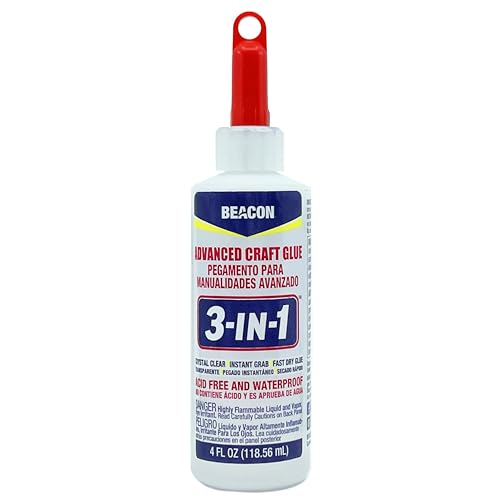
BEACON 3-in-1 Advanced Craft Glue - Fast-Drying, Crystal Cle...
|
|
Key Takeaways
- Aleene’s All Purpose Tacky Glue is ideal for versatile, clear, flexible bonds on cork with porous materials like fabric and wood.
- BEACON 3-in-1 Fast-Drying Craft Glue offers instant grab, fast drying, and waterproof clear bonds, perfect for detailed cork projects.
- For cork bonding, use adhesives with flexibility and good mechanical interlocking to accommodate cork’s porous and compressible nature.
- Choose waterproof glues like BEACON for outdoor or humid conditions to ensure durable cork adhesion.
- Non-toxic glues meeting ASTM standards like Aleene’s are preferred for safe handling, but verify food-safe certification if needed.
Aleene’s All Purpose Tacky Glue 8oz – Strong, Clear-Drying Adhesive for Crafts
- Aleene's Original Tacky Glue dries clean and flexible
- Cleans up fast and easy with water
- The nontoxic formula makes it your best choice for a variety of surfaces

Most adhesives struggle to balance strong grip and ease of use, but this thick formula redefines what to expect in bonding solutions. Its exceptionally tacky texture holds materials firmly in place right after application, avoiding the frustrating slide or repositioning phase typical with some glues.
Unlike many similar products, it dries clear and keeps a flexible hold, making it ideal for projects requiring durability without cracking or becoming brittle. Cleanup is straightforward—just soap and water before it sets, simplifying the crafting or repair process.
The non-toxic composition broadens its versatility, safely adhering a wide range of surfaces from paper and wood to fabric and metal. Aleene’s trusted brand offers this formula to bring consistent bond strength to your creative or repair tasks.
You’ll find its moderate curing speed allows enough time to adjust pieces before final set, yet it’s quick enough to reduce waiting times. This balance is crucial for precision work and saves time without sacrificing reliability.
Strong adhesion that doesn’t run out from joints and a clean, clear finish post-drying make this adhesive a dependable choice for detailed and lasting applications.
Best for: Crafters and hobbyists needing a robust, flexible glue that handles multiple materials without mess or fuss.
Pros:
- Thick, tacky formula for immediate hold
- Dries clear and remains flexible
- Non-toxic and easy to clean with water
- Works well on diverse surfaces including cork and fabric
- Allows repositioning before setting
Cons:
- The glue may thicken over time if not stored properly
Beacon 3-in-1 Advanced Craft Adhesive for Wood, Ceramics & Fabrics, 4-Ounce Bottle
- Witness the versatility of 3-in-1 Advanced Craft Glue. This unique formula offers crystal clarity...
- Take advantage of its wide range of applications ‚ from wood, floral and cork to glitter, trim...
- Its exemplary features surpass average glues. Dries crystal clear, instantly grabs, dries fast, and...
Unlike typical adhesives that leave stubborn residue or yellow over time, this formula dries crystal clear and maintains a neat appearance without wrinkling paper or fabrics. Its medium to high viscosity ensures controlled application, so you won’t deal with unwanted drips or mess.
Designed to grab instantly and dry quickly, reaching full cure within 24 hours, it helps you move through projects without long waits. The glue’s waterproof and acid-free composition means it won’t degrade or cause damage over time, providing a durable yet gentle bond on delicate materials.
With versatility that extends beyond just one surface, it bonds wood, ceramics, floral accents, and even delicate trims alongside cork. This multi-surface compatibility makes it a reliable choice for mixed-media crafts or repair tasks needing a strong, clear hold.
From intricate hobby projects to larger DIY tasks, the Beacon brand ensures a fast-drying, no-run application that holds consistently well. The formula’s subtle flexibility also means the bond won’t become brittle, allowing for a bit of give without breaking.
Best for: Crafters and hobbyists who require a clear, quick-setting adhesive that performs well on cork and other diverse materials.
Pros:
- Dries completely clear without yellowing
- Fast grab and curing time for efficient project completion
- Waterproof and acid-free for lasting durability
- Medium to high viscosity prevents drips and mess
- Multi-surface adhesion: wood, ceramics, fabrics, and more
Cons:
- May produce fine strings if applied with excess pressure
Best Glue for Cork: Side-by-Side Comparison
| Product Name | Drying Time | Cleanup | Application Features | Material Compatibility |
|---|---|---|---|---|
| Aleene’s All Purpose Tacky Glue | Dries clear and flexible, moderate speed | Cleans up easily with water before drying | Thick, tacky formula; holds items in place while setting | Paper, wood, metal, ceramics, fabric, cork |
| Beacon 3-in-1 Advanced Craft Glue | Fast drying, dry in 1 hour, full cure in 24 hrs | Remove by dry cleaning, use acetone to thin | Instant grab, no-run formula, medium-high viscosity | Wood, floral, cork, glitter, trim, ceramics, fabrics, beads |
Essential Tips for Choosing Cork Adhesives That Last
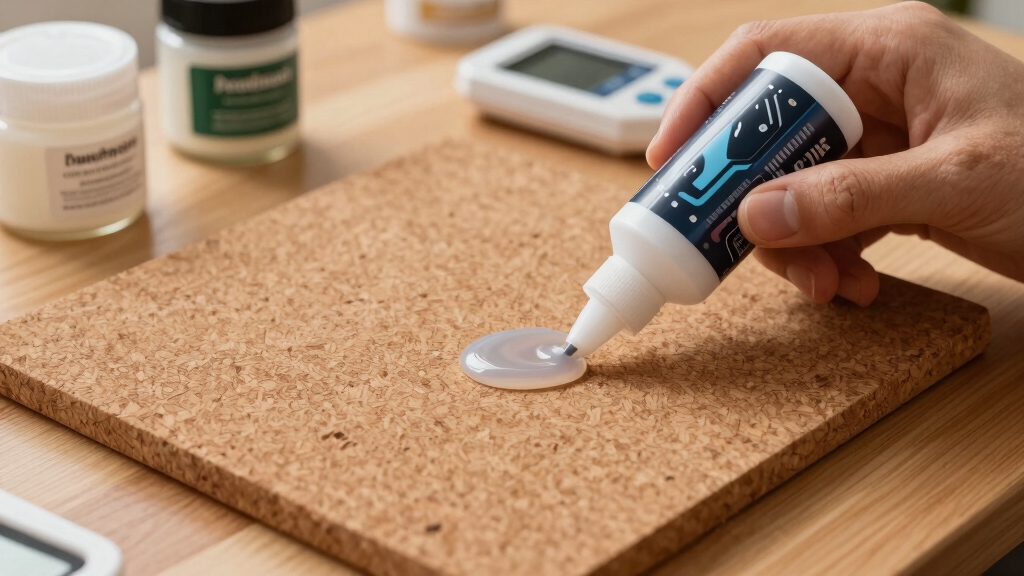
When you’re picking out glue for cork, think about:
Adhesion Strength Required
Because cork’s porous and textured surface demands a strong initial tack, you’ll want an adhesive that can bridge its irregularities and wet the surface enough to penetrate pores for a solid mechanical bond.
If you’re working on heavy or vertical applications, prioritize adhesives with high shear and peel strength—look for values above 200–300 psi or those labeled as “structural” or high-strength. Since cork often undergoes bending or compression, choose glues that cure into a thin, flexible film to avoid brittle failures.
Also, consider the open time: adhesives with a few minutes of working time help you align pieces and allow the glue to wick deeper into cork. Finally, pick adhesives rated for the conditions your project will face, like moisture or temperature changes, to maintain strong adhesion over time.
Drying Time Importance
Although drying time often gets overlooked, it plays a vital role in how effectively your glue bonds cork pieces. If you need to handle or reposition parts quickly, faster-drying glues that tack in minutes and fully cure within 24 hours are your best bet.
They cut down clamp time and prevent sagging, especially on vertical surfaces. However, if you’re working with irregular or intricate cork shapes, slower-drying adhesives offer more open time for precise alignment before setting.
Flexibility Post-Drying
Since cork naturally expands and compresses with changes in humidity, you’ll want to pick a glue that stays flexible after drying. Look for adhesives with a low elastic modulus and high elongation at break—ideally over 100%—so the bond can stretch without cracking.
Flexible, elastomeric glues, like those based on rubbery polymers, accommodate cork’s surface unevenness and reduce stress points that cause peeling. Check the cured adhesive’s glass transition temperature (Tg); a Tg well below room temperature means the glue remains pliable and won’t become brittle.
Avoid hard, brittle adhesives that cure rigidly, as they can crack or delaminate when cork bends or compresses. Choosing a flexible glue will assure a durable, long-lasting bond that withstands cork’s natural movements.
Water Resistance Needs
Maintaining flexibility in your glue is important, but water resistance plays an equally vital role when working with cork. Since cork is porous and absorbs water, you need an adhesive labeled waterproof or water-resistant to prevent bond failure from moisture exposure.
For outdoor or humid environments, select glues designed to handle repeated wet–dry cycles while staying flexible to accommodate cork’s natural expansion and contraction. Avoid water-based glues, as they can seep in and weaken cork’s surface; instead, choose solvent- or polymer-based adhesives formulated for waterproofing.
Don’t just focus on quick drying; consider full cure time and long-term water resistance specs. Sealing cork surfaces before gluing with a compatible primer can also reduce absorption and help your adhesive form a strong, durable bond.
Surface Compatibility
How do you guarantee a strong bond when gluing cork to different surfaces? Since cork is porous and fibrous, you want adhesives that penetrate slightly, like thinned PVA, contact cements, or polyurethane, to create mechanical interlocks instead of just surface tack.
If you’re working with smooth, sealed cork, lightly sanding it boosts adhesion, especially with water-based glues. When bonding cork to nonporous materials like glass or metal, flexible, gap-filling adhesives such as silicone or urethane work best to handle cork’s compressibility and prevent failure.
For wood, paper, or fabric, PVA or craft glues are ideal because these porous substrates absorb glue well. Always match your adhesive to both cork and the other surface for a durable, lasting bond.
Non-Toxic Formulation
When choosing glue for cork, you should prioritize non-toxic formulations, especially if your project involves children or frequent skin contact. Look for adhesives labeled non-toxic or meeting safety standards like ASTM D4236 to make certain they’re safe for crafts.
Water-based, PVA, and many white glues fit this category, cleaning up easily with water and minimizing exposure to harmful fumes. Keep in mind, though, that even non-toxic glues can irritate sensitive skin, so check ingredients and consider patch-testing first.
Also, non-toxic doesn’t mean food-safe, never use general non-toxic glue on surfaces that will touch food unless it’s explicitly certified for that purpose. Choosing the right non-toxic glue helps keep your cork projects safe and comfortable for everyone.
Frequently Asked Questions
Can Cork Glue Be Used Outdoors Without Weather Damage?
You can use cork glue outdoors, but you need to pick one that’s waterproof and weather-resistant. Not all cork glues hold up well to moisture, sunlight, or temperature changes, so check the label carefully.
If you choose a high-quality, outdoor-rated adhesive, it’ll keep your cork secure without damage. Otherwise, exposure to weather might cause the glue to break down, making your cork peel or loosen over time.
Is Cork Glue Safe for Children’s Craft Projects?
Yes, cork glue is generally safe for children’s craft projects, especially if you choose non-toxic, water-based formulas. You’ll want to check the label to make sure it’s labeled as non-toxic and safe for kids.
Avoid strong adhesives with harsh chemicals, as they can irritate skin or fumes. Always supervise younger children while they work, and encourage them to wash hands after crafting to keep things safe and fun.
How Long Does It Take for Cork Glue to Fully Cure?
Cork glue usually takes about 24 hours to fully cure, but the exact time depends on the type of adhesive you’re using and the environmental conditions.
Some quick-dry glues might set in just a few hours, but for a strong, lasting bond, it’s best to wait a full day. Make sure you keep the pieces clamped or pressed together during this curing time to guarantee the glue bonds properly.
Can Cork Glue Be Used on Wet or Damp Surfaces?
Imagine dropping a cork onto a damp wooden deck after rain—can the glue still hold? Generally, cork glue isn’t designed for wet or damp surfaces; you’ll want to work on dry, clean areas to make certain a strong bond.
Moisture can weaken the adhesive’s grip, causing it to fail over time. So, before you glue, make sure the surface is dry—it’s the best way to guarantee your cork sticks firmly and lasts.
Are There Eco-Friendly or Non-Toxic Cork Glues Available?
Yes, you can find eco-friendly and non-toxic cork glues that work great. These glues often use natural ingredients, avoiding harmful chemicals, making them safer for you and the environment.
When you shop, look for labels like water-based, biodegradable, or low VOC. They bond well with cork while keeping your project green. Always check product details to make certain it fits your specific needs and application.
Make Every Cork Project Count With the Right Glue
Choosing the right glue for cork doesn’t have to be tricky. You might worry about mess or long drying times, but both Aleene’s Tacky Glue and BEACON 3-in-1 offer strong adhesion with minimal fuss and quick drying.
They’re flexible and water-resistant, making your projects durable and neat. So go ahead—pick one that fits your needs and enjoy hassle-free crafting with cork. You’ll love how easy it is to get perfect results every time!
Last update on 2026-09-16 / Affiliate links / Images from Amazon Product Advertising API