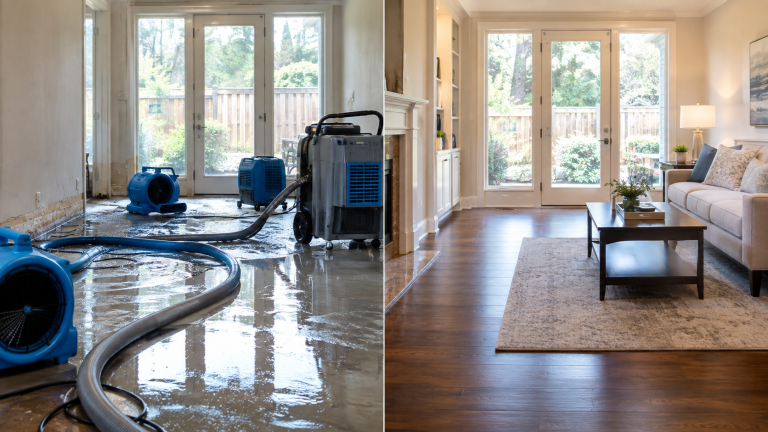

Air Purifier Vs Humidifier Vs Dehumidifier: Best Choices
An air purifier removes airborne pollutants like allergens and viruses, improving your respiratory health. A humidifier adds moisture to dry air, preventing skin and mucous membrane dryness in low-humidity environments. A dehumidifier extracts excess moisture, reducing allergens and mold growth in damp spaces.
Each device serves distinct purposes and operates differently, so you’ll want to understand their ideal uses, maintenance needs, and how they can work together to optimize your indoor air quality and comfort.

- …
- …
- 𝗛𝗘𝗟𝗣𝗦 𝗠𝗔𝗞𝗘 𝗢𝗗𝗢𝗥𝗦 𝗢𝗗𝗢𝗥𝗟𝗘𝗦𝗦: The air…

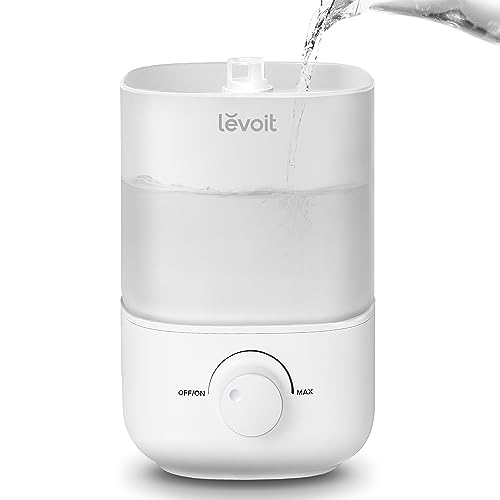
- …
- 𝙀𝙖𝙨𝙮 𝙏𝙤𝙥-𝙁𝙞𝙡𝙡 𝘿𝙚𝙨𝙞𝙜𝙣: LEVOIT listened to feedback…
- 𝙈𝙪𝙘𝙝 𝙀𝙖𝙨𝙞𝙚𝙧 𝙛𝙤𝙧 𝘾𝙡𝙚𝙖𝙣𝙞𝙣𝙜: Easily…
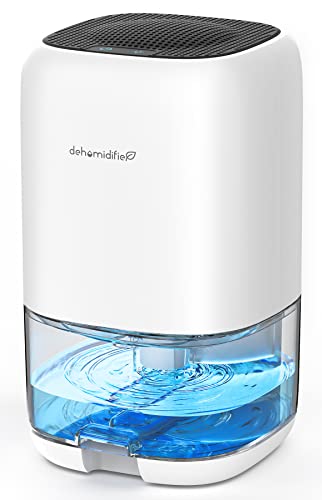
- High Efficient Dehumidifiers for Home: Still annoyed about the muggy weather? Just Take it easy…
- Small Dehumidifiers with Colorful Light: There is a separate light button, which can emit 7-color…
- 35OZ Dehumidifiers for Bathroom: With 1000ml (35OZ) large transparent tank, you can see the water…
Key Takeaways
- Air purifiers remove airborne pollutants, allergens, and viruses to improve respiratory and cardiovascular health.
- Humidifiers add moisture to dry air, maintaining optimal humidity (30-50%) to prevent dryness in skin and mucous membranes.
- Dehumidifiers extract excess moisture, lowering humidity to inhibit mold growth and reduce allergens in damp environments.
- Air purifiers use HEPA filters to trap particles, while humidifiers and dehumidifiers adjust indoor humidity levels for comfort and health.
- Combining devices requires careful placement and maintenance to prevent negative interactions and ensure effective air quality control.
Air Purifier or Humidifier or Dehumidifier: Key Differences at a Glance
| Feature / Factor | Air Purifier | Humidifier | Dehumidifier |
|---|---|---|---|
| Primary function | Removes airborne pollutants like allergens, dust, smoke, and some microbes to improve indoor air quality and respiratory comfort. | Adds moisture to dry air to maintain comfortable humidity levels and relieve dry skin, eyes, and sinuses. | Removes excess moisture from the air to reduce humidity, preventing mold, mildew, and dust mite growth. |
| Best use conditions | Ideal for polluted, dusty, or smoky environments and homes with allergy or asthma sufferers. | Best for dry climates or heated rooms where humidity drops below 30%, causing dryness and irritation. | Suited for damp, poorly ventilated spaces with humidity above 50%, such as basements or bathrooms. |
| Main health benefits | Supports respiratory and cardiovascular health by reducing exposure to fine particles, allergens, and some viruses. | Helps alleviate respiratory discomfort, dry throat, and skin by restoring moisture balance. | Lowers risk of mold-related allergies, respiratory irritation, and structural damage from condensation. |
| Key technology/components | Uses HEPA and activated carbon filters to capture particles and odors; may include pre-filters and smart sensors. | Uses ultrasonic or evaporative mechanisms to disperse water vapor into the air. | Uses refrigerated coils or desiccant systems plus a humidistat to condense and collect moisture. |
| Ideal humidity target | Works independently of humidity but performs best in balanced environments with 30–50% humidity. | Helps raise humidity toward a 30–50% comfort range when air is too dry. | Brings high humidity down into the 30–50% optimal comfort and safety range. |
| Maintenance needs | Regular filter replacement and cleaning to prevent clogged filters and secondary contamination. | Frequent tank cleaning, descaling, and disinfection to avoid mold and bacterial growth. | Periodic tank and coil cleaning, filter care (if present), and monitoring of drain or collection bucket. |
| Energy use | Generally moderate power use, varying by fan speed and filtration level. | Typically low to moderate energy consumption, depending on capacity and mode. | Can be moderate to high, especially larger units, though energy-efficient models reduce costs. |
| Can be combined with others? | Pairs well with both humidifiers and dehumidifiers when devices are spaced correctly and humidity is monitored. | Can be used with air purifiers if you avoid directing mist at the purifier’s intake and keep humidity in check. | Complements air purifiers by controlling moisture and keeping allergens such as mold and dust mites in check. |
| Best choice if… | You want cleaner, fresher air and relief from allergies, dust, smoke, or pollution. | You struggle with dry air issues like cracked skin, dry throat, or static electricity. | Your space feels damp or musty, or you notice condensation, mold spots, or a heavy, humid feeling. |
Key Functions and Health Benefits of Each Device

While each device serves a distinct purpose, understanding the key functions and health benefits of air purifiers, humidifiers, and dehumidifiers can help you choose the right one for your indoor environment.
Air purifiers remove at least 99.9% of airborne pollutants, including allergens, viruses, and PM2.5 particles. They enhance respiratory and cardiovascular health by reducing inflammation and oxidative stress.
Air purifiers eliminate 99.9% of pollutants, supporting healthier lungs and heart by reducing inflammation and oxidative stress.
Humidifiers add moisture to dry air, maintaining ideal humidity (30-50%) to prevent dryness of skin and mucous membranes. This alleviates respiratory discomfort and supports overall respiratory health.
Dehumidifiers extract excess moisture, lowering humidity to inhibit mold and dust mite proliferation. They reduce allergens and prevent structural damage caused by condensation.
Each device targets specific indoor air quality factors, offering distinct health benefits related to respiratory function, immune support, and environmental comfort.
Proper maintenance of these devices, including regular cleaning to prevent buildup and damage, is essential for optimal performance and longevity. This includes avoiding excess moisture that could lead to water damage in indoor environments.
Ideal Environments and Use Cases
Because indoor air quality varies greatly depending on factors like pollution levels and humidity, selecting the appropriate device requires understanding each one’s ideal environment and use cases.
Air purifiers excel in polluted, dusty, or smoky indoor spaces, especially benefiting allergy and asthma sufferers by capturing fine allergens. HEPA filters are especially effective as they capture 99.97% of particles as small as 0.3 microns.
Humidifiers suit dry climates and heated rooms, alleviating discomfort from low humidity below 30%, such as dry sinuses and skin irritation. Dehumidifiers target damp, poorly ventilated areas with humidity above 50%, preventing mold and dust mite growth.
Combining devices works well when both pollution and humidity extremes exist; for example, pairing air purifiers with humidifiers in dry, polluted areas or with dehumidifiers in humid, polluted zones. This approach helps optimize indoor air quality and comfort effectively.
Operational Features and Device Integration

When you operate air purifiers, humidifiers, and dehumidifiers together, understanding their individual functions and interactions is essential to maximize indoor air quality.
- Air purifiers trap airborne particles via HEPA or activated carbon filters, requiring regular maintenance to prevent secondary contamination.
- Humidifiers add moisture through ultrasonic or evaporative methods, but excess humidity risks filter clogging and microbial growth.
- Dehumidifiers condense moisture with refrigerated coils or desiccants, often featuring humidistats to maintain optimal 30%-50% humidity.
Integrating devices demands caution: place air purifiers away from humidifiers to avoid filter damage and mold. Ultrasonic humidifiers pair well with HEPA purifiers, whereas ionizer purifiers may react negatively with high humidity.
Dehumidifiers complement purifiers by controlling moisture, reducing allergens, and sustaining clean air efficiently when used with proper spacing and monitoring. Additionally, understanding the role of fire retardant chemicals in treated materials can enhance safety considerations in indoor environments where these devices are used.
Frequently Asked Questions
Can I Use an Air Purifier if I Have a Humidifier in the Same Room?
Yes, you can use an air purifier alongside a humidifier in the same room safely. Just guarantee you position them several feet apart, directing the humidifier’s output away from the purifier’s intake to avoid moisture damage.
Monitor humidity levels between 30–50% to prevent filter degradation. Maintain both devices regularly, cleaning and replacing filters as needed. This setup enhances air quality and comfort without causing functional conflicts.
How Often Should Filters Be Replaced in Air Purifiers?
You should replace HEPA filters every 6–12 months to maintain ideal particle capture. Activated carbon filters need changing every 3–6 months due to faster saturation.
Pre-filters require cleaning every 1–3 months and replacement as needed. Usage factors like continuous operation, pets, pollution, and seasonal changes can shorten filter lifespan.
Monitor indicator lights, airflow, and odors to decide if earlier replacement is necessary. Always consult your purifier’s manual for precise intervals.
Do Dehumidifiers Consume a Lot of Electricity?
You might think dehumidifiers gulp a ton of electricity, but that’s not always true. Most residential models use between 300-700 watts, costing roughly $15-$54 monthly depending on size and usage.
Energy-efficient or ENERGY STAR-certified units cut consumption by 15% or more. Plus, smart models optimize run times, lowering costs.
Can Humidifiers Cause Mold Growth if Not Cleaned Properly?
Yes, humidifiers can cause mold growth if you don’t clean them properly. When humidity exceeds 60%, mold spores thrive. Stagnant water in tanks breeds mold and bacteria within 24-48 hours.
If you neglect regular cleaning, filter changes, and tank drying, mineral deposits and moisture create ideal mold environments. To prevent this, empty and dry tanks daily, clean weekly, disinfect monthly, and use distilled water or antifungal additives for effective mold control.
Are All-In-One Air Purifier and Humidifier Units Effective?
Yes, all-in-one air purifier and humidifier units can be effective, removing over 95% of fine particles and maintaining ideal humidity levels between 45%-60%. They save space and use about 28% less energy than separate devices.
However, you should monitor humidity carefully to avoid mold growth and maintain both purification and humidification components regularly. For best results, choose models with independent controls and smart sensors to maximize performance and air quality.
Create a Healthier Home with the Right Air Care Solution
Choosing between an air purifier, humidifier, or dehumidifier depends on the subtle needs of your environment. Each device gently shapes your indoor atmosphere, whether by clearing unseen particles, adding a soft touch of moisture, or quietly whisking away excess dampness.
By understanding their distinct roles and integrating them thoughtfully, you create a balanced, healthier space that supports your well-being with precision and care. Your indoor air becomes a quietly optimized haven.
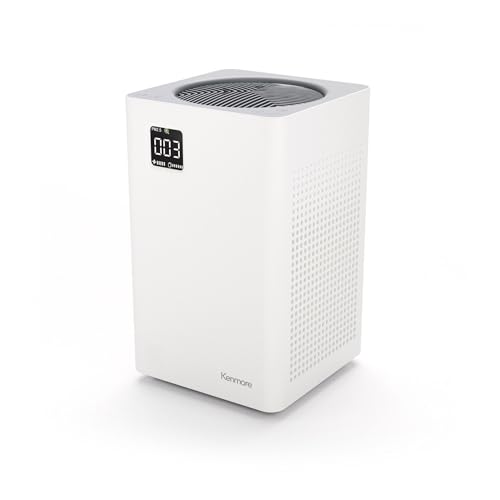
- Powerful Odor Removal: On average, more than 90% of modern life is spent indoors, effectively remove…
- Silent Operation: The unnoticeably quiet air purifier cleans the air without distractions, so you…
- 3-Stage Filtration: Noticeably reduce the amount of dust and pet dander in your room with the HEPA…
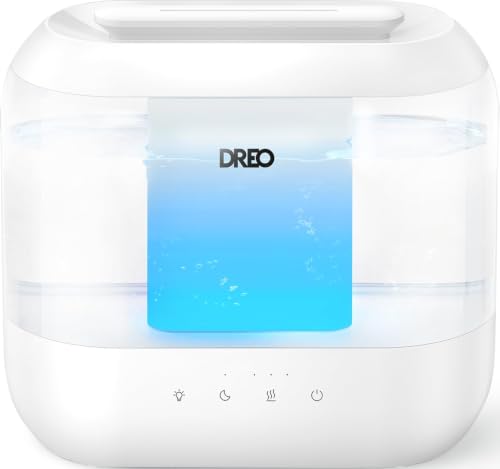

- 🍀 1657ML Larger Capacity: The water tank of this dehumidifier can hold of water at most 1657ml…
- 🍀 Defrosting and Safety Protection: Our dehumidifier is equipped with a defrost technology. It…
- 🍀 3 Setting Modes with Quiet Operation: There are three setting mode of this dehumidifier: sleep…
Last update on 2026-10-26 / Affiliate links / Images from Amazon Product Advertising API